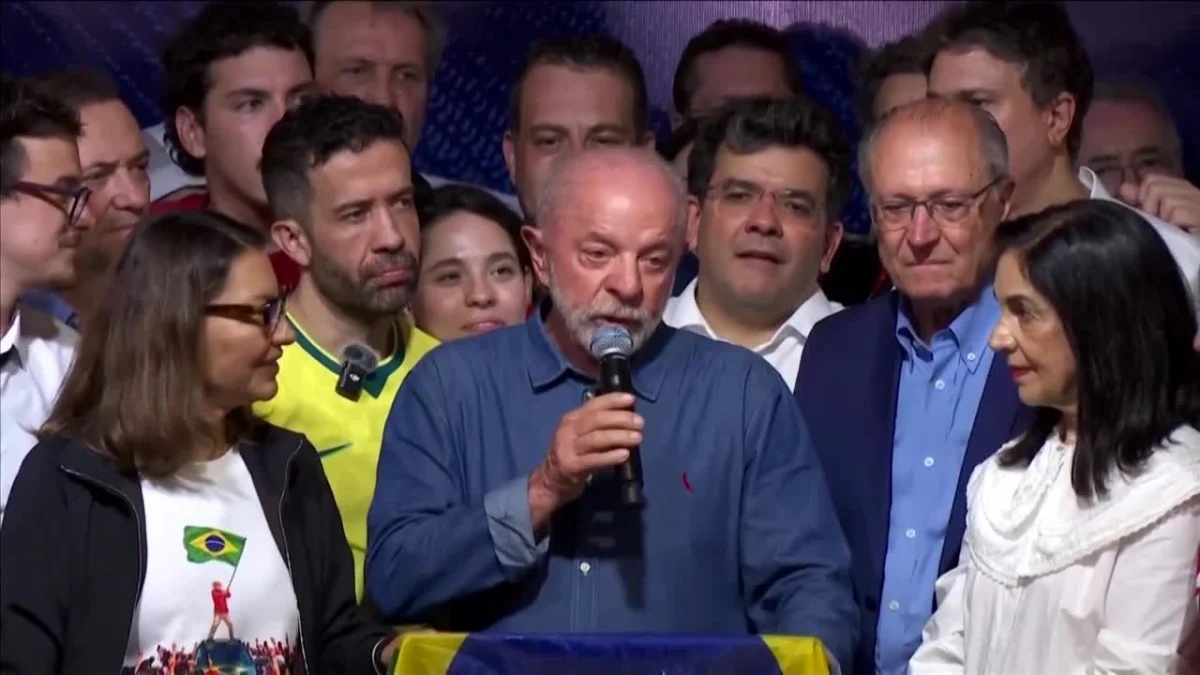
BRASÍLIA — In a political comeback that has captivated the global stage and redefined the trajectory of Latin America’s largest democracy, Luiz Inácio Lula da Silva has officially secured victory in Brazil’s high-stakes presidential runoff. According to the Superior Electoral Court (TSE), with nearly all ballots counted, the 80-year-old leftist icon emerged triumphant with 51.75 percent of the vote, narrowly defeating his right-wing challenger, Flávio Bolsonaro, who garnered 48.25 percent.
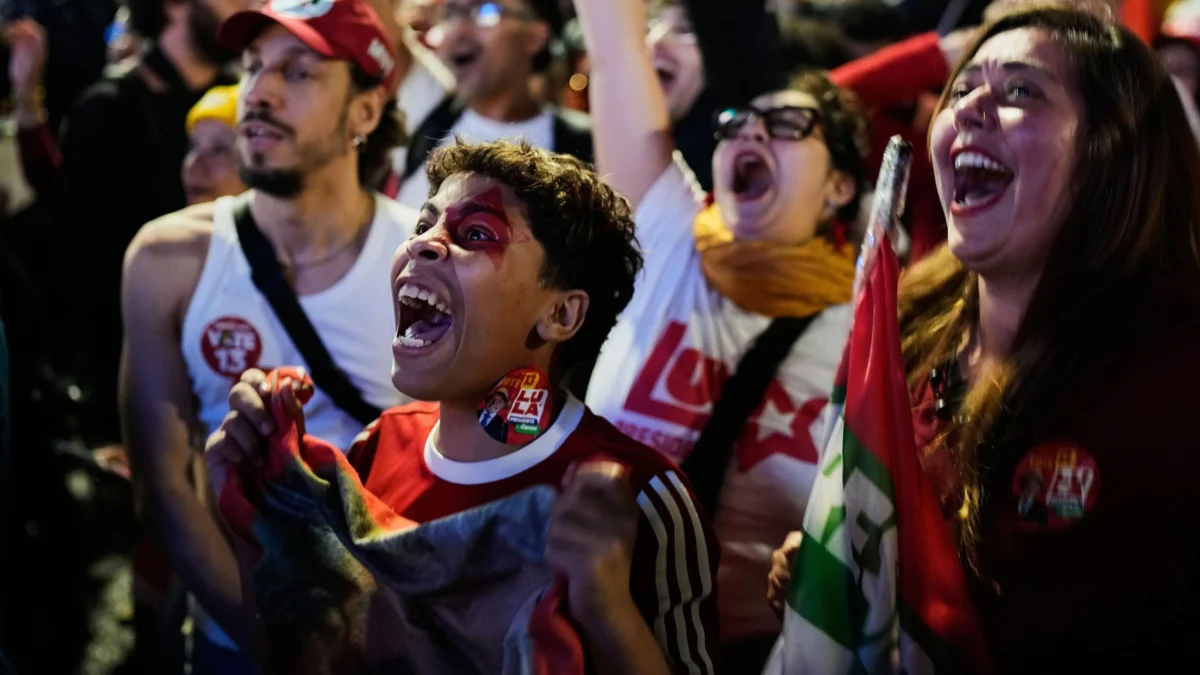
The result marks a tectonic shift for Brazil, ending a period of intense polarization and signaling a potential return to the social-democratic priorities that defined Lula’s previous administrations. As the results solidified, the streets of major urban centers, from the sprawling suburbs of São Paulo to the iconic beaches of Rio de Janeiro, erupted into a cacophony of celebration, marked by fireworks, music, and the symbolic red banners of the Workers’ Party (PT).
The Chronology of a High-Stakes Contest
The path to this electoral outcome was defined by a nerve-wracking, seesaw battle that kept the world in suspense for hours. As the TSE began releasing data on election night, the nation experienced a literal rollercoaster of political fortune.
A Midnight Thriller
The evening began with a surprising show of strength from the Bolsonaro camp, as early returns from conservative strongholds suggested a path to victory for the incumbent’s ally. For a period, the lead changed hands multiple times, creating an atmosphere of palpable tension across the country. In Rio de Janeiro, local reporters described a chaotic scene where every update from the electoral commission triggered competing waves of cheers and groans from neighborhood gatherings.
By the middle of the night, however, the "Lula surge"—driven by massive turnout in the populous Northeast and the metropolitan centers—began to materialize. As the counting shifted to these regions, the gap closed, and ultimately, the momentum became insurmountable. By the time 99 percent of the votes were tallied, the TSE declared the result "mathematically decided," cementing Lula’s return to the Palácio do Planalto.
A Polarized Campaign
The campaign itself was perhaps the most acrimonious in Brazil’s democratic history. Spanning months of fierce debates, the choice for 159 million eligible voters was stark: a return to the state-led social programs and environmental focus of the PT, or a continuation of the market-oriented, socially conservative, and law-and-order platform championed by the Liberal Party (PL).
Supporting Data and Demographics
The victory of Lula da Silva is not merely a statistical win; it is a profound reflection of Brazil’s deep socioeconomic divisions.
The Geography of the Vote
Analysis of the polling data highlights a significant geographic divide. Lula’s victory was anchored in the Northeast, the traditional stronghold of the PT, where his social welfare legacy—most notably the Bolsa Família program—remains deeply embedded in the public consciousness. In contrast, Bolsonaro’s strength remained concentrated in the agribusiness-heavy interior and the wealthy southern states, where voters prioritized his stance on personal liberty, conservative family values, and a tough-on-crime approach.
Turnout and Participation
With 159 million voters, the election saw one of the highest levels of civic engagement in Brazil’s history. The electoral process, overseen by the robust and digitized TSE system, functioned with remarkable efficiency despite concerns regarding misinformation campaigns that had plagued the run-up to the vote.
Ideological Contrasts: The Vision for Brazil
The victory represents a clash of two distinct philosophies for the future of the South American giant.
Lula’s Platform: The Social Compact
Lula da Silva’s campaign centered on a promise of "reconstructing" Brazil. At 80 years old, he campaigned on a platform of:
- Expansion of Social Programs: Renewing the fight against hunger and poverty, which he claims were exacerbated by the previous administration’s policies.
- Environmental Stewardship: Reversing the trends of deforestation in the Amazon, aiming to restore Brazil’s image as a global leader in climate action.
- State-led Investment: Advocating for public spending to stimulate the economy, specifically targeting infrastructure and social housing.
The Bolsonaro Vision: Conservatism and Security
Flávio Bolsonaro, representing the interests of the Liberal Party, positioned himself as the guardian of traditional Brazilian values. His key pillars included:
- Law and Order: An uncompromising stance on criminal justice, emphasizing the protection of private property and the empowerment of law enforcement.
- Economic Liberalism: A focus on deregulation, privatization of state-owned enterprises, and reducing the role of the federal government in the economy.
- Cultural Conservatism: A staunch defense of religious values and a rejection of what he described as "progressive indoctrination" in the education system.
Official Responses and International Repercussions
The international community has reacted with significant interest, as Brazil’s role on the global stage—particularly regarding the Amazon rainforest and G20 trade—is pivotal.
Internal Stability
Following the announcement, the TSE emphasized the transparency of the process, urging calm and respect for the democratic institutions. While the atmosphere remained tense in certain regions, the transition process is expected to move forward in accordance with Brazilian constitutional mandates.
Global Reactions
Leaders from across the globe have begun to acknowledge the results, with many emphasizing the importance of the Brazil-U.S. and Brazil-EU relationships. Environmental groups have hailed the result as a potential turning point for the planet, while financial markets are reportedly bracing for a period of adjustment as investors wait to see how Lula’s fiscal policies will interact with the current inflationary environment.
Future Implications: What Lies Ahead?
As the dust settles, the challenges facing the incoming administration are immense.
The Challenge of Governance
Lula enters his fourth term in a nation that is arguably more divided than when he first took office in 2003. He faces a Congress that is significantly skewed toward the right, meaning that passing legislation will require a degree of political maneuvering and coalition-building that may test his legendary skills as a negotiator.
Economic Realities
Brazil’s economy is currently struggling with the lingering effects of the global pandemic and inflationary pressures. Lula’s challenge will be to balance the promises made to his base—which include increased social spending—with the need to maintain fiscal responsibility to appease international investors and stabilize the currency.
A New Chapter for South America
The shift in Brazil, coupled with recent leftist or center-left victories in other major Latin American nations like Chile, Colombia, and Mexico, suggests a potential regional realignment. Whether this will lead to a new era of regional integration or further domestic friction remains to be seen.
Conclusion: The Road to Reconciliation
The election of Luiz Inácio Lula da Silva is a historic milestone that marks both a conclusion to a tumultuous electoral cycle and the beginning of a complex period of governance. The coming months will be critical in determining whether Brazil can heal its deep-seated divisions and move toward a unified national vision. For now, the people of Brazil have spoken, and the nation prepares to navigate the uncharted waters of a new, post-election era.
As Lula prepares to take the oath of office once more, he does so with the knowledge that the eyes of the world are fixed upon him, waiting to see if he can deliver on his ambitious promise to bring Brazil back to the center of the global stage while addressing the urgent, unmet needs of his own people. The work of reconstruction begins now.