As Germany pushes to become a global hub for artificial intelligence and cloud computing, its digital infrastructure is facing a critical bottleneck. While the federal government aims to more than double the nation’s data center capacity by 2030, a contentious legislative pivot is currently underway. In an effort to maintain competitiveness and attract hyperscale investment, Berlin is moving to soften strict efficiency and waste-heat recovery mandates. Critics, however, warn that this "deregulation" strategy risks locking the country into a cycle of ballooning energy consumption, increased reliance on fossil-fuel-powered backup, and long-term strain on the national power grid.
The Scale of the Digital Expansion
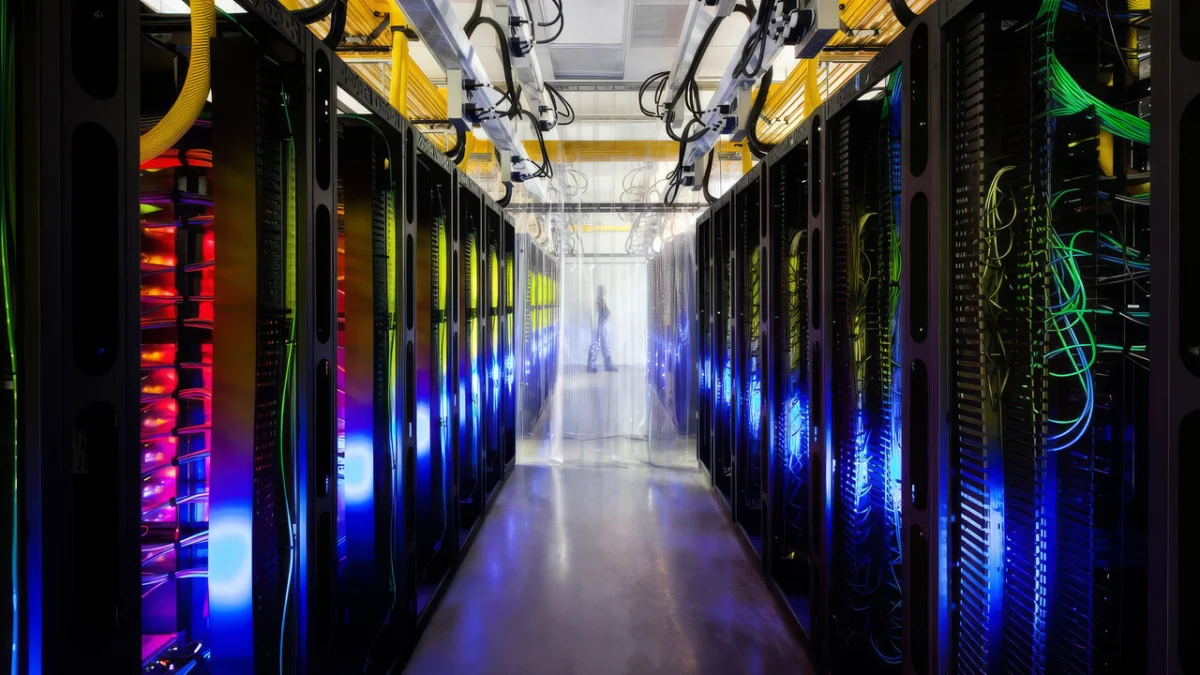
The German data center landscape is shifting from a collection of fragmented, medium-sized facilities to an industrial-scale ecosystem dominated by massive sites exceeding 5 megawatts (MW) of power. According to a 2025 report by the Borderstep Institute, there are approximately 2,000 data centers in Germany with an electrical connection of at least 100 kW.
The government’s latest "Data Center Strategy" is nothing short of ambitious: the goal is to increase total IT capacity from the current 2 gigawatts (GW) to over 4 GW by 2030, with a fourfold increase in AI-specific compute power. This expansion is viewed as a prerequisite for Germany’s economic digital transformation, yet it presents a monumental challenge for energy policy. Projections suggest that by 2045, the electricity demand of these facilities could hit 80 terawatt-hours (TWh) per year—roughly four times today’s consumption. To put this into perspective, this volume of electricity could power 16 million heat pumps or keep 40 million electric vehicles on the road annually.
Chronology of Regulatory Shifts
The path to the current legislative debate has been marked by rapid, and at times contradictory, policy interventions:
- 2023: The federal government passes the Energy Efficiency Act, establishing strict Power Usage Effectiveness (PUE) targets and mandatory waste-heat utilization rates to curb the environmental footprint of digital growth.
- July 2026: Implementation of the 1.2 PUE limit for new facilities begins, intended to force high-efficiency design standards.
- January 2025: Borderstep Institute publishes a comprehensive report highlighting that current data regarding energy demand remains incomplete due to voluntary reporting bias, complicating long-term grid planning.
- Mid-2026: Mounting pressure from the technology industry leads the government to revisit the Energy Efficiency Act, citing the need to stay aligned with broader European standards rather than "gold-plating" regulations.
- November 2026 (Scheduled): The Bundestag is expected to vote on the revised, softened legislation, which aims to roll back previous mandates to a "European minimum."
The Data Gap: Navigating in the Dark
A fundamental issue hindering informed policy-making is the lack of empirical data. Despite the creation of the Rechenzentrumsregister (Data Center Register), the picture remains fragmented. Of the estimated 1,000 facilities subject to mandatory reporting, only 319 have publicly disclosed their data, with another 166 choosing to submit their information anonymously.
This lack of transparency makes it nearly impossible for grid operators to plan for the integration of renewable energy, the expansion of municipal heating networks, and water infrastructure requirements. Furthermore, the environmental performance of these facilities varies wildly. While approximately one-third of the existing landscape already meets the future PUE requirements, another third operates with a PUE above 1.5, indicating significant energy waste. Even more concerning is the utilization of waste heat—a key pillar of the government’s initial sustainability plan—which currently hovers at an abysmal Energy Reuse Factor (ERF) of just 3 percent.
Implications: The High Cost of Deregulation
The government’s plan to pivot toward "European minimum" standards has drawn sharp fire from environmental NGOs and scientific research institutes. A joint study by the Munich Environmental Institute, the Fraunhofer Institute for Systems and Innovation Research (ISI), and AlgorithmWatch suggests that these policy relaxations will have measurable, negative consequences.
Energy and Grid Impacts
If the stricter PUE and heat-recovery requirements are lowered, researchers estimate an additional 9 TWh of electricity demand and a shortfall of 10 TWh of potential waste-heat usage by 2045. To bridge this gap, the study suggests that Germany may need to commission up to seven additional gas-fired power plants, requiring the equivalent of eleven tanker loads of Liquefied Natural Gas (LNG) annually.
Beyond the raw energy demand, there is the issue of "capacity hoarding." Large data center operators are securing massive grid connection capacities for future expansion phases that may not be fully utilized for years. This "dead" capacity prevents other critical applications, such as heat pump installations or EV charging infrastructure, from accessing the grid, effectively crowding out other elements of the energy transition.
Legal and Competitive Risks
The legality of these proposed rollbacks is also under intense scrutiny. The original, stricter German requirements were designed to help Germany meet its European energy-saving targets. Jurists warn that weakening these domestic regulations could force the government to introduce even more drastic, and potentially more expensive, conservation measures in other industrial sectors to satisfy EU law.
The Lobbying Controversy
Critics point to the influence of the technology lobby as the driving force behind the legislative reversal. Reports suggest that specific sections of the draft amendments align almost verbatim with industry position papers. Environmental organizations argue that instead of enabling a "race to the bottom" in terms of efficiency, the government should be incentivizing a decentralized model.
Proponents of this alternative approach advocate for smaller, community-integrated facilities operated by local German providers. These modular systems, powered by open-source software, could offer several advantages:
- Reduced Dependency: Lowering reliance on hyperscale data centers owned by foreign, particularly US-based, technology conglomerates.
- Resource Efficiency: Utilizing advanced cooling technologies that drastically reduce both water and electricity consumption.
- Local Integration: Direct power-purchase agreements (PPAs) with nearby solar and wind farms could ensure that the energy powering these facilities is genuinely green, rather than relying on the "bilateral" accounting that currently allows centers to claim renewable energy use while drawing from a coal-heavy grid.
Looking Forward: A Strategic Dilemma
Germany stands at a crossroads. The desire to host the next generation of AI development is understandable, as is the need to maintain a robust digital backbone. However, the current strategy—prioritizing speed and cost-efficiency for large-scale operators at the expense of long-term energy sustainability—threatens to undermine Germany’s broader climate goals.
The upcoming November 2026 legislative decision will likely set the tone for the next two decades of digital infrastructure in the country. If the government proceeds with the proposed rollbacks, it will effectively gamble that the short-term gains of data-sector expansion will outweigh the long-term systemic costs of energy insecurity and increased fossil-fuel dependency. If, however, the government chooses to maintain its commitment to high efficiency and circular heat usage, it could position Germany as a leader in "Green IT"—a model for the rest of the world to follow in the age of high-intensity computation. For now, the lack of transparency, the threat of grid congestion, and the tension between economic ambition and environmental stewardship remain the defining features of Germany’s digital dilemma.