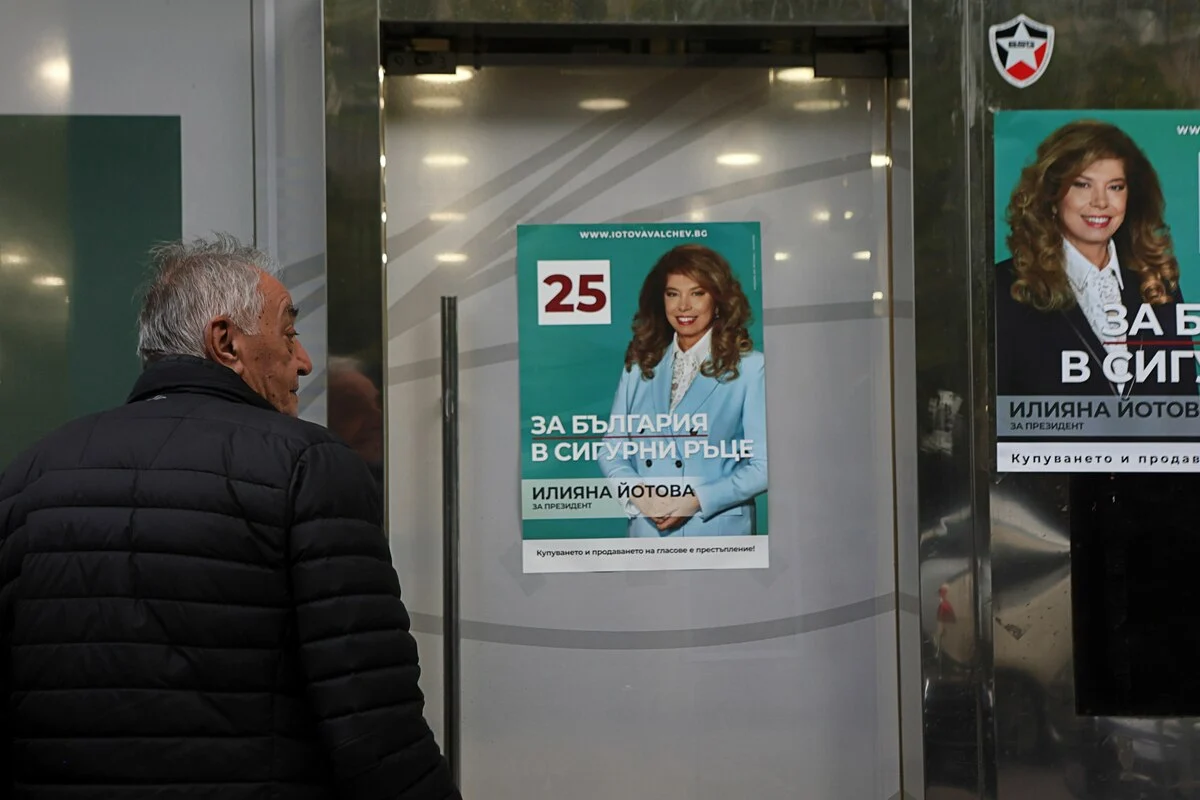
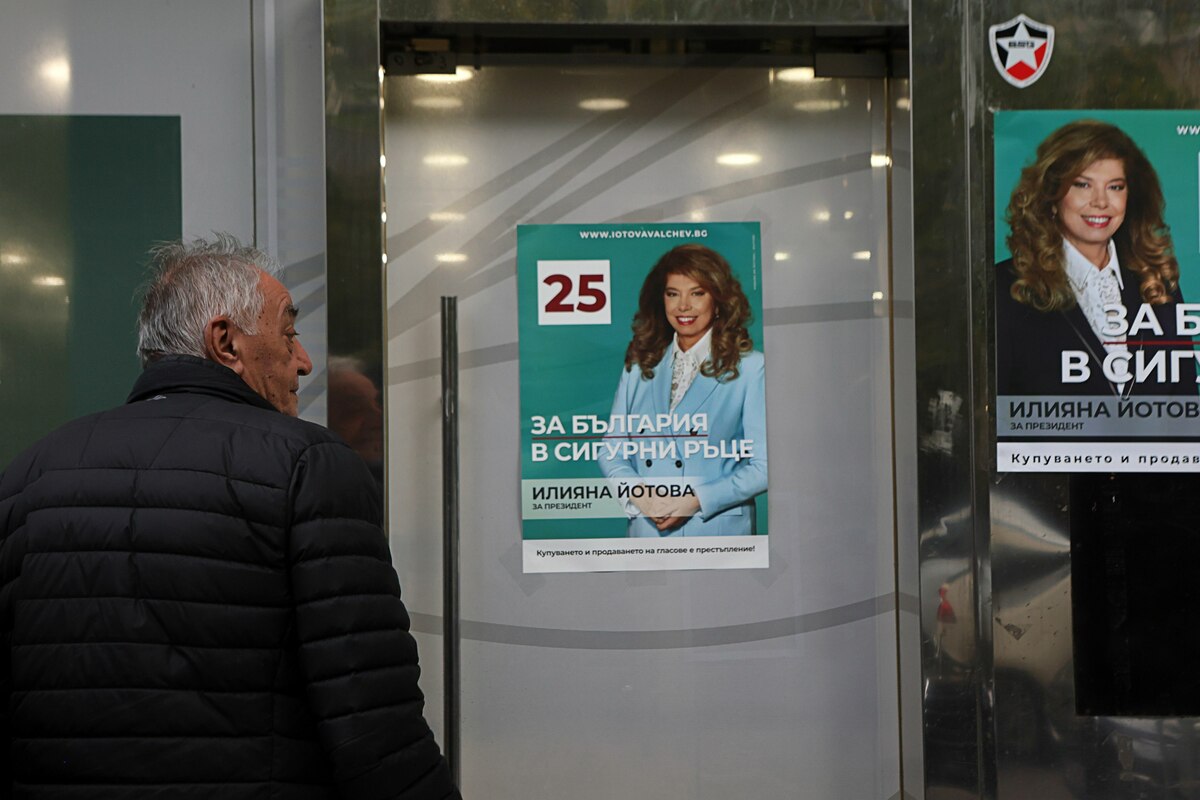
Sofia, Bulgaria – Bulgarians head to the polls this Sunday for a pivotal presidential election, with incumbent interim head of state Iliana Iotova poised to secure a dominant lead in the first round. The former Socialist and current interim president, known for her distinctly pro-Russia stance, is widely expected to emerge victorious, a development that carries significant implications for the European Union and NATO member state, particularly amidst escalating tensions in the Black Sea region. Her anticipated triumph underscores a deepening divide within Bulgarian society regarding its geopolitical orientation, challenging the nation’s commitment to its Western alliances.
Iotova, who assumed the interim presidency in January, is currently polling around 45 percent, signaling strong public backing. Her closest rival, Andrej Gyurow, a pro-European banker, trails significantly with an estimated 25 to 30 percent of the vote. The remaining field of over two dozen candidates is largely considered symbolic, unlikely to garner enough support to influence the outcome. Should no candidate secure more than 50 percent of the vote in the initial round, a runoff election will be held on November 1st, setting the stage for a decisive confrontation over Bulgaria’s future direction.
A Pivotal Election Amidst Geopolitical Tensions
The election takes place at a critical juncture for Bulgaria, a country geographically situated at the crossroads of Europe and Asia, with a complex history intertwined with both Western and Eastern powers. Its membership in the European Union and NATO formally anchors it to the West, yet deep-seated historical, cultural, and economic ties to Russia continue to exert considerable influence on its domestic politics and foreign policy. This internal tension is vividly reflected in the contrasting platforms of the leading candidates.
Iliana Iotova’s Ascendancy and Her "Peace Coalition"
Iliana Iotova’s political trajectory is deeply rooted in the Bulgarian Socialist Party (BSP), a political force historically associated with pro-Russian sentiments and a more skeptical view of Western integration. She served as Vice President alongside former President Rumen Radev, who, despite Bulgaria’s NATO membership, has frequently voiced positions that align with Russian narratives, particularly concerning the conflict in Ukraine. Iotova’s current interim presidency has seen her maintain a consistent course, advocating for a "coalition of peace" rather than a "coalition of the willing" in support of Ukraine.
Her campaign platform explicitly rejects the deployment of Bulgarian soldiers to Ukraine, echoing a parliamentary declaration that asserts Bulgarian troops will not participate in military operations on Ukrainian territory. This stance resonates with a segment of the Bulgarian electorate wary of foreign entanglements and susceptible to narratives emphasizing neutrality or non-intervention, often amplified by pro-Kremlin media. Iotova’s supporters view her as a defender of Bulgarian national interests, prioritizing peace and diplomacy over military confrontation, even if this means diverging from the consensus among EU and NATO allies.
Andrej Gyurow: The Pro-European Alternative
In stark contrast stands Andrej Gyurow, a former banker who briefly served as interim Prime Minister earlier this year. Gyurow represents a distinctly pro-European and pro-Western vision for Bulgaria, strongly advocating for continued support for Ukraine and robust integration with EU and NATO policies. He enjoys the backing of the "We Continue the Change" (PP) and "Democratic Bulgaria" (DB) parties, both of which champion anti-corruption reforms and a decisive break from perceived Russian influence.
Gyurow’s appeal is primarily concentrated among Bulgaria’s urban, liberal, and educated populace, who see the country’s future inextricably linked with democratic values, economic prosperity, and security guarantees offered by its Western partners. His campaign emphasizes transparency, rule of law, and a clear, unambiguous foreign policy aligned with European principles. For these voters, Iotova’s and Radev’s "strategic ambiguity" is not merely a diplomatic nuance but a dangerous flirtation with authoritarianism that threatens Bulgaria’s hard-won democratic gains and international standing.
The President’s Office: More Than Symbolic
While the Bulgarian presidency is largely considered a ceremonial role, its powers are far from negligible. The head of state serves as commander-in-chief of the armed forces, signs international treaties, and possesses the crucial ability to veto legislation passed by parliament. In the current volatile geopolitical climate, these prerogatives take on enhanced significance. A president aligned with a particular foreign policy orientation can significantly shape the country’s diplomatic agenda, influence defense strategies, and even obstruct legislative efforts that contradict their vision. This potential for presidential influence makes the current election a critical determinant of Bulgaria’s future strategic direction, particularly regarding its engagement with the war in Ukraine and its relationships within NATO and the EU.
Bulgaria’s Shifting Stance on Ukraine and Russia
The war in Ukraine has dramatically underscored the vulnerabilities and strategic importance of Black Sea littoral states like Bulgaria. Initially, the Bulgarian government, under the influence of figures like Rumen Radev and Iliana Iotova, maintained a cautious and often ambiguous position regarding direct military aid to Ukraine and participation in certain NATO initiatives.
The "Peace Coalition" Rhetoric and Its Implications
Iotova and her political allies have consistently articulated a preference for a "peace coalition" over a "coalition of the willing" when discussing international efforts concerning Ukraine. This rhetoric, while framed as a pursuit of diplomatic solutions, has often been interpreted by Western partners as a reluctance to fully commit to collective defense and solidarity against Russian aggression. Their argument against sending Bulgarian troops to Ukraine, citing existing parliamentary declarations, highlights a desire to remain outside direct military involvement, even as Russia’s aggression threatens regional stability.
From Skepticism to Urgent Action: The Black Sea Incidents
However, Bulgaria’s stance has been forcefully challenged by the increasingly proximate reality of the conflict. In a significant policy shift, Bulgaria had initially withdrawn from the "Coalition of the Willing" in July and rejected participation in NATO’s drone defense initiative. This position, however, became untenable following a series of alarming incidents in early October.
On October 6th and 13th, merchant vessels operating within, or just outside, Bulgaria’s exclusive economic zone in the Black Sea were targeted by drone attacks. These incidents, widely believed to be a consequence of Russia’s war and its targeting of Ukrainian grain exports, served as a stark reminder of the direct threat posed to Bulgarian sovereignty, maritime trade, and national security. The attacks underscored the dangerous spillover effects of the conflict, bringing the war literally to Bulgaria’s doorstep.

The response was immediate and decisive. Just one day after the second attack, Bulgarian Defense Minister Dimitar Stoyanov announced that Sofia would reverse its earlier decision and join NATO’s drone defense initiative by the end of October. This swift policy reversal highlighted the undeniable pressure exerted by the tangible threat and the realization that a posture of "strategic ambiguity" could no longer guarantee national security.
"Strategic Ambiguity" Under Scrutiny
The reactions of Iotova and her political patron, Rumen Radev (the former President), to these drone attacks further illuminated the complexities and contradictions of Bulgaria’s foreign policy.
Official Responses to Drone Attacks: A Lack of Clear Attribution
Following the first drone attack, Iliana Iotova promptly convened the National Security Council. However, the subsequent official statement conspicuously omitted any direct attribution of responsibility for the threat, carefully avoiding naming Russia as the perpetrator. This cautious approach was met with concern by those who advocate for a clearer, more assertive stance against Russian aggression.
After the second attack, Radev, who remains a highly influential figure in Bulgarian politics, also addressed the issue. While still refraining from direct accusation, his language was slightly more pointed: "We lack solid, unequivocal evidence to accuse a particular party. However, logic suggests that the outcome benefits Russia," he stated, subsequently summoning the Russian ambassador for an explanation. This nuanced response, while a slight departure from outright silence, still fell short of the unequivocal condemnation many of Bulgaria’s Western allies would expect.
Expert Analysis and Warnings
This pattern of "strategic ambiguity" has drawn sharp criticism from political analysts both within Bulgaria and internationally. Daniel Smilow, a prominent Bulgarian political scientist, articulated these concerns in a guest commentary for Deutsche Welle. He argued that "the escalation of the war by Russia and its aggressive actions on the territory of NATO member states require a unified Bulgarian stance." Smilow further warned that the "strategic ambiguity" displayed by Radev and Iotova regarding the war in Ukraine is increasingly becoming a "serious burden for Bulgaria." He elaborated: "Russia has declared us an enemy, while our partners in NATO and the EU are questioning our actual position. They might even consider us the weak link, significantly infiltrated by Russian influence."
These concerns are amplified by analyses from external observers. The Ukrainian website Ukrainska Pravda, for instance, published an analysis warning of the potential trajectory Bulgaria might take under Iotova’s leadership. It suggested that "a victory for the candidate of the ruling camp would enable Bulgaria to follow the path of Hungary under Viktor Orbán – characterized by increasing authoritarian tendencies, the protection of Russian interests, and anti-European campaigns." Conversely, the analysis noted, "a victory for the opposition candidate would not guarantee a rapid course correction for Bulgaria, but it would offer the chance for one in the not-too-distant future."

Historical Context of Russian Influence
The notion of Bulgaria as a "weak link" or a country susceptible to "Russian influence" is not new. Historically, Bulgaria has maintained strong cultural and religious ties with Russia, stemming from shared Orthodox Christian heritage and Russia’s role in liberating Bulgaria from Ottoman rule in the 19th century. In the post-communist era, this historical affinity has been exploited through various channels, including energy dependence (Bulgaria relies heavily on Russian gas and nuclear fuel), economic investments, media influence, and alleged intelligence activities. These factors have fostered a significant pro-Russian sentiment within certain segments of the population and political elite, making it challenging for governments to adopt a consistently firm stance against Moscow.
Public Sentiment and Future Prospects
Despite the strong poll numbers for Iliana Iotova, there are signs of growing discontent among the Bulgarian populace regarding the government’s perceived foreign policy drift.
Domestic Discontent and Small Protests
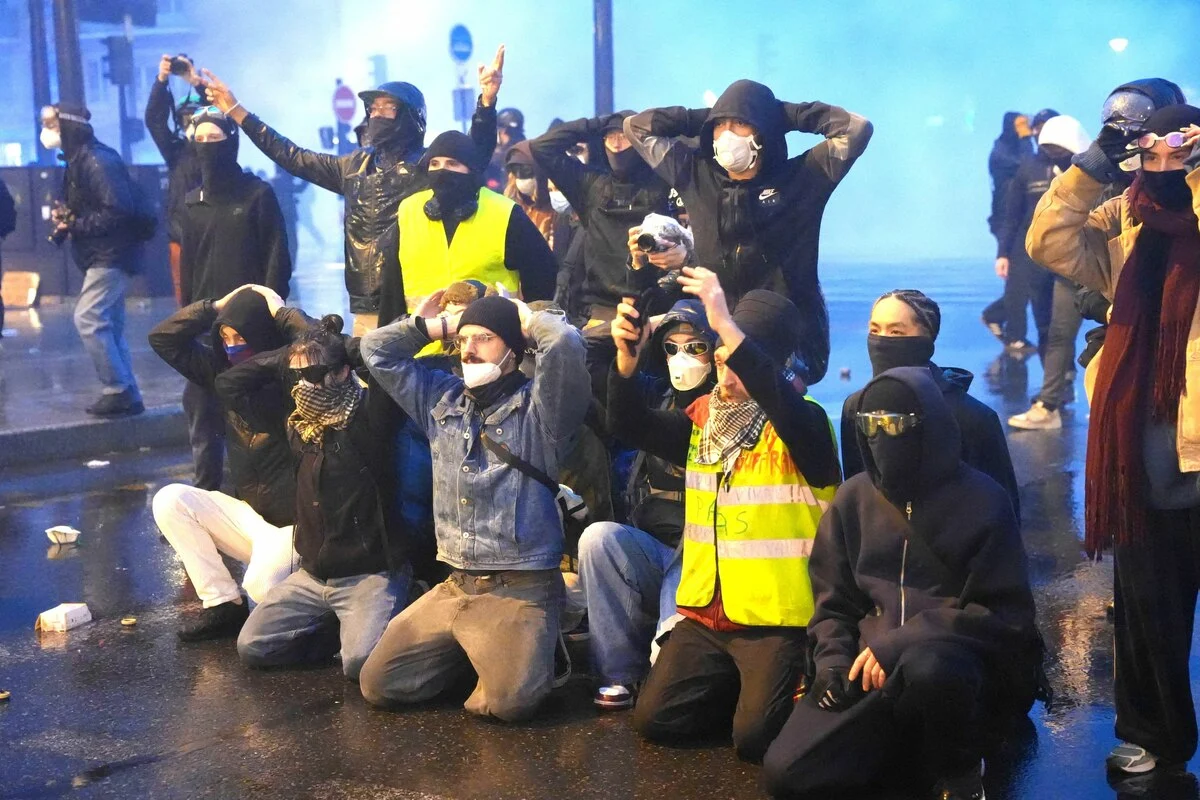
Several, albeit small, protests have taken place in the capital, Sofia, expressing opposition to what critics describe as the government’s "oscillating foreign policy" and its perceived softness towards Russia. While these demonstrations have not reached a scale to fundamentally alter the political landscape, they signify a vocal segment of society that demands a clear, pro-Western orientation. Observers note a slight decline in Iotova’s approval ratings, suggesting that the recent Black Sea incidents and the criticism of "strategic ambiguity" may be starting to erode some of her support.
The Runoff Scenario: A Decisive Choice
The question remains whether Andrej Gyurow, the pro-European challenger, can effectively capitalize on this shifting sentiment in the event of a runoff election. Gyurow’s support base, primarily composed of pro-European, liberal, and urban voters, may not be broad enough to overcome Iotova’s more widespread appeal among a population often swayed by nationalist and historically rooted narratives. The challenge for the pro-European forces will be to mobilize a larger electorate beyond their traditional base, articulating a compelling vision for Bulgaria’s future that addresses both security concerns and aspirations for prosperity within the EU framework.
The potential runoff would present Bulgarian voters with a stark choice between two fundamentally different visions for their country: one that seeks a more independent, arguably ambiguous, path balancing historical ties with current alliances, and another that firmly commits to a Euro-Atlantic future with clear geopolitical alignment.
Conclusion
Bulgaria’s presidential election is more than just a domestic political contest; it is a critical referendum on the nation’s geopolitical alignment at a time of unprecedented regional instability. Iliana Iotova’s anticipated victory, fueled by a platform that prioritizes a "peace coalition" and maintains a degree of "strategic ambiguity" towards Russia, underscores the enduring influence of historical ties and a desire for non-confrontation within Bulgarian society.

However, the recent drone attacks in the Black Sea have brought the realities of the war in Ukraine to Bulgaria’s doorstep, forcing a re-evaluation of its defense posture and highlighting the potential costs of an unclear foreign policy. The warnings from political analysts and international partners about the risks of becoming a "weak link" or following an "Orbán-esque" trajectory resonate deeply within the context of Bulgaria’s EU and NATO commitments.
As Bulgarians cast their votes, they are effectively choosing between two distinct futures: one that risks alienating key Western allies and potentially deepening Russian influence, and another that seeks to unequivocally solidify the country’s place within the Euro-Atlantic community. The outcome of this election, particularly if it necessitates a runoff, will define Bulgaria’s role in a rapidly changing Europe and determine its trajectory on the global stage for years to come.