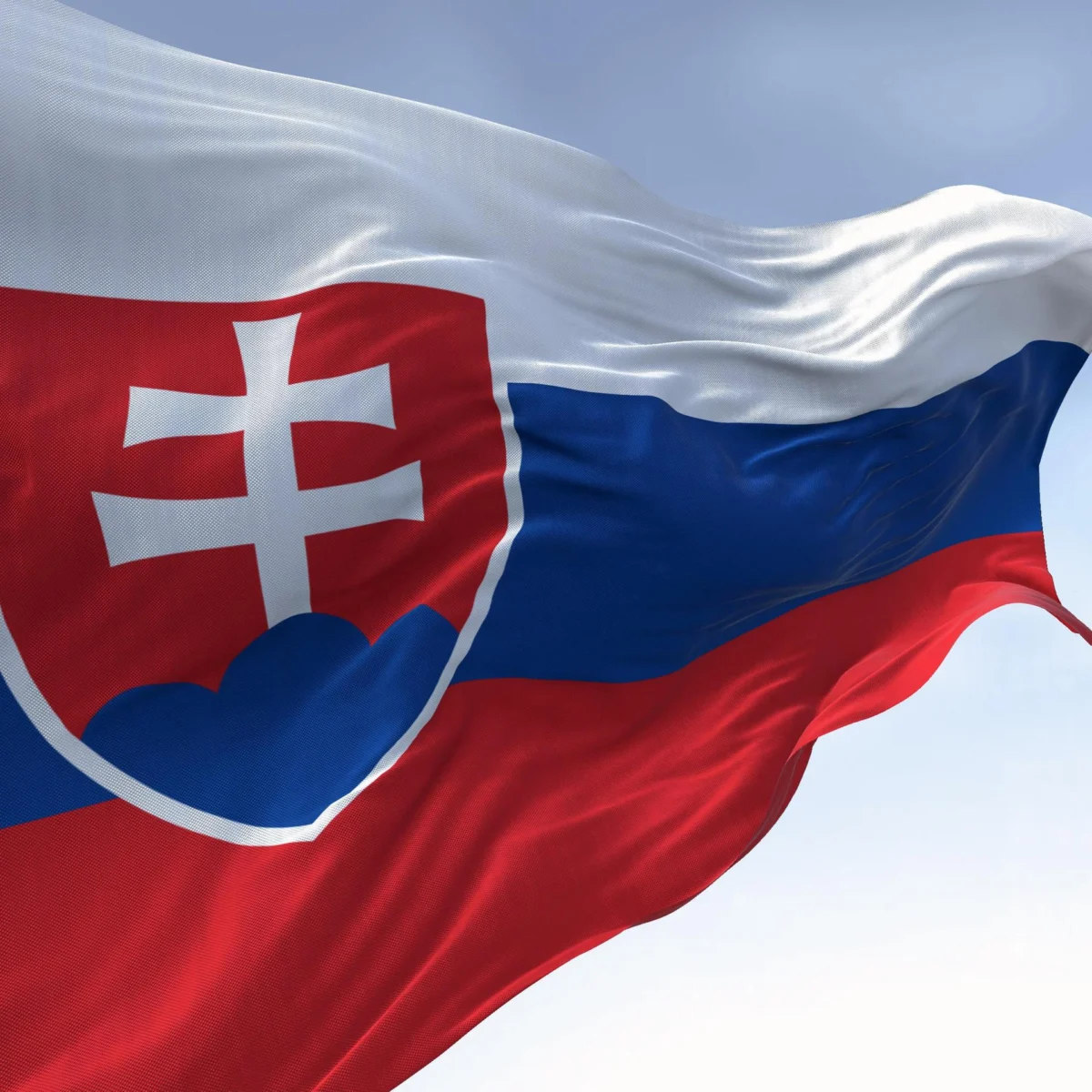
Bratislava, Slovakia – October 25, 2026 – Citizens across Slovakia headed to the polls today to cast their votes in the crucial regional and municipal elections, an exercise in local democracy that will shape governance from the smallest villages to the largest cities for the next four years. With polls now closed, the nation awaits the first indications of how the political landscape at the grassroots level has shifted, and what these results might signify for the central government led by the left-populist Prime Minister Robert Fico.
The elections, held simultaneously across the country, saw Slovaks elect new mayors, municipal councillors, regional presidents (governors), and regional assembly members. This dual electoral event is a significant democratic undertaking, directly impacting the daily lives of millions through decisions on local infrastructure, public services, education, healthcare, and environmental policies. While official projections remain elusive, partial results are anticipated to emerge in the late hours of the night, offering the first glimpse into the electorate’s choices.
The atmosphere throughout the day was one of cautious anticipation, reflecting the high stakes for both the ruling three-party coalition and the fragmented opposition. These local elections are often seen as a crucial barometer of public sentiment, providing a mid-term assessment of the national government’s performance and popularity. For Prime Minister Fico, whose government has navigated a complex domestic and international agenda since taking office, the outcomes will be closely watched for any shifts in political momentum.
Main Facts: A Dual Democratic Exercise
Slovakia’s regional and municipal elections represent a comprehensive overhaul of local and regional administrative leadership. Citizens were tasked with electing a diverse range of representatives:
- Mayors (Starostovia/Primátori): Directly elected in over 2,900 municipalities, including all cities and towns, these individuals are the chief executives of their respective local governments. Their responsibilities range from urban planning and waste management to local security and cultural initiatives.
- Municipal Councils (Mestské/Obecné zastupiteľstvá): Thousands of councillors were elected across the country, forming the legislative bodies of local governments. They approve budgets, ordinances, and oversee mayoral decisions, acting as the primary check on executive power at the local level.
- Regional Presidents (Predsedovia samosprávnych krajov): Known as "governors," these leaders head Slovakia’s eight self-governing regions (Nitra, Trnava, Trenčín, Žilina, Banská Bystrica, Prešov, Košice, and Bratislava). They are responsible for regional development, secondary education, social services, and regional road networks.
- Regional Assemblies (Zastupiteľstvá samosprávnych krajov): Composed of elected members, these assemblies approve regional budgets, strategic plans, and oversee the regional president’s administration, mirroring the function of municipal councils at a broader regional level.
The sheer scale of this electoral process, involving thousands of candidates and millions of voters across a multitude of distinct contests, underscores its democratic weight. Voter turnout, while historically lower in local elections compared to national polls, was a key focus, with political analysts keen to see if national political dynamics would galvanize or depress participation. Early indications suggested a moderate turnout, consistent with previous local elections but potentially influenced by the intensified national political discourse surrounding Fico’s government.
Chronology of the Electoral Process: From Campaign Trail to Ballot Box
The journey to Election Day 2026 was marked by months of intense campaigning, local debates, and strategic maneuvering by political parties and independent candidates alike.
The Campaign Trail: Local Issues, National Undercurrents
The pre-election period, spanning several months, saw candidates crisscrossing their constituencies, engaging with voters on issues that resonated most deeply at the local level. While national political figures often lent their support, the focus largely remained on tangible local concerns:
- Infrastructure Development: Promises of improved roads, bridges, public transport, and utility upgrades were central to many campaigns, particularly in developing regions.
- Public Services: Debates around the quality and accessibility of local healthcare facilities, schools, and social care provisions were prominent, reflecting citizen concerns about the delivery of essential services.
- Environmental Protection and Green Initiatives: As climate change and environmental degradation become increasingly pressing, candidates presented plans for sustainable urban development, waste management, and green spaces.
- Local Economic Growth: Strategies for attracting investment, supporting small businesses, and creating local jobs were key themes, especially in areas facing economic challenges.
- Transparency and Anti-Corruption: In a political landscape frequently scrutinised for corruption, many candidates, particularly independents and opposition figures, campaigned on platforms of greater transparency in local governance and responsible use of public funds.
Despite the local focus, the shadow of national politics loomed large. Prime Minister Fico’s governing coalition, comprising his left-populist Smer-SD party and its centre-left and nationalist partners, actively sought to leverage its national mandate, presenting its candidates as reliable partners for state support and stability. Opposition parties, conversely, framed the local elections as an opportunity for citizens to express discontent with the national government’s policies and leadership, advocating for a shift towards more liberal or pro-European local administrations. Social media played an increasingly dominant role, with candidates utilizing platforms to directly engage with voters, often leading to rapid-fire debates and the spread of campaign messages, both factual and controversial.
Election Day: A Nation Votes
On October 25, 2026, polling stations across Slovakia opened their doors at 7:00 AM, welcoming eligible voters. The voting process was generally reported to be smooth and orderly. Election commissions at municipal and regional levels oversaw the conduct of the polls, ensuring compliance with electoral laws.
- Voter Participation: Throughout the day, local media outlets and independent observers monitored turnout. While specific figures will only be released later, initial reports from various districts indicated a steady flow of voters, with peaks observed in the morning and late afternoon. Compared to the more politicized national elections, local polls often see a more diverse demographic participate, with a stronger emphasis on community ties and individual candidate reputations rather than purely party affiliation.
- Security and Oversight: Law enforcement maintained a presence near polling stations to ensure public order, though no significant incidents were reported. International observers, though not always as prominent in local elections as in national ones, may have been present in a limited capacity, contributing to the perceived fairness of the process.
- Media Coverage: National and local media provided continuous coverage, with live reports from key cities and towns, interviews with voters, and analysis from political commentators. The lack of official exit polls meant that much of the day’s commentary focused on anecdotal evidence and historical trends, building anticipation for the release of actual results.
The Waiting Game: Counting Begins
As polls closed at 10:00 PM, election commissions immediately commenced the laborious process of counting ballots. This decentralized process, carried out at thousands of individual polling stations, means that results trickle in gradually.
- Initial Unofficial Results: Without official nationwide exit polls, the first "results" often come from individual precincts reporting their tallies, or from candidates’ internal projections. These early indications, while unofficial, are closely watched by party headquarters and media outlets, offering an early, albeit incomplete, picture of trends.
- Challenges in Reporting: The complexity of counting ballots for multiple positions simultaneously, coupled with the need for meticulous verification, means that comprehensive results take time. The original report noted that "official projections are not available," emphasizing the wait for concrete numbers rather than speculative forecasts.
- Anticipation for the Night: Political analysts and the public braced for a long night, as the final outcomes for many closely contested races, particularly in larger cities and regions, might not be clear until the early hours of Monday, October 26, or even later.
Supporting Data and the National Political Landscape
These elections did not occur in a vacuum. They were deeply embedded in Slovakia’s current political climate, heavily influenced by the presence of Prime Minister Robert Fico’s government.
Historical Context and Voter Engagement
Slovakia has a robust history of local self-governance, with regular elections providing citizens a direct say in their communities. Historically, voter turnout for municipal and regional elections has fluctuated, typically ranging between 40-50%. This figure is often lower than parliamentary elections, reflecting a common trend in many democracies where national issues tend to draw greater attention. However, local races often feature a higher proportion of independent candidates, indicating a desire among voters to elect individuals based on their local commitment and competence rather than purely party affiliation. Previous local elections have seen a mix of outcomes, with no single party consistently dominating, leading to diverse political compositions in local councils and regional assemblies. This decentralised political power is a hallmark of Slovak democracy.
The Fico Government’s Shadow
Prime Minister Robert Fico, leading a three-party coalition, remains a dominant figure in Slovak politics. His "left-populist" label stems from a platform that typically combines:
- Social Welfare Policies: Emphasizing state support for vulnerable groups, pensions, and public services.
- National Sovereignty: A strong stance on protecting national interests, often expressed through skepticism towards certain EU policies or international agreements.
- Anti-Establishment Rhetoric: A tendency to challenge perceived elites, media, and liberal institutions, often appealing to a sense of national pride and traditional values.
- Strong Leadership: A focus on decisive governance and order.
His government, which assumed power following a general election, has faced both domestic challenges (e.g., economic pressures, judicial reforms, media scrutiny) and international complexities (e.g., relations with the EU, the conflict in Ukraine, energy security). These national debates inevitably seep into local campaigns, with candidates either aligning themselves with the government’s agenda or positioning themselves as a local counterweight. For Fico’s Smer-SD party and its coalition partners (hypothetically, a centre-left party like Hlas-SD and a nationalist party like SNS), securing strong results in these local elections would be interpreted as a validation of their national policies and an endorsement of their governance style. A poor showing, conversely, could signal public dissatisfaction and potentially trigger internal tensions within the coalition.
Opposition’s Challenge
The Slovak opposition, primarily composed of pro-European, liberal, and conservative parties (e.g., Progressive Slovakia, Christian Democrats, Freedom and Solidarity), views these local elections as a critical battleground. Having been sidelined at the national level, a strong performance in municipalities and regions could provide them with:
- A Platform for Future National Elections: Gaining control of key cities and regions offers a visible base for implementing alternative policies and demonstrating effective governance.
- Renewed Momentum: Local victories can energize party activists, attract new members, and boost public confidence ahead of the next general election.
- Checks and Balances: Local opposition strongholds can act as a crucial check on the power of the national government, particularly in areas like urban development, cultural policy, and public procurement.
The opposition’s strategy often involved forming broad coalitions at the local level, uniting diverse ideological groups against the candidates backed by the national ruling parties. Their campaigns frequently highlighted local autonomy, European values, and transparent governance, contrasting with what they often portray as the national government’s centralizing tendencies and populist rhetoric.
Key Electoral Issues: Beyond National Headlines
While national politics provided a backdrop, the core of these elections revolved around practical issues affecting citizens’ daily lives.
- Public Transport: The state of local and regional public transport networks, fare policies, and investment in modern infrastructure were hot topics, especially in urban areas and commuter belts.
- Healthcare Access: Despite being largely a national competency, local governments play a role in supporting local clinics, ambulance services, and senior care facilities. Debates often focused on ensuring adequate access to healthcare professionals and services.
- Education: While primary and secondary education funding comes from the state, municipalities and regions manage school buildings, equipment, and local educational initiatives. The quality of local schools and availability of kindergarten places were significant concerns for many families.
- Waste Management and Environmental Concerns: From recycling programs to air quality and green spaces, local environmental policies directly impact residents. Candidates offered varied approaches to these critical issues.
- Corruption and Transparency: Perceptions of corruption at any level of government deeply affect public trust. Many candidates campaigned on promises of greater accountability, open tenders, and citizen participation in decision-making.
Official Responses and Initial Reactions
As of the conclusion of polling, official responses were measured, awaiting the painstaking process of vote counting.
Election Commission’s Stance
The Central Election Commission and its regional counterparts maintained a strictly professional and procedural stance. Their primary communication focused on the smooth conduct of the elections, voter participation protocols, and the timeline for the release of official results. Statements reiterated the commission’s commitment to ensuring a fair and transparent process, urging patience as the thousands of ballots were meticulously tallied. They confirmed that no major irregularities or incidents that could compromise the integrity of the vote had been reported nationwide.
Political Parties’ Early Assessments
Despite the absence of official projections, political parties typically deploy their own internal polling and early-count tracking systems.
- Governing Coalition’s Optimism: Representatives from Prime Minister Fico’s Smer-SD and its coalition partners were expected to express cautious optimism, highlighting their perceived strong connection with local communities and the benefits of aligning with the national government. They would likely emphasize the stability and experience their candidates offer. Any early positive signs would be quickly spun as a mandate for the national government’s direction.
- Opposition’s Hope for Change: Opposition leaders, conversely, would be quick to point to any signs of discontent with the national government reflected in the local results. They would likely underscore the importance of local autonomy and the need for fresh perspectives in governance, particularly in urban centres where they often have stronger support. Early positive results for opposition-backed candidates would be hailed as a signal of a broader desire for change across the country.
However, given the official report stating "no official projections," any public statements from parties immediately after polls close would be based on anecdotal evidence or internal, preliminary data, rather than definitive outcomes. The true reactions will only come once significant portions of the results have been announced.
Implications for Slovakia’s Political Future
The outcomes of the 2026 regional and municipal elections carry significant weight, extending far beyond the confines of local administration. They will undoubtedly have profound implications for the national political landscape, the Fico government, the opposition, and Slovakia’s trajectory within the European Union.
Impact on the Fico Coalition
For Prime Minister Robert Fico and his three-party coalition, these elections represent a critical mid-term report card.
- Strengthened Mandate: A strong showing, particularly in rural areas and smaller towns where Smer-SD traditionally enjoys robust support, would significantly bolster Fico’s position. It would allow him to claim a renewed mandate for his national policies, potentially emboldening his government to pursue its agenda more assertively, both domestically and on the international stage. This could lead to a consolidation of power, making it harder for the opposition to challenge his administration effectively.
- Weakened Position and Internal Tensions: Conversely, if the coalition-backed candidates perform poorly, especially in key cities or regions, it could signal growing public discontent. This might lead to increased internal pressures within the coalition, potentially forcing Fico to moderate some of his policies or even consider cabinet reshuffles to appease disillusioned voters. A significant loss of local influence could also make national governance more challenging, as local administrations might be less cooperative with central government initiatives.
- Policy Adjustments: Regardless of the exact outcome, the results will provide valuable feedback on which policies resonate with the public and which do not. This could prompt the government to recalibrate its approach on issues like social spending, regional development, or even its rhetoric regarding the EU.
Opposition’s Path Forward
For the fragmented Slovak opposition, these elections are a pivotal moment to regroup and build momentum.
- Springboard for National Elections: Victories in major cities or key regions would provide the opposition with a tangible platform to demonstrate their governance capabilities. It would allow them to showcase alternative policies, build public trust, and gain valuable experience in administration, all crucial for future national election campaigns. Such successes could also attract new voters and donors, invigorating their political machinery.
- Setback and Introspection: A poor performance, however, could lead to further introspection and potentially leadership challenges within opposition parties. It might force them to re-evaluate their strategies, messaging, and internal cohesion, especially if they fail to capitalize on any existing dissatisfaction with the national government.
- Coalition Building: The local elections often serve as a testing ground for broader political alliances. Successful local coalitions between different opposition parties could pave the way for more unified fronts in future national elections, a critical step for an often-divided opposition.
Local Governance and Public Services
Irrespective of national political implications, the most direct impact will be on the day-to-day lives of Slovak citizens through their local and regional governments.
- Policy Implementation: Newly elected mayors, governors, and councillors will be tasked with implementing their campaign promises, ranging from infrastructure projects to social programs. The political composition of local councils and regional assemblies will determine the ease with which these policies can be passed and executed.
- Budgetary Decisions: Local and regional leaders will control significant budgets, influencing how public funds are allocated for schools, hospitals, public transport, cultural events, and environmental initiatives. The election outcomes will shape spending priorities and potentially the efficiency and transparency of public procurement.
- Regional Development: The vision of regional presidents will be crucial for attracting investment, developing regional economic strategies, and utilizing EU structural funds effectively. Different political leadership could lead to divergent development paths for Slovakia’s diverse regions.
Slovakia’s European Trajectory
While local elections are primarily domestic, they can subtly influence a nation’s broader foreign policy and its relationship with the European Union, especially in a country like Slovakia, which has seen shifts in its stance under different governments.
- Reinforced National Sovereignty Agenda: If Fico’s coalition performs well, it could be seen as public support for his government’s often more critical or assertive stance towards Brussels, potentially reinforcing policies emphasizing national sovereignty over deeper European integration.
- Pro-European Counterbalance: Conversely, strong results for pro-European opposition parties in key urban centers could create a domestic counterbalance, advocating for greater engagement with EU initiatives and liberal democratic values at the local level, even if national policy remains different. This could lead to interesting dynamics where cities pursue distinct European agendas from the national government.
Looking Ahead to General Elections
Ultimately, these regional and municipal elections serve as a vital political barometer. They provide an early indication of public mood, identify rising political stars, and highlight key issues that resonate with voters. The results will be meticulously analyzed by all political actors as they begin to strategize for the next general election. Whether they consolidate the power of the incumbent national government or energize a resurgent opposition, the outcomes of October 25, 2026, will undeniably cast a long shadow over Slovakia’s political future. The nation now holds its breath for the final tallies, eager to understand the evolving democratic landscape.