In the eastern outskirts of Halle, Germany, lies a 6,000-square-meter patch of land that serves as a silent, steadfast witness to history. Since 1878, this unassuming field has endured the fall of the German Empire, the turbulence of the Weimar Republic, the horrors of the Nazi dictatorship, the division of the Cold War, and the reunification of Germany. Known as the "Ewiger Roggen" (Eternal Rye), this site is the oldest continuous field experiment in Germany and the second-oldest in the world, surpassed only by the Broadbalk experiment in Rothamsted, England.
For nearly 150 years, this plot has been managed with unwavering consistency, providing an unparalleled longitudinal dataset on the interactions between soil fertility, fertilization techniques, climate change, and crop health. Today, under the stewardship of the Martin-Luther-University Halle-Wittenberg (MLU), the site is not merely a farm; it is a living, breathing archive of agricultural science that continues to challenge our understanding of modern cultivation.
The Architecture of Consistency: A Legacy of Precision
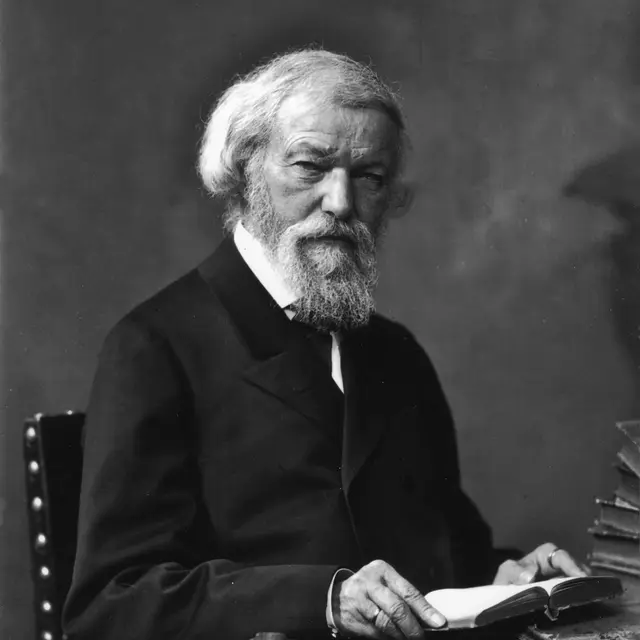
The "Eternal Rye" experiment was established by Julius Kühn, who in 1862 became Germany’s first professor of agriculture. Driven by the burning scientific debates of his era—specifically, whether plants could thrive on mineral fertilizers or if animal manure was essential—Kühn purchased the land himself to ensure the experiment would remain free from interference.
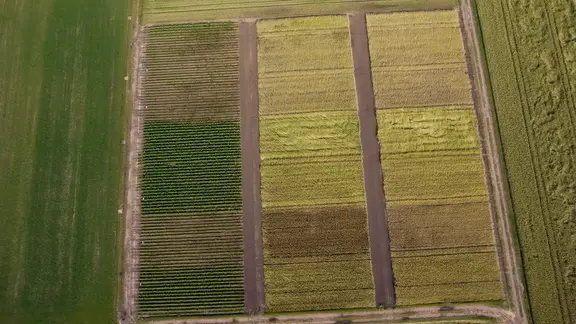
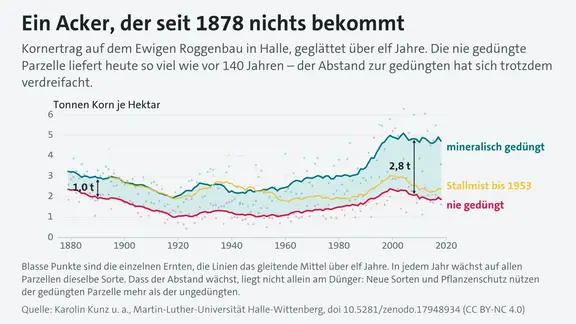
The design is deceptively simple: the field is divided into distinct plots. Since the late 19th century, each plot has been subjected to a strict, unchanging regime. One receives only farmyard manure; another is treated with mineral fertilizers; a third receives a combination of both; and, perhaps most strikingly, one receives nothing at all.
This rigid adherence to the original protocol is what gives the experiment its immense value. In a world where agricultural practices evolve rapidly, the "Eternal Rye" provides a "control" that has existed through almost every major shift in human history. Every autumn, winter rye is sown; every summer, it is harvested. Every harvest, every soil sample, and every measurement has been recorded, originally in handwritten ledgers and now in a vast, newly digitized database that was made publicly available in September 2026.
Chronology of a Scientific Landmark
The survival of the experiment has been anything but guaranteed. Over the last century and a half, the project has faced numerous existential threats, from the devastation of two World Wars to the economic instability of the post-war era.
- 1878: Foundation of the experiment by Julius Kühn to settle the dispute regarding organic versus mineral fertilization.
- 1900–1945: The experiment survives the political upheavals of the early 20th century, largely due to the dedication of local agricultural researchers who viewed the site as a national treasure.
- 1953: The final application of stall manure occurs on specific plots, creating a unique "legacy" study to observe how long soil retains nutrients once external input ceases.
- 2007: The entire research station is officially placed under state monument protection. This legal status has been crucial, shielding the land from real estate developers and budget cuts that have threatened to claim the site over the decades.
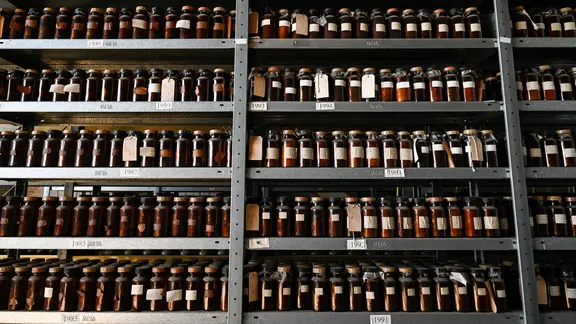
- 2023–2026: A critical infrastructure crisis emerges when an aging, structurally unstable barn—housing thousands of precious, decades-old glass sample bottles—risks collapsing. The subsequent rescue mission sees a massive effort to clean, re-label, and digitize nearly 150 years of soil and plant history.
Unlocking the Soil’s "Memory"
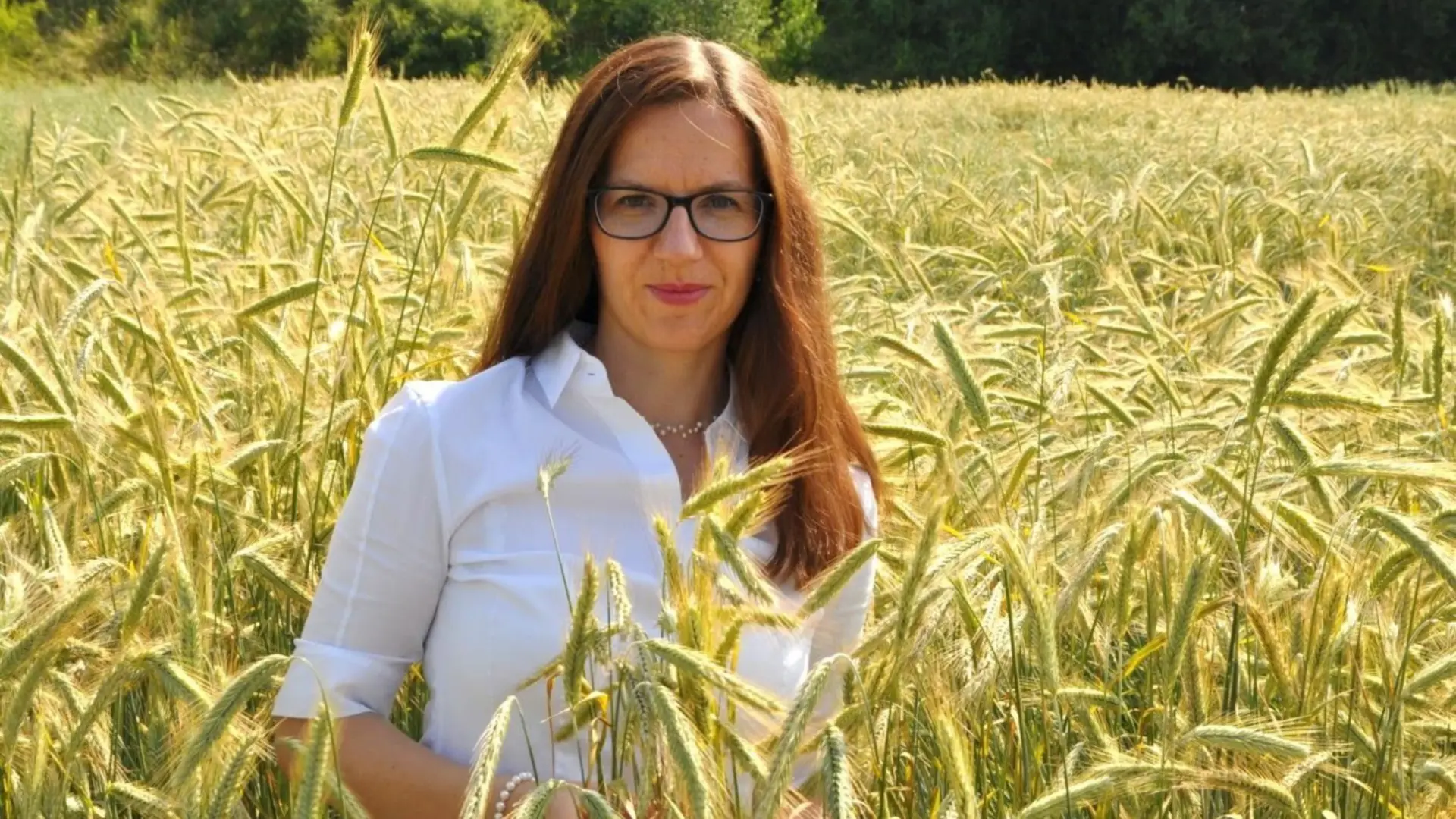
The recent archival work, led by Professor Janna Macholdt of the MLU, has revealed the site’s true potential. By analyzing the stored samples using modern genomic and chemical techniques, researchers are able to answer questions that were beyond the scope of 19th-century science.
One of the most fascinating aspects is the "memory" of the soil. The plot that received manure until 1953 but has remained untouched since continues to yield more than the plot that has never been fertilized. After 70 years of "doing nothing," the soil is still processing the nutrients and biological activity imparted to it decades ago.
"The soil has a very strong memory," says Professor Macholdt. Her team is currently conducting microbiome analysis on fresh soil samples to see how the bacterial and fungal communities differ across the various plots. The hypothesis is that the long-term management styles have cultivated distinct biological profiles that govern how the land reacts to modern environmental stressors.
Climate Change and the "Shutdown" Response
The site’s integrated weather station, which has recorded temperature, precipitation, and sunlight levels at the exact same location since 1878, provides a high-resolution window into the realities of climate change. The data shows a doubling of days exceeding 30 degrees Celsius (86 degrees Fahrenheit) over the last three decades.
The impact on the rye is stark. During periods of extreme heat, the plant enters a state of "shutdown"—a physiological stress response where photosynthesis halts. "After this stress event, the plant must first regenerate and recover before it can continue to store energy," explains Macholdt. The yield lost during these days of "shock" is rarely, if ever, regained.
Furthermore, the research indicates that the "best-fertilized" plots often suffer the most during severe droughts. While it seems counterintuitive, plants that have been optimized for high growth rates are less resilient to environmental limitations. In contrast, plots treated with organic manure—which helps the soil retain moisture—act as a natural buffer, suggesting that sustainable, traditional methods may hold keys to climate adaptation.
Official Perspectives and Future Implications
The preservation of the "Eternal Rye" is a collaborative effort between the academic community and the state of Saxony-Anhalt. By categorizing the field as a monument, the state has recognized that the value of the research transcends current financial cycles.
However, the challenges persist. The site requires constant funding for specialized staff and modern technology, such as spectral-imaging drones and subterranean moisture sensors. Despite these hurdles, the research team is committed to the long-term viability of the project.
The implications of this data are profound for global agriculture. As the world faces the dual challenges of a growing population and an increasingly unstable climate, the "Eternal Rye" demonstrates that the secret to future food security may lie in our past. The ability of the soil to store carbon, the resilience of specific microbial communities, and the long-term effects of various fertilization strategies are all critical components in the race to develop more sustainable farming models.
Conclusion: A Living Laboratory
Julius Kühn would likely be astonished to see his field being monitored by satellite-linked sensors and genetic sequencing. Yet, the core mission remains the same: to observe, to record, and to understand. The "Eternal Rye" is more than just a historical relic; it is a vital tool for scientific forecasting.
As the digital era brings this massive dataset to the global scientific community, the "Eternal Rye" enters a new chapter. It serves as a reminder that science requires patience. In an age of instant gratification, the 150-year-old experiment stands as a testament to the fact that some truths—about the earth, the climate, and our food—can only be revealed if we have the discipline to wait, watch, and protect the soil beneath our feet.