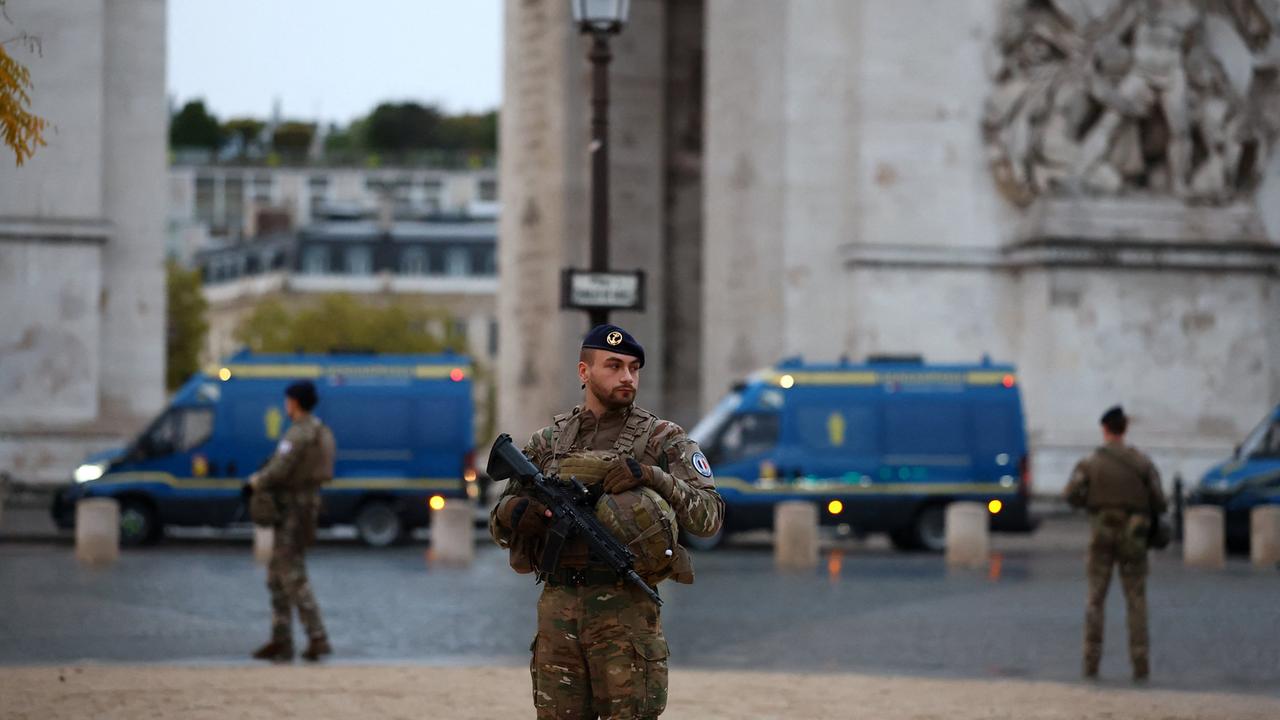
Paris, France – October 24, 2026 – France is experiencing a day of widespread public unrest, with large-scale demonstrations erupting across the country just one week after significant riots shook several cities. As of early afternoon, authorities reported over 100 arrests, underscoring the volatile atmosphere and the immense security challenge facing the nation. A staggering 70,000 law enforcement officers have been deployed nationwide to maintain order and prevent a recurrence of last weekend’s destructive events.
The current wave of protests, which began with students advocating for improved school resources, has broadened to encompass a wider range of grievances, including the soaring cost of living. The government’s response has been a mix of stringent security measures, including localized assembly bans and curfews, alongside attempts to de-escalate tensions. Meanwhile, the nation’s political landscape is also in focus, with the far-right Rassemblement National (RN) holding its national congress in Orléans, drawing significant counter-demonstrations.
Main Facts: A Nation Under Strain
The day’s events unfolded with a significant law enforcement presence across France. The Ministry of the Interior confirmed that by 1 p.m., 135 individuals had been arrested nationwide. Minister Laurent Nuñez stated that the initial hours of the protest day had been largely devoid of major incidents, a testament to the precautionary measures implemented. The Paris region alone saw over 1,000 checks, leading to the confiscation of various potentially dangerous items, including boules, slingshots, and a replica airsoft gun. Minister Nuñez described these controls as "extremely productive" but cautioned that the day was far from over and that vigilance remained paramount.
Compared to the previous Saturday, the turnout for demonstrations appeared to be lower. Minister Nuñez reported approximately 35,000 people in public spaces by early afternoon, a notable decrease from the 60,000 recorded at the same time the previous week. This reduction was attributed, in part, to the significantly reinforced police presence, with the deployment of 70,000 officers aimed at deterring large gatherings and potential unrest.
Chronology of a Tense Day
Morning (Pre-Protest Preparations and Initial Detentions):
The day commenced with a heightened state of alert. Security forces conducted widespread checks and initiated targeted operations to preemptively disrupt any planned acts of violence or vandalism. The early arrests primarily stemmed from individuals found in possession of prohibited items or those attempting to gather in restricted zones.
Midday (Ministerial Briefings and Security Operations):
As protests began to coalesce, Minister Laurent Nuñez provided updates on the security situation. His statements highlighted the proactive nature of the security forces and the effectiveness of the implemented measures in controlling potential flashpoints. The confiscation of various items in Paris served as a tangible indicator of the authorities’ efforts to disarm potential troublemakers.
Afternoon (Large-Scale Demonstrations and Political Developments):
The afternoon saw the commencement of major demonstration marches in various cities. Simultaneously, the political spotlight turned to Orléans, where the Rassemblement National’s national congress was underway, attracting a significant number of counter-protesters. The day’s events were thus shaped by both grassroots dissent and high-profile political maneuvering.
Supporting Data and Security Measures
The scale of the security operation is unprecedented, with 70,000 officers deployed across the nation. This massive deployment includes not only regular police but also gendarmerie units and specialized forces, indicating the government’s determination to prevent a repeat of the widespread looting and destruction that characterized the previous weekend.
Key Security Measures:
- Assembly Bans: In numerous cities, authorities have imposed bans on public gatherings in specific zones deemed at high risk of violence or vandalism. These measures are a direct response to the chaotic scenes witnessed in the past week.
- Curfews: In some areas, curfews have been implemented to restrict movement during nighttime hours, further aiming to prevent spontaneous gatherings and potential escalation of unrest.
- Increased Patrols: A highly visible police presence is evident in city centers, public transportation hubs, and areas known to be potential targets for protests or vandalism.
- Intelligence Gathering: Security services are reportedly working around the clock to monitor social media and intelligence networks to anticipate and neutralize potential threats.
The confiscation of items such as boules, slingshots, and replica weapons underscores the authorities’ concern about individuals intending to cause harm or disrupt public order. Minister Nuñez’s emphasis on the "productive" nature of these checks suggests a strategic focus on disrupting the material capacity of potential rioters.
Official Responses and Government Stance
Minister of the Interior Laurent Nuñez has been the primary public face of the government’s response. His statements have consistently emphasized a dual approach of maintaining order while acknowledging the legitimate grievances of some protesters.
"We remain extremely cautious and are still far from the end of the day," Nuñez stated, reflecting the ongoing tension and the government’s awareness that the situation could escalate. He reiterated the importance of organized demonstrations accompanied by stewards, provided they do not occur in areas prone to vandalism or public disorder. This stance aims to differentiate between peaceful protest and disruptive behavior.
The government’s strategy appears to be one of firm control, deterring widespread disorder through a significant security presence, while also signaling a willingness to engage with legitimate concerns. The reduction in protest numbers compared to the previous week could be interpreted as a partial success of these deterrent measures. However, the underlying causes of the widespread discontent – encompassing educational funding and economic hardship – remain unresolved, suggesting that the current protests may be a symptom of deeper societal issues.
Implications and Future Outlook
The current wave of protests and the government’s robust response carry significant implications for France’s social and political fabric.
Social Cohesion: The recurring unrest highlights deep-seated divisions and frustrations within French society. The government faces the challenge of addressing these underlying issues to foster greater social cohesion and prevent future outbreaks of violence. The broadening of protest causes, from student concerns to broader economic grievances, suggests a growing sense of collective dissatisfaction.
Political Landscape: The timing of the Rassemblement National’s national congress in Orléans is significant. The party, which has seen a surge in popularity, is seeking to capitalize on the current climate of discontent. The large counter-demonstrations underscore the strong opposition to the RN’s platform and highlight the polarized political environment. Marine Le Pen’s impending speech, intended to officially launch her presidential campaign, will be closely watched for its messaging and its potential impact on the national discourse.
Economic Strain: The protests’ focus on the cost of living points to the economic pressures many French citizens are facing. Addressing inflation, ensuring affordable living standards, and providing adequate social support will be crucial for long-term stability. The government’s ability to implement effective economic policies will be a key factor in mitigating future social unrest.
Security and Civil Liberties: The extensive deployment of security forces and the implementation of assembly bans raise questions about the balance between public safety and civil liberties. While necessary in the short term to prevent violence, sustained reliance on such measures could lead to concerns about the erosion of democratic freedoms.
France is at a critical juncture. The events of the past week and the ongoing demonstrations underscore the need for comprehensive solutions that address both the immediate symptoms of unrest and the deeper societal and economic challenges. The coming days and weeks will be crucial in determining whether France can navigate this period of heightened tension and move towards a more stable and equitable future. The government’s ability to engage constructively with its citizens, coupled with effective policy interventions, will be paramount in restoring confidence and fostering a sense of shared purpose.