By MDR Science Desk
Updated: October 13, 2026
In an era defined by rapid geopolitical shifts and the increasing urgency of scientific sovereignty, the collaboration between Germany and Poland has emerged as a cornerstone of European research stability. Last week, Berlin hosted the fifth Polish-German Science Meeting, a pivotal gathering of 15 leading research institutions aimed at cementing the cross-border scientific alliance. Organized by the German Research Foundation (DFG) in tandem with the Foundation for Polish Science (FNP) and the National Science Centre (NCN), the event served as a high-level forum to address the intersection of innovation, security, and institutional resilience.
1. Main Facts: A Strategic Alliance
The conference, which brought together top-tier academic leaders and policymakers, was designed to bridge the gap between national research agendas and collective European goals. At its core, the gathering sought to address the "resilience of science" in the face of modern challenges—ranging from the erosion of democratic norms to the vulnerabilities inherent in global supply chains and technological dependencies.
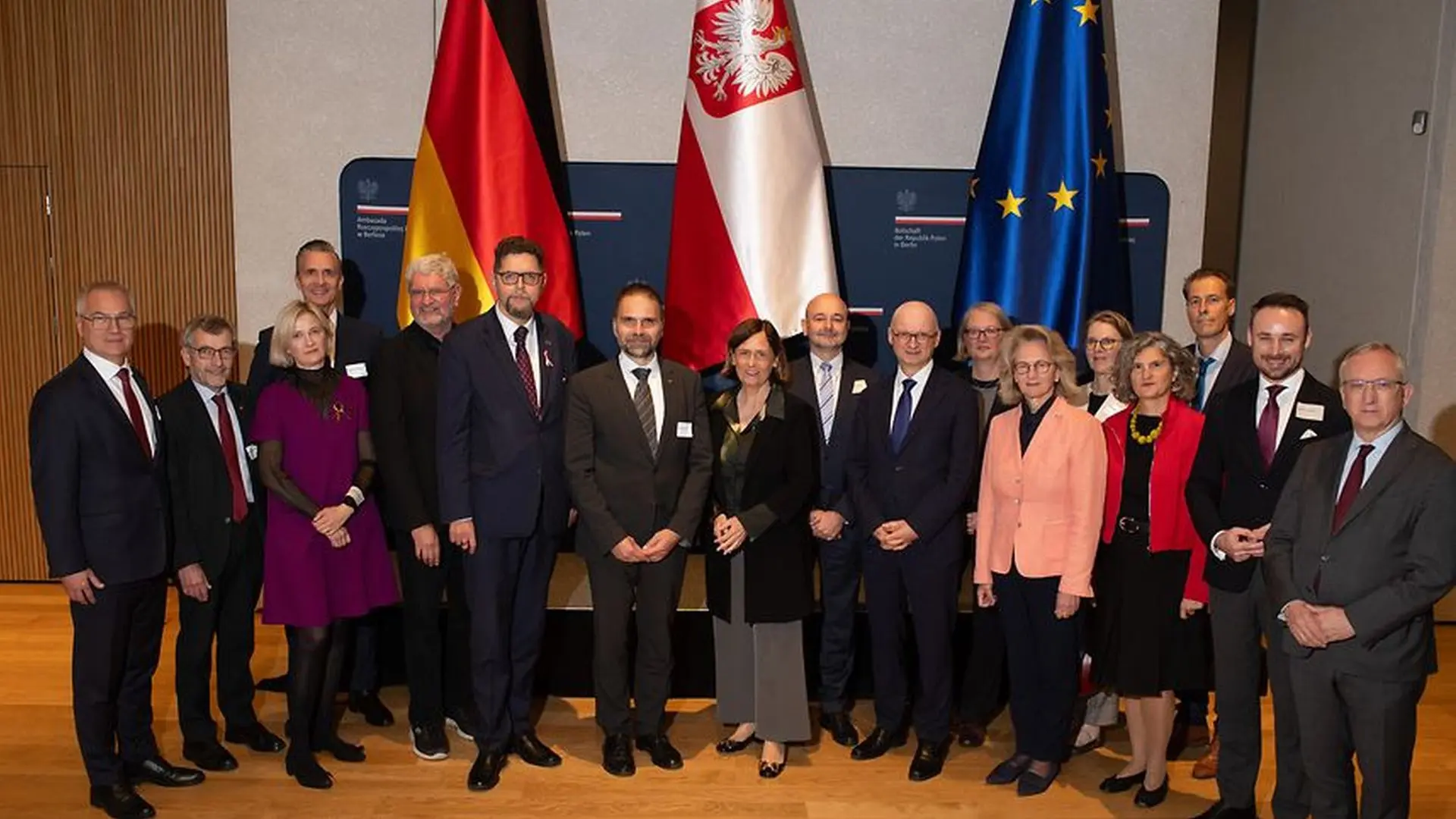
The participating institutions focused on the necessity of maintaining open channels of inquiry while simultaneously navigating the risks posed by sensitive, dual-use technologies. By fostering a shared understanding of scientific integrity, the organizers aim to create a model of cooperation that can be emulated across other EU member states.
2. Chronology of Cooperation
The Polish-German science partnership has evolved significantly since its formal inception. While informal academic exchanges have occurred for decades, the current series of formal Science Meetings began in 2017, establishing a biennial rhythm that has allowed for consistent, long-term strategic planning.
- 2017: The inaugural meeting sets the framework for joint funding initiatives and mobility grants for early-career researchers.
- 2019–2021: Focus shifts toward digitalization and the integration of research infrastructures, despite the disruptions caused by the global pandemic.
- 2023: Deepening of ties in response to the war in Ukraine, with an increased focus on supporting displaced Ukrainian researchers.
- 2026 (The Current Meeting): The fifth installment centers on "Geopolitical Resilience," marking a shift from purely academic cooperation to a broader, security-conscious framework for scientific advancement.
The next milestone is already set: the sixth Polish-German Science Meeting is scheduled for 2028, underscoring the long-term commitment of both nations to this bilateral structure.
3. Supporting Data and Scientific Context
The collaboration is not merely symbolic. Current data suggests that the integration of German and Polish research networks has led to a significant uptick in co-authored publications in fields such as quantum computing, material sciences, and renewable energy.
However, the "resilience" discussed in Berlin refers to more than just research output. It encompasses the ability of institutions to withstand external pressures, such as cyber threats, attempts at intellectual property theft, and the politicization of academic freedom. Experts at the conference highlighted that Poland and Germany, as neighbors in the heart of Europe, possess a unique synergy: Germany’s extensive laboratory infrastructure and historical research depth combined with Poland’s rapid growth in high-tech innovation and digital transformation.
4. Official Responses and Institutional Vision
The tone of the conference was set by DFG President Katja Becker, who emphasized the complexity of the current landscape.

"For quite some time now, we have observed that science exists within a field of tension between global opportunities, geopolitical risks, and societal resilience," Becker noted during her opening remarks. She underscored that while the pursuit of knowledge should remain borderless, it cannot be blind to the realities of global power dynamics. "It is essential that we protect academic freedom and our shared values while remaining acutely aware of the dangers associated with cross-border scientific and technological cooperation."
Krzysztof Jóźwiak, Director of the National Science Centre (NCN), echoed these sentiments, highlighting the moral and strategic imperative of the partnership. "As neighboring countries in the heart of Europe, both play a key role in promoting cohesion within the European Union," Jóźwiak stated. He further noted that the institutions are committed to the ongoing support of the Ukrainian scientific community, viewing it as a vital element in upholding the stability of the European scientific ecosystem.
5. Implications for the Future
The implications of the Berlin meeting extend far beyond the participating 15 institutions. As the European Union faces internal and external challenges, the German-Polish axis serves as a barometer for the health of the broader European Research Area (ERA).
Strengthening the Eastern Flank
For Poland, the partnership represents a crucial step in elevating its research profile within the EU, ensuring that its scientists have seamless access to the funding mechanisms and collaborative networks historically dominated by Western European institutions. For Germany, the partnership provides a reliable, values-aligned partner at a time when traditional scientific collaborations with other global powers are becoming increasingly fraught with security concerns.
Addressing the "Skills Gap" and Talent Retention
A significant portion of the discussions in Berlin touched upon the "brain drain" phenomenon. By creating a unified, high-quality research space, Germany and Poland hope to retain the best minds in Europe, preventing the migration of top-tier talent to non-European entities. The commitment to joint PhD programs and cross-institutional post-doctoral placements is a direct response to this challenge.
Technology and Security
The conference also touched upon the delicate balance of "Scientific Diplomacy." As both countries invest heavily in AI, quantum technology, and green energy, the risk of technological leakage to authoritarian regimes has become a primary concern. The consensus reached in Berlin suggests a move toward a more "defensive" scientific policy—one that prioritizes partnerships with trusted allies (like those within the EU and NATO) while implementing more rigorous security screenings for sensitive projects.

The Human Dimension
Beyond the policy papers and strategic roadmaps, the meeting highlighted the importance of cultural exchange. The ongoing tension in the broader political climate between the two nations, as noted in recent sociological studies regarding public perception and daily interaction, serves as a backdrop to this academic success story. The scientific community, by maintaining a robust, productive dialogue, acts as a "stabilizing agent" in the broader bilateral relationship. When political rhetoric becomes heated, the scientific community provides a consistent, pragmatic foundation for cooperation.
6. Conclusion: A Blueprint for Europe
The fifth Polish-German Science Meeting has confirmed that scientific collaboration is no longer an isolated, academic endeavor—it is a critical pillar of national and regional security. By focusing on resilience, values, and mutual support, Germany and Poland are not just sharing resources; they are building a protective barrier around the European ideals of free inquiry and innovation.
As the continent looks toward 2028 and the sixth iteration of this meeting, the hope is that the seeds planted in Berlin will have grown into a fully integrated, resilient, and globally competitive scientific network. In the face of an uncertain world, the message from the Berlin conference is clear: the future of European science is not found in isolation, but in the strength of its partnerships.

The organizers, including the DFG, FNP, and NCN, remain committed to the ongoing development of these shared research priorities, ensuring that the next two years of collaboration will be marked by tangible outcomes in both the laboratory and the policy arena.