Introduction
The United States space agency, NASA, has reaffirmed its unwavering commitment to the "Artemis" program, despite the immense technical, logistical, and budgetary hurdles inherent in the most ambitious human spaceflight endeavor of the 21st century. Following the success of early test flights, the agency is now pivoting toward the next critical phase: establishing a permanent, sustainable human presence on the Moon. As international competition heats up and the lunar surface becomes a new theater for geopolitical influence, NASA’s leadership remains steadfast in its mandate to return humanity to our closest celestial neighbor.
Main Facts: The Vision for Artemis
The Artemis program represents a paradigm shift in how humanity interacts with the Moon. Unlike the Apollo era, which was defined by "flags and footprints," the Artemis strategy is built upon the foundation of long-term sustainability. The primary objective is no longer merely to land; it is to create a foothold that allows for continuous exploration and the eventual utilization of lunar resources.
At the center of this mission is the development of the Lunar Gateway—a small space station that will orbit the Moon, serving as a communications hub, science laboratory, and short-term habitation module for government and commercial crews. This station will act as a staging point for surface missions, providing a reliable infrastructure that bridges the gap between Earth and the lunar South Pole, an area of significant scientific interest due to its suspected water ice deposits.
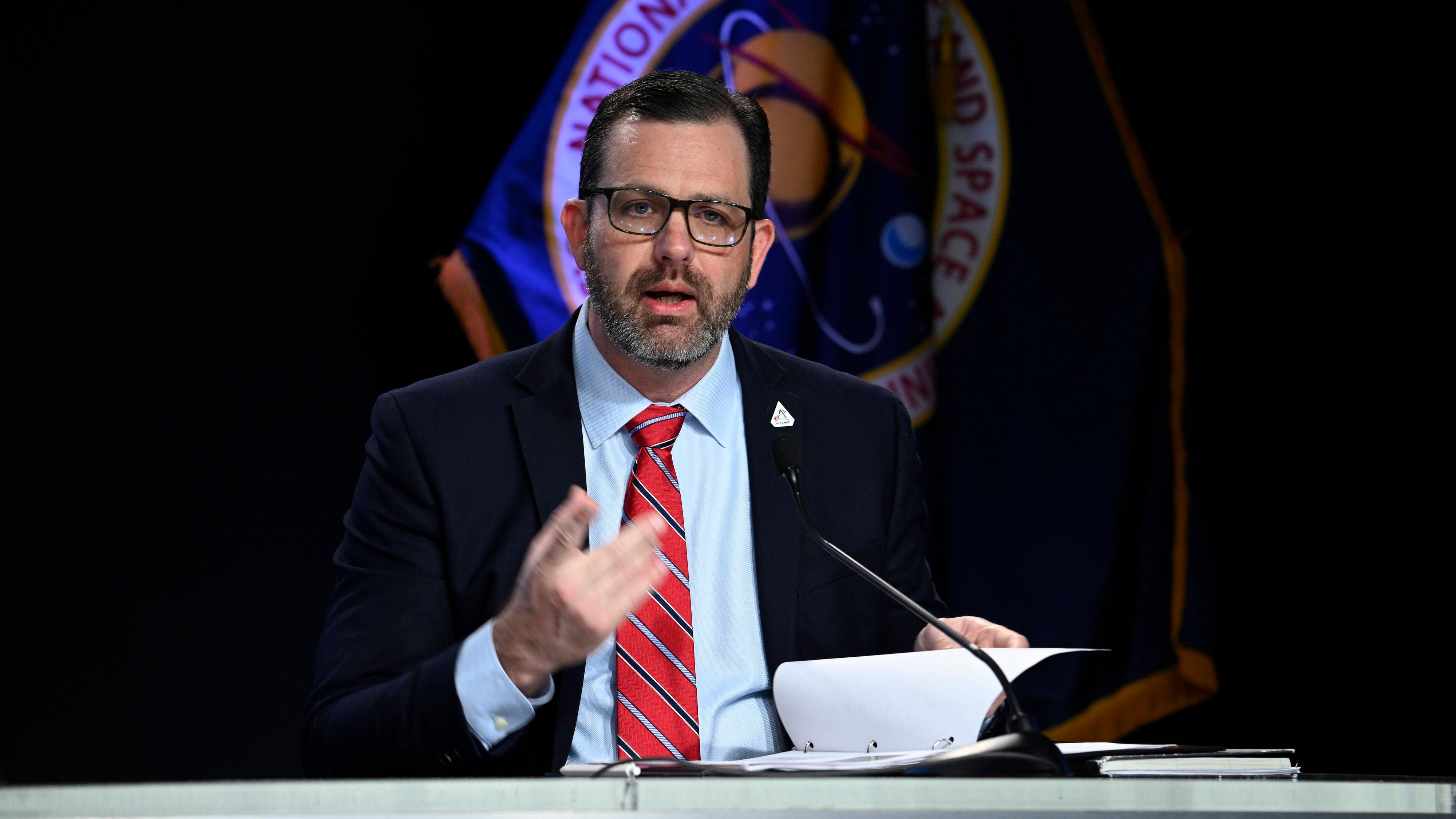
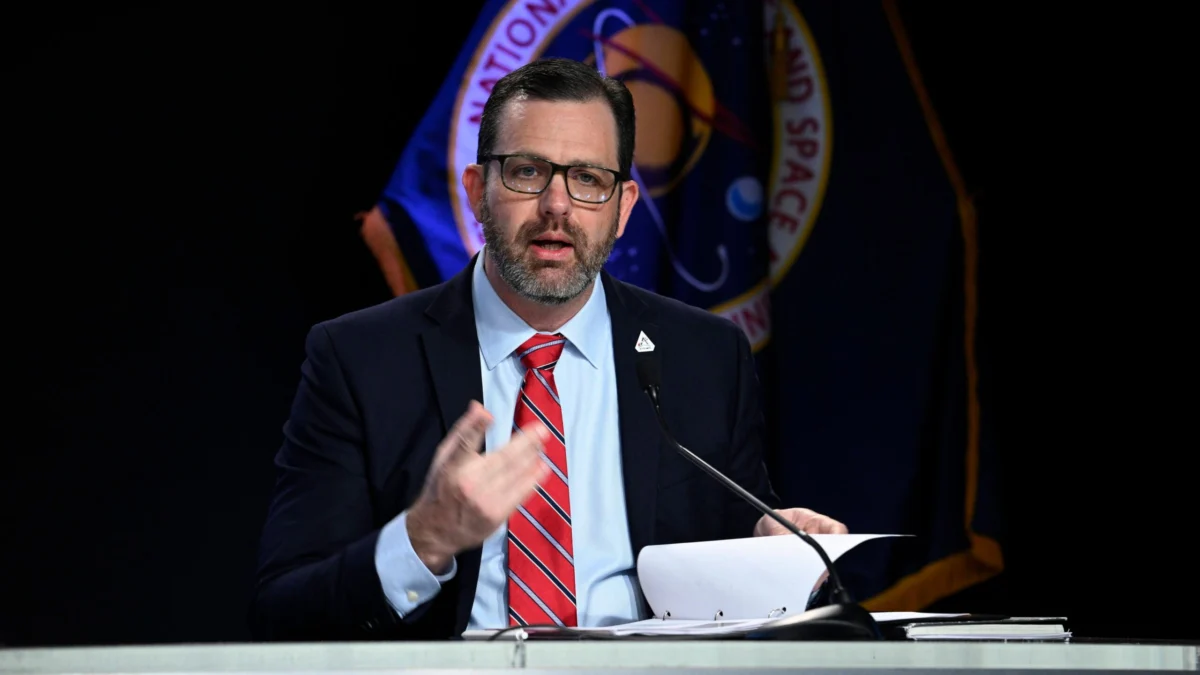
NASA officials, including Jeremy Parsons, the manager of the Artemis program, have been transparent about the magnitude of the task. During recent press briefings, Parsons described the program as "probably the most difficult spaceflight program ever undertaken." The complexity arises from the integration of cutting-edge technologies, the involvement of multiple international and commercial partners, and the stringent safety requirements necessitated by modern human spaceflight standards.
Chronology: From First Steps to Permanent Presence
The journey to the lunar surface is being executed in a deliberate, phased approach.
- Artemis I (Completed): The inaugural uncrewed flight test of the Space Launch System (SLS) rocket and the Orion spacecraft provided critical data on the performance of the integrated systems in deep space.
- Artemis II (Recent Milestone): This mission marked the first crewed flight of the program, successfully testing the life support systems and navigation capabilities of the Orion spacecraft with a human crew on board. Its success has provided the technical confidence to proceed with the next phase.
- Artemis III (2028 Target): This mission is slated to be the first to land astronauts on the lunar surface since 1972. The crew will explore the lunar South Pole, marking the first time humans have set foot in this scientifically dense region.
- 2030s – The Foundation of Permanence: Following the successful landing of the third mission, the agency intends to accelerate the assembly of the lunar surface infrastructure. The goal is to move from short-duration sorties to a state where, by the early 2030s, a lunar base is capable of supporting rotating crews for extended stays.
Supporting Data: The Logistics of a Lunar Colony
Establishing a permanent base on the Moon requires overcoming the "tyranny of the rocket equation" and the harsh lunar environment. The data supporting these efforts is staggering. NASA is currently investing billions into the Human Landing System (HLS), with SpaceX’s Starship currently contracted to provide the heavy-lift capability needed to transport equipment and supplies to the surface.

Key logistical metrics currently being analyzed by NASA scientists include:
- In-Situ Resource Utilization (ISRU): The ability to mine lunar regolith to produce oxygen and water is essential. Current projections suggest that if water ice can be extracted from the permanently shadowed regions of the South Pole, it could reduce the mass of supplies required from Earth by as much as 40%.
- Energy Requirements: A permanent station requires consistent power, particularly during the 14-day lunar night. NASA is currently exploring small modular nuclear reactors and advanced solar array designs to ensure a reliable energy grid.
- Radiation Shielding: Unlike Earth, the Moon lacks a substantial atmosphere or magnetic field to protect inhabitants from solar particle events and cosmic rays. New materials research, including the use of lunar soil as a shielding material for habitat construction, is a core component of the mission’s R&D budget.
The Global Konkurrenzkampf: A New Space Race
The urgency behind the American lunar program is, in part, driven by the emergence of a multipolar space environment. The "Space Race" of the 20th century was a bilateral contest between the United States and the Soviet Union. Today, the landscape is far more complex, with China rapidly advancing its own lunar ambitions.
China’s Chang’e program has successfully demonstrated the ability to land on the far side of the Moon and return samples to Earth. With an stated goal of placing Chinese "taikonauts" on the Moon by 2030, Beijing has established itself as a formidable competitor. This has created a "race to the South Pole," as both nations recognize that the first to establish a presence in this resource-rich region will have a significant advantage in setting the standards for future lunar operations and navigation.
Russia, a historical powerhouse in space exploration, also maintains aspirations for the Moon. However, its efforts have been hampered by economic challenges and technical setbacks. While Moscow continues to talk of lunar outposts, the current consensus among global analysts is that Russia is currently struggling to match the momentum of the U.S.-led Artemis coalition and the Chinese National Space Administration (CNSA).
Official Responses and Strategic Mandate
Despite the skepticism often voiced by critics regarding costs and timelines, the political mandate for Artemis remains strong. During a recent high-level briefing, NASA leadership emphasized that the program is not just about exploration—it is about national interest.
"We have the mandate, we have the resources, and we have the support of the stakeholders to execute this," officials noted. This, of course, refers to the bipartisan support in the U.S. Congress, which has recognized that the Artemis program is essential for maintaining American leadership in aerospace technology and deep-space exploration.

Furthermore, the "Artemis Accords"—a series of non-binding principles designed to guide the civil exploration and use of outer space—have been signed by dozens of nations. This diplomatic framework is NASA’s way of ensuring that while there is competition, there is also a set of "rules of the road" that promote transparency, interoperability, and the peaceful use of lunar territory.
Implications: Why the Moon Matters
The question is often asked: Why go back to the Moon? The implications of a successful, permanent lunar presence are profound.
1. Scientific Discovery: The Moon acts as a "time capsule" for the early solar system. By studying its surface and interior, scientists hope to unlock the history of the Earth-Moon system and gain insights into the formation of life.

2. The Gateway to Mars: The Moon is the ultimate testing ground. The technologies required for lunar survival—long-term life support, autonomous robotics, and deep-space communication—are the exact technologies needed for a human mission to Mars. NASA views the Moon as a "proving ground" where the risks of deep-space exploration can be mitigated before attempting the much longer and more dangerous journey to the Red Planet.
3. Economic Opportunity: The commercialization of space is no longer a fringe concept. Private companies are already bidding on contracts to transport cargo, build landers, and provide power infrastructure. The lunar economy could eventually encompass mining, manufacturing, and even tourism, creating an entirely new sector of the global economy.
4. Geopolitical Influence: In the 21st century, the ability to operate effectively in cislunar space—the space between Earth and the Moon—is a measure of national power. By leading the charge in lunar development, the U.S. ensures that it remains the primary architect of international norms and standards in space, preventing any single adversary from monopolizing the resources or the strategic high ground of the Moon.

Conclusion
The road to the Moon is fraught with technical, financial, and political obstacles. Every successful launch and every milestone achieved by the Artemis program is a testament to the resilience of the teams working at NASA and its commercial partners. While the competition from China and others creates a sense of urgency, the ultimate goal remains the expansion of human knowledge and the establishment of a permanent, sustainable presence beyond our home planet.
As we look toward the 2030s, the vision of humans living and working on the lunar surface is moving from the realm of science fiction to the realm of engineering reality. Whether or not the timeline remains perfectly on track, the momentum is undeniable. Humanity is not just looking at the Moon; we are preparing to move in. The challenges are significant, but as history has shown, the drive to explore the unknown is a fundamental human trait—and this time, we intend to stay.