JAKARTA, Indonesia – October 24, 2026 – Southeast Asia is once again grappling with an environmental catastrophe of immense proportions as Indonesia battles its most devastating forest and peatland fires since 2015. A thick, acrid haze, born from rampant illegal land clearing, has blanketed vast swathes of the archipelago and drifted across international borders, triggering sharp condemnations from neighboring Singapore and Malaysia. The crisis has not only brought air quality to hazardous levels but also claimed lives, fueled widespread public protests, and cast a stark spotlight on the Indonesian government’s perceived inaction and the persistent drivers of deforestation.
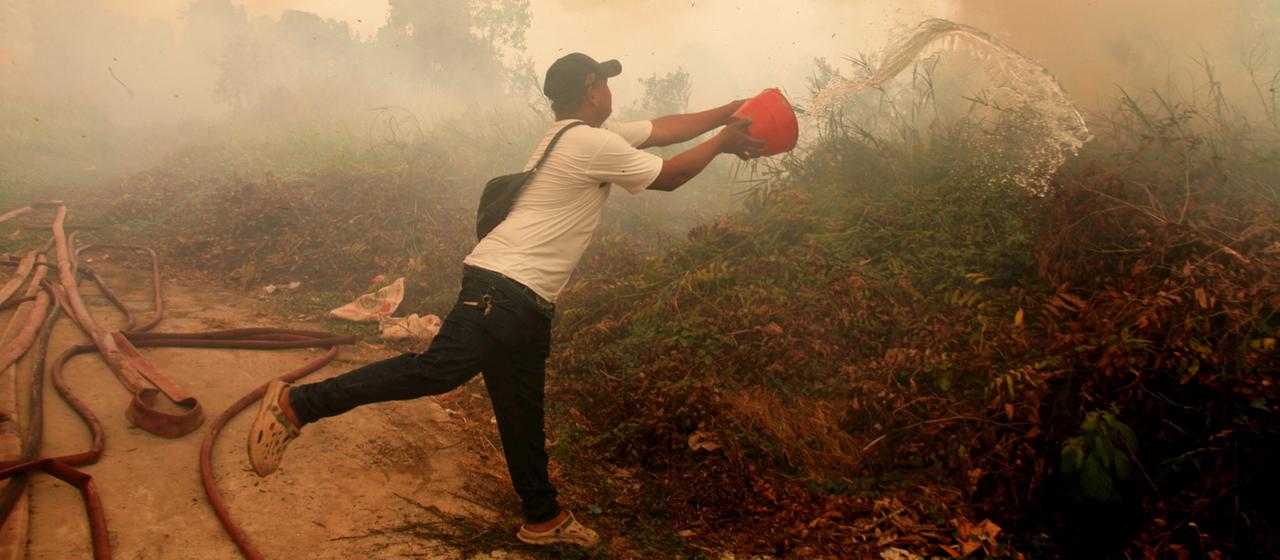
From the sprawling capital of Jakarta to the scorched landscapes of Kalimantan on the island of Borneo, an orange-grey pall hangs heavy, forcing millions to don respirator masks and navigate dangerously low visibility. Since July, an estimated two million hectares – an area roughly the size of the German state of Rhineland-Palatinate – have been consumed by flames, with catastrophic consequences for human health, biodiversity, and the global climate. The crisis is exacerbated by the prevailing El Niño phenomenon, which has intensified drought conditions and left the region parched and exceptionally vulnerable.
Main Facts: A Region Ablaze
Indonesia’s 2026 haze crisis represents a grim resurgence of a recurring environmental disaster. Primarily ignited by illegal slash-and-burn practices employed for agricultural expansion, particularly palm oil and pulpwood plantations, these fires have created an atmospheric emergency. The sheer scale of the blazes, concentrated in Sumatra and Borneo, has released colossal amounts of greenhouse gases and toxic particulate matter into the atmosphere, pushing air pollution indices in Indonesia and its neighbors into unhealthy and hazardous categories.
The human toll is already mounting. Respiratory illnesses have surged, schools have been forced to close for extended periods, and tragically, lives have been lost. The personal tragedy of Wasilah, a 27-year-old mother from Borneo who lost her husband, Aries, a volunteer firefighter, underscores the profound human cost of these fires. His death, one of at least three volunteer fatalities reported by the disaster management agency, highlights the immense risks undertaken by those on the front lines battling an inferno often fueled by corporate greed and systemic governance failures.
Internationally, the crisis has ignited a diplomatic firestorm. Singapore and Malaysia, frequently impacted by transboundary haze, have voiced unusually strong criticism of Jakarta’s handling of the situation. Despite offers of assistance, Indonesia has largely insisted on managing the crisis independently, a stance that has only amplified regional frustrations. Singapore, in particular, has threatened to invoke its Transboundary Haze Pollution Act, aiming to hold accountable the companies, both local and foreign, suspected of initiating the fires that have poisoned the air.
A Chronology of Crisis: From Smolder to Inferno
The current haze crisis did not erupt overnight but rather intensified over several months, tracing a predictable pattern of drought and human-induced land clearing.
Early Dry Season (May-June 2026): The dry season typically begins around this time, but the onset of El Niño brought with it unseasonably low rainfall and elevated temperatures across the Indonesian archipelago. Initial hotspots began to emerge in Sumatra and Kalimantan, often linked to small-scale agricultural clearing. These early fires, while concerning, were largely localized.
Escalation and Expansion (July-August 2026): By July, as the drought deepened, the number and intensity of fires escalated dramatically. Hotspots, detectable by satellite monitoring, proliferated, particularly in peatland areas. The practice of illegal land clearing by burning became more widespread, as dry conditions made ignition easier and more effective for clearing vast tracts of forest and peat for new plantations. Early reports of localized haze and deteriorating air quality began to surface in affected Indonesian provinces. It was during this period that volunteer groups, including Aries, began mobilizing to combat the burgeoning infernos.
Transboundary Haze and Regional Alarm (September 2026): As September progressed, the fires grew exponentially, fueled by persistent dry weather. The prevailing winds began carrying the smoke plumes across the Malacca Strait and the South China Sea, blanketing Singapore and parts of Malaysia. Air quality indices in these neighboring countries soared into unhealthy and hazardous ranges, leading to widespread school closures, health advisories, and the distribution of face masks. Diplomatic tensions began to mount, with initial calls from Singapore and Malaysia for Indonesia to take more decisive action. Indonesia deployed thousands of personnel, including military and police, and began limited cloud seeding operations and water bombing efforts.
Peak Crisis and Protests (October 2026): October witnessed the crisis reach its zenith. The estimated burned area surpassed two million hectares, with peat fires proving particularly stubborn and difficult to extinguish. The air quality throughout the region deteriorated further, with some areas experiencing "very unhealthy" to "hazardous" readings for consecutive weeks. Public frustration within Indonesia boiled over, leading to large-scale protests in Jakarta and regional capitals. Demonstrators criticized the government’s perceived slow and inadequate response, demanding accountability for corporations and effective enforcement of anti-burning laws. This month also saw the formal rejection by Indonesia of direct foreign assistance, a move that further strained regional relations.
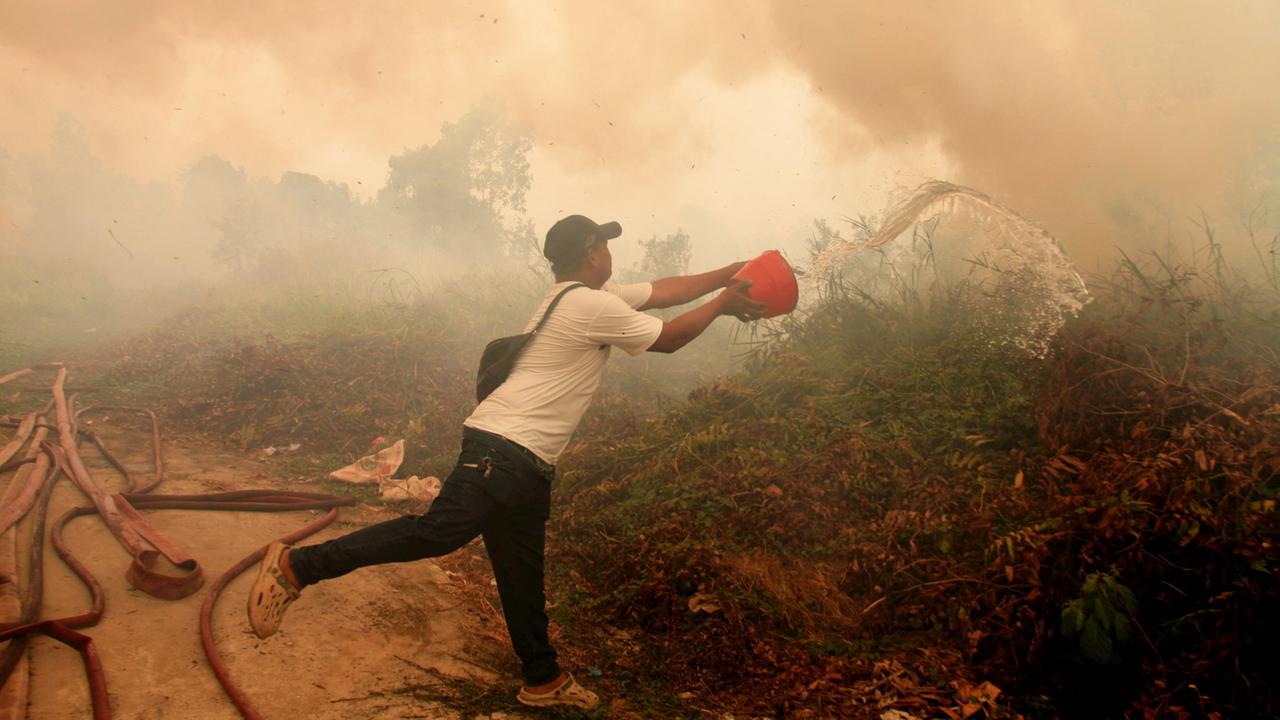
Current Situation (Late October 2026): As of late October, while some areas have seen intermittent rainfall, the fires continue to burn, especially in deep peatlands. The haze remains a significant public health threat, and the political and diplomatic fallout shows no signs of abating. Singapore’s firm stance on corporate accountability marks a new, more aggressive phase in regional efforts to address the recurring haze problem, signaling a potential shift from diplomatic appeals to legal and financial pressure. The human and environmental costs continue to escalate, making this one of the most severe environmental disasters of the decade.
Supporting Data: The Devastating Impact
The statistical and scientific data surrounding Indonesia’s 2026 fires paint a grim picture of widespread destruction and profound consequences.
Ecological Devastation: The two million hectares burned represent a colossal loss of critical ecosystems. This includes primary rainforests, vital secondary forests, and vast expanses of peatlands. These areas are globally significant biodiversity hotspots, home to endangered species such as the Bornean and Sumatran orangutans, Sumatran tigers, and various endemic flora and fauna. The destruction of their habitats pushes these species further towards extinction, threatening irreversible ecological damage. Beyond direct fire damage, the loss of forest cover exacerbates soil erosion, alters local hydrological cycles, and reduces the natural carbon sink capacity of these regions.
Climate Catastrophe: Peatlands, which are waterlogged soils composed of partially decayed plant matter accumulated over thousands of years, are particularly vulnerable. When drained for plantations, they become highly combustible. Peat fires smolder deep underground, releasing massive quantities of carbon dioxide, methane, and other greenhouse gases into the atmosphere. The 2015 fires, for instance, were estimated to have released more CO2 daily than the entire U.S. economy for several weeks. The 2026 fires are on track to rival or even surpass this, contributing significantly to global greenhouse gas emissions and accelerating climate change. The burning of peat also releases black carbon, a short-lived climate pollutant that contributes to regional warming and ice melt.
Public Health Emergency: The primary health concern stems from PM2.5 (particulate matter less than 2.5 micrometers in diameter). These microscopic particles are small enough to penetrate deep into the lungs and enter the bloodstream. Air quality readings have consistently been far above the World Health Organization (WHO) guidelines, sometimes reaching "hazardous" levels (an Air Pollutant Index, or API, above 300).
- Acute Respiratory Infections (ARIs): The number of reported ARI cases has surged into the hundreds of thousands across affected provinces. Symptoms range from coughing and shortness of breath to severe pneumonia.
- Vulnerable Populations: Children, the elderly, and individuals with pre-existing respiratory or cardiovascular conditions are particularly susceptible. The long-term effects of prolonged exposure to such high levels of pollution, especially for developing children, are a major concern, potentially leading to chronic lung diseases and reduced life expectancy.
- Other Health Issues: Beyond ARIs, medical professionals report increases in asthma attacks, conjunctivitis, skin irritations, and cardiovascular problems. Schools and universities have been forced to conduct online learning for months, disrupting education for millions of students.
Economic Fallout: The fires carry substantial economic costs:
- Direct Costs: Millions of dollars are spent on firefighting operations, including personnel, equipment, water bombing, and cloud seeding.
- Productivity Loss: Haze-related illnesses reduce workforce productivity, leading to economic losses.
- Tourism Impact: The pervasive smoke deters tourists, impacting the hospitality and travel sectors in both Indonesia and its neighbors.
- Agricultural Disruption: Crop yields can be affected by reduced sunlight and ashfall.
- Logistics and Trade: Reduced visibility impacts air and sea transport, causing delays and cancellations.
Root Causes: The Palm Oil Predicament: Indonesia is the world’s largest producer of palm oil, a ubiquitous ingredient in food, cosmetics, and biofuels. The demand for palm oil, coupled with pulp and paper products, drives the expansion of plantations.
- Cost-Effectiveness of Burning: Burning is the cheapest and fastest method to clear land, especially for smallholders and those operating illegally. It also releases nutrients into the soil, temporarily boosting fertility.
- Peatland Drainage: To make peatlands suitable for plantations, they are often drained. This process exposes the highly organic peat to air, making it extremely flammable.
- Weak Enforcement: Despite laws prohibiting slash-and-burn practices, enforcement remains inconsistent. This allows perpetrators to continue operating with relative impunity, driven by the significant profits to be made from agricultural expansion. The cycle of destruction persists because the economic incentives often outweigh the risks of prosecution.
Official Responses: Navigating Scrutiny and Strained Diplomacy
The crisis has placed Indonesia’s government under intense scrutiny, both domestically and internationally, regarding its capacity and commitment to address the root causes of the recurring haze.
Indonesian Government’s Stance:
- Initial Understatement and Mobilization: In the early stages, there was a tendency to downplay the severity, often attributing fires to natural causes exacerbated by El Niño. However, as the crisis escalated, President Joko Widodo’s administration mobilized significant resources, deploying tens of thousands of personnel from the military, police, and disaster management agencies. Water bombing aircraft and cloud seeding operations were initiated to induce rainfall, though often with limited success against the deep-seated peat fires.
- Rejection of Foreign Aid: A contentious point has been Indonesia’s repeated refusal of direct foreign assistance from Singapore and Malaysia. Jakarta has consistently maintained that it possesses sufficient resources and expertise to manage the fires independently, though this stance has been met with skepticism given the persistent nature of the crisis. While offering thanks for solidarity, the government has been keen to demonstrate national sovereignty and capability, a position that has frustrated its haze-affected neighbors.
- Law Enforcement Efforts: The government has announced investigations into companies and individuals suspected of illegal land clearing. Reports indicate some arrests have been made, and promises of stringent penalties have been issued. However, critics, including protesting citizens like Fajar Wasis, argue that these efforts are insufficient and that powerful corporate actors often evade justice, allowing the cycle of burning to continue. There is a perceived lack of political will to tackle the issue at its systemic roots.
- Long-Term Strategies: Indonesia has outlined plans for peatland restoration, moratoriums on new palm oil licenses in primary forests, and efforts to educate local communities on alternative land-clearing methods. However, the effectiveness of these measures in curbing future fires remains a subject of ongoing debate and challenge.
Neighboring Countries’ Outcry:
- Escalating Criticism: Malaysia and Singapore, bearing the brunt of the transboundary haze, have issued increasingly sharp rebukes. Their governments have expressed deep concern over the public health crisis and economic disruption caused by the haze, pushing for more robust action from Jakarta. Air quality alerts, school closures, and health advisories have become commonplace in their respective nations.
- Singapore’s Legal Threat: Singapore has adopted the most aggressive stance. Interior Minister Kannon Shanmugam issued a stern warning, declaring that Singapore would not hesitate to hold responsible companies accountable. He explicitly mentioned the Transboundary Haze Pollution Act (THPA), which allows Singapore to prosecute entities, regardless of their country of origin, if their actions cause haze that affects Singapore. Shanmugam emphasized that Singapore would leverage all available levers – impacting companies’ business results, access to financing, and investor reputation – to exert pressure. "They should not have the illusion that they can simply wait for the smoke to clear and then resume business as usual," he stated, signaling a departure from previous diplomatic appeals to concrete legal and financial action. Satellite imagery and other intelligence are being used to identify culprits, focusing on palm oil and paper producers with operations in both Indonesia and Singapore.
- Malaysia’s Response: Malaysia has echoed Singapore’s concerns, urging Indonesia to take definitive action. While not as overtly aggressive with legal threats as Singapore, Kuala Lumpur has also explored avenues for regional cooperation and bilateral discussions to resolve the recurring problem.
International and NGO Involvement:
- WHO Warnings: The World Health Organization has repeatedly issued warnings about the severe health risks posed by the haze, urging governments to protect their populations and address the underlying causes.
- Environmental NGOs: Organizations like Greenpeace and the World Wide Fund for Nature (WWF) have actively monitored the fires, published reports, and campaigned for stronger corporate accountability and government action. They often highlight the links between the fires and specific corporate supply chains.
- ASEAN’s Limited Role: The Association of Southeast Asian Nations (ASEAN) has a "Roadmap on Transboundary Haze Pollution" and an ASEAN Agreement on Transboundary Haze Pollution. However, its effectiveness has often been hampered by the principle of non-interference in member states’ internal affairs, leading to calls for stronger regional enforcement mechanisms.
Implications: A Future Clouded by Haze
The 2026 haze crisis carries profound and far-reaching implications, extending from immediate health emergencies to long-term geopolitical and ecological challenges.
Environmental Catastrophe and Climate Change: The most immediate and significant implication is the irreversible environmental damage. The destruction of primary forests and carbon-rich peatlands represents an enormous setback for global climate efforts. The massive carbon emissions from these fires will contribute significantly to global warming, making it harder to meet international climate targets. Furthermore, the loss of biodiversity, particularly of critically endangered species, is a permanent scar on the planet’s ecological fabric. The recurring nature of these fires suggests a systemic failure to protect these vital ecosystems.
Public Health Crisis and Long-Term Vulnerability: The widespread acute respiratory illnesses and other health complications highlight the fragility of public health systems in the face of such environmental disasters. The long-term health effects of prolonged exposure to high levels of PM2.5, especially on children, could lead to a generation suffering from chronic respiratory conditions, impacting their quality of life and national healthcare burdens for decades to come. The repeated disruption to education and daily life also has severe social consequences, particularly for vulnerable communities. Naomi Artika’s plea for the crisis to be declared a "national emergency" underscores the depth of human suffering and the need for a more comprehensive, centralized response.
Strained Regional Relations and ASEAN’s Efficacy: The diplomatic friction between Indonesia and its neighbors tests the solidarity and effectiveness of ASEAN. While the bloc has mechanisms to address transboundary haze, the persistent recurrence of the problem and Indonesia’s reluctance to accept external assistance strain regional trust. Singapore’s unprecedented threat of legal action against offending companies, regardless of nationality, signals a potential shift in regional dynamics, where economic pressure may become a more potent tool than diplomatic appeals. This could set a precedent for future environmental disputes within the region.
Economic Repercussions and Corporate Accountability: The economic costs, including losses in tourism, trade, and productivity, will reverberate throughout the region. The spotlight on palm oil and pulp and paper producers intensifies calls for greater corporate accountability and sustainable sourcing practices. Singapore’s threat to target companies’ "business results, access to financing, and investor reputation" could force a reckoning within these industries. Investors and consumers are increasingly demanding ethical supply chains, and companies found to be complicit in illegal burning may face significant reputational damage and financial penalties, potentially reshaping the landscape of these key sectors.
Path Forward: A Call for Systemic Change: The ongoing crisis underscores the urgent need for a multi-faceted approach. This includes:
- Stronger Law Enforcement: Consistent and transparent prosecution of individuals and corporations responsible for illegal land clearing.
- Sustainable Land Management: Promoting sustainable agricultural practices that do not rely on burning, and investing in peatland restoration and rewetting initiatives.
- Regional Cooperation: Enhanced cross-border collaboration, including intelligence sharing and coordinated emergency responses, without undue sensitivity regarding sovereignty.
- Consumer Pressure: Global consumer demand for sustainably produced palm oil and paper products can drive change within industries.
- Climate Resilience: Investing in measures to mitigate the impacts of El Niño and other climate phenomena that exacerbate fire risks.
Wasilah’s poignant appeal – "To all who are still fighting the fire: Please do not put yourselves in danger. If the conditions are too difficult to help, then it is better to rest. Your children, your spouses, your parents, and your families are waiting for you at home. There must be no more victims of this fire" – resonates as a powerful reminder of the human tragedy behind the headlines. It is a desperate call for collective action, not just to extinguish the immediate flames, but to address the systemic failures that continue to ignite this recurring environmental and humanitarian catastrophe. Without fundamental changes, the future of Southeast Asia risks being perpetually shrouded in smoke, its development hampered, and its people condemned to breathe toxic air.