By Helena Kreiensiek
The battle against Ebola continues to unfold with both signs of cautious progress and worrying indicators of geographic expansion. While experts from the Africa Centres for Disease Control and Prevention (Africa CDC) have observed a slight downward trend in infection rates, the global health community remains on high alert. The virus, characterized by its high mortality rate and ease of transmission through direct contact, has now breached the borders of a fourth African nation, underscoring the volatility of the current outbreak.
Cautious Optimism in the Face of Adversity
During a weekly press briefing held this Thursday, Wessam Mankoula, a leading expert on Ebola at the Africa CDC, offered a perspective of "cautious optimism." Addressing the latest epidemiological data, Mankoula stated, "We are seeing a slight downward trend in infection rates." However, he was quick to temper this positive signal with a necessary warning: "It remains to be seen whether this truly represents a sustainable decline."
The fragility of this trend is underscored by the complexity of the environments in which the virus is currently circulating. With persistent security challenges, socio-political unrest, and sporadic community resistance to medical intervention, the path to containing the virus is anything but linear. Health authorities are operating under the assumption that the outbreak remains dangerous and unpredictable, even as the raw numbers show a marginal improvement in some of the most heavily affected regions.
Chronology of a Spreading Crisis
The current Ebola outbreak, which originated in the Democratic Republic of the Congo (DRC) in mid-May, has proven to be a persistent adversary. Initially centered in the DRC, the disease has slowly radiated outward, following the movement of people across porous borders.
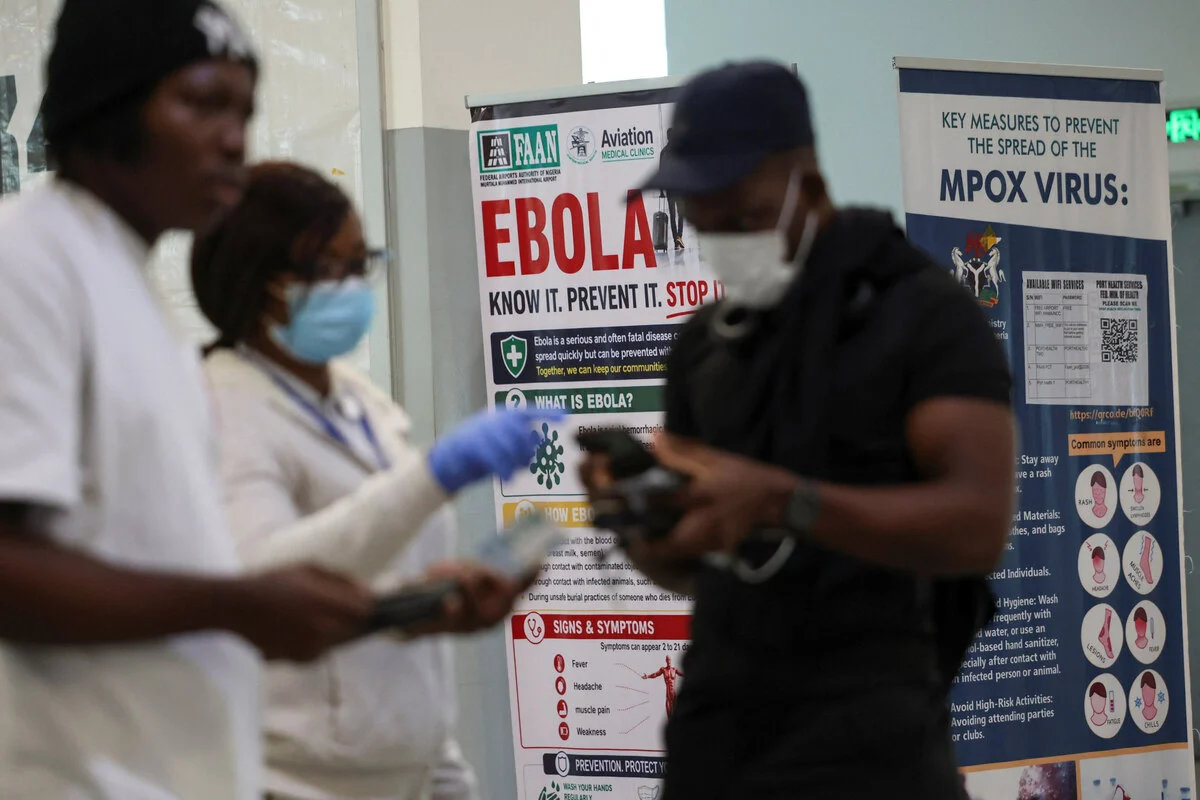
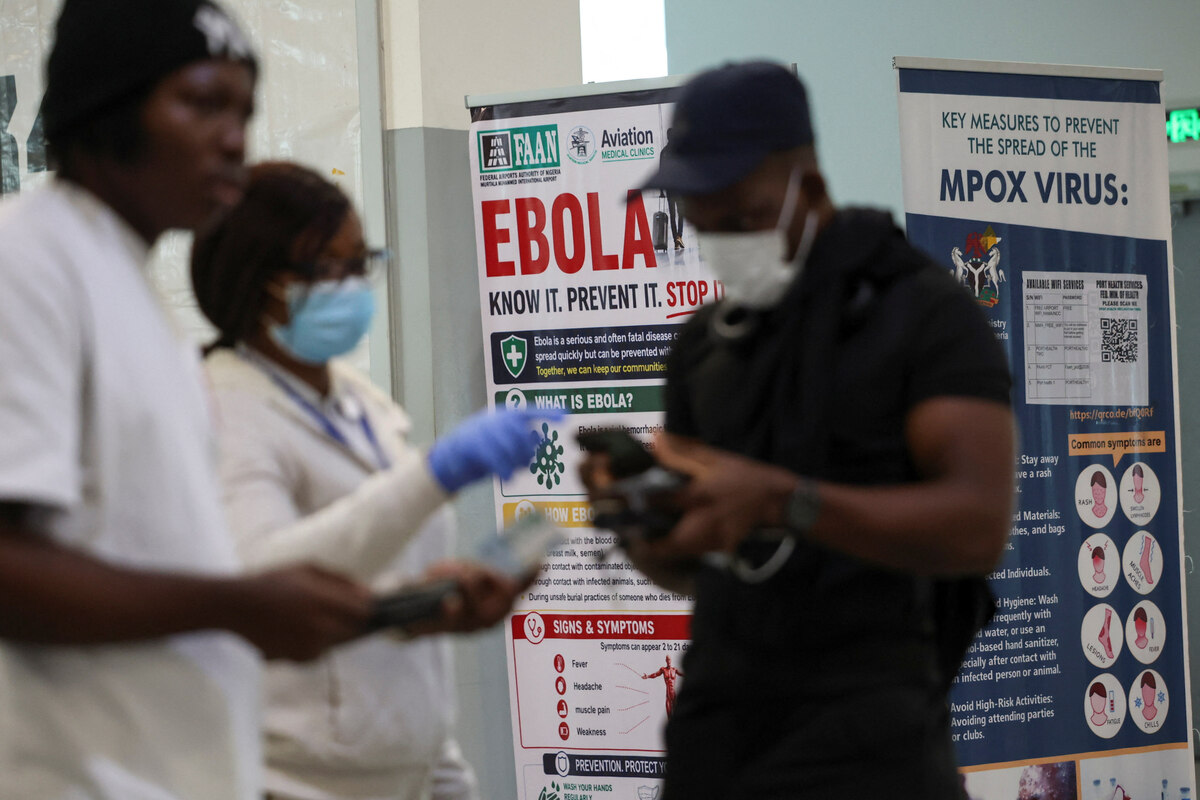
The most recent development, which has sent shockwaves through regional health ministries, is the emergence of a confirmed case in Nigeria. The patient, who had recently returned from a trip to Uganda, began exhibiting symptoms only after arriving in the country. This case, identified last Tuesday, marks the fourth nation to report an Ebola infection. Nigerian health officials immediately moved to isolate the patient and have placed approximately 44 known contacts under strict quarantine. The frantic search for additional contacts is currently a top priority, as Nigeria mobilizes its national health apparatus to prevent a domestic cluster from forming.

Uganda, which had previously managed to record and contain 20 cases—many of which were imported from the neighboring DRC—was declared "Ebola-free" by the World Health Organization (WHO) in August. However, the recent identification of an Ebola-related death in Kenya, involving an individual who had recently transited through Uganda, has renewed concerns about regional connectivity and the efficacy of border health screenings.
The Mystery of the Nigerian Case: Investigating Transmission
A critical question currently occupying the minds of epidemiologists is the origin of the infection in the Nigerian patient. According to Wessam Mankoula, there is no evidence that the patient had traveled to the Democratic Republic of the Congo, the primary epicenter of the disease.
Both the Nigerian patient and the individual who passed away in Kenya had departed Uganda on October 3rd. This temporal overlap has led researchers to hypothesize that a transmission event may have occurred at a major transit hub, potentially the airport, where the individuals’ paths crossed. While investigators are cautious about drawing definitive conclusions, this theory highlights the vulnerability of international transport nodes. "The investigations are ongoing," Mankoula noted, urging the public to avoid speculation while the contact-tracing teams work to reconstruct the timeline of exposure.

Supporting Data: The Scale of the Outbreak
The statistical reality of the current outbreak is sobering. Since the discovery of the virus in May, the cumulative total of infections has reached 9,735. The human toll has been severe, with approximately 4,690 deaths recorded across the four affected countries.
The Democratic Republic of the Congo remains the epicenter of the tragedy, accounting for 4,687 of the total deaths. The disease has permeated 66 distinct health zones, creating a logistical nightmare for aid organizations and local health workers who must navigate destroyed infrastructure and hostile terrain.
Despite these grim statistics, there is a glimmer of light within the data. Of the 66 affected health zones, 15 have reported zero new cases over the past 21 days—the critical threshold often used to define the interruption of transmission. Specifically, the regions of Bunia and Mongbwalu, where the virus was first detected, as well as the urban centers of Katwa and Butembo, are showing signs of stabilization. This suggests that in areas where health interventions have been consistently applied, the virus can be brought under control.

Challenges and Official Responses
The struggle against Ebola is not merely a medical one; it is deeply intertwined with the security and social stability of the region. The provinces of Ituri and North-Kivu, which are suffering from ongoing conflict, account for a staggering 94.7 percent of all cases. In these areas, health teams frequently encounter barriers, including strikes by medical staff and widespread public distrust of government-led treatment centers.
Mankoula identified two primary obstacles to effective containment:
- Reporting Delays: Approximately 70 percent of confirmed cases involve significant reporting delays. On average, patients wait four days after the onset of symptoms before seeking care. In 10 percent of cases, this delay extends to 11 days or more, creating a massive window for the virus to spread within households and communities.
- The Nature of Transmission: Unlike respiratory viruses such as COVID-19, Ebola is only transmissible once the patient begins showing active, physical symptoms. "This is our primary window of opportunity," Mankoula explained. "To stem the tide, it is essential that patients seek professional help within 48 hours of the first symptoms appearing."
The current medical response is hampered by the lack of a universally approved, widely available vaccine or a definitive pharmacological cure, though clinical trials are ongoing. The emphasis remains on "test, trace, and treat"—a classic public health mantra that is difficult to implement in regions where healthcare infrastructure is crumbling.

Implications for the Future
The emergence of a case in Nigeria serves as a stark reminder of the globalized nature of modern epidemics. As the virus leaps across borders, the emphasis on rigorous health screenings at international airports and land borders becomes paramount. Mankoula’s message is clear: "The case in Nigeria shows exactly why we cannot afford to be complacent. Preparation and consistent screening are our first and last lines of defense."
The international community is now faced with the task of bridging the funding gap that prevents the deployment of adequate protective equipment and medical staff to these high-risk areas. As highlighted by ongoing crises in Uganda and the DRC, the fight against Ebola is a test of global solidarity. The success of the response in the coming weeks will depend on the ability of health organizations to reach the most vulnerable populations, overcome the barriers of local distrust, and maintain the current, albeit fragile, downward trajectory of infection.
For now, the world watches the maps of Central and West Africa with concern. The progress made in the 15 "cleared" health zones provides a blueprint for what is possible, but the persistence of the virus in war-torn provinces and its appearance in new territories suggests that the end of this outbreak is not yet in sight. The battle is, as ever, a race against time and the invisible reach of a highly lethal pathogen.