DAMASCUS/JERUSALEM – Israeli forces conducted a series of raids across multiple locations in Southwest Syria on Thursday, resulting in the death of one man with an intellectual disability. The operations, which included gunfire and the deployment of snipers, have sparked widespread condemnation from the Syrian government and ignited protests across the country. These incidents mark a significant escalation in an already volatile region, drawing international scrutiny and raising concerns about regional stability, human rights, and the potential for further conflict.
The fatality occurred during an Israeli military operation in the village of Jamla, located approximately 33 kilometers south of Quneitra and 30 kilometers west of Dara’a. According to local residents and Syrian state media, Israeli troops established sniper positions on residential rooftops, leading to a tense confrontation. The Syrian Foreign Ministry, quoted by the state news agency Sana, swiftly condemned the killing, holding the "Israeli occupation authorities" fully responsible for what it termed a "crime." The ministry further asserted that Israel’s persistent incursions flagrantly violate Syria’s sovereignty and jeopardize regional peace.
In response to inquiries, the Israeli military confirmed that its soldiers had conducted operations in Southern Syria between Wednesday night and Thursday morning. They reported encountering an individual approaching their position, prompting them to initiate a "procedure for arresting the suspect." The military stated that they opened fire when the man continued to advance, adding that the incident is currently under investigation. The Israeli army, however, declined to provide any specific reasons for the raids themselves, leaving a critical information gap that fuels speculation and distrust.
Escalating Tensions in Southwest Syria
The recent military operations are part of a discernible pattern of increasing Israeli activity in Southwest Syria, a region strategically vital due to its proximity to the Israeli-occupied Golan Heights and its complex geopolitical landscape. This latest series of events underscores the persistent instability and humanitarian challenges faced by the local population.
Deadly Raid and Civilian Casualties
The tragic incident in Jamla has become a focal point of the current escalation. Eyewitness accounts from local residents describe a chaotic scene as Israeli forces moved into the village. The deployment of snipers on rooftops is particularly alarming, suggesting a heightened level of readiness for confrontation and raising questions about the rules of engagement employed during these operations. The victim, identified as a man with an intellectual disability, was reportedly struck by a bullet, leading to his untimely death. This detail amplifies the humanitarian concerns, highlighting the vulnerability of civilians, particularly those with special needs, in conflict zones.
The Syrian government’s immediate and strong denunciation underscores the gravity with which Damascus views these actions. By labeling the Israeli forces as "occupation authorities" and the killing as a "crime," the Syrian Foreign Ministry is not only expressing outrage but also attempting to frame the incident within the context of international law, accusing Israel of violating the fundamental principles of national sovereignty and the protection of civilians. Such language is intended to galvanize international attention and pressure on Israel.
Broader Pattern of Operations
Beyond the deadly raid in Jamla, regional media outlets, including the Turkish news agency Anadolu, reported at least two other significant incidents on the same day. In the province of Quneitra, the Israeli army allegedly blew up an abandoned house, an action that could be interpreted as a punitive measure or an attempt to destroy suspected infrastructure. Simultaneously, Israeli soldiers reportedly fired machine guns at cultivated land near the village of Hamidiyah, causing potential damage to agricultural livelihoods, a critical resource for local communities. Similar actions were reported in the village of Kudna. The rationale behind these specific acts remains officially unconfirmed, as the Israeli military did not respond to queries regarding these incidents.
Adding to the list of incursions, Israeli soldiers conducted a raid in the village of Turnejeh, where they reportedly searched houses and apprehended at least one man. Such arrests, often carried out without clear public justification, contribute to a pervasive sense of fear and insecurity among the civilian population. These combined operations—lethal force, property destruction, and arrests—paint a picture of an assertive and far-reaching Israeli military presence in a sovereign neighboring state, a presence that local populations feel powerless to resist.

A Region in Flux: Chronology of Israeli Engagements
The intensified Israeli military activity in Southern Syria is deeply intertwined with the profound geopolitical shifts that have reshaped Syria over the past decade. The current operations cannot be understood in isolation but rather as a continuation of a long-standing pattern of intervention, albeit one that has dramatically increased in frequency and scope following pivotal changes within Syria.
Post-Assad Syria and Israeli Intervention
The article’s embedded information regarding the "fall of the Assad regime in Syria before 2024" and the subsequent flight of Bashar al-Assad to Russia, leading to the transitional government under HTS leader Ahmed al-Scharaa, provides crucial context. This significant political upheaval, marking the end of over 50 years of Assad family rule, fundamentally altered the power dynamics in Syria. In the vacuum or period of transition that followed, various actors, including Israel, intensified their operations to secure their interests.
Indeed, NGOs have documented a dramatic increase in Israeli military actions since this period. Following the collapse of the Assad regime, Israel has reportedly conducted over 1,000 airstrikes against targets in its neighbor. These attacks have not been confined to the immediate border areas but have extended deep into Syrian territory, with bombs even falling on objectives within the Syrian capital, Damascus. Furthermore, the Israeli army has gone beyond aerial bombardments, undertaking ground incursions into areas adjacent to the occupied Golan Heights, effectively establishing a de facto occupation in certain territories. This expansion of operations signifies a more aggressive and proactive Israeli posture in post-Assad Syria, driven by evolving security concerns.
Israeli Military’s Account
The Israeli military’s statement regarding the Jamla incident, while acknowledging the operation and the fatality, offers a limited and carefully worded explanation. Their description of initiating a "procedure for arresting the suspect" after an individual approached their forces suggests a self-defense narrative. However, the details surrounding this procedure, particularly the decision to open fire, are under internal investigation. The lack of transparency regarding the specific reasons for conducting the raids in the first place raises critical questions about accountability and intent. Without a clear explanation from the Israeli side, the Syrian government’s accusations of sovereignty violations and unjustified aggression gain more traction in the international discourse. The incident highlights the inherent dangers of military operations in densely populated civilian areas, where the line between legitimate defense and excessive force can become blurred, especially when dealing with vulnerable individuals.

Supporting Data and Regional Dynamics
The ongoing Israeli operations in Southwest Syria are not merely isolated military actions but are part of a complex tapestry of regional dynamics, security concerns, and political maneuvering. Data from human rights organizations and the testimonies of local residents paint a stark picture of the human cost and the underlying geopolitical tensions.
Humanitarian and Human Rights Concerns
The Syrian Observatory for Human Rights (SOHR), a UK-based monitoring group, has documented a chilling number of Israeli incursions and raids in the region – more than 1,000 since the fall of the Assad regime. This extensive documentation includes reports of hundreds of Syrians being arrested and subsequently transferred to Israeli prisons. Such detentions, if arbitrary or prolonged without due process, constitute serious human rights violations. Moreover, SOHR and other NGOs have reported instances of residents being forcibly displaced from their homes, an action that, if systematic, could amount to a violation of international humanitarian law, particularly the prohibition against forced displacement in occupied territories or during armed conflict. These actions are widely condemned by human rights organizations as breaches of international law, which mandates the protection of civilians and their property during military operations and occupation. The destruction of homes, the disruption of livelihoods, and the arbitrary detention of individuals contribute to a severe humanitarian crisis, exacerbating the suffering of a population already ravaged by years of conflict.
Civilian Perspective and Fear
The human impact of these ongoing operations is perhaps best captured by the anonymous resident from Quneitra, who described the situation as "tense" and the people living "in a state of insecurity." This sentiment reflects a deep-seated fear and a profound sense of abandonment. "No one defends or protects us," the resident lamented, encapsulating the vulnerability felt by a population caught between competing regional powers. The reports of the population being "terrorized," coupled with the destruction of olive trees and the burning of houses, illustrate the immediate and tangible costs of this conflict for ordinary people. Olive trees, in particular, represent not just agricultural assets but also a crucial part of the cultural heritage and economic backbone of many Syrian communities. Their destruction is not merely an act of vandalism but an assault on the long-term viability and resilience of these communities. The resident’s statement, "Wieso, das wisse er nicht" (Why, he doesn’t know), highlights the pervasive confusion and lack of understanding among civilians regarding the motives behind these destructive acts, further fueling their sense of helplessness.
Geopolitical Context and Perceived Motives
The timing and intensity of the Israeli operations are not lost on regional observers. Mohammad al-Fayyad, a Syrian activist from the region, explicitly links the escalation to the upcoming Israeli elections, scheduled for October 27. Al-Fayyad suggests that Israeli Prime Minister Benjamin Netanyahu is attempting to leverage military actions in Syria to boost his electoral prospects. According to this perspective, Netanyahu might be "using the Druze community in Southern Syria as a pretext" to intervene, thereby projecting an image of strength and decisive leadership to his domestic electorate during a sensitive election campaign.

This interpretation points to a cynical use of regional instability for internal political gain. The Druze community, an ethnoreligious minority present in both Israel and Syria, has historically been a point of complex cross-border relations. Israel has, at times, positioned itself as a protector of the Syrian Druze, particularly against extremist groups. However, critics argue that this narrative can also serve as a convenient cover for broader strategic objectives. The constant presence of "fighter jets in Syrian airspace," as noted by al-Fayyad, signifies a sustained military pressure campaign, which, beyond any specific tactical goals, also serves as a potent display of force aimed at various regional actors, including Iran and Hezbollah, who maintain a significant presence in Syria. These actions are seen as part of Israel’s broader strategy to counter Iranian entrenchment in Syria and prevent the transfer of advanced weaponry to Hezbollah in Lebanon, both of which are perceived as existential threats by Jerusalem.
Official Responses and Future Implications
The recent surge in Israeli military activities in Southwest Syria has elicited strong official responses from both sides, laying bare their divergent objectives and underscoring the deep-seated animosity and distrust that characterize their relationship. The implications for regional stability, civilian populations, and the prospects for peace remain profoundly uncertain.
Israel’s Stated Objectives
The Israeli government consistently justifies its military operations in Syria with three primary objectives: the "demilitarization" of Southern Syria, the protection of the Druze community, and the prevention of terror attacks against Israel. The goal of "demilitarization" is broadly understood as an effort to dismantle or push back Iranian-backed militias, including Hezbollah, from Israel’s northern border. Israel views the presence of these groups as a direct security threat, capable of launching cross-border attacks or establishing a front against Israel. The protection of the Druze community, while often cited, is a more nuanced claim, frequently intersecting with broader strategic considerations. Lastly, preventing terror attacks is a perennial security concern for Israel, which often points to alleged plots or capabilities of militant groups operating from Syrian territory.
Adding to the assertiveness of Israel’s stance, Defense Minister Israel Katz has explicitly declared Israel’s intention to remain in Syria "indefinitely." This statement signals a long-term commitment to military presence and intervention, suggesting that Israel does not foresee a swift resolution to its security concerns in the foreseeable future and is prepared to act unilaterally to safeguard its interests, regardless of international condemnation or Syrian sovereignty claims. This declaration effectively solidifies Israel’s role as a persistent, active player in the Syrian conflict, far beyond its immediate borders.

Syrian Government’s Stance
In stark contrast to Israel’s justifications, the Syrian government under President Ahmed al-Scharaa has repeatedly and unequivocally condemned the Israeli actions as a violation of its national sovereignty. Al-Scharaa’s administration views these incursions as illegal acts of aggression that undermine the territorial integrity of Syria and destabilize the broader region. Damascus has consistently appealed to the international community to exert pressure on Israel to withdraw its forces and cease its interventions.
However, in a significant diplomatic overture, President al-Scharaa has also emphasized that his government does not intend to attack Israel and, furthermore, seeks to achieve a security agreement with its neighbor. This dual approach—condemning aggression while simultaneously offering dialogue and a path to de-escalation—highlights the complex political landscape in post-Assad Syria. It suggests a pragmatic desire to stabilize the border and perhaps gain international legitimacy, even while challenging Israel’s military presence. The feasibility of such an agreement, however, remains highly questionable given Israel’s stated long-term military objectives and the deep-seated mistrust between the two nations.
Widespread Public Outcry
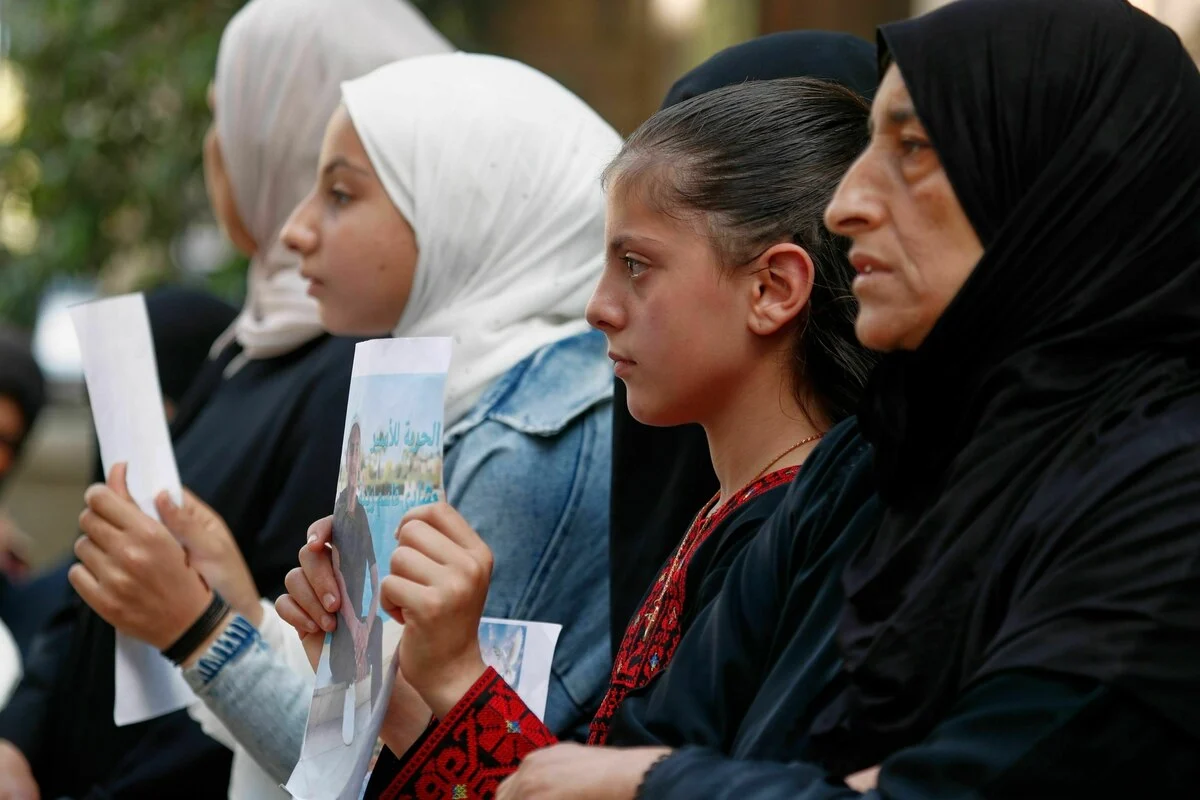
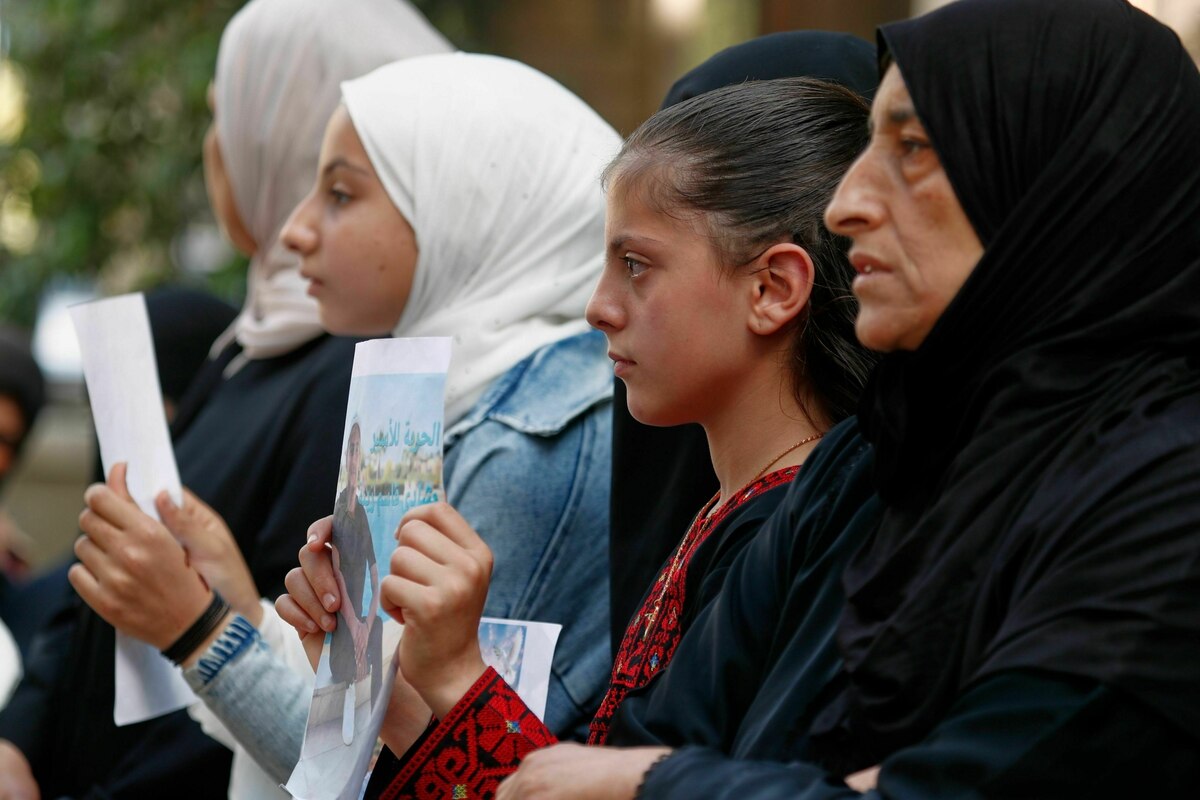
The immediate aftermath of the Jamla killing and the broader pattern of Israeli incursions has triggered widespread public outrage across Syria. Protests have erupted in several key cities, including Idlib, Homs, Damascus, and Dara’a. These demonstrations are a potent expression of popular discontent and a clear demand for greater security and an end to the Israeli attacks. Reports from local media indicate that demonstrators are calling for their government to take more decisive action to protect its citizens and sovereignty. The protests serve as a reminder of the deep impact of these military operations on the civilian population and their desire for peace and stability, even as their country grapples with internal political transitions and external pressures. The unified nature of these protests across different regions of Syria suggests a shared national grievance that transcends local divisions.
Path Forward: Uncertainty and Escalation Risks
The current situation in Southwest Syria is precariously balanced, with numerous factors pointing towards continued uncertainty and a high risk of further escalation. Israel’s determined and sustained military campaign, driven by its perceived security threats and internal political considerations, clashes directly with Syria’s insistence on sovereignty and its efforts to rebuild and stabilize after years of conflict. The humanitarian crisis for the local population, caught in the crossfire and facing displacement, arrests, and destruction of livelihoods, continues to deepen.

The international community faces the challenge of upholding international law while navigating the complex security interests of all parties involved. Without a concerted diplomatic effort to de-escalate tensions and establish clear channels of communication, the cycle of raids, condemnations, and civilian casualties is likely to persist. The potential for miscalculation, particularly in a region as volatile as Southwest Syria, remains high, threatening to ignite a broader conflict with far-reaching consequences for the entire Middle East. The contrasting objectives—Israel’s indefinite presence versus Syria’s demand for withdrawal—suggest that a comprehensive and lasting resolution remains a distant prospect, leaving the fate of Southwest Syria and its inhabitants in a state of perilous flux.