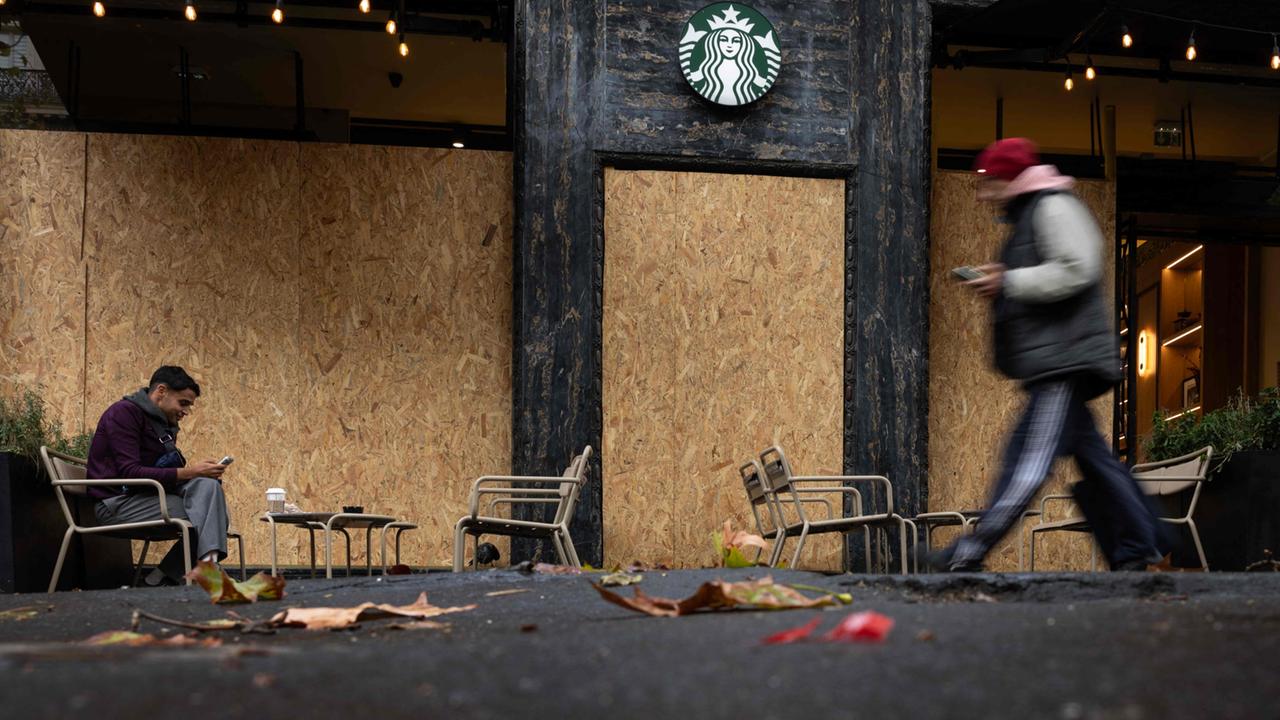
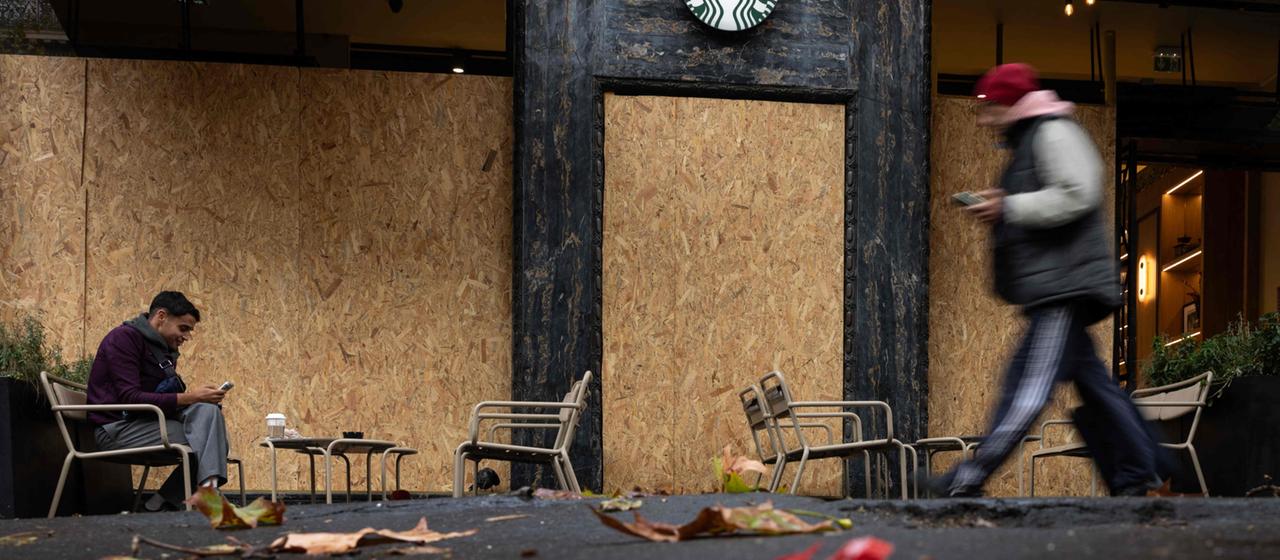
Paris, France – October 23, 2026 – France is on edge, preparing for another day of potential nationwide protests following a tumultuous weekend marked by widespread rioting and a chilling, racially charged attack near the capital. The government is deploying an unprecedented security force, comprising 70,000 police officers, in a determined effort to prevent a repeat of the chaos that has gripped the nation and exposed deep societal fissures. The streets of Paris, scarred by shattered storefronts and boarded-up windows, serve as a stark visual testament to the fear and uncertainty gripping the country.
The Lingering Scars of Weekend Violence
The atmosphere across France is heavy with apprehension as the nation grapples with the aftermath of the previous weekend’s unrest. In Paris, the tenth arrondissement, a vibrant district nestled between the bustling Gare du Nord and the iconic Place de la République, bears visible wounds. The once-proud shopfronts, now a mosaic of broken glass and hastily erected shutters, tell a story of widespread destruction. At the Boulevard de Magenta, the final plywood panels are being secured over the windows of an insurance office. Alain, overseeing the work, expressed the pervasive fear: "They already tried to set this place on fire, even with apartments above. The business owners are terrified of another incident, especially arson."
This sentiment of vulnerability is echoed by business owners and residents alike. Jeannot, an antique dealer, shared his anxieties: "We are scared. Some people are even sleeping in their shops." His recent visit to a weapons store in the neighboring second arrondissement to purchase tear gas highlights a growing trend of self-preparedness among citizens. Yves Goletty, the proprietor of the store, confirmed this surge in demand: "Traders, restaurant owners, private individuals. It’s the first time people are so concerned. They’ve become afraid." This widespread acquisition of self-defense items underscores a profound loss of faith in the state’s ability to guarantee security.
A Nation Under Strain: Government’s Response and Public Sentiment
The government’s response is a clear signal of its intent to regain control and project an image of resolute leadership. The deployment of 70,000 police officers, an increase from the previous weekend, signifies a significant escalation in security measures. This robust presence is complemented by nationwide curfews and bans on demonstrations, extending to major cities like Lyon and Marseille. President Emmanuel Macron has unequivocally stated the government’s stance: "The general recommendation is that there should be no demonstrations at all. If there are union organizers, we will determine the routes; otherwise, we will ban demonstrations wherever possible, so that there is calm and so that we can protect shops and public buildings."
This decisive action aims to quell further unrest and protect vital infrastructure and businesses. However, the underlying public sentiment remains complex. The newspaper Le Parisien, citing police sources, suggests that up to half a million people could potentially take to the streets, indicating that the grievances fueling the protests are far from resolved. The government’s narrative is that the weekend’s violence was instigated by a small, radical fringe, often referred to as the "black bloc," composed of far-left extremists and opportunistic criminals engaging in looting and destruction. This official explanation, however, faces scrutiny from local authorities. Mayors of Paris and Marseille have voiced criticism, suggesting that the police command underestimated the situation and that security forces were overwhelmed. These contrasting perspectives highlight the challenges in understanding and addressing the root causes of the unrest.
The Shadow of Racially Motivated Violence
Adding a grim and deeply disturbing dimension to the already volatile situation is the alleged racially motivated attack in Trappes and La Verrière, southwest of Paris, which occurred on the eve of the planned protests. This incident has the potential to further inflame already simmering tensions across the country. According to the responsible mayors, a 39-year-old previously convicted suspect allegedly shot and killed a passerby of African descent in a brazen daylight attack. Reports indicate that two of the injured were Black individuals, and another was of Maghrebin origin. A twelve-year-old child was also severely injured in the assault. While the investigation is ongoing, the preliminary indications of a racist motive have sent shockwaves through the community and amplified fears of escalating xenophobia and inter-group conflict.
The Rise of the Far-Right: Rassemblement National’s Strategic Positioning
Amidst this backdrop of national turmoil, the Rassemblement National (RN) is strategically positioning itself, aiming to capitalize on the prevailing public sentiment. The party is set to hold its congress in Orléans, a city steeped in French history and the birthplace of national heroine Joan of Arc. This choice of venue is undoubtedly symbolic, aiming to evoke a sense of national pride and strength.
The RN anticipates a counter-demonstration of up to 30,000 individuals in Orléans, a prospect that has prompted Mayor Serge Grouard to declare a strong stance against any disorder: "There will be no chaos here. Orléans must be protected." The party’s leadership, particularly its presumed presidential candidate Marine Le Pen, is leveraging the current climate to solidify its support base and project an image of competence and authority. Le Pen, currently leading in presidential polls by a significant margin, has publicly called upon the government to ensure the security of their party congress, stating, "Of course, we have security guarantees. And the government has understood that it must ensure that the congress can proceed under good conditions." This statement underscores the RN’s adeptness at navigating the political landscape and extracting political advantage from national crises. The party aims to leverage its current strong standing in opinion polls to further solidify its position ahead of the upcoming presidential elections, presenting itself as a viable alternative to the incumbent government.
Deconstructing the Violence: A Complex Mosaic
The question of how the violence erupted is multifaceted, with various actors offering differing interpretations. The prevailing official narrative, as articulated by government officials, seeks to differentiate between peaceful protesters exercising their democratic rights and a violent minority intent on destruction. French Prime Minister Lecornu has described these perpetrators as "criminals" driven by a desire to "loot and destroy," often attributing their origins to the marginalized Parisian suburbs. This explanation, however, has not gone unchallenged.
The sheer scale of the protests, with estimates ranging from 500,000 to 800,000 participants nationwide, suggests that the underlying grievances are deeply rooted and widespread, encompassing a variety of social and economic concerns. These peaceful demonstrations, while distinct from the rioting, highlight a significant segment of the population expressing discontent with the status quo. The subsequent violence, often attributed to a "black bloc" of far-left activists, has created a complex and often blurred line between legitimate protest and criminal behavior.
The criticism leveled by the mayors of Paris and Marseille regarding the police’s initial underestimation of the situation further complicates the official narrative. Their assertion that security forces were "simply overwhelmed" suggests systemic issues within law enforcement’s preparedness and response capabilities. This discrepancy in perspectives between national leadership and local authorities underscores the challenges of maintaining order and public trust in times of widespread unrest. The scenes of violence witnessed across France are likely to remain a significant point of contention and reflection for the foreseeable future, prompting a deeper examination of the socio-economic factors and policing strategies that contribute to such widespread public disorder. The nation now stands at a critical juncture, grappling with the immediate need for security while simultaneously facing the imperative to address the underlying issues that fuel such profound societal disquiet.