Washington, D.C. – Miami. Donald Trump, a figure who polarizes and captivates the American political landscape like few others, remains deeply unpopular with a significant portion of the electorate. Yet, this widespread disapproval of the former President does not automatically pave the way for a resounding Democratic victory. The reasons are multifaceted, pointing not only to the enduring complexities of American politics but, crucially, to internal dynamics and strategic challenges within the Democratic Party itself.
The seemingly straightforward equation – an unpopular opposition leader should translate into gains for the incumbent party – has become a vexing paradox for Democrats. As the nation gears up for crucial midterm elections, the party finds itself navigating choppy waters, wrestling with voter sentiment, economic headwinds, and the intricate dance of messaging.
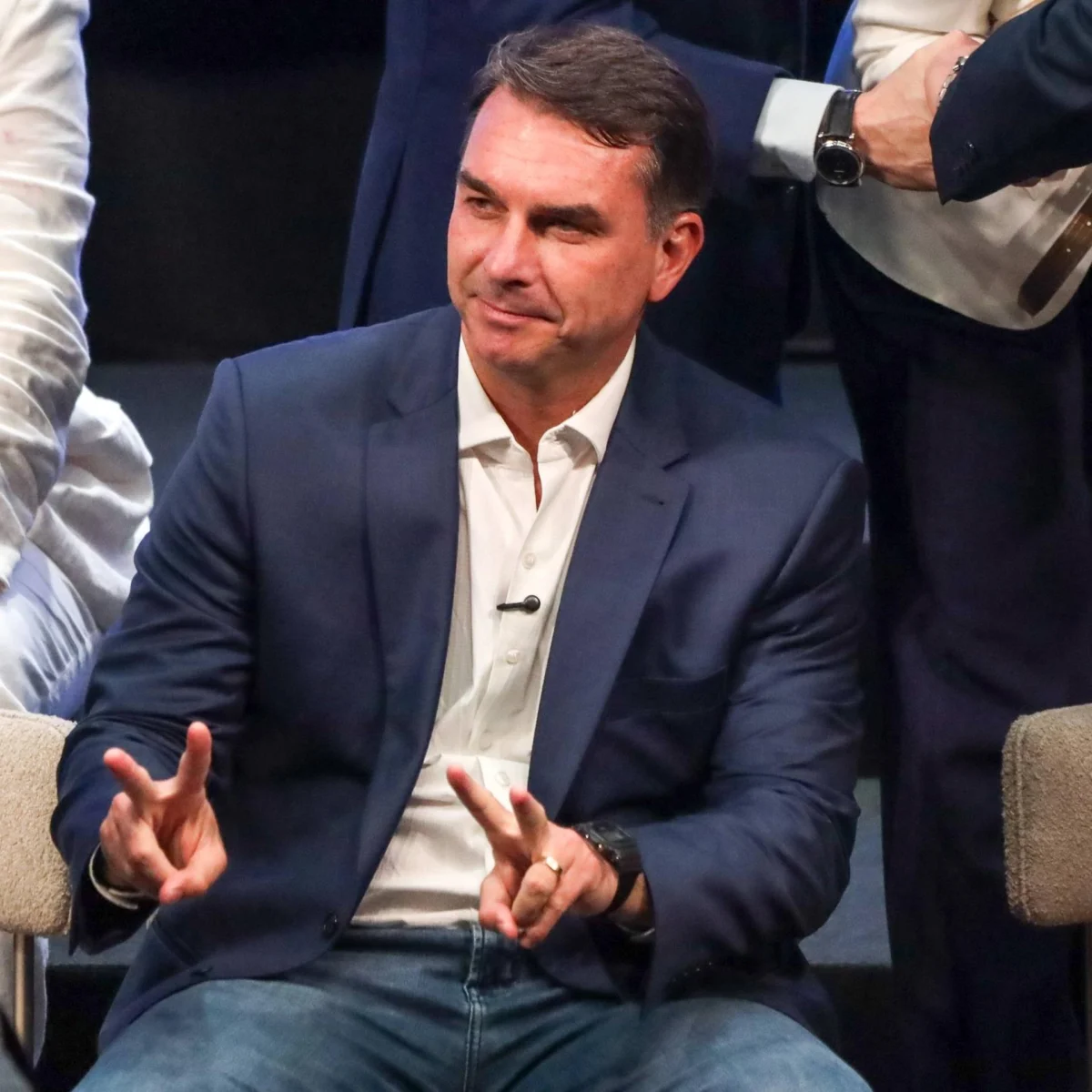
One of the party’s brightest stars, Senator Jon Ossoff of Georgia, embodies this paradox. When Ossoff, 39, takes the stage, he effortlessly commands attention. His speeches are met with enthusiastic applause for his sharp remarks, boisterous laughter for his well-timed jokes, and a chorus of boos when he dismissively mentions the former President. After his rallies, he embraces supporters, posing for countless selfies. His campaign appearances, like a recent one in Atlanta, are masterclasses in charisma – a vital currency in American elections. Eloquent, poised, and personable, Ossoff is lauded as a moderate, a rising star, and even a potential presidential candidate for 2028, despite his repeated denials.

However, Ossoff’s personal appeal exists within a broader, more challenging political reality. His immediate task is to defend his Senate seat in the upcoming November midterm elections, a battle critical for the Democrats’ slim chances of retaining a majority in the U.S. Senate. This fight takes place in Georgia, a state that Donald Trump narrowly carried in a previous election, underscoring the razor-thin margins and intense partisan divisions that define contemporary American politics.
The Shifting Sands of American Politics: A Recent Chronology
The political landscape leading to the current moment is marked by seismic shifts, particularly since the 2016 election of Donald Trump. His presidency, characterized by unprecedented political disruption and a fervent base, fundamentally altered traditional party alignments and voter expectations.
2016-2020: The Trump Era and Democratic Response
Following Trump’s surprising victory in 2016, the Democratic Party entered a period of introspection and realignment. The "resistance" movement galvanized many, but it also highlighted the party’s internal ideological struggles between its progressive and moderate wings. The 2018 midterms saw a significant "blue wave," giving Democrats control of the House of Representatives, largely fueled by anti-Trump sentiment and suburban voter shifts. This success, however, did not fully resolve the party’s strategic quandaries.

The 2020 presidential election was a pivotal moment. Joe Biden, a moderate, emerged as the Democratic nominee, positioned as a unifying figure capable of defeating Trump. His victory, along with the subsequent Senate runoff wins in Georgia by Ossoff and Raphael Warnock, signaled a potential shift in battleground states and demonstrated the power of grassroots organizing and demographic changes. Georgia, long considered a Republican stronghold, became a symbol of this emerging Democratic potential. Ossoff’s victory, specifically, was historic, flipping a long-held Republican seat and contributing to the Democrats’ narrow Senate majority.
Post-2020: Governing Challenges and Public Sentiment
Upon taking office, President Biden faced a formidable array of challenges, including a global pandemic, economic instability, and deep partisan divisions. His administration successfully passed significant legislation, such as the American Rescue Plan and the Infrastructure Investment and Jobs Act. However, these legislative victories often struggled to cut through the noise of daily life and were sometimes overshadowed by persistent concerns.
Crucially, the withdrawal from Afghanistan, rising inflation, and ongoing supply chain issues began to erode public confidence in the administration. By the time the current midterm cycle began, President Biden’s approval ratings had dipped significantly, creating an uphill battle for Democratic candidates across the country. The initial euphoria of 2020 had given way to a more pragmatic, and often frustrated, public mood.

Supporting Data: A Landscape of Uncertainty
Several key indicators underscore the Democratic Party’s precarious position despite Trump’s persistent unpopularity.
Donald Trump’s Enduring Unpopularity:
While Trump maintains a fiercely loyal base, his overall approval ratings have consistently remained underwater. Even after leaving office, numerous polls show him with unfavorable ratings exceeding favorable ones among the general population. For example, aggregate polling data frequently showed Trump’s approval hovering in the low 40s during his presidency, a trend that has largely continued post-presidency when assessed as a public figure. This makes him one of the most consistently unpopular presidents in modern American history. The expectation, therefore, is that voters would naturally gravitate away from candidates associated with him.
President Biden’s Approval Ratings:
A significant challenge for Democrats is the performance of the current administration. President Biden’s approval ratings have experienced a notable decline since early in his term. While initially enjoying a honeymoon period, his approval has often hovered in the low to mid-40s, a critical threshold below which the incumbent party typically struggles in midterms. Historical data suggests that when a president’s approval rating is below 50% going into midterms, their party almost invariably loses seats in Congress. This national sentiment creates a strong headwind for individual Democratic candidates, regardless of their local appeal.
Midterm Election Historical Trends:
American history strongly indicates that midterm elections are often a referendum on the sitting president and tend to favor the opposition party. Since World War II, the president’s party has lost seats in the House in all but three midterm elections (1934, 1998, 2002). Senate losses, while less consistent, also frequently occur. This historical pattern suggests that even without a particularly strong Republican counter-narrative, Democrats face an inherent disadvantage simply by being the party in power.
Economic Concerns:
Perhaps the most potent factor impacting voter sentiment is the economy. Soaring inflation, particularly in gas prices, groceries, and housing costs, has directly affected the daily lives of millions of Americans. Surveys consistently show that economic issues are top of mind for voters. Despite positive job growth and a low unemployment rate, the perception of economic hardship, especially due to inflation, often outweighs other factors. When voters feel their pocketbooks are being squeezed, they tend to hold the party in power accountable.
Battleground States and Demographic Shifts:
Georgia serves as a microcosm of the national political struggle. Once reliably red, demographic changes (growth in urban and suburban areas, increased minority voter participation) have transformed it into a genuine swing state. Ossoff’s 2020 victory, along with Senator Warnock’s, was a testament to the power of these shifts. However, these victories were hard-won, often by razor-thin margins, indicating that the state remains deeply competitive. The challenge for Democrats is to consistently mobilize this diverse coalition, especially in a midterm cycle where voter turnout tends to be lower and the electorate older and whiter.

Official Responses and Campaign Strategies
In response to these complex political dynamics, both parties have refined their messaging and campaign strategies, often revealing the fissures within their own ranks.
Democratic Messaging: A Balancing Act
The Democratic Party faces a delicate balancing act. On one hand, they seek to highlight legislative achievements, such as investments in infrastructure and climate change initiatives. On the other, they grapple with the public’s immediate economic anxieties.
- Focus on Accomplishments: Democrats frequently emphasize the bipartisan infrastructure bill, the Inflation Reduction Act (despite its name, its immediate impact on inflation is debated), and efforts to lower prescription drug costs. They portray these as tangible benefits delivered to American families.
- Defending Democracy and Reproductive Rights: Following events like the January 6th Capitol attack and the overturning of Roe v. Wade, Democrats have increasingly leaned into themes of protecting democracy and defending fundamental rights. They frame the election as a choice between democratic norms and extremist ideologies, hoping to mobilize their base and appeal to moderate voters concerned about these issues.
- Economic Blame Game: While acknowledging economic pain, Democrats often attribute inflation to global factors (e.g., the war in Ukraine, supply chain disruptions) and corporate greed, rather than solely to administration policies. They also criticize Republican economic plans, arguing they would exacerbate inequality.
- Candidate Positioning: Candidates like Jon Ossoff, recognizing the need to appeal beyond the party’s base, often emphasize their moderate stance and focus on local issues that resonate with Georgia voters. Ossoff’s charisma allows him to connect with diverse groups, avoiding the more divisive national progressive rhetoric that might alienate swing voters. He champions practical solutions and demonstrates a willingness to work across the aisle, positioning himself as an effective legislator rather than a partisan warrior.
Republican Counter-Messaging: Uniting Around Discontent
Republicans, despite their own internal divisions and the lingering shadow of Donald Trump, have found common ground in criticizing Democratic governance.

- Economic Attacks: The primary Republican message centers on the economy, blaming Biden’s policies for inflation, high gas prices, and an overall sense of economic insecurity. They argue that excessive government spending has fueled inflation and that Democratic policies are detrimental to business and job creation.
- "Woke" Policies and Cultural Issues: Republicans frequently attack what they term "woke" policies on social issues, education, and immigration. These cultural grievances, often amplified by conservative media, energize their base and aim to appeal to independent voters who feel alienated by progressive stances.
- Crime and Border Security: Concerns about rising crime rates in some cities and the situation at the southern border are also prominent Republican talking points, used to paint Democrats as soft on law and order and ineffective on national security.
- Trump’s Enduring Influence: While some Republicans seek to distance themselves from Trump’s more extreme rhetoric, many candidates embrace his "America First" agenda and appeal directly to his base. Trump himself continues to hold rallies, endorse candidates, and wield significant influence, often forcing Republican candidates to align with his narratives, even in moderate districts.
Party Leadership and Strategy:
The Democratic National Committee (DNC) and congressional campaign committees are working to coordinate messaging and resource allocation. They face the challenge of boosting national turnout while empowering local candidates to tailor their messages to specific constituencies. For example, in Georgia, the Democratic Party’s strategy likely involves a robust ground game to register and mobilize voters, a tactic that proved successful in 2020 and 2021. They also invest heavily in data analytics to identify persuadable voters and refine their outreach.
Implications: Beyond the Midterms
The outcome of the current election cycle holds profound implications, extending far beyond the immediate control of Congress.
Impact on the 2024 Presidential Election:
Midterm results are often a bellwether for the next presidential election. A significant Republican takeover of Congress would not only hamstring the remainder of Biden’s term but also strengthen the Republican Party’s narrative heading into 2024. It could encourage more Republican contenders, potentially including Donald Trump, to mount strong presidential campaigns. Conversely, if Democrats manage to defy historical trends and hold their ground, it would provide a much-needed boost for President Biden or another Democratic nominee. The performance of rising stars like Jon Ossoff will be closely watched as an indicator of future leadership potential within the party.

Legislative Agenda and Governance:
Control of Congress directly impacts the ability to pass legislation. If Republicans gain control of either the House or Senate (or both), President Biden’s legislative agenda would likely come to a halt. This could lead to a period of legislative gridlock, with Republicans focusing on investigations, oversight, and blocking Democratic initiatives. Key policy areas like climate change, healthcare reform, and social spending could face significant hurdles or even attempts at reversal.
Future of the Democratic Party:
The midterms will force the Democratic Party to confront its internal ideological tensions. A poor showing might lead to further debates about the party’s direction – whether to lean further into progressive policies to energize the base or to pivot back to a more centrist platform to appeal to swing voters. The rise of figures like Ossoff suggests a future where moderate, charismatic leaders might play a crucial role in bridging these divides and winning in competitive states. However, maintaining unity between the diverse factions (progressives, moderates, various identity groups) will remain a persistent challenge.
Future of the Republican Party:
For Republicans, the midterms will test the enduring influence of Donald Trump. A strong performance by Trump-backed candidates might solidify his role as the party’s de facto leader, potentially clearing his path for a 2024 presidential bid. However, if some of his more controversial endorsements falter, it could empower other Republican leaders to challenge his dominance and steer the party in a different direction, perhaps towards a more traditional conservative platform. The election will also reveal how effectively the party can unite its various factions, from the populist right to traditional conservatives, around a common agenda.

State-Level Impact and Electoral Maps:
The intense focus on states like Georgia highlights their growing importance in national politics. Continued Democratic success in such states would cement their status as competitive battlegrounds, necessitating sustained investment and strategic engagement from both parties. The outcome will also influence state-level policy, redistricting efforts, and the political careers of numerous local and state officials, further shaping the long-term electoral map.
In essence, while Donald Trump’s shadow looms large over American politics, his unpopularity alone is insufficient to guarantee Democratic victories. The upcoming elections are not merely a referendum on the past but a complex interplay of economic realities, voter sentiment, party strategy, and the emergence of new political figures. The Democratic Party’s ability to navigate these intricate currents, rather than simply relying on the opposition’s perceived weaknesses, will ultimately determine its fate.