The struggle for the Brazilian presidency has transcended the traditional soapbox, moving into a digital arena where algorithms, artificial intelligence, and viral misinformation campaigns hold as much sway as economic policy. As Brazil braces for the final showdown between incumbent Luiz Inácio Lula da Silva and his right-wing challenger—represented on the ground by Flávio Bolsonaro, acting as a proxy for his father, the former president Jair Bolsonaro—the nation finds itself at a critical crossroads. The election is no longer just a contest of political platforms; it is a battle for the digital soul of the country.
The Political Dynasty and the Ground Game
In the humid evening air of Salvador da Bahia, ACM Neto, a prominent figure in the northeast’s political establishment, commands a crowd that, while passionate, lacks the sheer mass of historic rallies. "Flávio," he bellows toward the stage, "you must help us, even if the PT (Workers’ Party) still governs here."
Flávio Bolsonaro, the eldest son of the firebrand former president Jair Bolsonaro, has stepped into the breach to lead the campaign for the runoff. His father, whose tenure was marked by volatility and a failed insurrection attempt, remains a polarizing figure. Yet, the younger Bolsonaro has managed to capitalize on the deep-seated grievances of a disillusioned electorate. Despite his lack of his father’s raw, inflammatory charisma, Flávio has successfully mobilized segments of the population—particularly those disenchanted with the status quo—by framing the election as a binary choice between "freedom" and the "threat" of the PT.
Chronology: From First Round Shock to Final Mobilization
The political landscape shifted dramatically on October 4. In a surprising turn, Flávio Bolsonaro’s camp secured 47.05% of the vote in the first round, narrowly outpacing Lula’s 45%. For the PT, this result was a wake-up call. The campaign had been confident of an outright victory, but the reality of the right-wing resurgence in the Senate and regional governorships proved that the Bolsonaro movement—and the broader PL (Liberal Party)—had solidified a significant base.
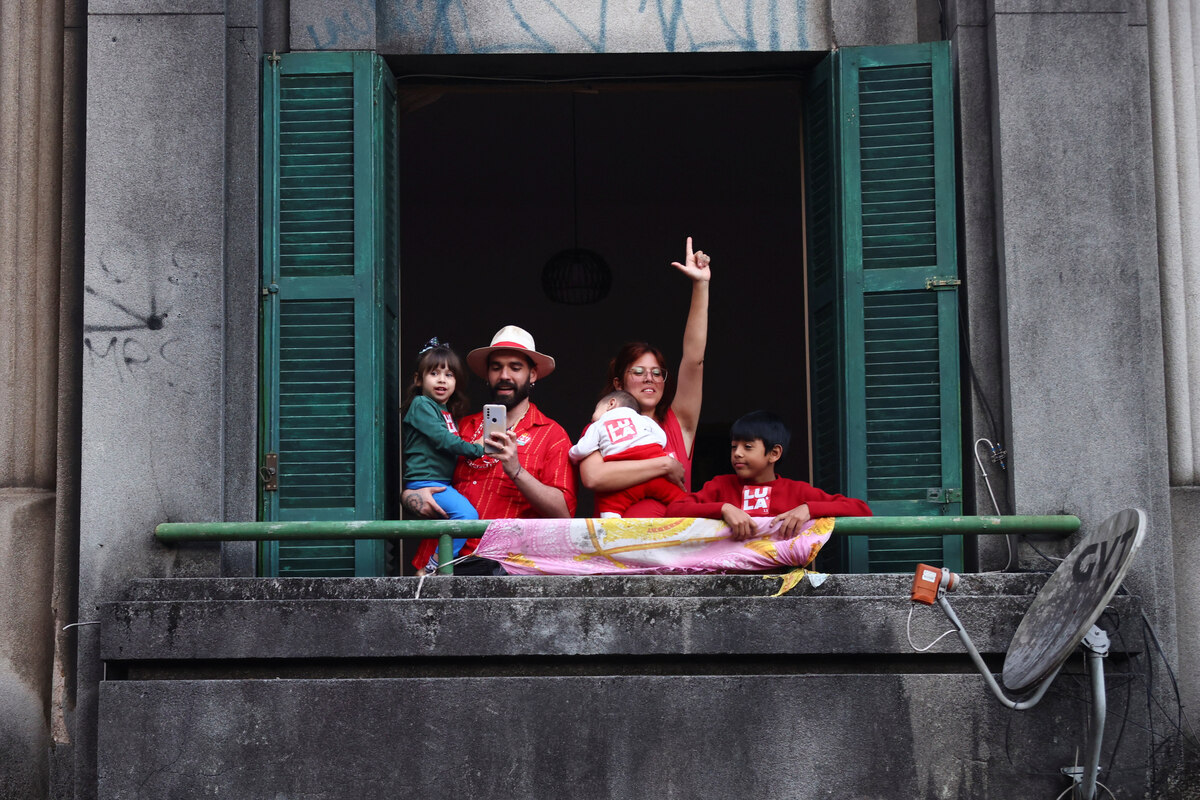
As the October 25 runoff approaches, the campaign has descended into a frantic race to capture the hearts and minds of the 20% of the electorate who abstained in the first round—a historic low in participation for the last 30 years. While Bolsonaro pivots to promises of increased pensions and neoliberal reforms, the left has been forced to abandon its "analog" comfort zone, realizing that the election will be won or lost in the digital trenches.
The Digital Echo Chamber and the AI Threat
The most disturbing development in this election cycle is the sophisticated weaponization of social media. Flávio Bolsonaro presents himself as a "man of change," a narrative bolstered by digitally enhanced imagery and AI-generated content. WhatsApp groups have become ground zero for disinformation, where AI avatars are used to distort the words of President Lula, splicing speeches to create inflammatory, fabricated soundbites.
Nikolas Ferreira, a PL deputy and influential content creator, has been at the forefront of this digital offensive. Courts have had to intervene, issuing injunctions to prevent Ferreira and fellow influencer Pablo Marçal from disseminating debunked falsehoods and from artificially boosting their reach through paid advertisements on Meta platforms.
Research from the DataSenado institute indicates that over half of Brazilians now rely primarily on digital platforms—specifically Instagram—for their political news. In these closed "bubbles," a parallel reality is constructed. Even when scandals emerge—such as reports of the Bolsonaro family’s alleged ties to corruption or unsavory personal behavior—the "avatar" of the candidate remains untarnished for the faithful. The message is clear: if you are exposed to this closed worldview long enough, objective reality loses its power to persuade.

Supporting Data: The "Lula Army" Responds
Recognizing the digital disparity, the PT-led campaign launched a counter-offensive under the banner of "Exercito do Lula" (Lula’s Army). Guided by Deputy André Janones, a master of social media strategy, this movement has mobilized over 7.3 million "soldiers."
The strategy is precise:
- Algorithmic Manipulation: Followers are instructed to ignore provocations, as negative engagement only boosts the visibility of the opposition’s posts.
- Coordinated Action: Thousands of users post, like, and comment simultaneously to dominate the trending topics on Instagram and Twitter.
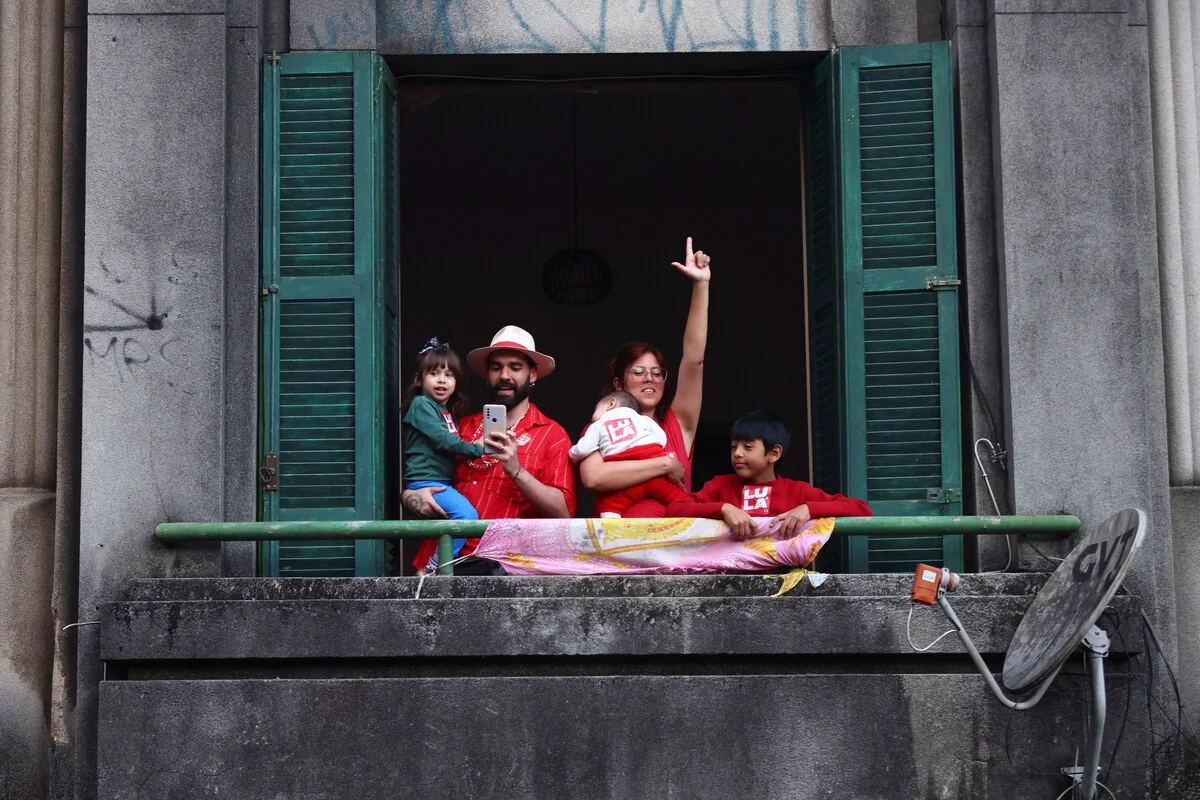
- Reclaiming Symbols: In a symbolic coup, the campaign successfully reclaimed the national flag and the green-and-yellow color scheme, which had been monopolized by the right, by flooding social media with images of "Lula-supporters" donning national colors.
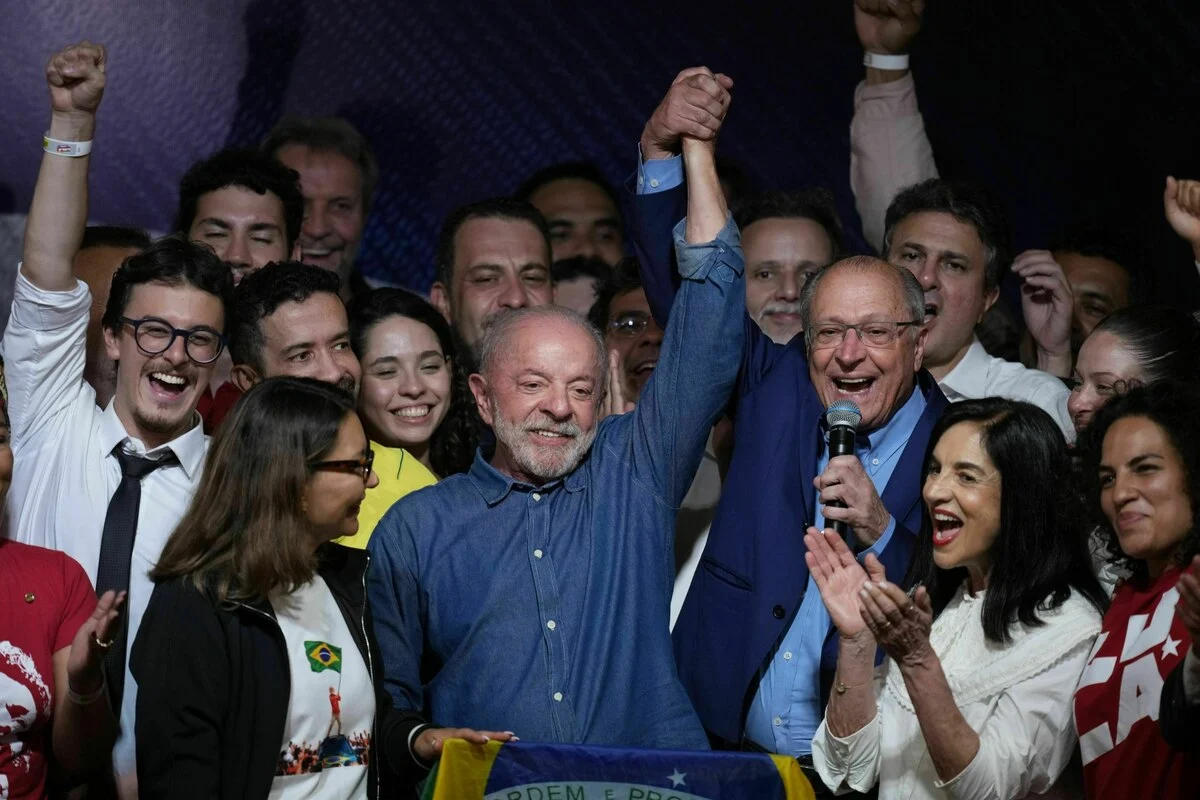
This digital surge has been mirrored by massive physical protests. On October 11, over one million people gathered on the Avenida Paulista in São Paulo, effectively reclaiming the space that Jair Bolsonaro had long claimed as his personal stronghold.
Official Responses and Meta’s Dilemma
The role of tech giants, particularly Meta, has come under intense scrutiny. The PT has accused the company of discriminatory practices, citing instances where AI-generated advertising for Lula was blocked while similar content for the Bolsonaro campaign faced no such hurdles. Meta has defended itself, citing technical glitches rather than ideological bias. However, for many, the damage to the democratic process is already done.

Legal battles are mounting. The PL has sought to block dozens of Instagram accounts and have hundreds of publications retracted, citing defamation. Legal experts, such as Lucas Mourão, have warned that these preemptive strikes against "misinformation" skirt dangerously close to state-sanctioned censorship, threatening to stifle political discourse even further.
Implications for Democracy and the Future
The implications of this election extend far beyond the borders of Brazil. If the right-wing coalition succeeds, it will signal the downfall of the last major leftist government in South America, potentially emboldening similar movements across the continent.
For the average citizen, the choice is visceral. In a crowded bus in Salvador, passengers chant for Lula, driven by memories of past poverty and the fear of returning to a state of total economic exclusion. For them, Lula represents a floor beneath which they will not fall. Conversely, the Bolsonaro base views the world through a lens of moral and economic "freedom," often finding solidarity in the political rhetoric of figures like Donald Trump and the perceived protection of the military and religious institutions.
As the final hours of the campaign tick down, the battle remains deadlocked. The "Lula-soldiers" are fighting against a well-oiled machine of digital disinformation that has proven resilient to fact-checking. Whether the mobilization of the youth, the cultural icons, and the organized social media grassroots will be enough to turn the tide against the digital "avatar" of the Bolsonaro camp remains the central, unresolved question of this election.

Brazil stands at a precipice. The outcome on Sunday will not just determine the next president; it will determine whether the democratic process can withstand the pressure of a digital landscape where truth is increasingly a matter of partisan perspective rather than objective fact. The noise of the protest, the rashing of pots in the streets, and the relentless stream of content on smartphones all point to a nation that is deeply divided, exhausted, and desperately waiting for a resolution that feels increasingly precarious.