Tel Aviv, Israel – October 22, 2026 – As Israel approaches its pivotal parliamentary elections on October 27, 2026, the national discourse is predictably dominated by pressing security concerns. Yet, beneath the surface of geopolitical anxieties, a profound economic crisis, exacerbated by three years of sustained conflict, has taken root. For millions of Israelis, the upcoming vote transcends traditional security paradigms, evolving into a critical referendum on the nation’s economic future and the crippling cost of living. The protracted state of war has not only drained the public coffers but has also severely impacted the daily lives of citizens and the resilience of a once-booming economy, pushing financial stability to the forefront of voter priorities.
The Weight of War: A Personal Struggle
The economic fallout is acutely felt by individuals like Asaf Beeri, a seasoned tour guide in Tel Aviv. His once-thriving business, centered around guiding international groups through Israel’s historical and cultural landscapes, has been decimated by the war. "Since the war began, tourist groups have all but vanished," Beeri laments, his voice tinged with frustration. "And even when visitors do arrive, their immediate observation is almost always about how expensive everything is here."
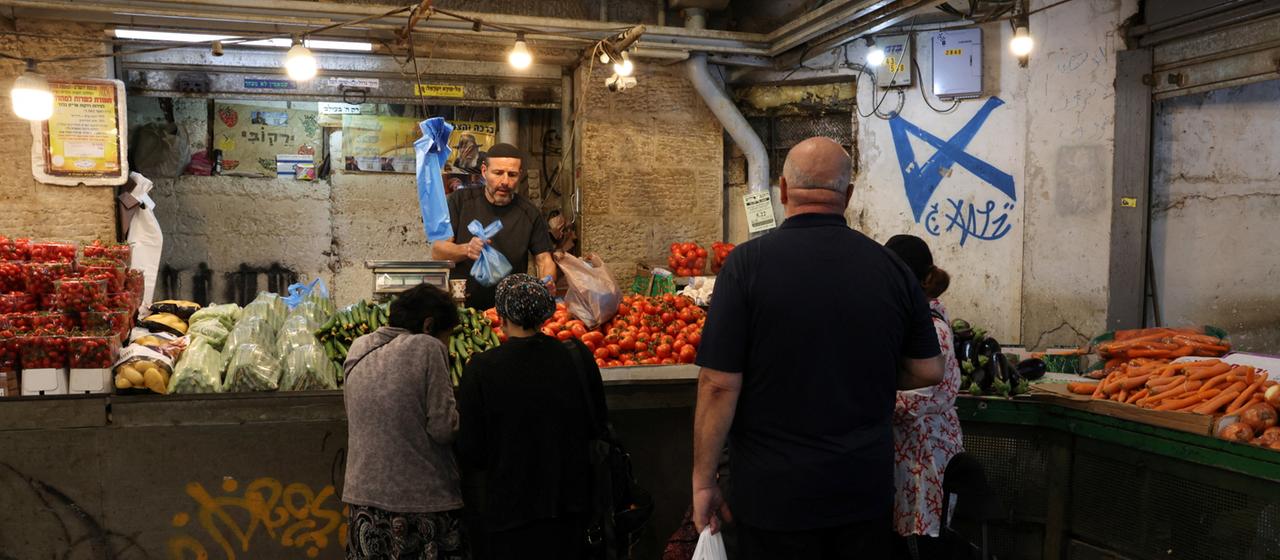
Beeri understands their sentiment profoundly. "They taste the food, they enjoy the sights, but then they say, ‘It’s incredibly expensive in Israel.’ And they are right," he asserts. The cost of living has skyrocketed to an "unprecedented and dramatic" level, a reality he attributes partly to the government’s decision to raise the Value Added Tax (VAT) during the conflict. This increase, intended to bolster wartime finances, has instead squeezed household budgets already struggling under inflationary pressures.
The financial strain has forced Beeri to drastically alter his lifestyle. "I eat out less often, I don’t travel anymore. I would have loved to move to a new apartment, but the rent is prohibitive. I wanted to buy a new car, but I’m holding off," he recounts, painting a stark picture of delayed aspirations and foregone pleasures. His personal financial situation has deteriorated steadily since the war’s onset, becoming a central factor in his electoral decision. "The longer this government continues the war, the more difficult it becomes for me financially. Many people feel this way – the frustration is palpable."
While national security and an end to the conflict remain paramount concerns for Beeri, the economic imperative is undeniable. He also expresses a fervent desire for a government that can unite, rather than further divide, Israeli society – a sentiment that underscores the multifaceted anxieties gripping the nation.
Navigating a Multi-Job Economy: The Plight of the Entrepreneur
To make ends meet, Beeri has taken on additional roles, including working as a graphic designer. However, even this alternative income stream has been impacted. "Graphic design is a luxury for businesses," he explains. "Companies, facing these challenging times, are forced to weigh their expenses carefully: ‘Do I pay salaries, or do I invest in marketing?’ There are fewer clients, and everyone is looking to save even more. The state itself is pouring so much money into the war effort, leaving less for other sectors."
His third endeavor involves working with reservists returning from the front lines. Many of these soldiers are traumatized, some unable to return to their previous professions. This highlights a deeper societal and economic wound: the war’s repercussions extend beyond public budgets and corporate balance sheets, directly impacting the lives of individuals striving to reintegrate into civilian life and the workforce. The mental health crisis among veterans, coupled with their difficulty in finding suitable employment, adds another layer of complexity to Israel’s economic recovery challenge.

A Nation’s Treasury Under Siege: The Staggering Cost of Conflict
The economic toll of the conflict is a national burden, felt across every sector and household. According to sobering estimates from the Bank of Israel, the three-year war has cost the Israeli economy an staggering sum exceeding 100 billion Euros. This monumental figure represents not just immediate military expenditures but also the cumulative impact of lost productivity, disrupted trade, decreased tourism, and increased social welfare demands.
Parallel to this, higher taxes continue to weigh heavily on private households. The VAT increase implemented two years ago, a direct consequence of the wartime fiscal strategy, has reduced disposable income for families already grappling with escalating prices for essential goods and services. Businesses, particularly small and medium-sized enterprises (SMEs), contend with significant production losses and a chronic shortage of labor. The frequent mobilization of reservists, a necessary measure for national security, simultaneously drains the civilian workforce, leading to operational disruptions and project delays.
Even Israel’s vaunted high-tech sector, often hailed as the engine of its economic prowess and a robust source of exports, has not been immune. While generally resilient, the sector faces its own unique challenges. The repeated call-up of highly skilled reservists – engineers, software developers, cybersecurity experts – disrupts innovation cycles, postpones product launches, and places immense pressure on companies to maintain continuity with depleted teams. This "brain drain" during critical periods threatens Israel’s competitive edge in a global technology market.
Expert Insights: Long-Term Economic Scars
Ayal Kimhi, a senior economist at the prestigious Shoresh Institute in Rehovot, meticulously monitors the far-reaching consequences of the war on both businesses and society. He notes a curious disconnect in the current political discourse: "While the economic situation currently plays a minor role in the parties’ election campaigns, its effects on the population are significant and growing." This oversight, he warns, could have profound long-term implications.
Kimhi offers a stark assessment of the financial damage: "The next government will have to compensate for these losses. The losses from the war are equivalent to Israel’s entire economic output for a full year. It’s as if everyone worked for a year but received nothing in return." This analogy underscores the immense scale of the economic destruction, a burden that will inevitably fall upon future generations.
The researcher further elaborates on how the need to finance the colossal war expenditures places an "enormous strain" on the state budget. This diversion of funds, he argues, will inevitably come at the expense of crucial investments in infrastructure, education, research and development, and social programs – all vital components for sustained long-term economic growth. "The next generation will pay for this," Kimhi states unequivocally, "because the government is straining the budget so heavily at the cost of growth." The short-term exigencies of war are mortgaging the nation’s future prosperity.
The Broader Political Landscape: Security vs. Sustenance
The parliamentary elections on October 27, 2026, unfold against a backdrop of unprecedented national trauma and political upheaval. The devastating Hamas attack of October 7, 2023, and the subsequent protracted conflicts in the Middle East have profoundly reshaped Israel’s strategic outlook. Simultaneously, the ongoing corruption trial of Prime Minister Benjamin Netanyahu adds another layer of complexity and mistrust to the political arena, challenging the legitimacy of leadership at a time of national crisis.
Beyond security, several other critical issues resonate with voters. The contentious debate surrounding military service for ultra-Orthodox men, a long-standing point of contention, has gained renewed urgency amid wartime manpower demands. The high cost of living, however, has emerged as a silent but powerful electoral determinant, directly impacting the daily realities of every Israeli household.
Netanyahu and his right-wing religious coalition, led by the Likud party, face a formidable challenge. His primary rival is former Chief of Staff Gadi Eisenkot, leading the Yashar party. Eisenkot’s platform emphasizes strengthening the rule of law and adopting a firm stance on security matters, particularly against Hamas. However, his party, like others, must now articulate a credible plan for economic recovery that addresses the deep financial anxieties of the populace.
The current government’s economic policies, characterized by the VAT hike and significant military spending, have drawn criticism for not adequately cushioning the blow to ordinary citizens and small businesses. The focus has been almost entirely on financing the war, with less apparent attention paid to mitigating the domestic economic fallout. The upcoming election will force parties to confront this dichotomy head-on: how to ensure national security without bankrupting the nation or abandoning its citizens to insurmountable economic hardship.
Navigating an Uncertain Future: The Road Ahead
The question of how Israel will navigate and ultimately overcome these profound economic damages extends far beyond the immediate election cycle. Even if the security situation were to stabilize rapidly, the financial scars of three years of war will not simply fade away. The incoming government will be tasked with the daunting challenge of economic stabilization, a multi-pronged effort requiring strategic vision and decisive action.
This will involve implementing policies to support struggling businesses, particularly SMEs and the tourism sector, which are crucial for employment and local economies. It will also necessitate finding innovative ways to alleviate the burden on private households, perhaps through targeted subsidies, tax reforms, or social welfare programs, without further destabilizing the national budget. Creating new economic opportunities and fostering an environment conducive to investment and job creation will be paramount to reigniting growth.
Economist Ayal Kimhi raises a particularly concerning long-term implication: the war’s impact on the education sector. Many students have been forced to interrupt or even abandon their studies due to reserve duty. This disruption could lead to a critical shortage of qualified professionals in the years to come, posing a significant threat to an economy heavily reliant on technology, research, and a highly educated workforce. A deficit in skilled labor would not only hinder individual companies but could also stifle the development of new products, impede innovation, and curtail the creation of future jobs, thereby undermining Israel’s global competitiveness.
Thus, the economic challenges are cyclical and interconnected: businesses lose employees to military service, young people defer or halt their education, the state grapples with enormous financial outlays, and households endure spiraling living costs. For Asaf Beeri in Tel Aviv, and for countless other Israelis, the upcoming election is not merely about who governs, but about securing the financial breathing room needed to rebuild their lives, restore their livelihoods, and ultimately, to hope for an end to the protracted conflict that has so profoundly reshaped their nation’s destiny. The choice on October 27, 2026, will determine not just Israel’s leadership, but its path to recovery and resilience in the face of unprecedented challenges.