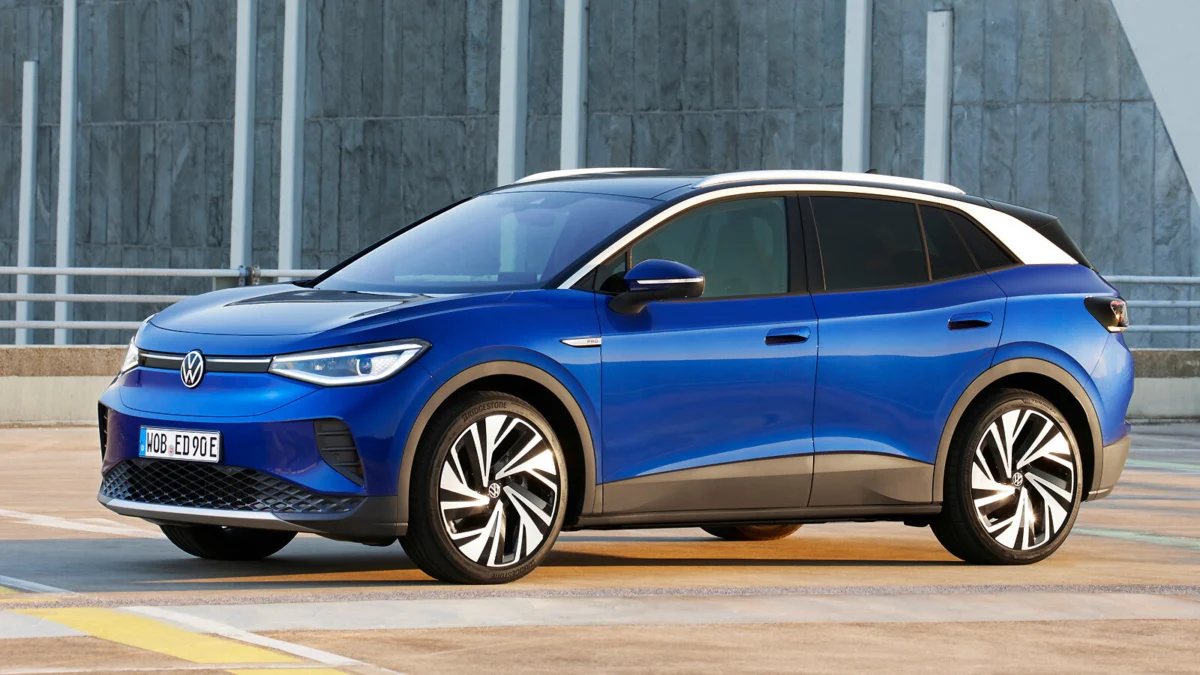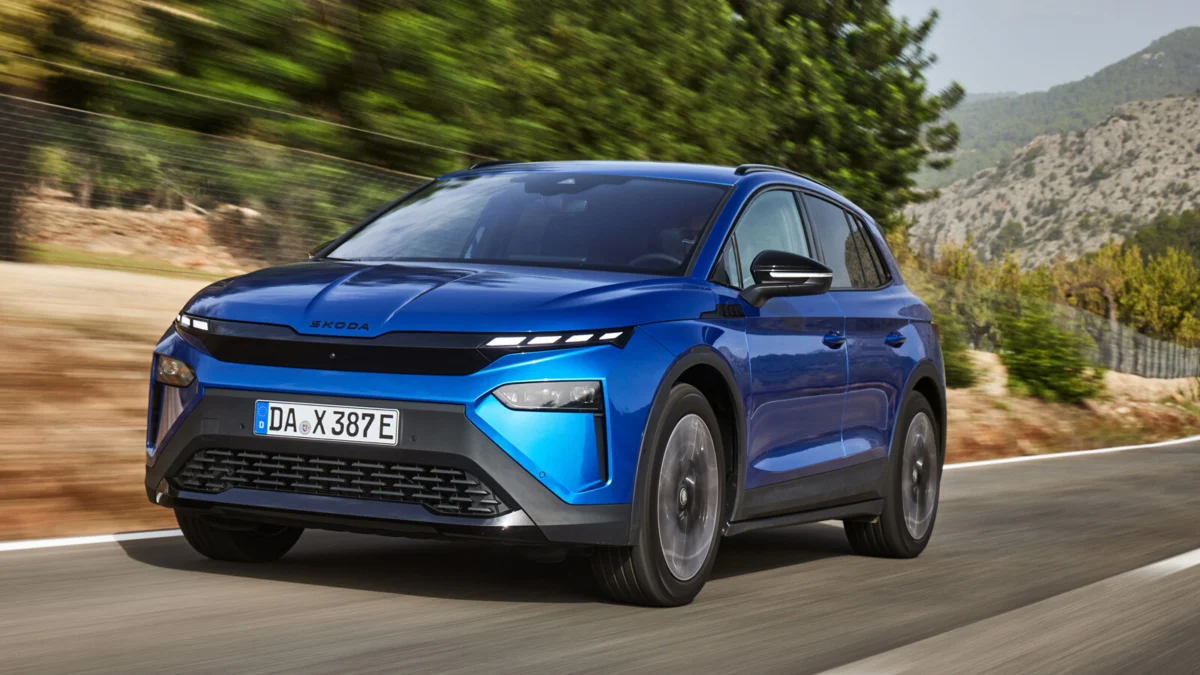
In a tectonic shift for the European automotive sector, the first nine months of 2026 have marked a historic turning point. New data released by the European Automobile Manufacturers’ Association (ACEA) confirms that battery-electric vehicles (BEVs) have not only surged in popularity but have officially outpaced internal combustion engines (ICE) in growth trajectory, effectively reshaping the continent’s mobility landscape.
As of September 2026, the European Union is witnessing a decisive transition toward electrification. With nearly 1.93 million new BEVs registered across the bloc, these vehicles now command a 22.7% market share—a staggering 6.6 percentage point increase compared to the same period in 2025. This surge stands in stark contrast to the fortunes of traditional fuel types, with registrations for both petrol and diesel vehicles plummeting by approximately one-fifth.
The Chronology of Change: From Niche to Mainstream
The momentum behind electric mobility has been building for years, but the 2026 data indicates a transition from early adoption to mass-market integration. Throughout the first three quarters of 2025, the automotive industry was still grappling with supply chain recovery and consumer hesitation. During that period, 1.3 million E-vehicles were registered. By comparison, the January-to-September 2026 period saw over 1.93 million registrations, reflecting a powerful upward trend that shows no sign of slowing down.
While hybrids (excluding plug-in hybrids) maintained a steady growth of 10.7%, and plug-in hybrids (PHEVs) saw a healthy rise of 18.6%, the pure battery-electric segment acted as the primary engine of growth, boasting an increase of 48.5%.
The data confirms a clear inverse correlation: as the electrification of the European fleet accelerates, the dominance of the combustion engine is evaporating. The petrol engine, which reigned supreme just a year ago with 2.23 million registrations in the first three quarters of 2025, saw its numbers shrink to 1.8 million in the same timeframe for 2026. Simultaneously, diesel engines have been relegated to a niche status, holding a mere 7.1% market share.
Supporting Data: Regional Disparities and Market Leaders
The transition to electric is not uniform, though the trend is overwhelmingly positive. Major automotive markets have become the primary drivers of this transformation.
Key Market Performance (Jan-Sept 2026)
| Country | BEV Registrations 2026 | Growth vs 2025 (%) |
|---|---|---|
| France | 387,342 | +79.1% |
| Germany | 604,144 | +58.1% |
| Italy | 101,716 | +66.7% |
| Denmark | 124,049 | +40.3% |
| Spain | 100,508 | +39.5% |
France and Germany have emerged as the powerhouses of this transition. France, in particular, recorded a remarkable 79.1% jump in BEV registrations. Germany remains the largest absolute market, with over 600,000 new electric vehicles hitting the roads. Conversely, countries like Cyprus and Poland bucked the trend, reporting minor declines of 4.4% and 5.5% respectively, highlighting that infrastructure and local economic policies remain critical variables in the rate of adoption.
The Rise of the PHEV and the Decline of Diesel
A notable development in 2026 is that plug-in hybrids have officially surpassed diesel vehicles in total registrations. The era of the "self-igniter" appears to be drawing to a rapid close, with Germany and Italy acting as the last major bastions for diesel, though even there, the market share is shrinking to levels previously unimagined. The shift to PHEVs suggests that many consumers are opting for a "bridge technology" that provides the benefits of electric driving for daily commutes while retaining the flexibility of a combustion engine for long-distance travel.
Corporate Winners and Strategic Realignment
The market data also reveals a fascinating power struggle among manufacturers. While legacy giants like the Volkswagen Group (including Porsche) managed to keep their registration numbers stable at 2.23 million units for the first nine months, the real story lies in the explosive growth of new market entrants and pure-play electric brands.
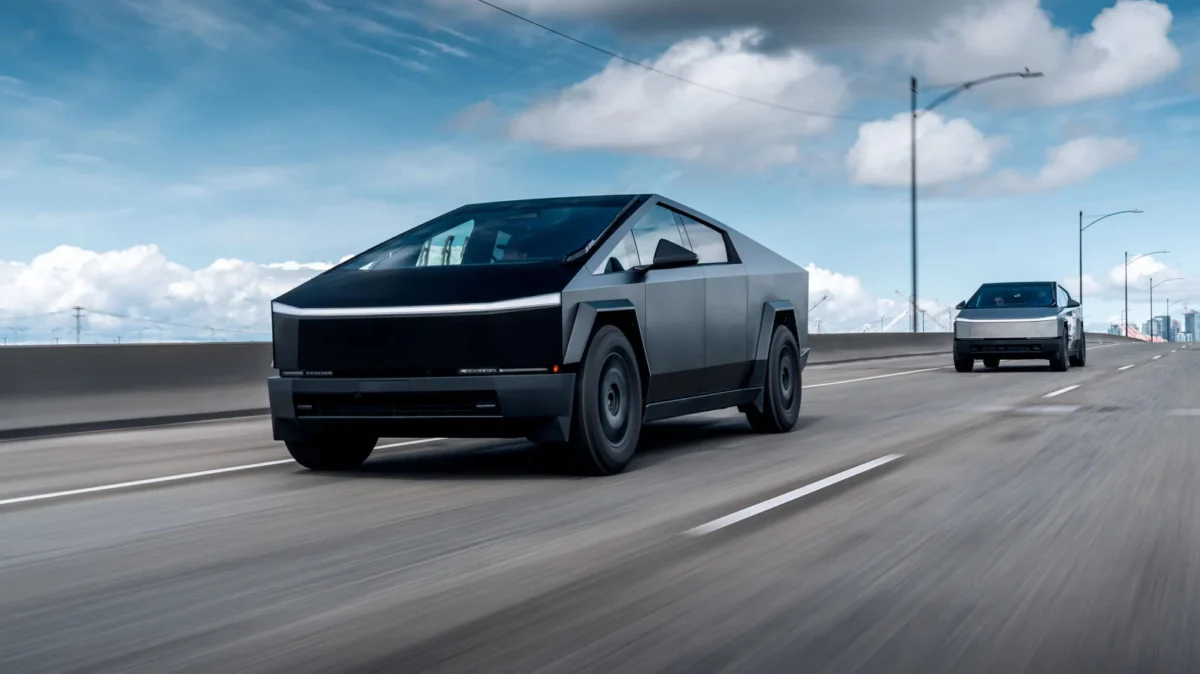
BYD, the Chinese automotive giant, saw its registrations in the EU skyrocket by 150%, reaching 206,002 vehicles. Tesla, the global pioneer of the electric transition, also continued its aggressive expansion, growing its registration numbers by approximately 70% to 188,035 units. BMW and Mercedes-Benz, meanwhile, posted modest gains of 4.6% and 3.6% respectively, indicating that established luxury German marques are successfully navigating the pivot to electric, albeit at a different pace than the EV-only challengers.
Official Perspectives and Industry Implications
Industry analysts view these figures as a vindication of the European Union’s "Fit for 55" legislative package and the broader decarbonization agenda. By setting stringent CO2 emission standards, the EU has forced manufacturers to prioritize their electric portfolios.
"The data for 2026 is a clear signal that the market has crossed the point of no return," says an analyst from the ACEA. "The cost-competitiveness of electric vehicles, combined with better charging infrastructure and more diverse model offerings, has finally convinced the average European consumer."
However, this transition is not without its tensions. Manufacturers are currently caught between the need to fund the massive R&D costs of electric platforms and the declining profitability of their legacy combustion engine lines. The struggle for market share, particularly against incoming international competitors, is forcing a radical restructuring of supply chains and labor forces.
Long-term Implications for the European Economy
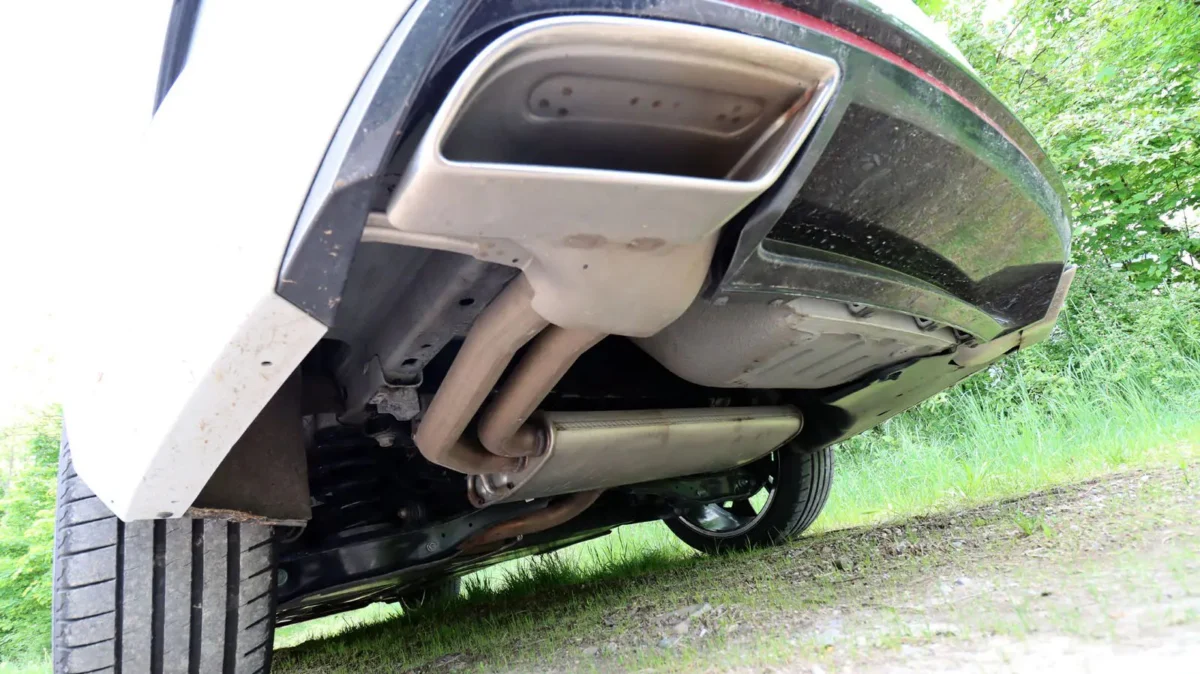
The rapid decline of the diesel engine, in particular, poses significant challenges for the automotive supply chain. Thousands of SMEs across Europe rely on the production of components specifically for combustion engines—transmissions, fuel injection systems, and exhaust hardware. As the market pivots, the structural shift in labor requirements will be one of the most significant socio-economic challenges for the EU in the coming decade.
Furthermore, the surge in electric vehicle registrations necessitates an urgent, synchronized upgrade to the European power grid. As 22.7% of the market becomes reliant on the electrical grid for fuel, the pressure on energy providers to ensure a stable, green, and affordable supply of electricity has never been higher.
Looking Ahead
As we move into the final quarter of 2026, the industry is closely watching whether the current growth rates can be sustained. With the total EU automotive market expanding by 5.7% to 8.52 million vehicles so far this year, the appetite for new mobility solutions remains high.
The year 2026 will likely be remembered in history books as the moment the internal combustion engine lost its grip on the European consumer. Whether this is viewed as a triumph of climate policy or a period of intense industrial turbulence depends on one’s vantage point, but one thing is certain: the era of the battery-electric vehicle has arrived in full force, and it is reshaping the continent one registration at a time.