New Delhi, India – October 2X, 2026 – US Secretary of State Marco Rubio recently concluded a high-stakes visit to India, a diplomatic mission aimed at bolstering economic cooperation, particularly in the energy sector, while simultaneously navigating persistent geopolitical and trade frictions. At the heart of his agenda was a concerted effort to promote increased Indian imports of Venezuelan crude oil and explore significant investment opportunities for Indian energy giants in the South American nation. This push comes amidst Washington’s complex strategy to stabilize global oil prices and exert influence in critical energy markets, even as US tariffs and restrictive immigration policies continue to strain the bilateral relationship.
Rubio’s trip, his second to the subcontinent this year, underscored the multifaceted nature of the Indo-US strategic partnership. While public rhetoric often emphasizes shared democratic values and converging geopolitical interests, particularly in the Indo-Pacific, underlying economic grievances and differing national priorities frequently emerge, challenging the facade of seamless cooperation.
A Diplomatic Whirlwind: Chronology of Engagement
Secretary Rubio’s latest foray into India was meticulously planned, focusing sharply on economic imperatives following a previous visit centered on security dialogue.
May 2026: The Quad Security Dialogue
Rubio’s initial visit in May saw him participate in the Quad Security Dialogue in Delhi, a crucial forum involving the United States, India, Japan, and Australia. The primary objective then was to reinforce regional security architecture, counter China’s growing influence in the Indo-Pacific, and deepen strategic alignment among the four democracies. However, even then, the visit was tinged with the delicate task of "mending diplomatic porcelain," as the Secretary himself acknowledged. Relations had been bruised by the Trump administration’s protectionist tariffs on Indian goods, stringent immigration restrictions impacting skilled Indian professionals, and President Trump’s sometimes-undiplomatic comments regarding India’s sensitive geopolitical position, particularly concerning its long-standing rivalry with Pakistan. These issues, though momentarily overshadowed by security concerns, simmered beneath the surface, awaiting resolution.
October 2026: Focus on Economic Ties
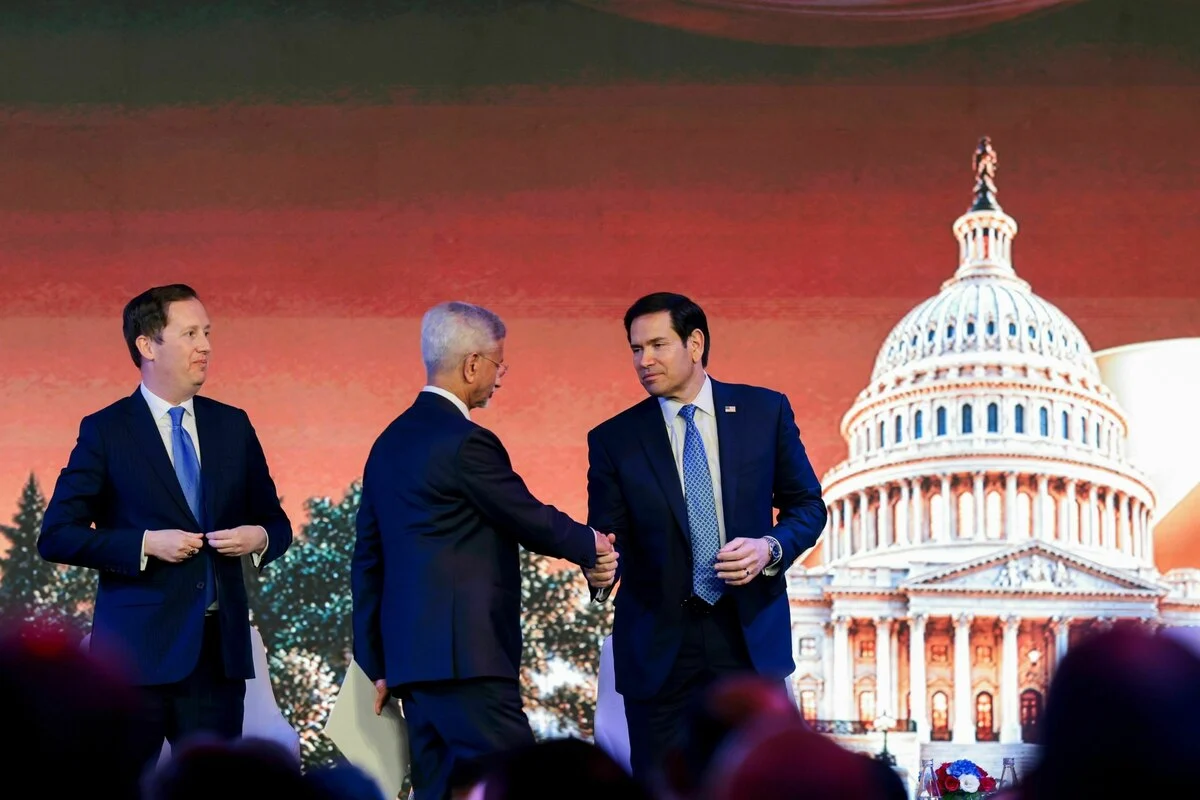
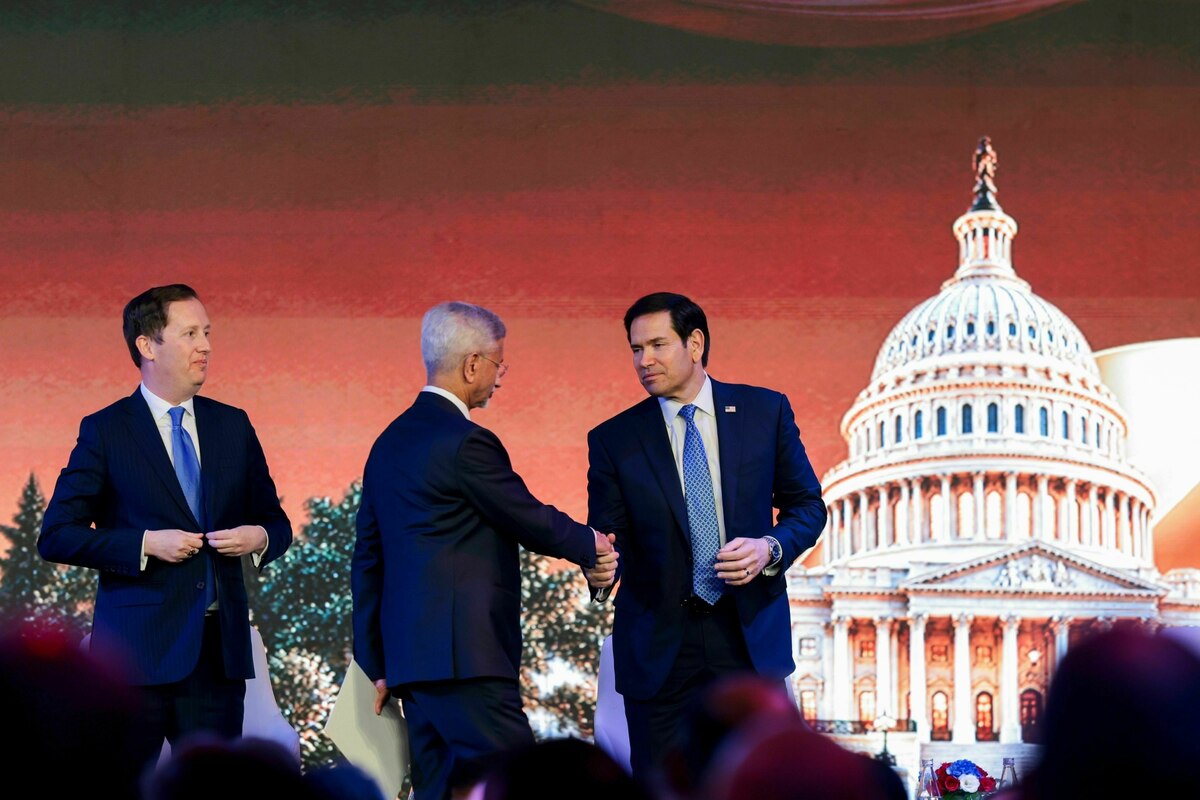
The recent October visit shifted gears, placing economic engagement firmly in the spotlight. Rubio’s itinerary commenced in the bustling financial metropolis of Mumbai, a symbolic choice highlighting the commercial nexus of India. Here, he engaged in high-level discussions with his Indian counterpart, External Affairs Minister Subrahmanyam Jaishankar. These talks were not merely ceremonial; they delved into the intricacies of bilateral trade, investment opportunities, and strategies to overcome existing hurdles. Crucially, Rubio also met with two of India’s most influential business magnates: Gautam Adani, Chairman of the Adani Group, and Natarajan Chandrasekaran, Chairman of Tata Sons. These meetings with leaders of conglomerates spanning diverse sectors from infrastructure to technology and energy signaled a clear intent to engage with India’s private sector, recognizing its pivotal role in the nation’s economic trajectory and its potential as a global partner.
Following his engagements in Mumbai, Rubio journeyed approximately 500 kilometers westward to Jamnagar in Gujarat. This destination was far from arbitrary; it is home to the colossal refinery complex operated by Reliance Industries, a cornerstone of India’s energy infrastructure and a key player on the global stage. This leg of the trip was specifically designed to delve into the specifics of energy cooperation, particularly concerning the supply chain for heavy crude oil.
Powering Growth: The Energy Diplomacy Drive
The core of Rubio’s economic mission revolved around energy. India, with its rapidly expanding economy and burgeoning energy demands, presents a critical market and a strategic partner for US energy interests.
India: The Refining Superpower
Upon visiting the Jamnagar facility, Marco Rubio lauded India as a "refinery superpower." This commendation was well-earned. The Reliance Industries complex in Jamnagar is not merely large; it is the largest refinery complex globally, boasting an impressive processing capacity of approximately 1.4 million barrels of crude oil per day. Its advanced technological capabilities allow it to efficiently process a wide variety of crude oils, including the challenging, heavy, sulfur-rich varieties that many other refineries struggle with. This particular capability makes Jamnagar strategically vital, especially in the context of Venezuelan oil.
The refined products from Jamnagar – gasoline, kerosene, and diesel – are not just for domestic consumption. Reliance Industries is a significant exporter, including to the United States. This symbiotic relationship, where India refines crude and then supplies refined products to the US, underscores the intricate web of global energy trade and the growing interdependence between the two nations. For the Trump administration, especially in the lead-up to the upcoming midterm elections, stabilizing oil prices has been a paramount concern. Ensuring a steady supply of refined products, even if indirectly sourced, contributes to this objective.
Venezuelan Oil: A Sanctioned Lifeline?
A central plank of Rubio’s energy agenda was to advocate for increased Indian imports of Venezuelan crude oil. This proposition is complex, given the stringent US sanctions imposed on Venezuela’s petroleum sector in 2020, which had severely curtailed the South American nation’s ability to export its oil. These sanctions were part of a broader US policy to pressure the Venezuelan government.

However, the global energy landscape is dynamic, and pragmatic considerations often override geopolitical stances. The unique ability of Indian refineries, particularly Jamnagar, to process heavy Venezuelan crude makes India an indispensable partner. Indeed, following a period of decline, India has resumed significant oil imports from Venezuela. According to data from the analytics firm Kpler, in August 2026, Venezuelan crude oil shipments to India reached approximately 358,000 barrels per day. This surge was substantial enough to elevate Venezuela to India’s third-largest oil supplier, following Russia (which supplied around 2.1 million barrels daily) and the United Arab Emirates. This marks a six-year high for Venezuelan imports, demonstrating India’s strategic flexibility in its energy procurement.
Beyond just importing, Rubio’s discussions also extended to exploring the possibility of Reliance Industries investing directly in Venezuela’s upstream oil production sector. Such an investment would not only secure long-term supply for Indian refineries but also offer a potential pathway for Venezuela to revitalize its struggling oil industry, albeit under the watchful eye of US policy. The US stance here is a delicate balancing act: while maintaining pressure on the Venezuelan regime, it also seeks to leverage its oil resources to influence global markets and address domestic concerns over fuel prices.
Reliance’s Expanding Global Footprint
Reliance Industries, under the leadership of Mukesh Ambani, is not merely an Indian corporate giant; it is a global energy player whose strategic importance extends far beyond India’s borders. This was further solidified by a significant announcement made by President Trump in March of this year: a multi-billion-dollar partnership with Reliance to construct the first major US refinery in 50 years. This ambitious project, dubbed "America First Refining," is slated for Texas and is projected to create thousands of jobs, reinforcing the Trump administration’s focus on domestic job creation and energy independence.
The intertwining of US economic interests with Reliance’s global ambitions highlights the growing strategic significance of Indian corporations. C. Raja Mohan, a prominent foreign policy expert, views Reliance as a potential "lever" for improving bilateral relations. The deep connections between Reliance CEO Mukesh Ambani and India’s Prime Minister Narendra Modi, both hailing from the western Indian state of Gujarat, are well-known and often cited as an example of the close nexus between big business and government in India. This confluence of economic power and political influence positions Reliance as a critical actor in the ongoing Indo-US dialogue.
Navigating Trade and Talent: The Broader Bilateral Agenda
While energy diplomacy dominated the headlines, Rubio’s visit also served as a platform to address broader issues critical to the Indo-US partnership, including trade imbalances, immigration policies, and strategic alignment.

The Elusive Trade Deal
During his trip, Secretary Rubio expressed palpable optimism regarding a pending trade agreement with India, stating, "We are only weeks away from concluding the agreement." This declaration, if materialized, would mark a significant breakthrough in a relationship often hampered by trade disputes and tariffs. Despite the positive rhetoric, the path to a comprehensive trade deal has been fraught with challenges. The Trump administration’s "America First" policy has often led to tariffs on Indian goods, which New Delhi has reciprocated, creating a cycle of protectionism that has strained trade relations. A successful trade agreement would require both sides to make concessions, addressing issues ranging from agricultural market access to intellectual property rights and digital trade.
Immigration and Human Capital: A Sticking Point
One of the most persistent and emotionally charged issues in Indo-US relations revolves around immigration, particularly the flow of highly skilled Indian professionals to the United States. India is a primary source of high-skilled labor for the US, with Indian engineers, IT professionals, and scientists forming the backbone of Silicon Valley and other tech hubs. However, the Trump administration’s tightening of immigration policies, including restrictions on H1B visas and the suspension of procedures for permanent work permits at several major companies (including Indian IT giants Infosys, TCS, and Wipro), has created significant anxiety and resentment in India.
Indian External Affairs Minister Subrahmanyam Jaishankar did not mince words during his meeting with Rubio in Mumbai, emphasizing the invaluable contributions of Indian talent. "Indian talent and Indian expertise have helped shape the technology era in the United States," Jaishankar asserted, underscoring India’s perspective that its human capital is not merely a commodity but a fundamental driver of American innovation and economic growth. This divergence highlights a core tension: while the US benefits immensely from Indian talent, its immigration policies often send a contradictory message, creating a perception of unwelcoming restrictiveness.
Strategic Alignment Amidst Friction
Despite these public disagreements and areas of friction, many analysts believe the underlying Indo-US relationship remains remarkably robust. Sameer Lalwani, a scholar at the US think tank Carnegie Endowment for International Peace, articulated this view, suggesting that bilateral ties are "more robust than imagined" by public discourse. He points to deepening cooperation in critical areas such as defense, technology, and security. The Quad dialogue, counter-terrorism intelligence sharing, and joint military exercises are clear indicators of a strong strategic convergence, particularly in balancing China’s growing regional assertiveness.
The US sees India as a crucial partner in its Indo-Pacific strategy, a democratic bulwark against authoritarian expansionism. India, in turn, values the US as a source of advanced defense technology, a key economic partner, and a strategic counterweight to regional challenges. This shared strategic vision often provides a resilient foundation that allows the relationship to absorb economic and political disagreements without fundamentally derailing cooperation.

Implications for the Indo-US Strategic Partnership
Marco Rubio’s visit to India encapsulates the complex, often contradictory, but ultimately resilient nature of the Indo-US strategic partnership. The dual agenda of promoting Venezuelan oil while defending US tariffs and immigration policies highlights a delicate balancing act.
Economic Pragmatism vs. Geopolitical Competition: The US, under the Trump administration, demonstrates a willingness to engage with partners on economic terms that may appear inconsistent with broader geopolitical pressures. Advocating for Venezuelan oil imports, even as Venezuela remains under sanctions, reflects a pragmatic approach to global energy markets and domestic electoral considerations. India, for its part, continues to pursue an independent foreign policy, balancing its relationships with traditional partners like Russia with its growing ties to the US, always prioritizing its national energy security and economic development.
Impact on Global Energy Markets: The potential for increased Indian refining of Venezuelan crude, coupled with Reliance’s investment in US refining capacity, could have significant implications for global oil markets. It could provide an alternative outlet for Venezuelan oil, potentially easing supply constraints and impacting prices. It also showcases India’s pivotal role as a refining hub, capable of processing diverse crude types and influencing global fuel supplies.
India as a Swing State: India’s growing economic and strategic heft positions it as a crucial swing state in the evolving global order. Its ability to navigate complex relationships with major powers—importing oil from Russia and Venezuela while deepening ties with the US, for instance—underscores its strategic autonomy and its increasing leverage on the world stage.
Challenges and Opportunities: Looking ahead, the Indo-US relationship will continue to be characterized by both convergent interests and persistent divergences. Opportunities abound in defense collaboration, technology transfer, and joint initiatives in emerging sectors. However, challenges related to trade protectionism, immigration policies, and differing approaches to multilateralism will require sustained diplomatic effort and a willingness from both sides to find common ground.

In conclusion, Secretary Rubio’s visit to India was a microcosm of the dynamic and evolving Indo-US relationship. It underscored that while the pursuit of shared strategic objectives in security and technology remains a cornerstone, the nuances of economic self-interest, domestic political pressures, and differing national priorities will continue to shape this critical partnership in the years to come. The dance between cooperation and friction, between shared vision and individual interests, remains a defining characteristic of this increasingly important global alliance.