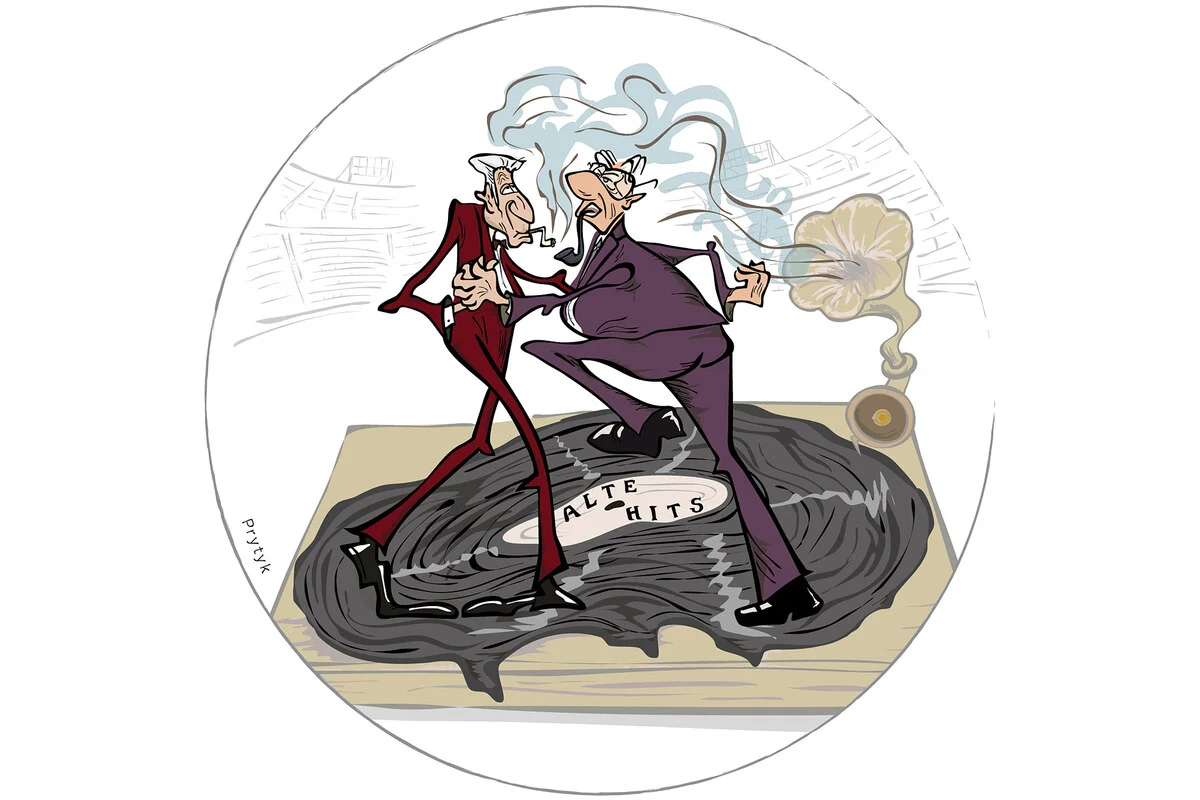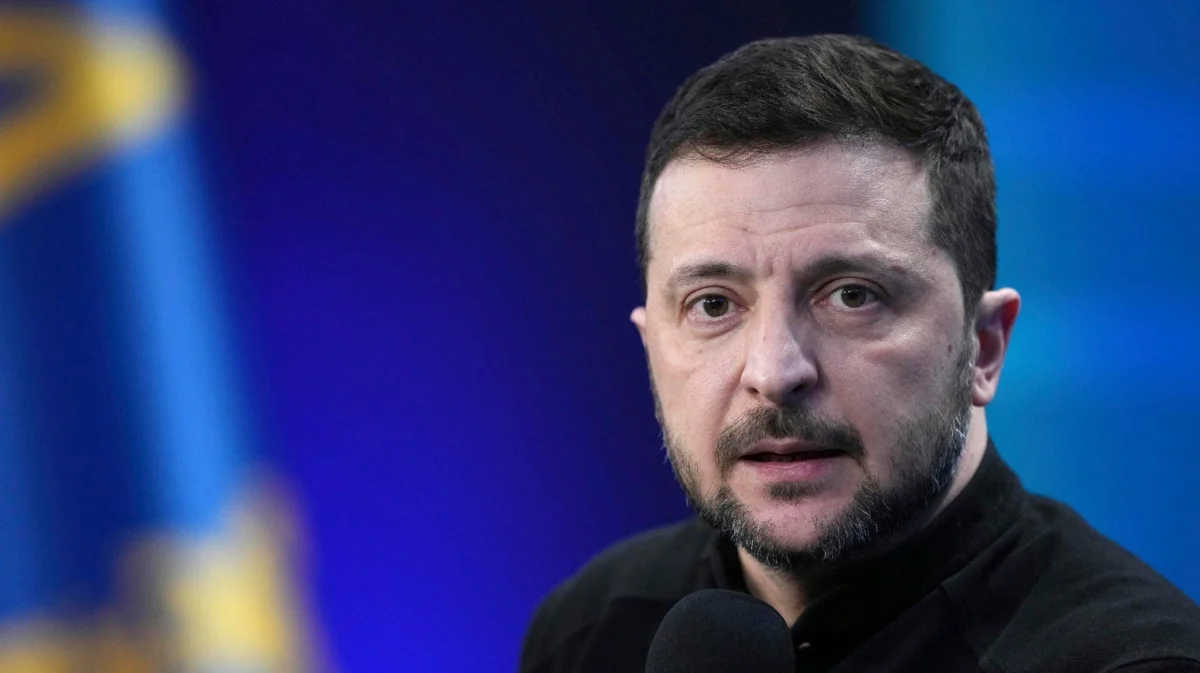
Kyiv, Ukraine / St. Petersburg, Russia – In a significant diplomatic maneuver, Ukrainian President Volodymyr Zelenskyy has expressed readiness to accept the current front lines as a basis for ending the protracted conflict, a stance reiterated during an interview with Fox News. This overture comes as Russia’s President Vladimir Putin has agreed to trilateral talks involving Ukraine and the United States, set to commence after November 10th, focusing on post-conflict security guarantees. These developments unfold amidst a backdrop of escalating military actions, heightened security alerts across Europe, and a renewed US diplomatic initiative spearheaded by envoy Steve Witkoff.
The complex interplay of battlefield realities and international diplomacy underscores a critical juncture in the nearly three-year-old war. While Zelenskyy calls a ceasefire and freezing of front lines the "absolute minimum" for peace, Russia has historically rejected such proposals, viewing them as a mere pause for Ukrainian rearmament. Meanwhile, Western allies grapple with Russia’s hybrid aggression and the broader implications for European security, as demonstrated by Germany’s warnings and NATO’s increased presence in the Black Sea.
Key Developments at a Glance
- Zelenskyy’s Flexibility: The Ukrainian President states he is prepared to "freeze the front lines" to conclude the conflict, reiterating a long-held, yet previously rejected, position.
- Putin Agrees to Talks: Russian President Vladimir Putin has given his consent to resume trilateral discussions with Ukraine and the United States, potentially hosted in Abu Dhabi, to address security guarantees for both nations after the war.
- US Diplomatic Push: US envoy Steve Witkoff engaged in a multi-party dialogue in Oslo, presenting new peace proposals from Ukraine, before holding three-hour talks with President Putin in St. Petersburg, signaling a "momentum for peace."
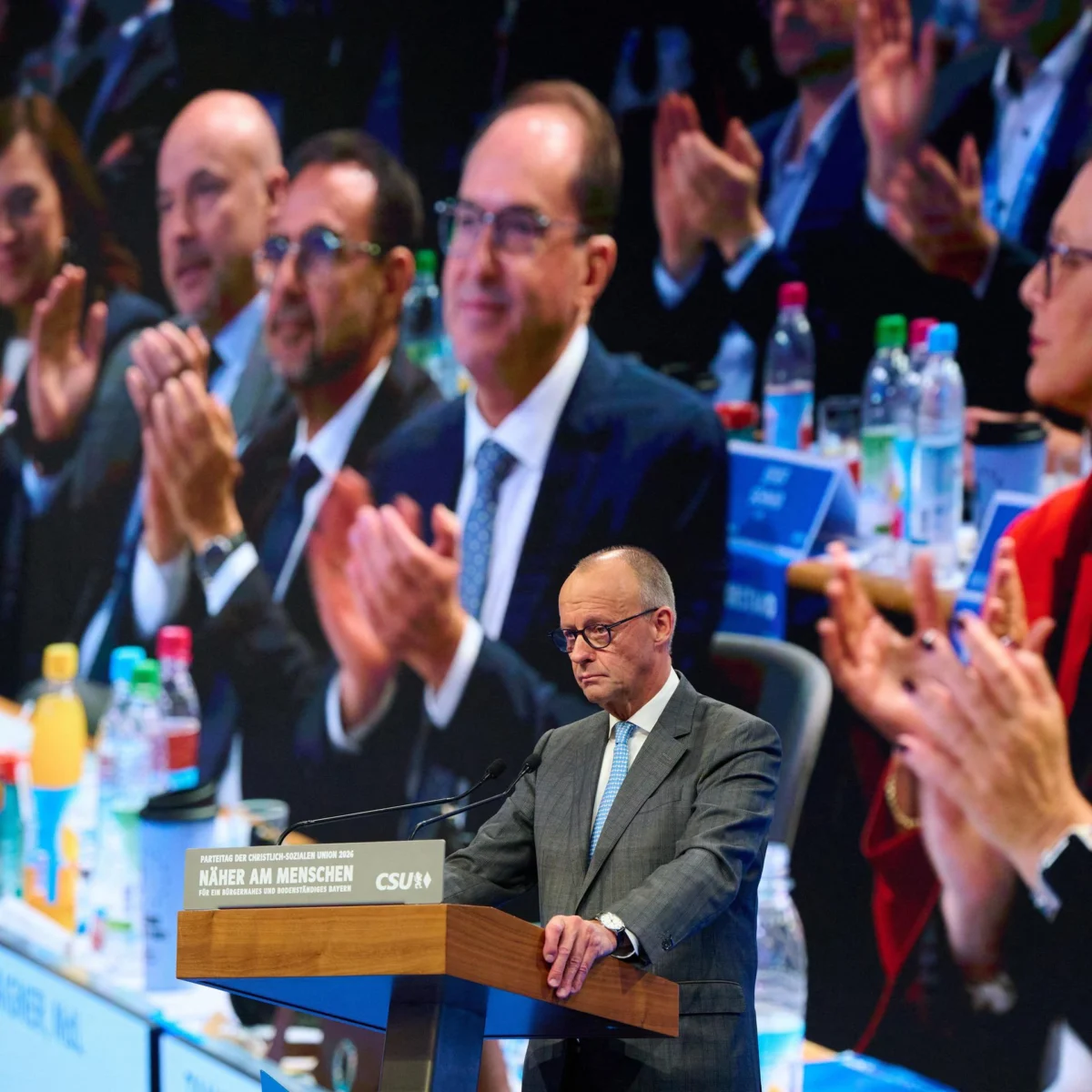
- Germany’s Warning: CDU leader Friedrich Merz warns of daily "hybrid attacks" by Russia on Germany, aiming to destabilize society, and firmly rejects any notion of Ukraine’s capitulation.
- Bundeswehr on High Alert: Germany’s armed forces have elevated the threat of Russian sabotage against its facilities to "considerable," citing recent incidents and Russia’s increased intent to disrupt support for Ukraine.
- Escalating Hostilities: Russian attacks on Ukrainian cities, including Kyiv and Kharkiv, have resulted in at least five deaths and numerous injuries, targeting energy infrastructure and residential areas. A Russian Su-30 fighter jet crashed in Kaliningrad during a training flight.
- Starlink Controversy: The EU has expressed "extreme concern" over reports of SpaceX throttling Starlink internet services in Ukraine and demanded full restoration, while US Senator Marco Rubio denied US foreknowledge or control.
- NATO Bolsters Black Sea Presence: The military alliance is increasing its surveillance and reconnaissance capabilities in the Black Sea region in response to intensified Russian attacks on Ukrainian export routes.
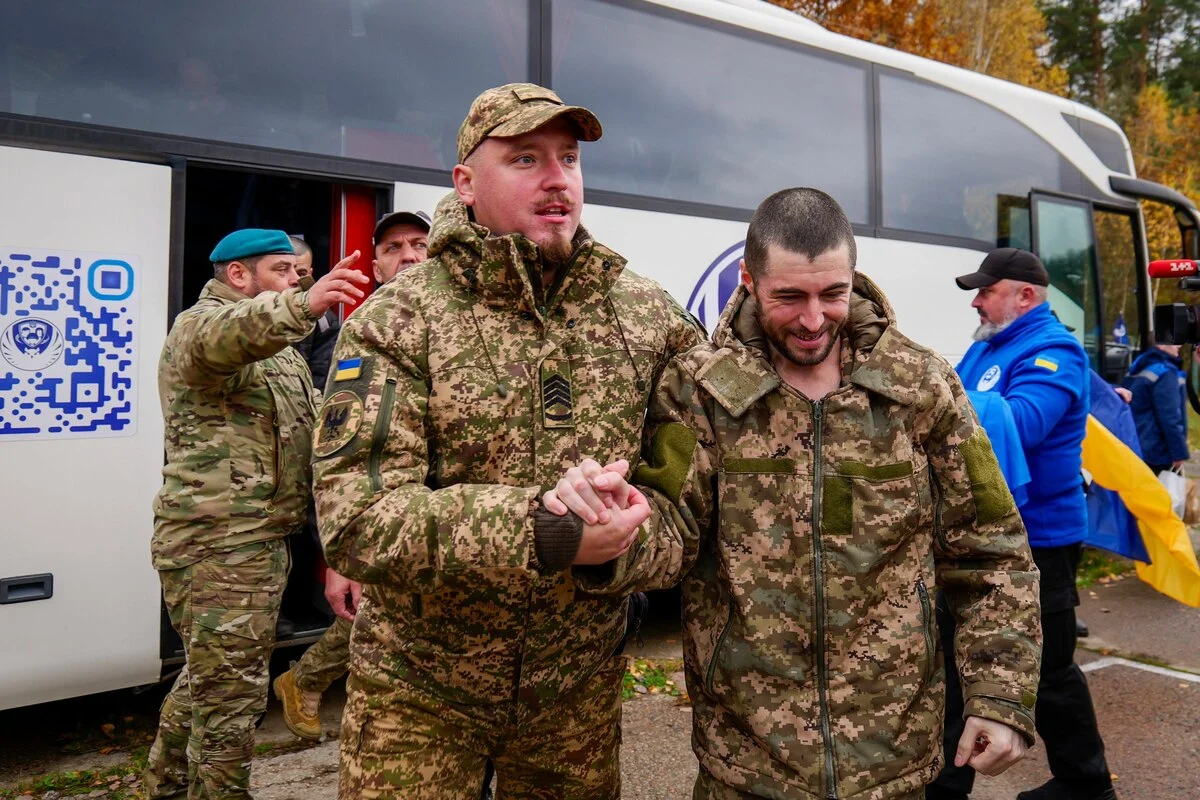
- Prisoner Exchange/Arrest: Russia released US citizen Stephen Hubbard on humanitarian grounds, while its FSB reported the arrest of a German national, a former Bundeswehr soldier, accused of deserting as a mercenary in Ukraine.
Chronology of Recent Events
The past few days have seen a flurry of diplomatic activity and military developments, underscoring the dynamic and unpredictable nature of the Ukraine conflict.
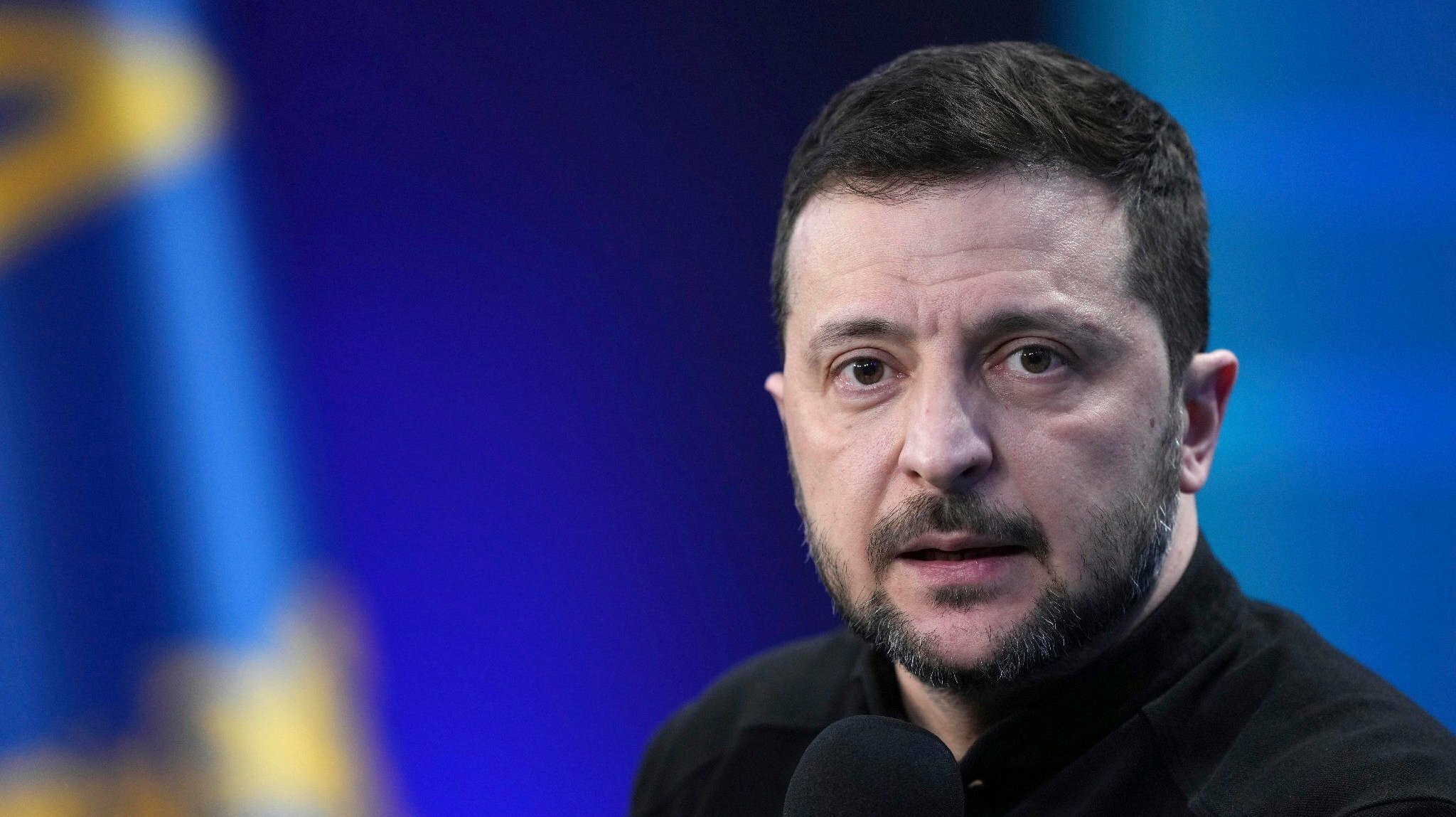
US Diplomatic Initiative Takes Center Stage
A fresh diplomatic initiative by the United States has injected a new dimension into the search for peace. US envoy Steve Witkoff embarked on a critical tour, first meeting with Ukrainian President Volodymyr Zelenskyy and European leaders in Oslo, Norway. The discussions, hosted by Norwegian Prime Minister Jonas Gahr Støre and Finnish President Alexander Stubb, included representatives from Germany, the EU, and NATO, alongside US negotiator Jared Kushner. Here, new proposals from Ukraine were presented, reportedly encompassing security guarantees for the war-torn nation, a comprehensive post-conflict economic recovery plan, and a broader vision for European security architecture. Finnish President Stubb expressed optimism, noting "significant progress" on substantive and technical levels behind the scenes.
Following these "constructive" talks in Oslo, Witkoff traveled to St. Petersburg, Russia, for a pivotal three-hour meeting with President Vladimir Putin at the Konstantin Palace. At the outset, Putin acknowledged and thanked former US President Donald Trump for his efforts to end the conflict. Witkoff, in turn, expressed hope for the resumption of trilateral talks between Russia and Ukraine, mediated by the US, highlighting a perceived "momentum for peace" and calling for concrete steps towards a resolution.
Putin Agrees to Future Talks, Releases US Citizen
In a notable response to the US diplomatic push, Russian President Vladimir Putin has agreed in principle to a resumption of trilateral discussions involving Russia, Ukraine, and the United States. According to Kremlin foreign policy advisor Yuri Ushakov, these negotiations are slated to begin after November 10th and will center on "building a security system for Russia and Ukraine after the end of the conflict." Ushakov suggested Abu Dhabi as a potential venue for these talks, a move that could signify a willingness to engage outside traditional European diplomatic channels. The last such trilateral discussions reportedly occurred in February, indicating a long hiatus in direct high-level engagement.

Adding a humanitarian dimension to the talks, Russia announced the release of US citizen Stephen Hubbard, a 74-year-old former teacher from Michigan, who had been imprisoned for over four years, accused of fighting as a mercenary in Ukraine. Former US President Donald Trump confirmed Hubbard’s release, and Witkoff publicly thanked Putin, who, according to Kremlin spokesman Dmitry Peskov, acted out of "humanitarian considerations."
Zelenskyy’s Conditional Offer for Peace
Ukrainian President Volodymyr Zelenskyy, speaking in an interview with Fox News, articulated his readiness to accept the current front lines as a basis for ending the conflict. "Yes, we must freeze the front lines now," Zelenskyy stated, adding, "I think this is a real way to end this war." He further clarified that freezing the front lines and establishing a ceasefire represents the "absolute minimum" Ukraine demands from Russia.
This position, however, is not entirely new. Ukraine has previously suggested a cessation of hostilities along the existing front lines. Russia has consistently rejected this, arguing that it would merely provide Ukraine with a much-needed "breathing space" to rearm. Former US President Donald Trump echoed the sentiment that Russia is "unstoppably advancing" and has already captured "a very large piece of land," a view contested by Ukrainian military reports indicating that their forces have halted the Russian advance and even pushed them back in some sectors over the summer.
Germany’s Stark Warnings and Bundeswehr Alert
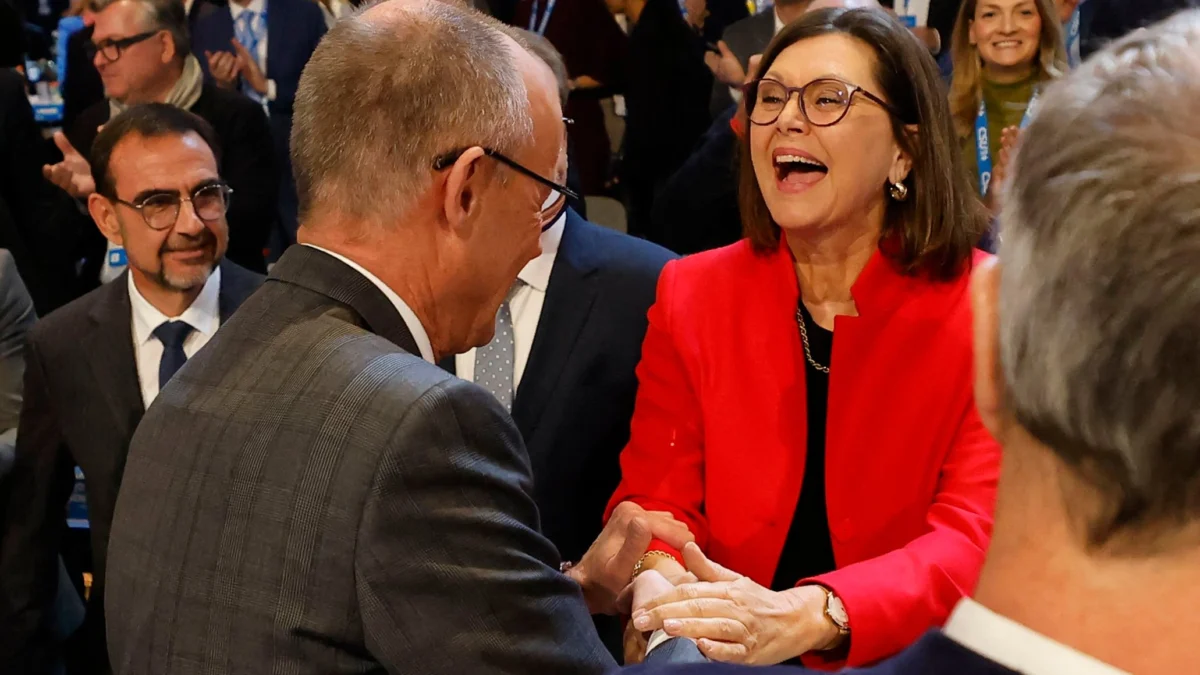
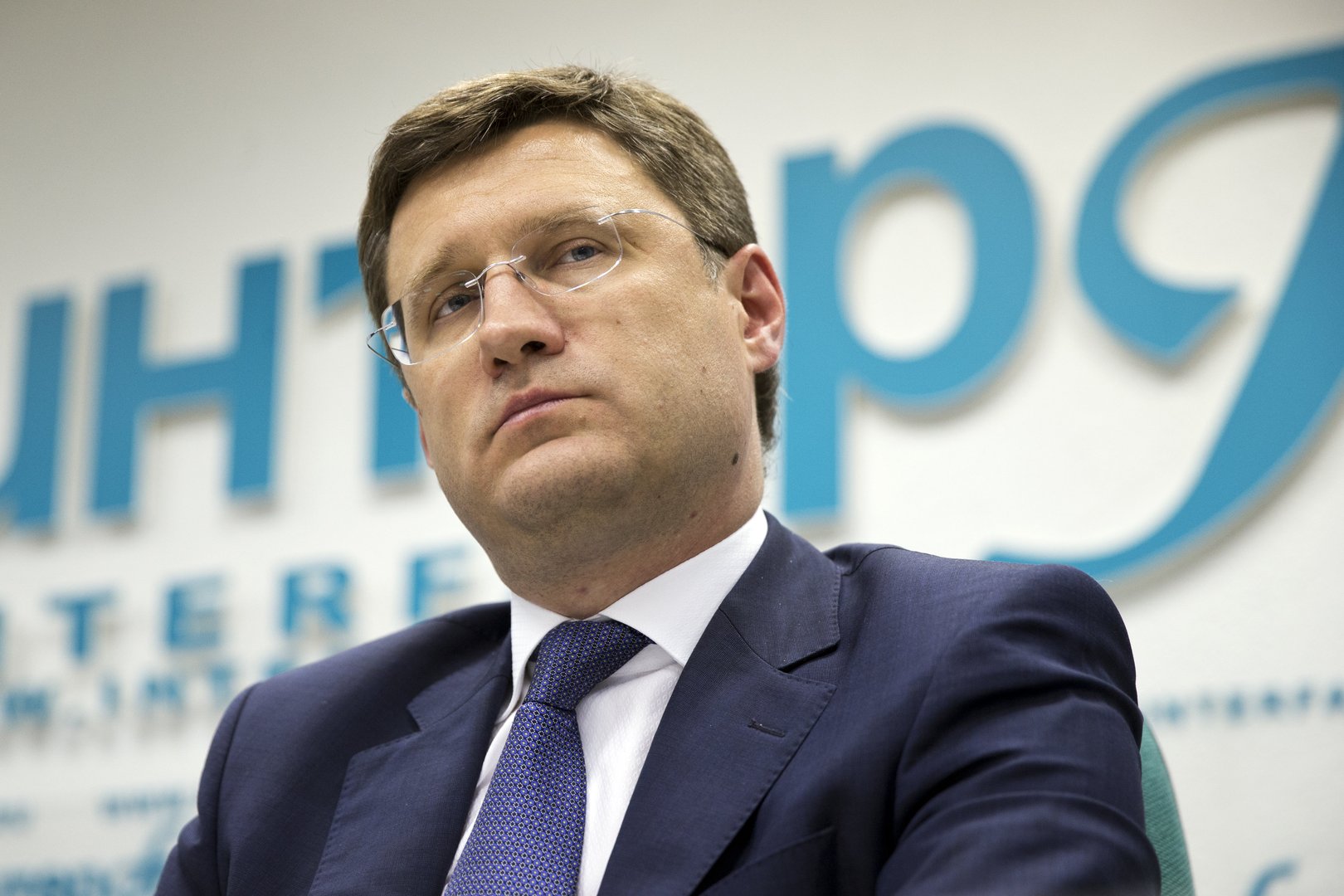
The conflict’s repercussions continue to reverberate across Europe, particularly in Germany. CDU leader Friedrich Merz issued a grave warning about Russia’s "daily hybrid attacks" on Germany, which he believes aim to destabilize German society. Speaking at the Business Global Dialogue (BGD), Merz stated his primary concern was not the economy or international alliances, but rather "the impact of Russia on our society and the way they manage to destabilize our societies." He alluded to the AfD (Alternative for Germany party) as amplifying Russian disinformation campaigns, stressing the need for resilience against these continuous assaults.
Merz underscored Germany’s unwavering support for Ukraine, emphasizing that it is not merely a war in Ukraine but "a fundamental attack on the entire political order that we achieved after 1990." Addressing calls for Ukraine’s surrender, including those from former US President Donald Trump, Merz firmly declared, "A capitulation – or even an unconditional capitulation of Ukraine – is out of the question. Because that would be a capitulation of us all." He affirmed Germany’s continued support for Ukraine, citing national interest.
Concurrently, the German Bundeswehr has significantly elevated its assessment of the threat posed by Russian sabotage to its facilities, now deeming it "considerable." A spokesperson for the Ministry of Defense confirmed this upgrade, citing recent incidents such as a drone discovery near the Wunstorf military airfield. Internal documents, reported by the "Süddeutsche Zeitung" and WDR, suggest Russia "almost certainly has the capability and very probably now also the increased intent" to target Bundeswehr forces and installations, likely aiming to undermine German support for Ukraine. An expansion of protective measures is reportedly under review.
Escalation on the Battlefield and in the Black Sea
Despite diplomatic overtures, military engagements remain fierce. Russian attacks on Kyiv and Kharkiv resulted in at least five fatalities. Three people were killed and 25 injured in Kyiv following Russian assaults on energy facilities and other targets. In Kharkiv, drone strikes on a residential area killed two and injured eleven. Ukraine’s Prime Minister Serhiy Koretskyy confirmed attacks on energy infrastructure in Kyiv and three other cities.
The Russian Ministry of Defense claimed its forces struck a warehouse, a substation supplying Ukraine’s defense industry, and a bulk carrier en route to Odesa in the Black Sea. They also reported intercepting 373 Ukrainian drones. Separately, a Russian Sukhoi Su-30 fighter jet crashed in the Kaliningrad exclave during a training flight, though the crew ejected safely and no injuries were reported. Russia also reported another attack on a cargo ship in the Black Sea, claiming it was carrying military equipment for Ukraine.
International Reactions and Geopolitical Shifts
The international community continues to react to the multifaceted conflict. The European Union expressed "extreme concern" over reports that SpaceX CEO Elon Musk had ordered a throttling of Starlink satellite internet services for Ukraine. A spokesperson for the EU Commission, led by Ursula von der Leyen, demanded immediate restoration of full services, emphasizing their critical importance for Ukrainian military communications, civilian protection, and drone operations. US Senator Marco Rubio, however, clarified that the US had no prior knowledge or control over a private company’s actions, while asserting that "Ukraine would not exist without US support."

NATO is also bolstering its military presence in the Black Sea region, intensifying surveillance in response to increased Russian attacks on Ukrainian export routes. A spokesperson for NATO’s military headquarters in Mons indicated that alliance members are deploying additional maritime reconnaissance aircraft, radar systems, drones, and specialized explosive ordnance disposal teams, alongside increased intelligence personnel. This move aims to enhance monitoring, reconnaissance, and forensic capabilities in the region, which has seen several ships hit.
Further afield, EU Commission President Ursula von der Leyen called for a new EU strategy for the Arctic, citing Russia’s growing military presence there. She described the Arctic as a region where "the tectonic plates of geopolitics collide," asserting that the values previously ensuring northern security can no longer be taken for granted.
In an interesting economic development amidst sanctions, Russia announced its first diesel shipment to the United States, scheduled for Thursday, with more deliveries expected pending Russian refinery capacities. This signals a complex energy landscape where pragmatism may supersede geopolitical tensions in certain sectors.

Finally, the Russian FSB reported the arrest of a German national, identified as a former Bundeswehr soldier (serving from 1996 to 2010), who allegedly deserted from Ukrainian forces as a mercenary and sniper after not receiving promised payment. This incident adds another layer to the narrative of foreign fighters in the conflict.
Resumption of Early Warnings for Ukraine
In a critical development for Ukraine’s defense, President Zelenskyy confirmed that his country is once again receiving timely early warnings from its allies regarding incoming Russian attacks. This resumption followed discussions with US government representatives, including a phone call with US Senator Marco Rubio. Zelenskyy expressed gratitude for the functioning information exchange, highlighting its vital role in detecting ballistic missile threats and protecting the civilian population, after previous lapses in warning notifications.
Supporting Data and Context
Zelenskyy’s willingness to consider freezing current front lines is not a new concept, but its public reiteration now carries additional weight given the ongoing diplomatic efforts. Ukraine has previously engaged in negotiations where a temporary cessation of hostilities was discussed, notably during the early stages of the full-scale invasion in spring 2022. However, these talks consistently collapsed over Russia’s maximalist demands and Ukraine’s commitment to territorial integrity. Russia’s consistent rejection of freezing the lines stems from its strategic objective of securing territories it has occupied and subsequently annexed, viewing any pause as an opportunity for Ukraine to regroup and rearm with Western aid. The current battle lines represent approximately 18% of Ukrainian territory occupied by Russia, including Crimea.

The involvement of a US envoy like Steve Witkoff, particularly in direct talks with Putin and European leaders, signifies a robust diplomatic push from Washington, potentially influenced by the upcoming US elections and the desire to show progress on a major international crisis. The proposals brought forward by Ukraine—encompassing security guarantees, an economic reconstruction plan, and a broader European security architecture—reflect a comprehensive approach to peace that extends beyond mere cessation of hostilities to addressing long-term stability and sovereignty.
The reports concerning Elon Musk’s Starlink services are particularly sensitive. Starlink has been indispensable for Ukraine’s military communications, drone operations, and maintaining internet access for civilians in war-affected areas. Any disruption or throttling of these services has immediate and severe operational implications for Ukraine’s defense capabilities. The EU’s strong condemnation underscores the critical nature of this infrastructure and the concerns about private entities wielding such significant geopolitical influence.
Official Responses and Positions
The various actors involved have clearly articulated their positions, though often with significant divergence.

- Ukrainian President Volodymyr Zelenskyy: His statement to Fox News, "Yes, we must freeze the front lines now," marks a pragmatic acknowledgment of the current military stalemate, framing it as the "absolute minimum" for peace. This isn’t a retreat from the goal of full territorial restoration but rather a potential tactical step to halt bloodshed and open negotiations.
- Russian President Vladimir Putin and Kremlin Officials: Putin’s agreement to trilateral talks, as relayed by Yuri Ushakov, indicates a strategic openness to dialogue, particularly on "security guarantees for Russia and Ukraine." This aligns with Russia’s long-standing demand for security assurances from NATO and the West. Dmitry Peskov’s explanation for Stephen Hubbard’s release—"humanitarian considerations"—is a classic diplomatic gesture often used to facilitate broader talks without admitting fault.
- German CDU Leader Friedrich Merz: Merz’s vehement rejection of Ukraine’s capitulation ("a capitulation of us all") underscores Germany’s commitment to supporting Ukraine’s sovereignty and resisting Russian aggression, which he perceives as a direct threat to the post-1990 European order and Germany’s own stability through "hybrid attacks."
- US Senator Marco Rubio: His assertion that "Ukraine would not exist without US support" highlights the critical role of American aid. His denial of US involvement in Starlink throttling attempts to distance the US government from a private company’s controversial actions, while maintaining a firm stance on supporting Ukraine.
- EU Commission President Ursula von der Leyen: Her call for a new Arctic strategy and description of the region as a geopolitical "collision point" reflects a growing awareness in Brussels of Russia’s expanding military footprint and its implications for European security beyond the immediate conflict zone. The EU’s demand for full Starlink services also shows a unified European concern for Ukraine’s critical infrastructure.
- NATO: The alliance’s decision to strengthen its Black Sea presence signals a proactive measure to deter further Russian aggression and protect vital shipping lanes, aligning with its broader strategy of bolstering its eastern flank.
Implications and Future Outlook
The confluence of these events paints a complex picture for the future of the Ukraine war.
Potential Pathways for De-escalation: Zelenskyy’s stated willingness to freeze front lines, coupled with Putin’s agreement to trilateral talks, could open a narrow window for de-escalation. If these talks materialize after November 10th in Abu Dhabi, they might represent the most significant diplomatic engagement since the war’s early months. The focus on "security guarantees" for both sides suggests a framework that could address underlying concerns and potentially move towards a more stable, albeit temporary, resolution. The release of Stephen Hubbard could be seen as a confidence-building measure, though its direct impact on broader negotiations remains to be seen.
Risks of Continued Escalation: Despite diplomatic efforts, the ongoing military clashes, particularly the Russian attacks on Ukrainian cities and infrastructure, underscore the fragility of any peace initiative. Russia’s continued claims of advancing and its rejection of previous "freeze" proposals suggest that its maximalist goals might not have shifted substantially. The heightened threat of Russian "hybrid attacks" on European nations, as warned by Merz, indicates that the conflict’s scope extends beyond direct military engagement, encompassing cyber warfare, disinformation campaigns, and potential sabotage, posing significant challenges to democratic stability. The Bundeswehr’s elevated sabotage threat level confirms this danger.

Impact on International Relations: The US diplomatic initiative, particularly the envoy’s meetings with both Zelenskyy and Putin, highlights Washington’s continued, albeit nuanced, role in mediating the conflict. Former President Trump’s statements, urging Ukraine to agree to a deal and expressing gratitude to Putin, introduce an element of uncertainty regarding future US policy, especially if he were to return to office. This divergence could strain transatlantic unity and potentially weaken the Western coalition’s resolve. The EU and NATO’s strong responses to issues like Starlink throttling and Black Sea security demonstrate a concerted effort to maintain support for Ukraine and safeguard European interests, even as internal debates and external pressures mount. The call for a new EU Arctic strategy further illustrates the broader geopolitical ramifications of Russia’s actions, pushing European powers to re-evaluate their security postures in contested regions.
Humanitarian and Economic Ramifications: The ongoing attacks on civilian infrastructure continue to inflict a heavy humanitarian toll, with deaths and injuries reported in Kyiv and Kharkiv. The destruction of energy facilities exacerbates the already dire situation for Ukrainian civilians heading into winter. Economically, the attacks on Black Sea shipping routes threaten Ukraine’s vital export capabilities, while Russia’s announced diesel shipments to the US, despite sanctions, illustrate the complex and often contradictory dynamics of global energy markets.
In conclusion, the current phase of the Ukraine war is characterized by a precarious balance between an intensifying diplomatic push and persistent military aggression. While Zelenskyy’s pragmatic openness to freezing front lines and Putin’s agreement to talks offer a glimmer of hope, the deep-seated mistrust, divergent objectives, and the continued hybrid warfare tactics ensure that any path to lasting peace will be fraught with challenges. The steadfastness of European allies, coupled with the strategic role of the United States, will be crucial in navigating these complex dynamics towards a resolution that upholds international law and safeguards regional security.