


Paris, France – October 21, 2026 – French President Emmanuel Macron has sharply criticized foreign leaders, including U.S. President Donald Trump, for what he described as "stupid comments" and "information manipulation" in the wake of ongoing unrest in France. Speaking during a visit to Qatar, Macron expressed his frustration with external narratives that he believes distort the reality of the situation and exploit France’s challenges for political gain. The President’s strong rebuke comes as France grapples with escalating domestic turmoil, renewed calls for protest, and a significant deterioration in its financial standing.
Escalating Unrest and Foreign Interference Allegations
The French capital and other major cities have been gripped by a wave of protests and civil unrest, the origins and nature of which have become a focal point of international commentary. While President Macron stated that he has no current evidence of direct foreign instigation of the violence, he was adamant that a clear pattern of "information manipulation" has emerged in the aftermath.
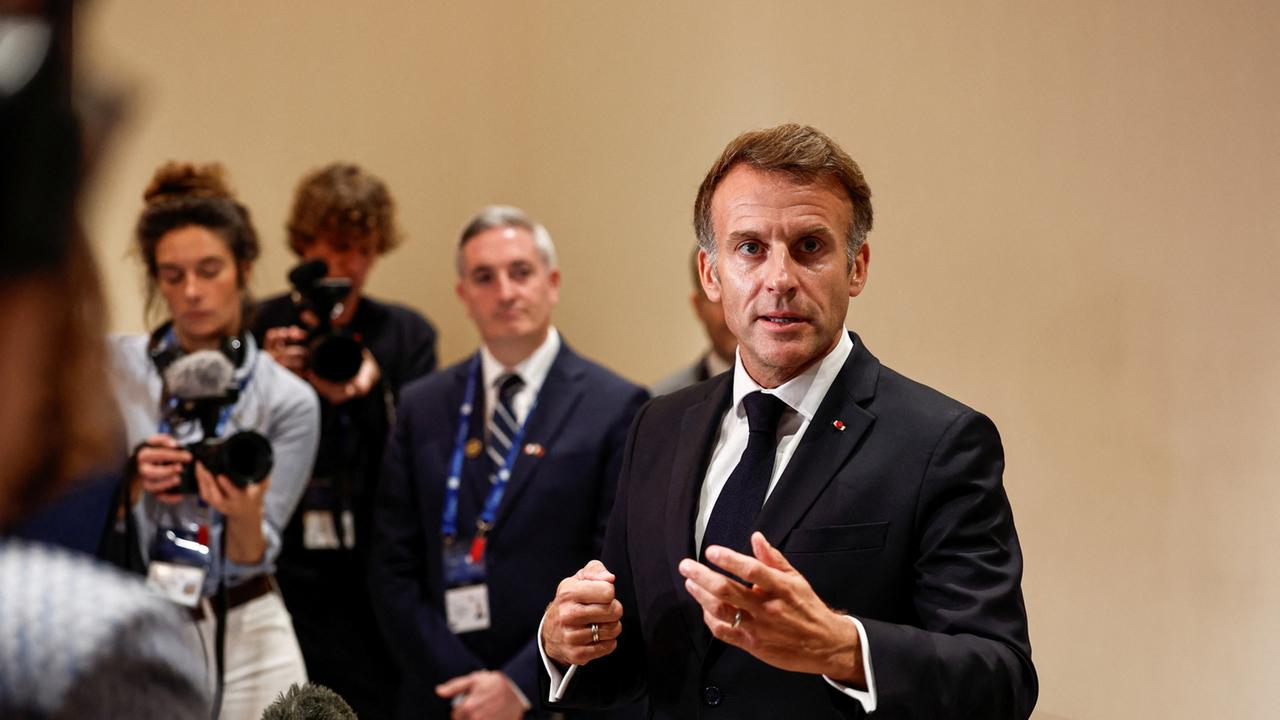
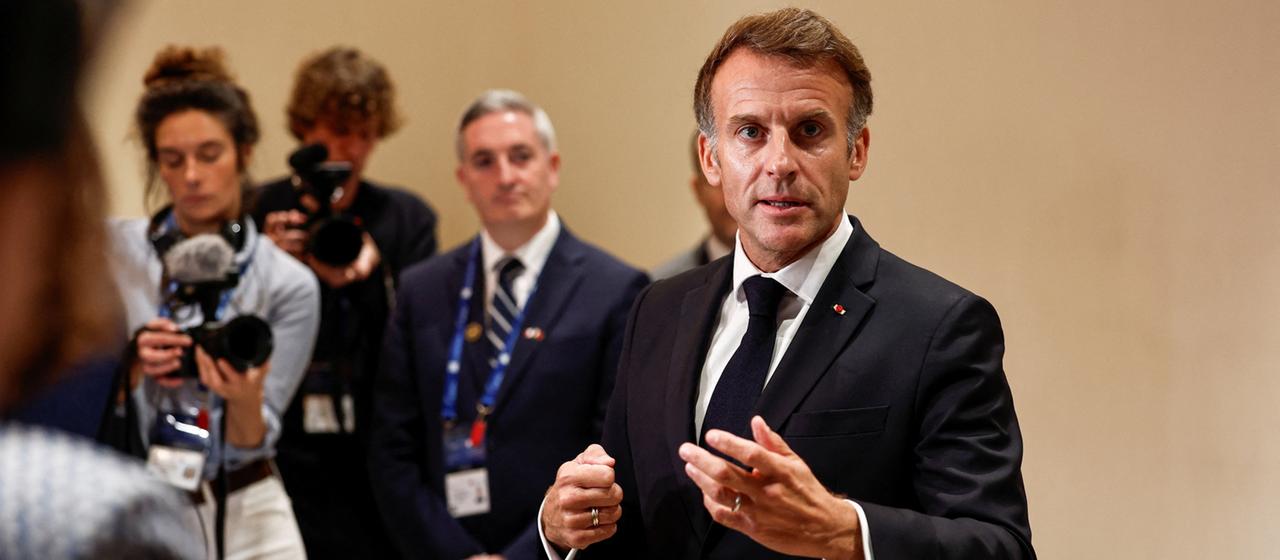
"There have been comments that are as unacceptable as they are stupid, including from foreign leaders," Macron declared at a press conference in Doha. He specifically refuted claims of an invasion of "hordes of migrants and Islamists" into France, characterizing such assertions as "completely false." This statement is widely interpreted as a direct response to remarks made by former U.S. President Donald Trump, who has frequently commented on the situation in France, often framing it through a lens of immigration and security failures.
Macron’s tone was notably combative as he addressed the issue. When pressed by French journalists in Qatar whether his remarks were aimed at Trump, Macron responded affirmatively, adding that such political figures were engaging in "campaigning on our backs." He accused leaders, both in Europe and across the Atlantic, of uncritically accepting AI-generated information and using France’s internal struggles for their own electoral advantage. "France has enough problems and cannot afford this," he stated, emphasizing the need for domestic focus and solidarity rather than external political opportunism.
Government’s Hardline Stance on Violence
Amidst the backdrop of foreign criticism and escalating domestic tensions, President Macron reiterated the French government’s commitment to a robust response to any further violence. He confirmed that curfews have been implemented in several cities and are being respected, and that gatherings are prohibited. "Anyone who intends to cause trouble in the city centers next Saturday will be prevented from doing so," Macron warned, signaling a determination to maintain public order.
The government’s strategy appears to involve a multi-pronged approach, combining law enforcement with military support. Prime Minister Sébastien Lecornu announced that the police presence would be significantly bolstered for upcoming demonstrations. Furthermore, soldiers from the anti-terrorism operation Sentinelle are being deployed to guard sensitive locations, underscoring the perceived gravity of the security situation.
Renewed Calls for Protest and Social Discontent
The unrest in France has been fueled by a complex mix of socio-economic grievances and a perceived lack of government responsiveness. For Saturday, new protest calls have emerged from Yellow Vest organizations and various trade unions. These groups, which have historically been at the forefront of significant public demonstrations in France, are seeking to capitalize on the current climate of discontent and exert further pressure on the Macron administration.
The reasons behind these renewed calls are multifaceted, encompassing issues ranging from the rising cost of living and economic inequality to concerns about social justice and the perceived overreach of state authority. The government’s handling of previous demonstrations, including the use of force and stringent legal measures, has also been a point of contention, leading to a deepening distrust among certain segments of the population.
Economic Fallout and Market Concerns
Beyond the immediate security concerns and political rhetoric, France is facing a severe and escalating economic crisis. The yield on ten-year French government bonds has surged past the five percent mark, reaching its highest level in 22 years. This development signifies a substantial increase in the cost of borrowing for the French state, exacerbating its already precarious financial situation.
The country’s high level of national debt means that a significant portion of its budget is already allocated to servicing these debts. The current economic climate, coupled with the ongoing domestic instability, appears to be raising concerns among international investors and financial markets about France’s ability to manage its fiscal obligations effectively. The rising bond yields suggest a growing perception of risk associated with French sovereign debt.
The violent protests are seemingly amplifying doubts among creditors regarding the French government’s capacity to bring its high national debt under control. This financial strain could have significant long-term implications for France’s economic stability and its ability to fund public services and investments.
Political Ramifications and Electoral Landscape
The confluence of domestic unrest, economic pressure, and foreign commentary is creating a volatile political environment in France. With presidential elections looming in six months, the current situation presents a significant challenge for President Macron and his administration.
Opinion polls indicate that Marine Le Pen, the leader of the far-right National Rally party, is currently leading significantly in the presidential race. The ongoing social and economic difficulties, coupled with the government’s struggles to contain the unrest, could potentially further bolster Le Pen’s support base. Her platform often emphasizes national sovereignty, stricter immigration policies, and a more protectionist economic approach, themes that may resonate with voters disillusioned by the current state of affairs.
The events unfolding in France highlight the complex interplay between domestic policy, international relations, and economic stability. President Macron’s strong stance against foreign interference underscores his determination to assert France’s sovereignty and control the narrative surrounding its internal challenges. However, the persistent social discontent and the mounting economic pressures present a formidable test for his leadership and the future direction of the nation. The coming weeks and months will be critical in determining how France navigates these multifaceted crises and shapes its political and economic trajectory.





