
Berlin, Germany – Despite an improved economic outlook, Germany’s state coffers are projected to see only a modest increase in tax revenues over the coming years. The latest tax estimation, keenly awaited by politicians and economists alike, indicates that federal, state, and municipal governments can expect an additional €20 billion in revenues by 2030 compared to previous forecasts made in May. While any upward revision is a welcome development, this seemingly substantial figure is tempered by underlying economic realities and existing fiscal pressures, dashing hopes for significant tax relief or expansive new spending initiatives.
The provisional results, revealed in Berlin ahead of their official presentation on Thursday afternoon, suggest a cautiously optimistic yet fundamentally constrained fiscal landscape. Participants in the estimation process had anticipated an increase of this magnitude, but the final figures, while broadly aligned, underscore a complex interplay of economic recovery, structural challenges, and strict budgetary rules.
Main Facts: A Cautious Optimism
The core message from the latest tax estimation is one of limited fiscal maneuverability. Germany, Europe’s largest economy, is emerging from a period of subdued growth, but the anticipated rebound will not translate into a windfall for public finances.
The €20 Billion Paradox
On the surface, an additional €20 billion in tax revenues by 2030 might appear substantial. This sum, spread across federal, state, and local governments over six years, represents a slight improvement on the previous May forecast. However, when juxtaposed against the scale of Germany’s national budget – which typically exceeds €400 billion annually for the federal government alone – and the pressing demands for investment in infrastructure, digitalization, and climate transition, this increase is relatively small. It does little to fundamentally alter the tight fiscal constraints that have defined German budgetary policy in recent years. This modest uplift is less a cause for celebration and more a confirmation of the ongoing need for fiscal discipline.
Economic Growth vs. Fiscal Reality
The primary driver behind this improved, albeit modest, tax forecast is Germany’s revised economic growth projections. Just three weeks prior to the tax estimation, the federal government significantly upgraded its growth forecasts. For the current year, the projection was raised from a sluggish 0.5% to a more robust 1.3%. For the following year, 2025, the forecast improved from 0.9% to 1.1%. This upward revision signals that the German economy is performing better than initially expected a few months ago, benefiting from stabilizing energy prices, recovering global trade, and some resilience in domestic demand.
However, the disconnect between a noticeable improvement in economic sentiment and a relatively small boost in tax revenues highlights a crucial aspect of Germany’s economic structure. While headline GDP growth figures provide an overall picture of economic activity, the translation of this growth into tax receipts is not always linear. Factors such as the composition of growth (e.g., export-driven versus domestic consumption-driven), corporate profitability, wage development, and specific tax regulations all play a significant role in determining the actual tax intake. In Germany’s case, several structural elements temper the fiscal impact of an improving economy.
Chronology of Forecasts and Policy Decisions
Understanding the current tax estimation requires a look back at the sequence of economic assessments and policy responses that have shaped Germany’s fiscal trajectory.
From Gloom to a Glimmer of Hope
The German economy has navigated a turbulent period marked by the lingering effects of the COVID-19 pandemic, the energy crisis triggered by the war in Ukraine, and persistent global supply chain disruptions. These challenges led to conservative, often pessimistic, economic forecasts in previous years. The May tax estimation, for instance, reflected a more subdued outlook, anticipating slower growth and tighter fiscal conditions.

The recent upward revision of growth forecasts by the federal government marked a turning point. It signaled a shift from a defensive stance to a more hopeful, albeit still cautious, assessment of the economy’s resilience. This shift was based on updated data indicating a stronger-than-expected performance in certain sectors, particularly export-oriented industries, and a gradual easing of inflationary pressures. The current tax estimation is a direct consequence of this improved macroeconomic picture, providing the latest data points for the government’s budget planning cycles extending up to 2030.
The Role of the Tax Estimation Committee
The "Steuerschätzung" (tax estimation) is a critical biannual exercise in Germany, usually conducted in May and October. It is carried out by a working group comprising experts from the Federal Ministry of Finance, the Federal Ministry for Economic Affairs and Climate Action, the German Bundesbank, the Federal Statistical Office, leading economic research institutes, and representatives from state and local governments. This broad composition ensures a comprehensive and politically neutral assessment of expected tax revenues for the current year and the subsequent five years, with an outlook extending further.
The committee bases its projections on the latest macroeconomic forecasts, including GDP growth, inflation, employment, and wage developments. Its findings are binding for the federal and state governments’ budget planning. This ensures a consistent and realistic foundation for fiscal policy decisions across all levels of government. The preliminary figures discussed in this article are the product of this rigorous, consensus-driven process, underscoring their authoritative nature in German fiscal policy.
Deconstructing the Data: Why the Modest Upswing?
While the improved economic forecasts are undeniably positive, several factors explain why the resulting tax revenue increase is not more substantial, especially when considering the significant upward revision for the current year.

Export-Driven Growth: A Double-Edged Sword
One of the key reasons for the relatively weak tax surplus, particularly when measured against the strong upward revision in growth forecasts for this year, is the nature of Germany’s economic expansion. The German economy remains heavily export-oriented. While strong exports contribute significantly to GDP growth, their direct impact on domestic tax revenues can be less pronounced compared to growth driven by domestic consumption or investment.
Export-driven growth primarily benefits large corporations and their employees, but the value-added tax (VAT) generated on goods sold abroad is often not collected in Germany. Corporate income taxes are, of course, paid in Germany, but the overall tax base expansion from exports may not be as broad as from robust domestic demand. Furthermore, the profits of multinational corporations can be subject to complex international tax arrangements, potentially reducing the taxable income declared within Germany. This structural characteristic means that even a booming export sector might not translate into a commensurate boom in overall tax receipts for federal, state, and local governments.
Long-Term Growth Concerns
Another factor dampening the long-term tax revenue outlook is the expectation of slower economic growth from 2028 onwards. Leading economic institutes, which contribute to the tax estimation process, anticipate a deceleration in Germany’s growth trajectory beyond the immediate recovery phase. This long-term caution stems from several structural challenges:
- Demographic Change: Germany faces an aging population and a shrinking workforce, which can limit potential growth and put pressure on social security systems, indirectly affecting the tax base.
- Decarbonization Costs: The ambitious transition to a climate-neutral economy requires massive investments but also incurs significant costs for businesses and households, potentially constraining other economic activities in the short to medium term.
- Geopolitical Uncertainties: Global trade tensions, protectionist tendencies, and ongoing geopolitical conflicts can disrupt supply chains and dampen export prospects, which are crucial for Germany.
- Bureaucracy and Investment: Concerns about excessive bureaucracy and a lack of public and private investment in critical areas like digitalization and infrastructure could hinder long-term productivity growth.
These structural headwinds mean that while the immediate future looks slightly brighter, the long-term potential for strong, sustained tax revenue growth remains limited, necessitating careful fiscal planning.

The Debt Brake’s Persistent Grip
Germany’s constitutional "debt brake" (Schuldenbremse) plays a pivotal role in shaping the federal government’s fiscal policy. This rule limits the structural deficit of the federal government to 0.35% of GDP and prohibits state governments from taking on new debt. While often praised for ensuring fiscal stability, it also significantly constrains government spending.
Ironically, an improving economy, which leads to higher tax revenues, also tightens the grip of the debt brake. The rule mandates that the federal government must make fewer new borrowings when the economy performs better, as the cyclical component of the budget improves. The Federal Ministry of Finance estimates that this effect alone will reduce the federal government’s borrowing by approximately €2.5 billion this year. While this reduces the national debt, it simultaneously limits the scope for additional spending or tax cuts that might otherwise be considered if only the absolute increase in revenue were taken into account. The debt brake thus acts as a mechanism that prevents a significant "windfall" effect from economic upturns, ensuring that any additional revenues primarily serve to consolidate public finances rather than fund new initiatives.
Official Responses and Political Battle Lines
The modest tax revenue increase has triggered a predictable set of reactions from government officials and political parties, highlighting the ongoing tensions surrounding Germany’s fiscal policy.
Finance Ministry’s Sobering Assessment
The Federal Ministry of Finance has adopted a distinctly cautious tone regarding the improved tax forecast. Sources within the ministry reportedly cautioned against being "fooled by slightly higher revenues," emphasizing that the tax surplus for the federal government would be "manageable." This reflects a deep awareness of the underlying budgetary challenges that persist despite the economic upturn.

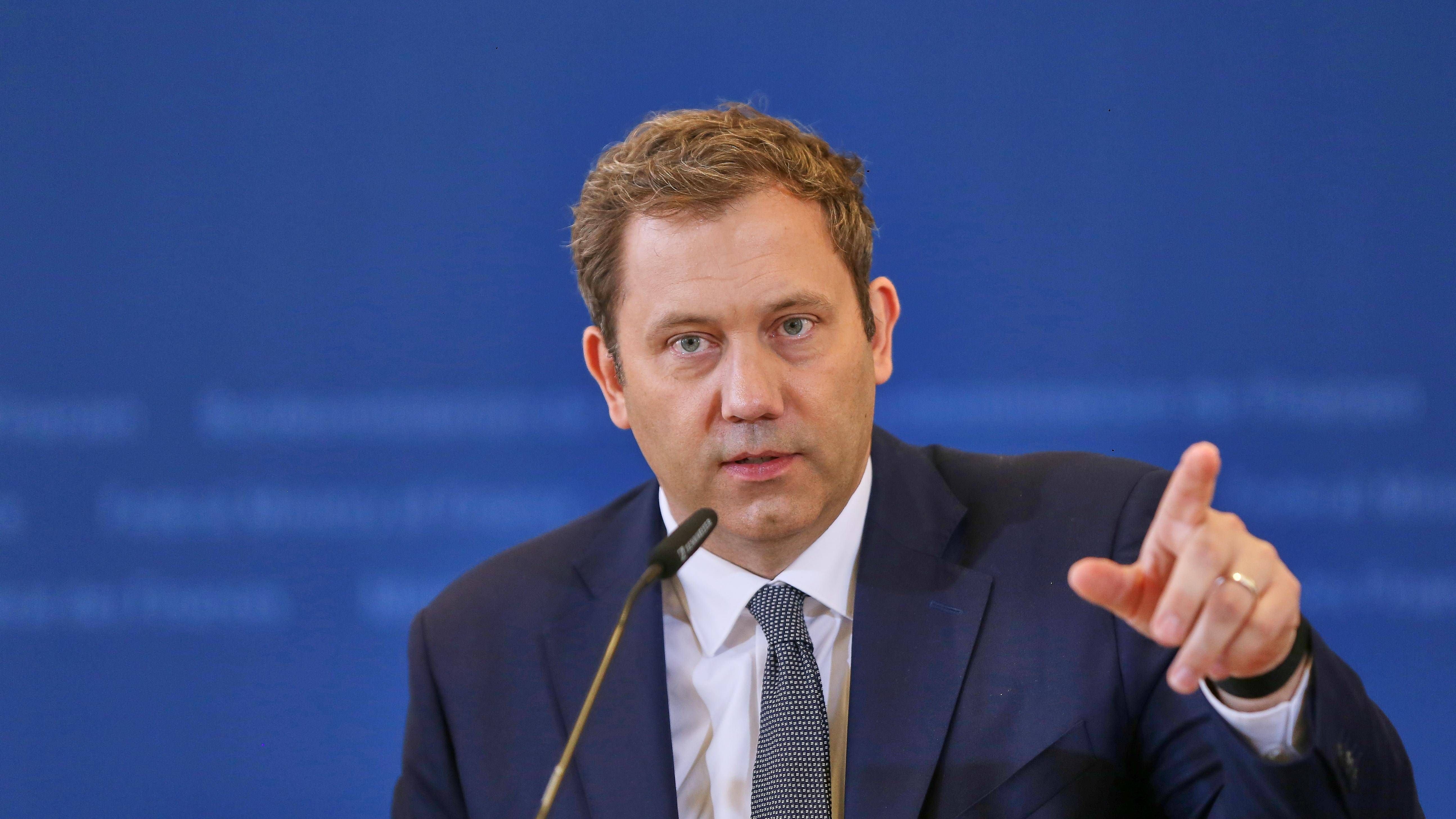
The ministry’s assessment underlines the reality that even with an additional €20 billion over several years, the federal budget continues to face significant structural deficits. For instance, Financial Minister Christian Lindner (FDP) — though the original article refers to "Lars Klingbeil (SPD)" which is an error, as Klingbeil is SPD co-leader, not Finance Minister; Christian Lindner of the FDP is the current Finance Minister — is reportedly still confronted with a budget gap of just over €20 billion for the 2028 budget. This substantial hole indicates that the additional tax revenues are barely enough to offset existing structural deficits, leaving little to no room for new spending or widespread tax reductions. The ministry’s stance effectively serves to manage expectations, preventing calls for immediate fiscal expansion.
Opposition’s Unfulfilled Tax Cut Dreams
The Christian Democratic Union (CDU) and its Bavarian sister party, the Christian Social Union (CSU), forming the opposition Union faction, had harbored hopes that a better tax estimation would create fiscal leeway for long-promised tax cuts. These hopes, however, appear to be dashed by the modest nature of the revenue increase.
The Costly Promise of Electricity Tax Reduction
One of the Union’s key proposals, reiterated at a recent party conference, is a reduction in the electricity tax. This promise dates back to the beginning of the current legislative period, where initial attempts only led to relief for industrial consumers, causing considerable public frustration as households did not benefit. The Union now seeks to extend this relief to all citizens, arguing it would stimulate the economy and ease the burden on consumers.
However, such a measure comes with a hefty price tag. Calculations suggest that a comprehensive electricity tax reduction, implemented as envisioned by the Union, would cost approximately €5.4 billion annually. The current tax estimation’s modest increase simply does not generate sufficient funds to cover such a significant and recurring expenditure. This fiscal reality makes it exceedingly difficult for the government to entertain the Union’s proposal without identifying substantial counter-financing measures elsewhere.

The Enduring Debate on Cold Progression
Another area where the Union had hoped for fiscal relief is the compensation for "cold progression." Cold progression refers to the phenomenon where taxpayers pay a higher percentage of their income in taxes, even if their real income has not increased, simply because inflation pushes their nominal income into higher tax brackets. While their purchasing power remains the same or even decreases due to inflation, they face a higher tax burden. To counteract this effect, governments typically adjust tax brackets and allowances regularly.
However, due to the strained budgetary situation, the federal government had, contrary to usual practice, decided against fully compensating for cold progression in 2027. The Union faction is now pressing for this compensation to be implemented during the ongoing parliamentary budget deliberations. According to Federal Ministry of Finance calculations, compensating for cold progression would cost an estimated €4 billion in 2027 and a further €9 billion in 2028. Like the electricity tax reduction, these costs far exceed the marginal gains from the new tax estimation, making their implementation without significant spending cuts or alternative revenue sources highly improbable.
Coalition’s Fiscal Tightrope Walk
The governing coalition, comprising the Social Democratic Party (SPD), the Greens, and the Free Democratic Party (FDP), also finds itself in a precarious position. The modest tax revenue increase offers little comfort as they grapple with ongoing budget negotiations and the inherent tensions between their respective fiscal priorities.
In recent months, there have been several rounds of discussions between the SPD and the Union (though the article likely means discussions within the coalition, perhaps with the FDP, or between the government and opposition on fiscal matters). These discussions have consistently failed to yield a consensus. The Union has resisted proposals to cut tax breaks and subsidies, while the SPD has opposed reductions in financial aid and social spending. This political impasse highlights the difficulty of finding common ground for fiscal consolidation.

As things stand, it appears unlikely that German taxpayers will benefit from significant new tax relief measures in the near future. The combined pressure of existing budget gaps, the debt brake, and the cost of proposed tax cuts means that the government’s focus will remain on balancing the books. This situation has even led some prominent economists to jokingly suggest that it’s "better if the tax estimation isn’t too good, before the federal government gets foolish ideas again and distributes tax gifts in the wrong places, as in the past." This sentiment underscores a desire for prudent fiscal management over politically motivated, but potentially unsustainable, spending or tax reduction initiatives.
Broader Implications for Germany’s Economic Future
The latest tax estimation, with its cautious optimism and inherent limitations, carries significant implications for Germany’s economic future, affecting public investment, its ability to navigate global economic challenges, and the broader philosophy of its public finance.
Public Investment and Structural Reform
A persistent challenge for Germany has been the need for substantial public investment in areas critical for future competitiveness and sustainability. This includes modernizing infrastructure, accelerating digitalization, and funding the colossal shift towards renewable energy and climate neutrality. The modest increase in tax revenues means that the fiscal space for these crucial investments remains tight. The government will likely continue to face difficult choices, prioritizing certain projects while deferring or scaling back others.
This situation underscores the urgent need for structural reforms that can boost Germany’s long-term growth potential and, by extension, its tax base. Reforms aimed at reducing bureaucratic hurdles, attracting skilled labor, fostering innovation, and improving the efficiency of public spending could yield greater dividends than simply hoping for an economic boom to solve fiscal problems. Without such reforms, the "manageable" tax surplus risks becoming a perpetual state of fiscal constraint.

Navigating Global Headwinds
Germany, as a highly integrated global economy, remains susceptible to international economic fluctuations and geopolitical developments. While the current growth is partly export-driven, this also exposes the country to risks such as slowdowns in key trading partners, renewed protectionism, or disruptions to global supply chains. The modest tax revenue forecast suggests that the government has limited fiscal buffers to absorb potential future shocks.
This necessitates a robust and adaptive economic policy that not only fosters domestic resilience but also strengthens Germany’s position in a competitive global environment. Investments in research and development, diversification of export markets, and strategic partnerships could help mitigate some of these external vulnerabilities. The current fiscal situation demands a forward-looking approach, preparing for future challenges rather than relying solely on short-term economic improvements.
The Prudence of Public Finance
The cautious approach adopted by the Federal Ministry of Finance and the prevailing sentiment among economists highlight a fundamental principle of sound public finance: prudence. In an era of increasing demands on public funds and persistent budgetary pressures, the temptation to use any unexpected revenue gains for immediate political gratification through tax cuts or new spending programs can be strong. However, such procyclical policies can exacerbate economic downturns and lead to unsustainable public debt in the long run.
The "joke" about preventing "foolish ideas" from a too-favorable tax estimate reflects a desire for long-term fiscal stability over short-term political gains. It advocates for using any additional revenues primarily for debt reduction, building fiscal reserves, or funding critical, long-term investments that enhance the economy’s productive capacity. This philosophy of fiscal responsibility, deeply embedded in Germany’s economic culture, suggests that while the latest tax estimation offers a glimmer of improvement, the path forward for German public finances will remain one of careful management and strategic prioritization. The challenge for the government will be to communicate this necessity effectively while navigating the often-conflicting demands of coalition partners and opposition parties.