By International Financial Desk
Date: October 20, 2026
The global energy sector is reeling as crude oil prices have surged to their highest level in five months, with North Sea Brent crude breaching the $111 per barrel threshold. This sharp upward movement marks a dramatic reversal from the modest stabilization observed during the summer months and has sent shockwaves through global financial markets, reigniting fears of a persistent, multi-layered inflation crisis. As geopolitical friction intensifies in the Persian Gulf, analysts warn that the delicate equilibrium of global energy supply is under unprecedented strain.
The Catalyst: A Volatile Persian Gulf
The primary driver behind this sudden price spike is the rapidly deteriorating security situation in the Persian Gulf. Following a period of relative calm, the region has returned to the center of global instability. According to data provided by the Belgian logistics and energy analytics firm Kpler, the vulnerability of the Strait of Hormuz—the world’s most critical maritime chokepoint—has been laid bare once again.
While U.S. Energy Secretary Chris Wright had recently signaled a cautious optimism, noting that regional supply volumes had recovered to roughly 80 percent of pre-conflict levels, the latest data tells a more sobering story. Weekly oil exports passing through the Strait of Hormuz plummeted to 8.5 million barrels per day (bpd) over the past week, a drastic decline from the 20 million bpd recorded just seven days prior.
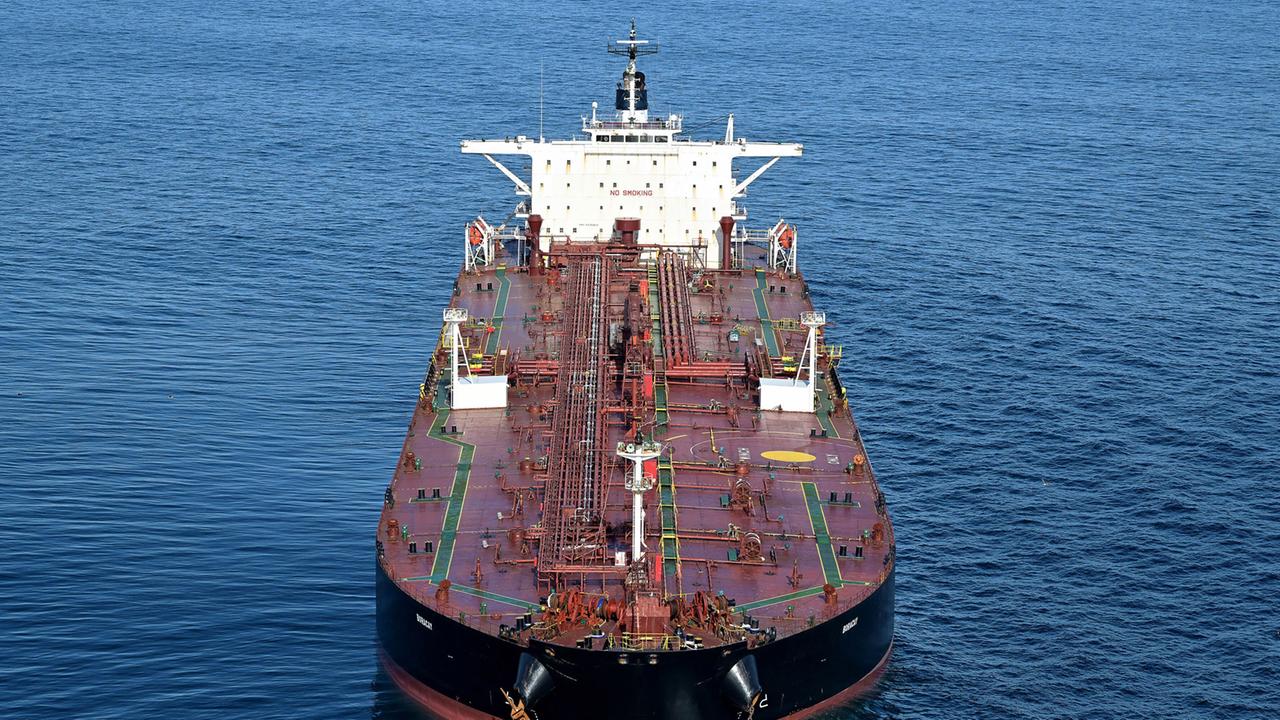
This collapse in throughput is directly linked to a series of aggressive maneuvers by Iranian forces targeting commercial shipping vessels. The maritime corridor, essential for the transit of nearly a third of the world’s seaborne oil, has become a high-risk zone for tanker traffic, leading to soaring insurance premiums and the reluctance of carriers to approach the region.
Chronology of Escalation
The recent spike is not an isolated event but the culmination of weeks of rising tensions:
- Early October: Initial reports of "suspicious activity" near the Strait of Hormuz began to emerge, prompting the U.S. Navy to increase its patrol frequency.
- October 12–15: Multiple commercial tankers reported harassment, with several vessels forced to alter course after interactions with Iranian naval assets.
- October 17: An official statement from Tehran, reported via the state news agency IRNA, justified the heightened maritime presence as a sovereign necessity to "ensure the national security of the country."
- October 18–19: Concurrently, Houthi militias in Yemen, operating with Iranian logistical and strategic support, intensified their drone and missile campaign against critical Saudi Arabian oil infrastructure, further constricting global supply confidence.
- October 20: Brent crude surged past the $111 mark, reacting to the combination of shipping blockades and damaged production facilities.
Supporting Data and Market Analysis
The economic implications of this surge are being felt across the commodities spectrum. Hamad Hussain, a senior commodity strategist at Capital Economics, characterizes the current environment as "decidedly bullish" for oil prices. "The risks are unequivocally skewed to the upside," Hussain noted in a briefing today. "When you combine the physical restriction of oil flow through the Strait of Hormuz with the targeted sabotage of production facilities in Saudi Arabia, the market is essentially pricing in a significant, long-term supply deficit."
While Brent crude is currently hovering above $111, U.S. West Texas Intermediate (WTI) is trading at approximately $103 per barrel. The spread between the two reflects the idiosyncratic nature of the current crisis, which is hitting European and Asian markets—heavily dependent on Middle Eastern supply—far harder than the U.S. domestic market. The lower WTI price is further sustained by the recent directive from President Donald Trump, which effectively suspended several sanctions and tariffs on Russian energy exports, allowing a greater volume of Russian crude to fill domestic gaps in the United States.
Official Responses and Diplomatic Stagnation
The international community remains divided on the path forward. Tehran maintains that its actions are defensive, aimed at neutralizing foreign pressure and securing its economic interests. Conversely, Washington and its regional allies have condemned the interference with maritime trade as a violation of international law.
Diplomatically, the window for a resolution remains narrow. There is a palpable sense of anxiety regarding the upcoming U.S. midterm elections, scheduled for early November. Market participants are treating the midterms as a "crucial pivot point." While there is a faint hope that back-channel negotiations could lead to a cooling of tensions before the polls open, the current reality of the situation makes such a breakthrough appear increasingly unlikely.
"The market is starved for credible de-escalation news," says a lead energy analyst at a major investment bank. "Without a clear diplomatic signal, traders are preparing for the worst-case scenario: a prolonged conflict that could force oil prices toward the $120 range."
Implications for the Global Economy
1. The Inflationary Feedback Loop
The most immediate fear among central bankers is that energy prices will act as a "sticky" factor in inflation. Higher fuel costs inevitably translate into higher transportation and production costs, which are then passed on to consumers. With central banks already struggling to bring inflation down to target levels, a sustained energy shock risks forcing interest rates higher for longer. This scenario creates a "stagflationary" environment that could throttle economic recovery.
2. The Cost of Capital and the Tech Sector
The prospect of higher interest rates is particularly damaging to the technology sector. Many major tech corporations, which are currently engaged in a massive, capital-intensive race to dominate the artificial intelligence (AI) landscape, rely heavily on borrowing. Rising interest rates increase the cost of this debt, potentially slowing down the pace of innovation and hitting the valuations of growth-oriented companies.
3. Impact on Equity Markets
The ripple effects are clearly visible in the equity markets. The German DAX, for instance, has reacted sharply to the news, falling 0.8 percent to 25,121 points by the early afternoon. Investors are shedding risk-sensitive assets as they pivot toward safer havens, fearing that the corporate earnings season will be overshadowed by rising input costs.
Post-Midterm Outlook: A Looming Military Shift
Looking beyond the November 3 midterm elections, there is growing apprehension among analysts that the U.S. strategy toward the region may shift from diplomatic maneuvering to direct military intervention. Should the current administration or the legislative body seek to exert a "show of strength" post-election, the risk of a full-scale regional conflagration increases significantly.
The "Shatter-Point" for the global economy is clear: the dependency on the narrow waters of the Persian Gulf remains the single greatest vulnerability in the modern economic order. As long as the Strait of Hormuz remains a theatre for geopolitical posturing, the global price of energy will remain hostage to the whims of regional conflict.
Investors and policymakers alike are now braced for a turbulent winter. The hope for a diplomatic thaw is fading, replaced by the grim reality that in the world of energy, the smallest spark in the Gulf can ignite a fire that reaches every corner of the global economy. As the markets await the next headline from the region, the sentiment is one of cautious, and increasingly expensive, waiting.