Kinshasa, DRC / Nairobi, Kenya – October 18, 2026 – The Democratic Republic of Congo (DRC) is grappling with a significant escalation of its latest Ebola outbreak, as the deadly virus has now been confirmed in an eighth province, North Ubangi, bordering the Central African Republic. This grim development marks a critical expansion of the epidemic’s geographic footprint within a nation already beleaguered by complex humanitarian crises. The outbreak, which began in the eastern part of the country, has tragically claimed thousands of lives, with public health officials and international aid organizations scrambling to contain what the Africa Centres for Disease Control and Prevention (Africa CDC) has termed the "fastest-growing Ebola epidemic in history."
Adding to the regional alarm, neighboring Kenya has reported its first cluster of Ebola cases linked to the DRC outbreak. Seven individuals, including one fatality, have been confirmed infected in Kenya, underscoring the formidable challenge of containing highly contagious diseases in a region characterized by porous borders and significant population movement. The incident highlights the urgent need for enhanced cross-border surveillance and robust public health interventions to prevent further international spread.
Main Facts: A Spreading Crisis
The confirmation of Ebola in North Ubangi, announced by the DRC’s public health institute, brings the total number of affected provinces in the vast central African nation to eight out of 25. This expansion into a new, geographically distinct area away from the initial epicenter in the east raises serious concerns about the challenges of containment and the potential for wider regional destabilization. North Ubangi’s strategic location, sharing a border with the Central African Republic, introduces an additional layer of complexity to an already strained public health response.
The scale of the outbreak within the DRC remains staggering. Official figures indicate a cumulative total of 9,415 confirmed cases, with a devastating 4,536 fatalities attributed to the virus. This grim statistic underscores a case fatality rate hovering around 48%, a stark reminder of Ebola’s virulent nature despite advancements in treatment and vaccination efforts. The Africa CDC’s characterization of this as the fastest-growing Ebola epidemic in history points to an unprecedented rate of transmission and spread, likely fueled by a confluence of factors including population density, insecurity, and community mistrust.
Further compounding the crisis, Kenya’s Ministry of Health has confirmed seven Ebola cases within its borders. The index case was a male who had recently traveled from the DRC and tragically succumbed to the virus in a Nairobi hospital a week prior to the announcement. Subsequent investigations revealed that six other individuals, comprising family members of the deceased and medical personnel who attended to him, contracted the infection. Kenyan authorities have moved swiftly to diagnose these cases early and place all confirmed patients in quarantine, initiating contact tracing efforts to mitigate further transmission. This cross-border leap of the virus into a major East African hub like Nairobi sends a potent warning about the imperative for regional preparedness and collaborative response strategies.
Chronology of an Escalating Epidemic
The current Ebola outbreak in the Democratic Republic of Congo traces its origins back to an initial detection in mid-May of the current year. However, epidemiological investigations suggest that the virus likely circulated undetected for several months prior to this official announcement. This clandestine spread in its early stages allowed the virus to gain a significant foothold, particularly in the eastern provinces, before the full scale of the crisis became apparent.
The initial epicenter was identified in the volatile eastern regions, specifically in areas like North Kivu and Ituri, which have long been plagued by armed conflict, displacement, and weak health infrastructure. These conditions created a fertile ground for the rapid dissemination of the virus, as populations are constantly on the move, and access for health workers is frequently hampered by insecurity. The presence of numerous non-state armed groups in these areas has not only obstructed safe access for humanitarian responders but also contributed to a climate of suspicion and resistance among affected communities.
Over the ensuing months, despite intensive efforts by national and international health organizations, the virus steadily expanded its reach. The announcement on October 18, 2026, confirming cases in North Ubangi, marks a significant geographical leap. This province, located to the northwest of the initial outbreak zones and sharing a lengthy border with the Central African Republic, signals a new front in the battle against Ebola. The trajectory from a suspected localized cluster in May to impacting eight provinces by October highlights the relentless and aggressive nature of this particular strain and the numerous obstacles to its control.
The alarming development in Kenya represents a critical turning point in the regional dimension of the crisis. While sporadic cross-border transmissions are always a risk in major outbreaks, the confirmation of a cluster of cases in a capital city, far from the DRC’s eastern borders, underscores the potential for rapid and far-reaching spread via international travel. The timeline from the index patient’s arrival from the DRC to his death, and the subsequent infection of six close contacts, illustrates the rapid transmission potential and the critical importance of immediate, robust public health responses at points of entry and within healthcare facilities. The swift action by the Kenyan Ministry of Health to identify, isolate, and quarantine the infected individuals and their contacts is a testament to preparedness efforts, yet the very occurrence of such an event remains a grave concern.
Supporting Data: Unprecedented Scale and Devastation
The statistics emerging from the Democratic Republic of Congo paint a dire picture of the ongoing Ebola epidemic. With 9,415 confirmed cases and 4,536 deaths, the sheer volume of infections and fatalities places this outbreak among the most severe in history, surpassed only by the devastating West African Ebola epidemic of 2014-2016. The crude case fatality rate of approximately 48% signifies that nearly half of all confirmed infected individuals have succumbed to the disease, emphasizing its lethal potential even with improved medical interventions compared to previous outbreaks. This rate is particularly concerning given the availability of advanced therapeutic agents and an effective vaccine (Ervebo) that have revolutionized Ebola response in recent years. The persistence of such a high mortality rate points to significant challenges in early diagnosis, timely access to care, and the enduring severity of the disease in the absence of rapid intervention.
The geographical spread across eight of the DRC’s 25 provinces underscores the extensive reach of the virus within the country. While specific details on all eight provinces were not immediately available, the initial concentration in eastern provinces like North Kivu and Ituri, known for their dense populations and chronic insecurity, has been a major contributing factor. The recent expansion into North Ubangi signifies a concerning northward and westward progression, opening up new epidemiological corridors and demanding an even more decentralized and complex response. Each new affected province presents unique logistical, security, and community engagement challenges, often requiring tailored strategies to gain the trust of local populations and implement effective public health measures.
The Africa CDC’s pronouncement that this is the "fastest-growing Ebola epidemic in history" is a critical assessment. This designation suggests that the rate of new infections and the speed at which the virus is spreading geographically are exceeding patterns observed in previous outbreaks, including the 2014-2016 West African crisis, which was characterized by its unprecedented scale. Several factors likely contribute to this rapid growth:
- Persistent Insecurity: Ongoing armed conflicts in eastern DRC severely impede access for health workers, disrupt contact tracing, and make safe burials difficult.
- Community Mistrust and Resistance: Historical grievances, political instability, and misinformation campaigns have fostered deep-seated mistrust towards health authorities and aid workers, leading to refusal of care, hidden cases, and attacks on response teams.
- High Population Mobility: The conflict-driven displacement of populations and everyday cross-border movement facilitate the rapid spread of the virus across vast distances.
- Weak Health Systems: Decades of underinvestment have left the DRC’s health infrastructure fragile, with limited capacity for surveillance, diagnostics, and treatment in many areas.
- Urban Transmission: The spread to densely populated urban centers, unlike many previous rural outbreaks, creates exponential transmission risks.
The detection of seven cases in Kenya, initiated by an individual traveling from the DRC, is a stark reminder of the global health security implications. The swift spread to family members and healthcare workers highlights the typical transmission dynamics of Ebola – direct contact with bodily fluids of an infected person or contaminated objects. The fact that Kenyan authorities were able to identify, diagnose, and quarantine these cases early demonstrates the crucial role of robust surveillance systems at points of entry and a well-prepared healthcare sector in preventing wider national outbreaks.
Official Responses and Challenges
The response to this multifaceted crisis has involved a complex interplay of national and international actors. The Democratic Republic of Congo’s public health institute, operating under immense pressure, has been at the forefront of confirming new cases and coordinating national efforts. Their pronouncements, such as the confirmation in North Ubangi, serve as critical alerts, triggering a cascade of emergency responses from partners. However, the capacity of the national health system is severely stretched, necessitating substantial external support.
The Africa Centres for Disease Control and Prevention (Africa CDC) has played a pivotal role in providing strategic guidance, technical assistance, and logistical support to the DRC and neighboring countries. Their declaration of the outbreak as the "fastest-growing" serves as a call to action, urging intensified efforts and greater international solidarity. Africa CDC has emphasized the need for a continent-wide approach, advocating for robust preparedness and response mechanisms across all African Union member states.
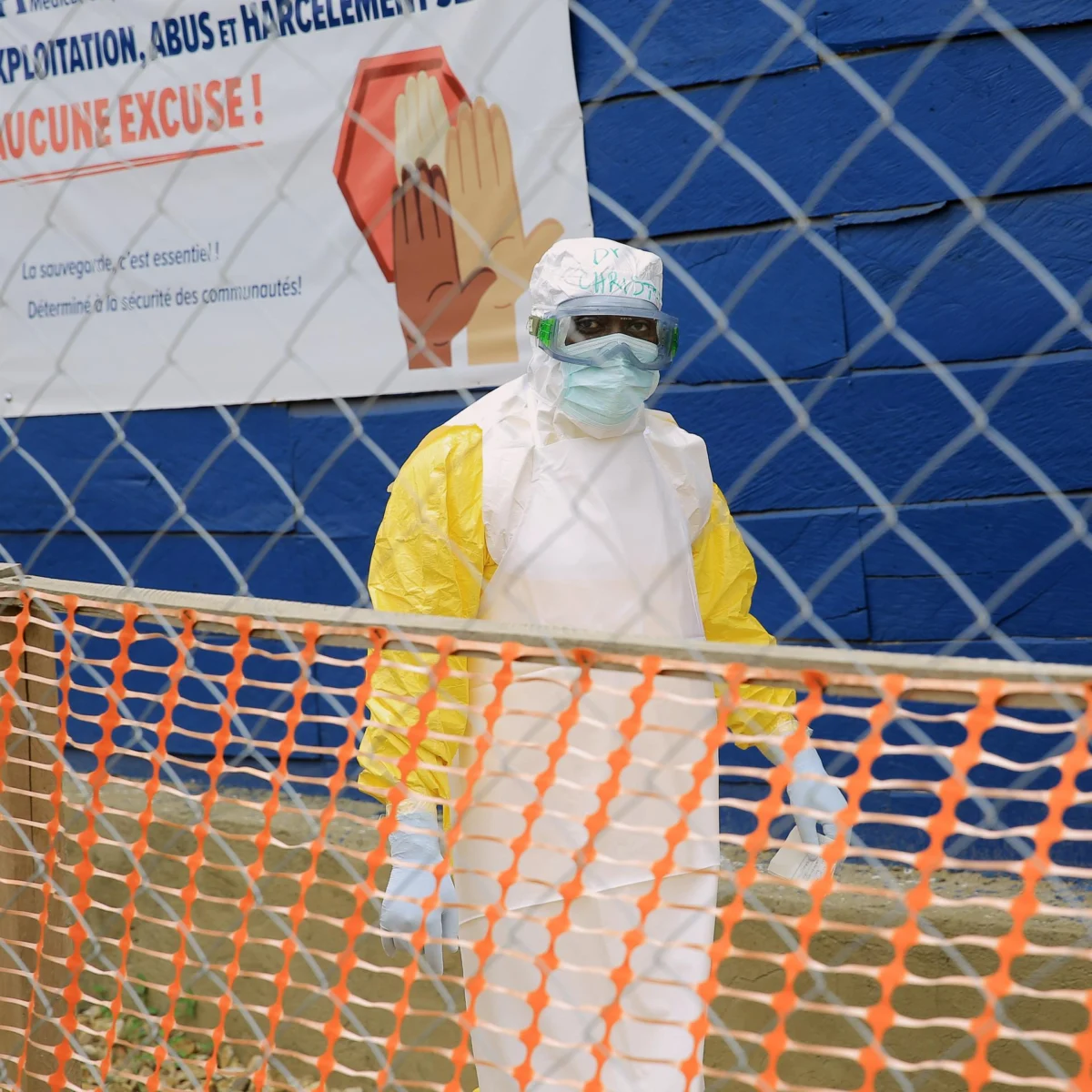
The World Health Organization (WHO) and other international humanitarian organizations such as Médecins Sans Frontières (MSF) have been deeply embedded in the response since the outbreak’s inception. Their work encompasses a broad spectrum of activities:
- Surveillance and Contact Tracing: Identifying new cases and tracking down all individuals who may have come into contact with them.
- Case Management: Providing specialized care for Ebola patients in dedicated treatment centers, utilizing advanced therapies like monoclonal antibodies that have significantly improved survival rates compared to earlier outbreaks.
- Vaccination Campaigns: Implementing ring vaccination strategies using the highly effective Ervebo vaccine, targeting contacts of confirmed cases and frontline health workers.
- Safe and Dignified Burials: Ensuring that deceased individuals are handled and buried in a manner that prevents further transmission while respecting cultural sensitivities.
- Community Engagement: Working with local leaders and community members to build trust, disseminate accurate information, and encourage adherence to public health measures.
However, these efforts are constantly hampered by formidable challenges. The pervasive insecurity in eastern DRC, characterized by the presence of armed groups and sporadic violence, has directly impacted the ability of response teams to access affected areas. Attacks on health workers, ambulances, and treatment centers have been tragically frequent, leading to temporary suspensions of operations and a chilling effect on personnel. This hostile environment not only endangers responders but also erodes trust, making it harder to implement life-saving interventions.
Community resistance, fueled by misinformation, political rhetoric, and a deep-seated suspicion of external interventions, further complicates the response. Rumors and conspiracy theories undermine vaccination efforts and safe burial practices, leading to hidden cases and uncontrolled chains of transmission. Addressing this requires sustained, culturally sensitive engagement, often involving local leaders and trusted community figures.
In Kenya, the Ministry of Health’s response has been swift and decisive. Upon confirming the cross-border transmission, immediate actions included:
- Isolation and Quarantine: All confirmed patients were quickly isolated in specialized facilities, and their close contacts were placed under quarantine for monitoring.
- Contact Tracing: Extensive contact tracing was initiated to identify anyone who might have been exposed to the index case or subsequent infections.
- Public Awareness: The ministry issued public advisories to raise awareness about Ebola symptoms and prevention measures, while urging calm and cooperation.
- Border Surveillance: Heightened surveillance measures were likely implemented at key points of entry from the DRC to screen travelers for symptoms.
The promptness of Kenya’s response is crucial in containing the localized cluster and preventing a wider outbreak within its borders. However, the incident serves as a stark reminder that as long as the epidemic rages in the DRC, neighboring countries remain at high risk.
Implications: A Regional and Global Threat
The continued escalation and geographic expansion of the Ebola epidemic in the Democratic Republic of Congo, coupled with its cross-border transmission into Kenya, carry profound implications that extend far beyond the immediate health crisis.
Public Health Implications: The rapid spread to an eighth province, especially one bordering the Central African Republic, creates new vectors for regional transmission. The sheer number of cases and deaths places an immense strain on already fragile health systems in the DRC, diverting critical resources from other essential health services. The high fatality rate, despite modern interventions, underscores the urgent need for even earlier detection, better access to advanced treatments, and sustained community engagement to overcome resistance. The cluster in Kenya, while seemingly contained for now, highlights the inherent vulnerability of interconnected nations to infectious disease outbreaks and necessitates robust, permanent preparedness strategies across the East and Central African regions.
Regional Stability and Security: The epidemic is unfolding in a region notorious for its political instability and armed conflict. The presence of Ebola further exacerbates these tensions, as response efforts are frequently targeted, and public health measures can become politicized. Insecurity not only hinders humanitarian access but also fuels displacement, which in turn can accelerate the spread of the virus. The cross-border nature of the outbreak threatens regional stability, potentially leading to border closures, trade disruptions, and strained diplomatic relations as countries attempt to protect their populations. A prolonged crisis could destabilize vulnerable communities and undermine peacebuilding efforts.
Economic Consequences: The economic toll of an Ebola outbreak is devastating. It disrupts livelihoods, particularly in agriculture and trade, as fear of contagion leads to reduced economic activity. Healthcare costs soar, and international travel and trade restrictions, even informal ones, can cripple local economies. For the DRC, already one of the world’s poorest nations, the epidemic compounds existing economic fragilities, hindering development and exacerbating poverty. For Kenya, even a contained cluster can cause economic ripples through impacts on tourism, trade, and public confidence.
Humanitarian Crisis: Beyond the direct impact of the disease, the Ebola epidemic deepens the humanitarian crisis in the DRC. Thousands of people have been displaced by conflict, and now face the added threat of a deadly virus. Access to food, clean water, and basic services is often disrupted. Children are particularly vulnerable, facing increased risks of orphanhood, malnutrition, and interrupted education. The psychological trauma on communities, health workers, and survivors is immense and long-lasting.
Global Health Security: The designation of this as the "fastest-growing" Ebola epidemic, coupled with its cross-border spread to Kenya, elevates it to a significant global health security concern. The interconnectedness of the modern world means that outbreaks in one region can rapidly become global threats. This necessitates sustained international funding, technical support, and coordinated global response efforts. Lessons learned from previous epidemics, particularly the 2014-2016 West African outbreak, emphasize the critical importance of early, decisive, and well-resourced interventions to prevent a localized crisis from spiraling into a global pandemic.
The situation in the Democratic Republic of Congo and the recent developments in Kenya represent a critical juncture in the ongoing battle against Ebola. The coming weeks will be crucial in determining whether the virus can be brought under control or if it will continue its alarming spread, further challenging the resilience of communities and the capacity of public health systems across Central and East Africa. The international community’s unwavering commitment and coordinated action remain indispensable to avert a wider catastrophe.