By Editorial Staff
September 17, 2026
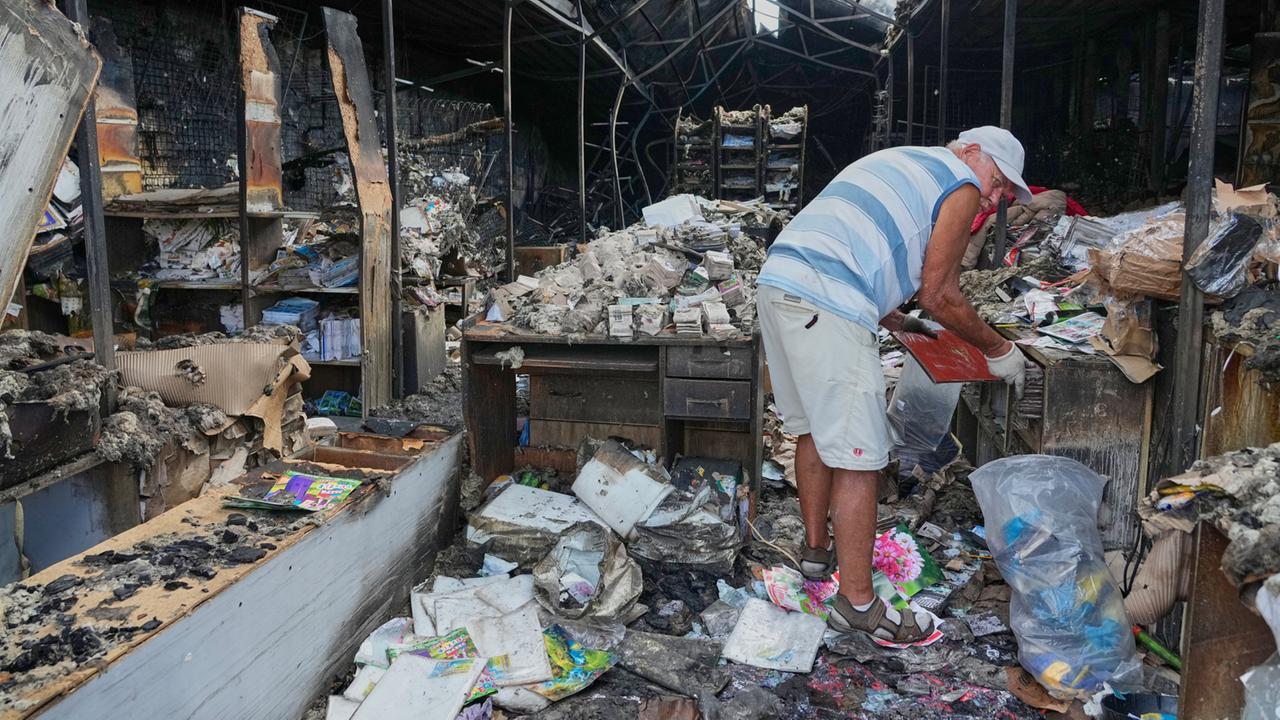
In the heart of Kyiv, the scent of charcoal and burnt paper lingers in the air—a haunting reminder of the front lines that have moved deep into the cultural infrastructure of Ukraine. Inside the "Readeat" bookstore, Yevheniia Rybak handles a small, fragile glass display case. Inside lies a singed, charred children’s book—one of the few artifacts salvaged from the smoldering remains of the bookstore’s central warehouse after a Russian missile strike.
"When literature is destroyed, it feels like a personal violation," Rybak says, her voice trembling. "It’s as if they are trying to excise a part of your soul. They haven’t succeeded, but the pain is visceral. Every page represents the collective effort of writers, illustrators, and printers. These books were waiting for children, and the children were waiting for them."
The destruction of millions of volumes is not merely collateral damage in a brutal territorial conflict; it is a calculated assault on the Ukrainian identity. As the war stretches into its third year, the systematic erasure of Ukrainian literature has become a central theater of Russia’s campaign, signaling an attempt to sever the nation’s connection to its own history and future.
The Scale of the Destruction: A Cultural Catastrophe
In the last ten weeks alone, more than 13 million books have been incinerated in Russian missile and drone attacks. This staggering figure represents one-third of the total domestic book production in Ukraine for the current year. The impact on the publishing industry is catastrophic, creating a massive logistical bottleneck that is reshaping how Ukrainians consume information and entertainment.
Logistical Paralysis
At the "Readeat" bookstore, the atmosphere of intellectual sanctuary is strained by the realities of supply chain warfare. The store, which once prided itself on 24-hour delivery, now informs customers of a minimum 15-day wait. For many titles, the wait is indefinite.
"The publishers don’t even have a clear inventory of what has been incinerated and what might still be in a warehouse somewhere," Rybak explains, pointing to a digital notice for customers. "We are operating in a state of permanent uncertainty. You order a book, hoping it still exists somewhere in print, but there are no guarantees."
Chronology of the Cultural Siege
The targeting of Ukrainian printing houses and book warehouses is a recurring pattern in the Russian military strategy.
- 19th Century Roots: As historians and scholars like Volodymyr Yermolenko, president of the Ukrainian PEN Club, point out, this is not a new phenomenon. The Russian Empire historically prohibited the use of the Ukrainian language in schools and literature, attempting to force assimilation through the erasure of the native tongue.
- The 2024-2025 Escalations: The conflict saw a marked increase in the targeting of logistics hubs and industrial printing zones. By mid-2026, the cumulative loss reached the 13-million-book threshold.
- September 2026: The annual Kyiv Book Fair, a cornerstone of the nation’s cultural calendar, was forced into an indefinite postponement. The increased frequency of aerial bombardment on the capital rendered large-scale public gatherings too dangerous, effectively silencing one of the few remaining platforms for literary discourse.
The Strategic Logic of "Cultural Erasure"
The destruction of books is widely regarded by cultural observers as a form of "cultural genocide." By destroying the physical manifestations of Ukrainian thought—be it academic textbooks, classic literature, or contemporary fiction—the aggressor aims to dismantle the national consciousness.
"The Russians want to subjugate Ukraine," says Yermolenko. "They can only succeed if they strip us of our national identity. If we no longer feel that we are a distinct people with our own culture, our own language, and our own history, their victory becomes inevitable. By burning our books, they are burning our memory."
This strategy relies on the belief that a society without a recorded, accessible history is more easily molded to fit the narrative of the occupier. By targeting printing presses and distribution centers, Russia is effectively imposing a cultural blockade, limiting the flow of ideas that define Ukrainian statehood and democratic values.
Resilience and Resistance: The Literature of Survival
Despite the fire and the rubble, the Ukrainian literary scene has demonstrated remarkable resilience. A profound shift in consumer behavior has emerged: a "turn toward the domestic."
The Rise of the Patriotic Reader
Maxym Syusura, a young reader browsing the shelves in Kyiv, reflects a growing trend among the Ukrainian youth. "Before the full-scale invasion, I was more interested in Russian literature," he admits. "Now, I exclusively read Ukrainian authors. It is a conscious choice to support our publishers and to keep our language alive."
This sentiment is shared by thousands. When news broke of the latest warehouse destruction, many Ukrainians responded with a wave of "solidarity buying," clearing out remaining inventories to provide publishers with the capital needed to print new editions.
Flourishing Festivals
Paradoxically, while major events like the Kyiv Book Fair are shuttered due to safety concerns, smaller, decentralized literary events are proliferating. Yermolenko notes that whereas ten years ago there were only a handful of book fairs nationwide, today there are three or four in almost every city—even in those where the front lines are dangerously close.
"We held culture festivals in Kharkiv and Odesa, and we made it to the book fair in Zaporizhzhia," Yermolenko says. "The thirst for Ukrainian literature has only grown as the physical threat has increased."
Psychological Implications: Reading in the Bunker
For the younger generation, literature has become a vital tool for psychological survival. In the face of constant air raid sirens, the act of reading provides a necessary tether to normalcy and sanity.
Yevheniia Rybak, 23, keeps a book in her "go-bag" for whenever she must retreat to a bomb shelter. "It’s a bit strange, I know," she laughs softly. "I find comfort in thrillers and crime novels—the grittier, the better. It helps to ground me when the world outside feels like it is ending. And the best part is that these genres are now dominated by our own Ukrainian authors. We have created our own world of stories that reflect our current reality."
Official Responses and International Outlook
International organizations, including UNESCO and the PEN International network, have repeatedly condemned the attacks on Ukrainian cultural heritage. However, the practical challenge remains: how to protect decentralized printing infrastructure in a nation under constant missile threat?
The Ukrainian Ministry of Culture has called for increased international support to digitize the nation’s archives and to subsidize the relocation of printing presses to safer, underground facilities. "Books are part of our defense infrastructure," a Ministry spokesperson noted. "If we lose our literature, we lose the very thing we are fighting for."
The Path Forward
As the war of attrition continues, the preservation of the written word remains a priority for the Ukrainian government. Plans are underway to establish a "Digital Library of Ukraine," an initiative aimed at safeguarding the country’s literary canon against physical destruction.
However, the physical book remains irreplaceable. The texture of paper, the act of holding a book, and the quiet intimacy of reading are experiences that digital archives cannot replicate. For now, the people of Ukraine continue to clear the ashes, support their local bookstores, and write new chapters, determined that while the ink may be scorched, the story of Ukraine will not be erased.
As the sun sets over a Kyiv skyline currently devoid of the bustle of a book fair, one thing remains clear: in the face of absolute destruction, the Ukrainian people have chosen to define their identity not by what they have lost, but by what they continue to create. The bookstore "Readeat" and others like it remain open—not just as retail spaces, but as bunkers for the Ukrainian spirit, proving that an idea, once printed, is far harder to burn than the paper it occupies.