Even decades after their dissolution, the Beatles continue to dominate the cultural landscape. With a slate of upcoming cinematic projects, high-profile television series, and a constant stream of new scholarly works, the "Fab Four" are proving that their legacy is not merely history—it is a living, breathing force in 21st-century pop culture.
The Persistent Echo of the Liverpool Sound: Main Facts
More than half a century since they last played together as a band, the Beatles remain the gold standard of popular music. Their influence transcends the boundaries of the 1960s, serving as the foundation upon which modern pop, rock, and experimental music were built.
As of September 2026, the fascination with John Lennon, Paul McCartney, George Harrison, and Ringo Starr has reached a new fever pitch. The market is currently saturated with a multi-media renaissance: four major upcoming feature films, a highly anticipated BBC/ZDF co-production chronicling their formative Hamburg years, a wave of new literary biographies, and even dedicated podcast series like the NDR’s Being the Beatles.
"This remains the greatest cultural story of the 20th century," asserts British journalist and author Ian Leslie, whose latest work delves into the intricate, often volatile, yet symbiotic creative relationship between Lennon and McCartney. "That is the fundamental reason we are still discussing them today. They weren’t just musicians; they were the architects of the modern world’s aesthetic and emotional landscape."
A Chronology of a Cultural Revolution
To understand the current obsession, one must look back at the trajectory of four working-class boys from Liverpool who transformed from a "third-rate rock and roll dance band" into the most significant artists in human history.
1960–1962: The Hamburg Crucible
The Beatles’ origin story is often romanticized, but the reality was a brutal, grueling apprenticeship. In 1960, the band landed in the red-light district of Hamburg, Germany. Playing long, exhausting sets in clubs like the Indra and the Kaiserkeller, the band members—often fueled by stimulants to survive the grueling hours—honed their craft.
"Nothing of cultural significance ever came out of Liverpool," notes 85-year-old journalist Ray Connelly, who witnessed the band’s ascent firsthand. "For my generation, rock and roll was supposed to be a Southern American export. I was wrong. The Beatles proved that the spirit of rock could be synthesized and reinvented anywhere, provided the talent was there."
It was in Hamburg that they developed their iconic look—swapping their messy attire for the sharp black leather suits that would eventually give way to the famous collarless jackets. When they returned to Liverpool, they were a polished, powerhouse act. The local audience was stunned; in fact, their German-influenced sound and look were so distinct that many locals initially mistook them for a German band.
1964–1966: The Peak of Beatlemania
By 1964, the band had achieved total global saturation. However, the success brought with it the crushing reality of fame. As the screaming fans reached deafening decibels in football stadiums, the band could no longer hear their own instruments. This frustration led to their 1966 decision to quit touring entirely.
1967–1970: The Studio Transformation
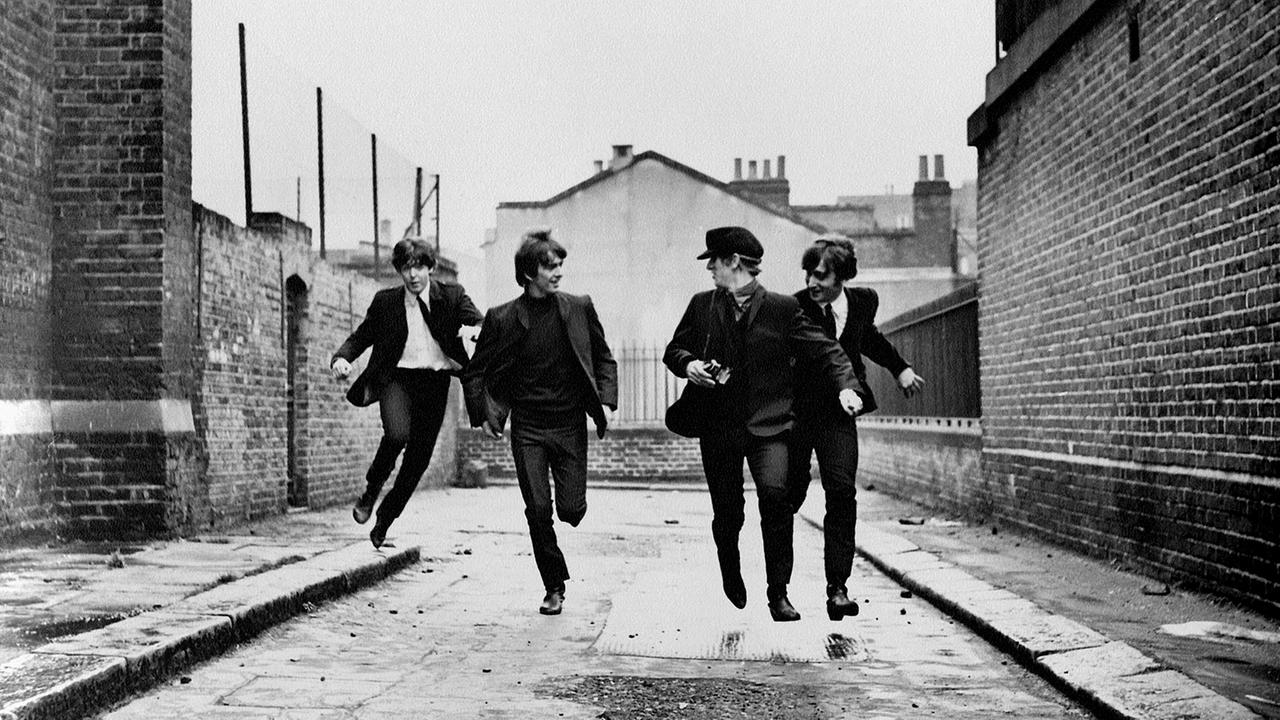
With the touring pressure lifted, the band transformed into a pure studio entity, pushing the boundaries of what a pop song could be. From the orchestral brilliance of Yesterday to the avant-garde experiments of Revolution 9, the Beatles redefined the recording studio as an instrument in its own right. Their evolution from the cheeky "mop-tops" of A Hard Day’s Night (1964) to the psychedelic, bearded visionaries of Yellow Submarine (1968) occurred in a mere four-year span—a velocity of growth that remains unmatched in music history.
Supporting Data: The Ongoing "Beatlemania"
The commercial engine behind the Beatles shows no signs of slowing down. Analysts point to the band’s vast catalog and the "long-tail" interest in their history as a unique economic phenomenon in the music industry.
- Cinematic Projects: Oscar-winning director Sam Mendes is currently helming a "Four-Film-Cinematic-Event." Unlike traditional biopics, these films will each focus on the life and perspective of one individual Beatle. Slated for an April 2028 release, the production has already garnered massive interest, featuring high-profile stars like Paul Mescal as Paul McCartney, Barry Keoghan as Ringo Starr, and Saoirse Ronan as Linda McCartney.
- Television Series: Christian Schwochow is currently directing Hamburg Days (working title), a series based on the memoirs of Klaus Voormann. Voormann, a close friend and artist who designed the Revolver album cover, provides an intimate look at the band’s "mageren Jungs" (skinny boys) era.
- Audio and Literature: The market continues to absorb new content, from the remastering of the 1965 Rubber Soul album (including previously unreleased demo tracks) to new autobiographical works from the surviving members, such as Paul McCartney’s The Boys from Dungeon Lane.
Official Perspectives and Personal Reflections
The endurance of the Beatles is often attributed to their relentless pursuit of novelty. "They were always looking for what they could do next," says Klaus Voormann. "They were terrified of repeating themselves. They never stayed in one place, whether it was adopting Indian sitars, experimental electronics, or classical string quartets."
Julia Baird, John Lennon’s half-sister, recalls the physical toll of their early days. "They were emaciated; we were all shocked by how they looked. They had played so much and eaten so little. That intensity, that desperation to succeed, is baked into the music they produced."
This "eternal searching" is what scholars believe keeps the music relevant. For every generation, there is a "way in"—a young fan discovering the blues-influenced rock of their early years, while another finds solace in the complex, philosophical later tracks.
Implications: Why They Still Matter
The Beatles are no longer just a band; they are a cultural baseline. Their impact on the music industry is structural: they popularized the concept of the self-contained band that writes its own material, popularized the "album" as a unified artistic statement, and pioneered the use of the music video.
As the industry looks toward the 2028 film releases and the ongoing digitization of their archives, it is clear that the Beatles have transitioned from pop stars to historical figures. Yet, unlike most historical figures, their "product" is consumed daily by millions of new listeners.
The Future of the Legacy
The current wave of content—the films, the series, and the books—acts as a bridge between the analog past and the digital future. By humanizing the band members through high-budget narratives, the industry ensures that they are not just names on a vinyl record, but relatable individuals.
In a world increasingly fractured by technology and digital trends, the Beatles offer a sense of continuity. They represent a "golden age" of collective cultural experience that modern, algorithm-driven consumption struggles to replicate. Whether through a new podcast or a multi-million dollar film series, the message remains the same: the story of the Beatles is the story of us—our desire for friendship, our drive for creativity, and our unending search for the perfect melody.
As Ringo Starr continues to tour and Paul McCartney continues to share his memories, the journey, as it always has, leads back to Liverpool. The "Fab Four" have not just survived the passage of time; they have mastered it. They remain, as ever, the boys who changed the world, and in doing so, ensured they would never be forgotten.