Berlin, Germany – The German political landscape is a complex tapestry of domestic policy debates, economic recalibrations, and assertive foreign policy stances, all underscored by shifting political alliances and internal party dynamics. In a significant development, ministers from the Social Democratic Party (SPD) have extended a compromise offer to Chancellor Friedrich Merz (CDU) regarding the contentious 2035 ban on combustion engines for new cars, aiming to bridge a divide that has strained relations within the governing coalition and with key European partners like France. This overture comes amidst a broader narrative of cautious economic optimism, persistent geopolitical tensions, and critical internal challenges facing Germany’s political class.
The Combustion Engine Conundrum: SPD’s Industrial Policy Gambit
A Strategic Proposal to Bridge Divides
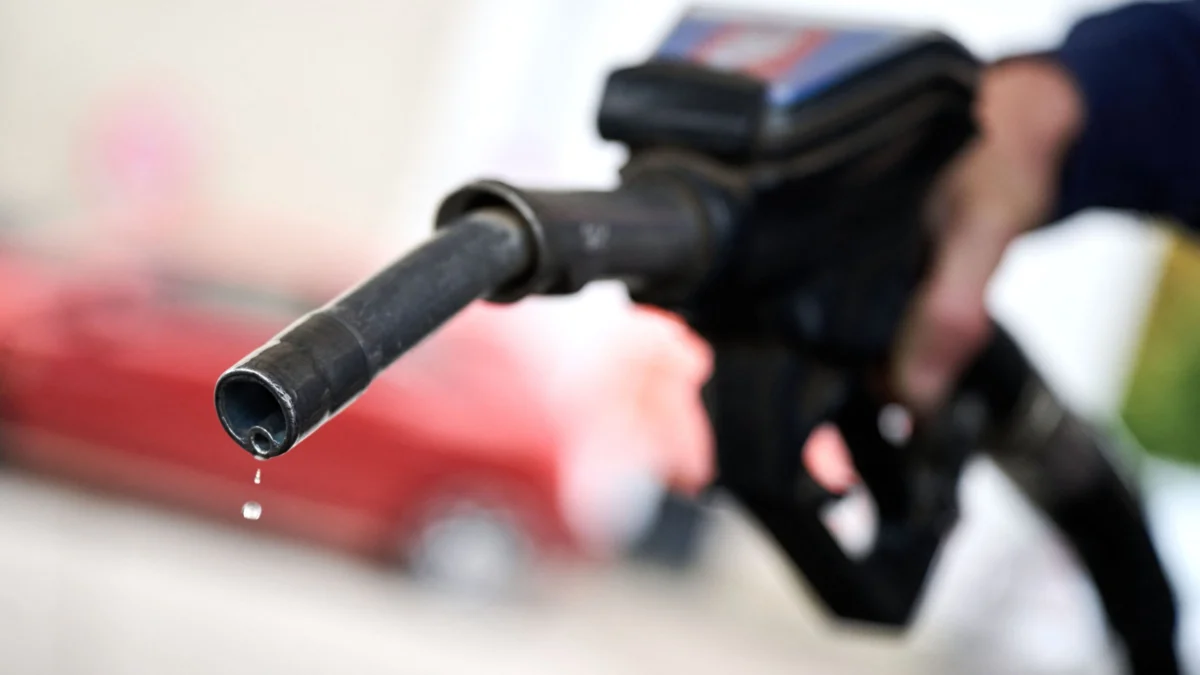
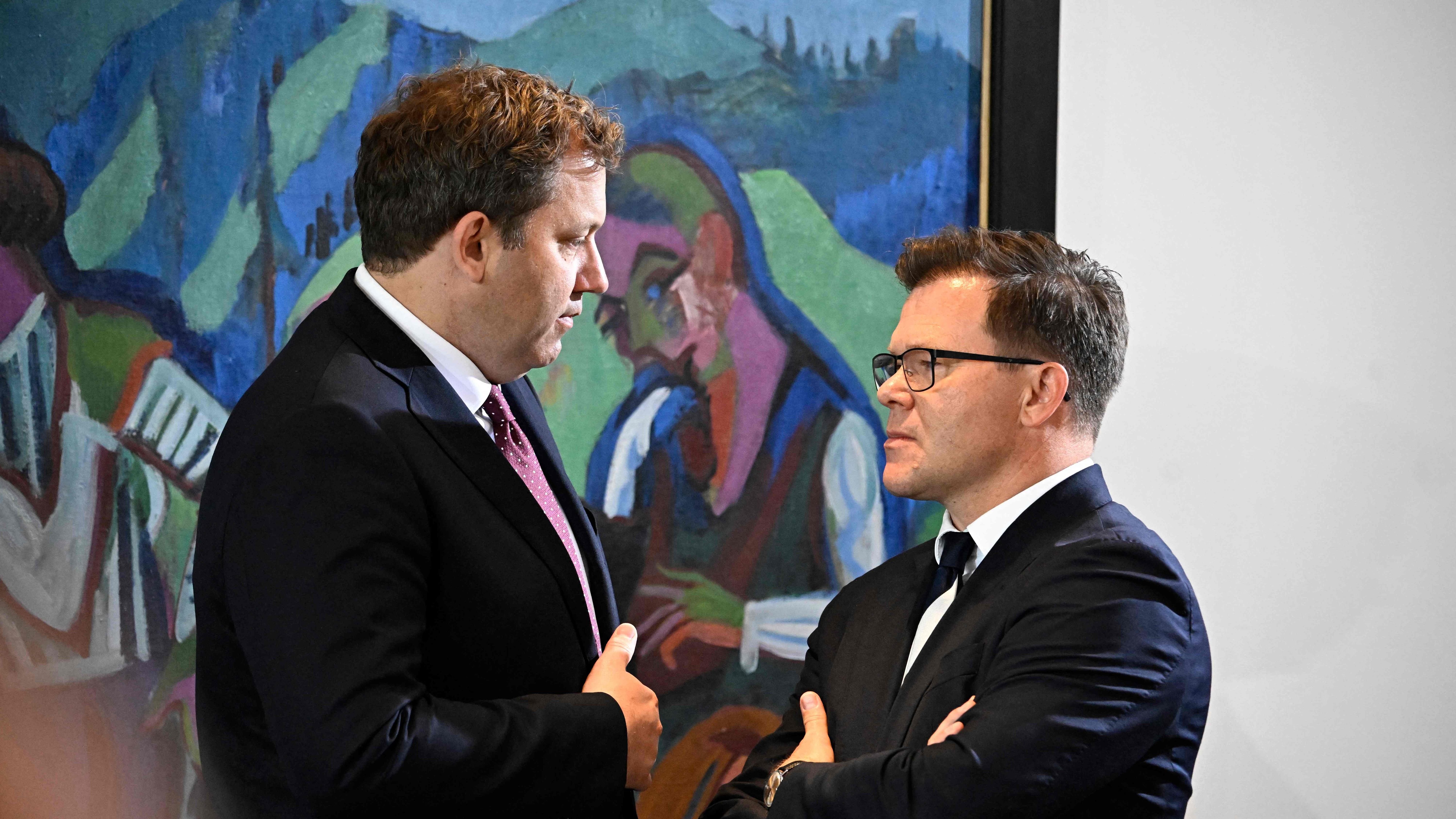
In a move designed to alleviate the ongoing friction surrounding the future of the internal combustion engine, SPD Environment Minister Carsten Schneider and Finance Minister Lars Klingbeil have formally proposed a significant softening of the European Union’s ambitious 2035 de facto ban on new gasoline and diesel cars. Their proposal, detailed in a letter to Chancellor Merz, suggests reducing the CO2 emissions target for new vehicles from the current 100 percent to 95 percent. This five percent concession would, crucially, be offset by a mandatory requirement for car manufacturers to incorporate green and recycled steel produced within Europe.
This compromise is not merely a technical adjustment; it represents a carefully calculated industrial policy initiative. The SPD ministers explicitly tie their approval of this revised emissions target to broader demands for state intervention in fostering climate-friendly industries. They advocate for the government to act as an "anchor customer" for environmentally sustainable products, citing the Deutsche Bahn’s proactive procurement of green steel as a prime example. Furthermore, they demand a progressive quota, exceeding 25 percent, for green steel in public procurement processes. This comprehensive approach underscores a desire to intertwine environmental protection with the safeguarding and creation of future-proof jobs within Germany’s vital automotive sector.
The underlying motivation for this proposal is multifaceted. Firstly, it seeks to facilitate an agreement with the French government, which has expressed similar concerns about the economic implications of an absolute ban on combustion engines and the need for technological neutrality. Such a Franco-German consensus would be pivotal in shaping the EU’s final regulatory framework. Secondly, the SPD acknowledges the "difficult situation of the German automotive industry," a powerhouse of the national economy, and aims to provide it with a viable pathway to transition while maintaining competitiveness. By offering a pragmatic compromise that integrates industrial support with climate objectives, the SPD hopes to find a common ground that appeases environmental advocates, industry stakeholders, and European partners alike. However, the ministers firmly reject any further dilution of the targets, drawing a clear line at a 90 percent CO2 reduction, signaling their commitment to the core climate goals.
Germany’s Economic Outlook: Cautious Optimism Amidst Challenges
Growth Forecasts and Government Strategy
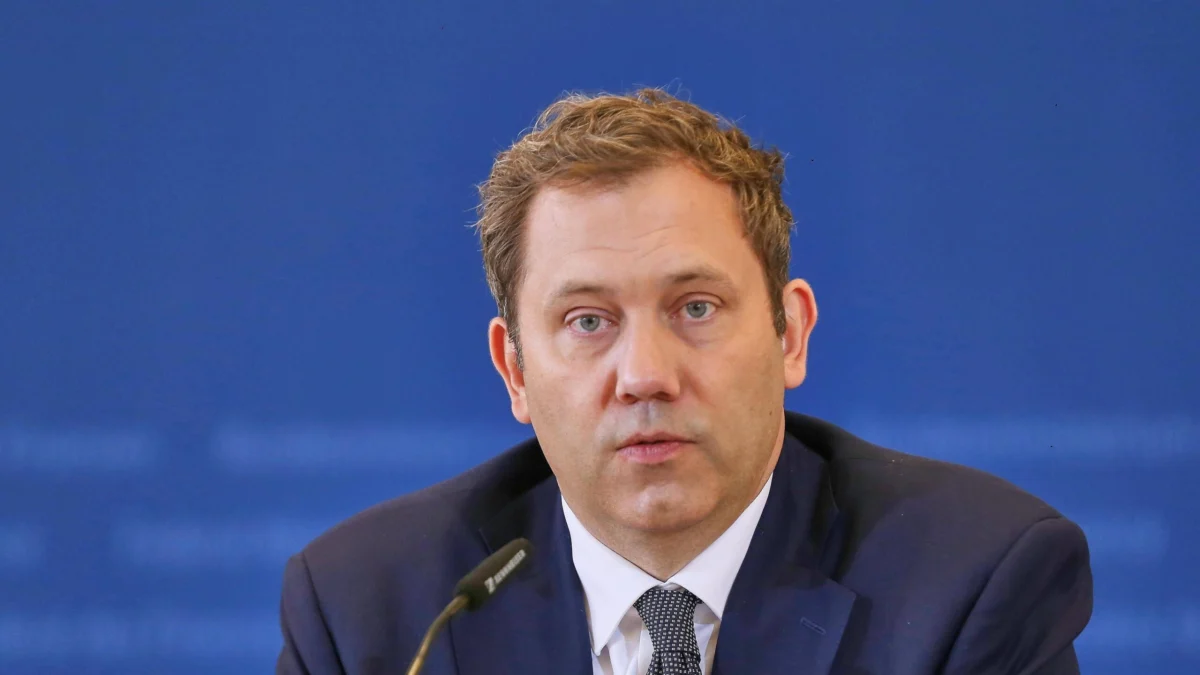
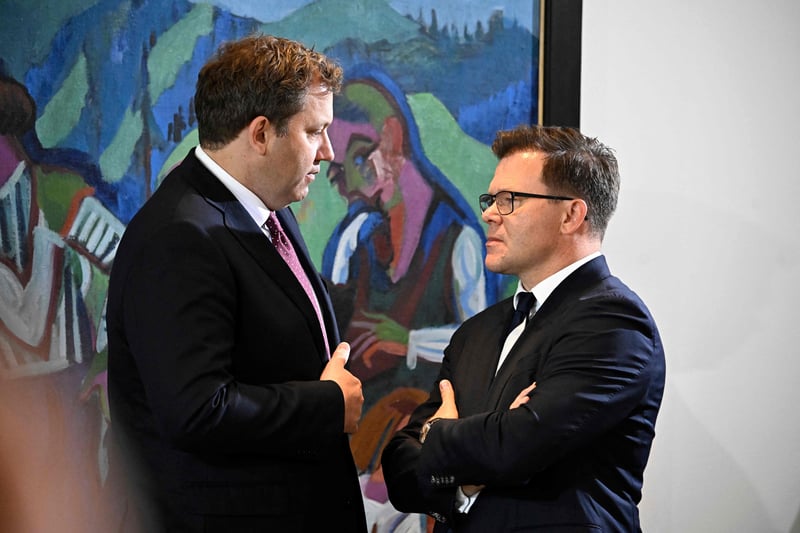
On the economic front, Federal Finance Minister Lars Klingbeil (SPD) conveyed a message of "cautious optimism" following the release of updated growth forecasts for the German economy. Speaking from the International Monetary Fund (IMF) autumn meeting in Bangkok, Klingbeil highlighted projections of 1.3 percent growth for the current year and 1.1 percent for the next, aligning with the IMF’s own assessments. He attributed this improved outlook primarily to substantial state investments, particularly those channeled through a special fund dedicated to modernizing infrastructure and significant expenditures on rearming the Bundeswehr. These public sector injections are clearly acting as a vital stimulus.
Despite this positive momentum from government spending, Klingbeil acknowledged a persistent challenge: the notable absence of robust private sector investment. Businesses continue to voice concerns over unfavorable operating conditions in Germany, citing excessive bureaucracy, a burdensome tax regime, and prohibitively high energy costs as major deterrents. In response, the government is reportedly embarking on a series of reforms aimed at addressing these structural issues. As a tangible demonstration of this commitment, a major investor conference is slated for next week in Berlin, designed to signal Germany’s openness to private capital and to foster an environment conducive to increased corporate spending and innovation. This dual approach of strategic public investment coupled with efforts to improve the private investment climate illustrates the government’s strategy to bolster economic resilience.
Health Sector Stability and Future Fiscal Debates
Adding another layer to the domestic policy discussion, Health Minister Carsten Linnemann (CDU) announced a projected stability in the average supplementary contribution rate for statutory health insurance (GKV) for the coming year. Based on the financial forecast from the GKV’s expert committee, the rate is expected to remain steady at 2.9 percent in 2027. This news provides a degree of relief for both employees and employers, who collectively contribute 17.5 percent of gross wages (split equally) to health insurance, in addition to the standard 14.6 percent contribution rate.
However, Linnemann’s announcement came with a crucial caveat: the 2.9 percent is merely an average benchmark. Each individual health insurance fund retains the autonomy to set its own specific supplementary rate, which can deviate from this average. Indeed, the current actual average supplementary rate stands at a slightly higher 3.1 percent, according to GKV figures. This discrepancy highlights the potential for individual contribution increases even if the overall average remains stable, underscoring the ongoing fiscal pressures within the healthcare system. While the immediate outlook appears stable, the long-term financial sustainability of the GKV system remains a subject of continuous political debate and potential future reforms, particularly given demographic shifts and rising healthcare costs.
Geopolitical Tensions and Domestic Divides: Ukraine Aid and Russia Dialogue
Saxony-Anhalt’s Symbolic Stance on Ukraine
The war in Ukraine continues to cast a long shadow over German politics, exposing deep divisions, particularly at the state level. In a move that garnered significant national attention, the Alternative for Germany (AfD) and the Bündnis Sahra Wagenknecht (BSW) parties in the Saxony-Anhalt state parliament passed a motion calling for an immediate cessation of German financial and military aid to Ukraine and the lifting of economic sanctions against Russia. The motion, adopted on Wednesday, explicitly demands that Germany "immediately stop financial and military support for the country invaded by Russia in 2022" and that "economic sanctions against Russia must be lifted immediately."
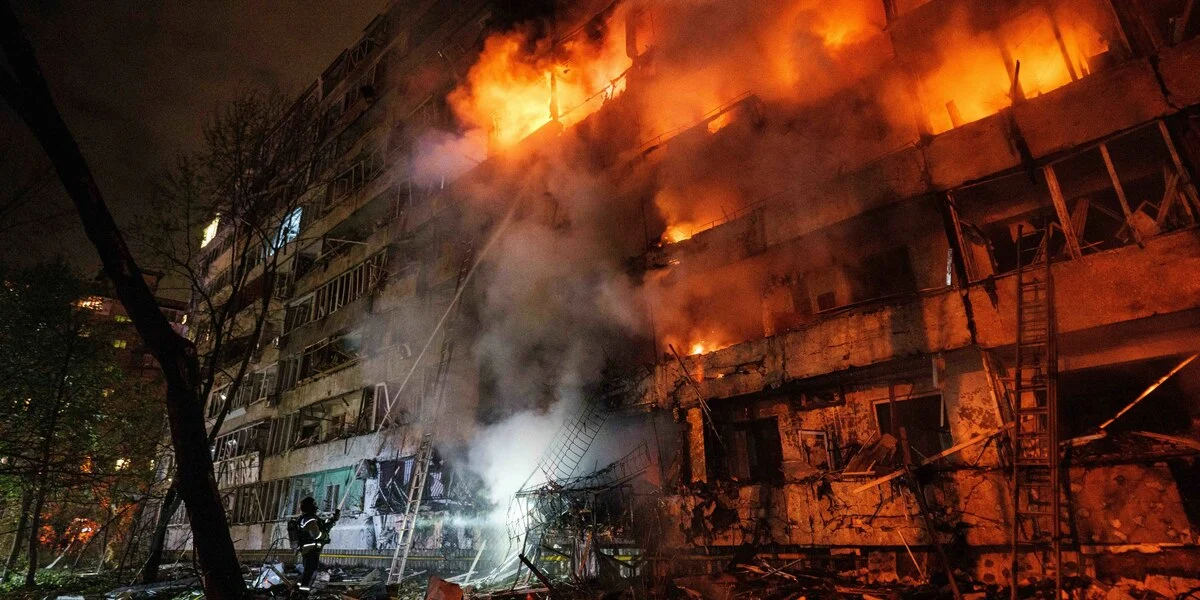
While the motion carries considerable symbolic weight, its practical impact is negligible. Foreign policy and energy policy fall under the purview of the federal government, not individual state governments. However, the AfD and BSW have openly declared their intention to leverage their newfound majority in the Saxony-Anhalt state parliament to exert pressure on the federal government. The motion calls upon the state government, led by Minister-President Sven Schulze (CDU), to initiate a corresponding initiative in the Bundesrat (Germany’s upper house of parliament, representing the states) to prevent "further escalation in Ukraine." This move comes at a time when Russia has intensified its attacks on Ukrainian civilian populations, making the timing of the motion particularly provocative. Unsurprisingly, mainstream parties – the CDU, SPD, Greens, and Left Party – swiftly condemned the cooperation between the AfD and BSW, reaffirming Chancellor Merz’s consistent stance that the federal government will continue its unwavering support for Ukraine.
Calls for Russian Engagement and Energy Deals
Further illustrating the right-wing opposition’s divergence from mainstream foreign policy, AfD leader Tino Chrupalla publicly suggested that former Chancellor Gerhard Schröder (SPD) should utilize his well-known connections with Russia’s leadership to negotiate a peace deal. Chrupalla proposed that Chancellor Merz should coordinate with Schröder to achieve a "diesel and energy deal" reminiscent of the recent actions taken by former US President Donald Trump.
This call was echoed by AfD co-leader Alice Weidel, who explicitly advocated for a "diesel deal" for Germany, mirroring Trump’s recent agreement with Russian President Vladimir Putin to supply over 300,000 tons of diesel to the US and global markets. Weidel lauded Trump’s "very pragmatic" approach, contrasting it sharply with what she termed Germany’s "failed" Ukraine policy, which she argued leaves German consumers "on the sidelines." Such proposals by the AfD and BSW not only challenge Germany’s current foreign policy alignment with its Western allies but also tap into public sentiment regarding energy security and economic hardship, aiming to reposition Germany in the geopolitical landscape. The mainstream political establishment, however, largely views such suggestions as naive, dangerous, and undermining international solidarity with Ukraine.
Domestic Political Landscape: Coalition Strains and Leadership Dynamics
Berlin Coalition Talks in Turmoil
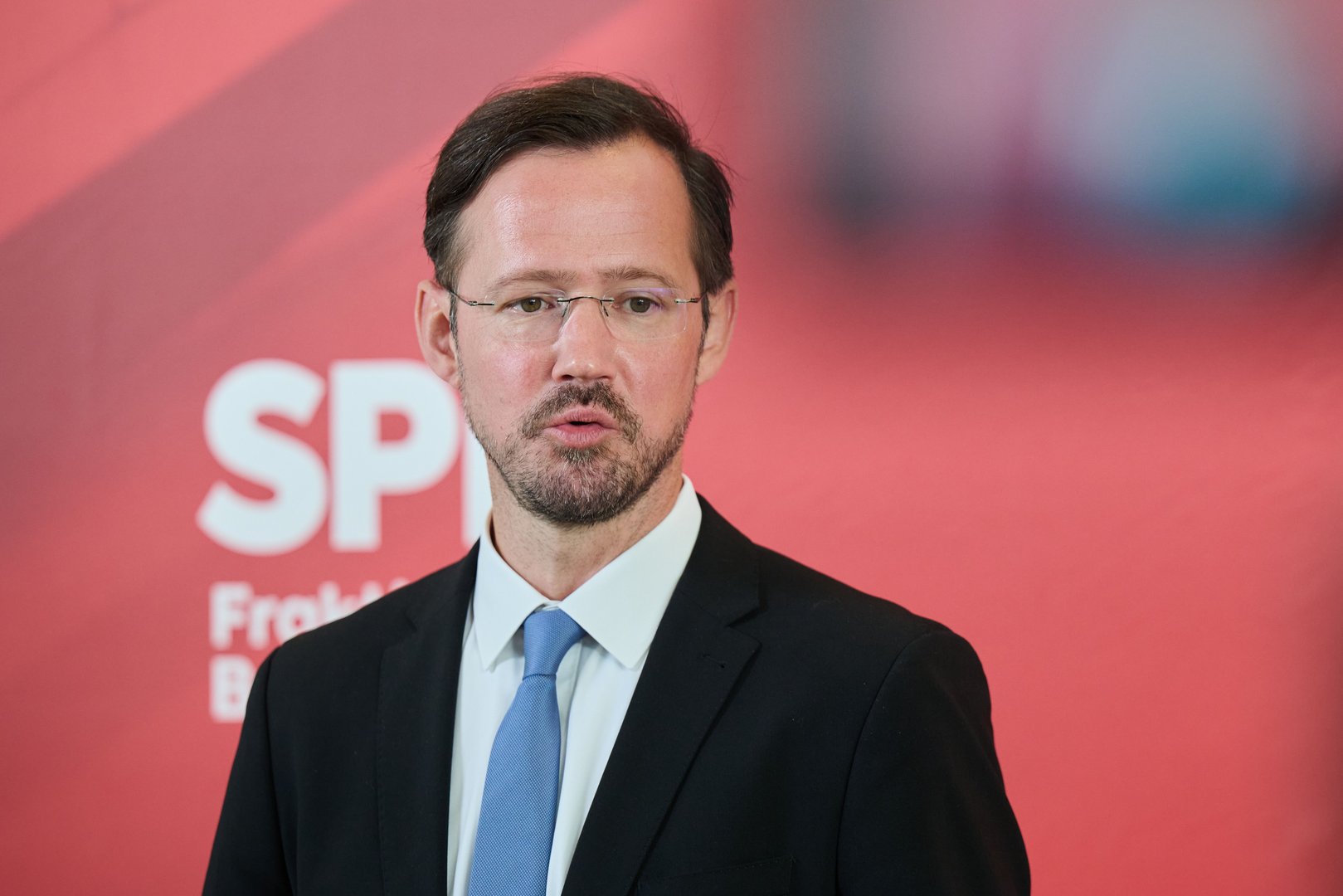
Beyond national debates, the political situation in Berlin’s state government has also seen significant turbulence. The ongoing coalition negotiations between the Left Party, SPD, and Greens for a new state government have been abruptly suspended. SPD politician Dirk Wiese expressed profound "stomach aches" regarding the talks, citing two primary concerns. Firstly, he criticized the Left Party’s perceived inability to definitively distance itself from parliamentary member Ferhat Kocak, who is reportedly under scrutiny for alleged contacts with organized crime. Secondly, Wiese highlighted the Left Party’s failure to unanimously endorse a joint declaration with the SPD and Greens condemning antisemitism, despite the declaration containing what he described as "self-evident truths."
The suspension of talks, initiated by the SPD and Greens, underscores deep-seated mistrust and ideological divergences within the potential left-leaning coalition. The parties had previously established an agreement outlining how they would address antisemitic incidents within the Left’s ranks, including potential sanctions up to faction exclusion. The Left Party’s internal struggle to unite behind a statement on antisemitism, particularly in the current geopolitical climate, has proven to be a critical stumbling block. Wiese concluded that the Left Party has "considerable internal issues" that need to be resolved before negotiations can resume, leaving the future of Berlin’s governance uncertain.
Cabinet Reshuffle and Reform Pressure
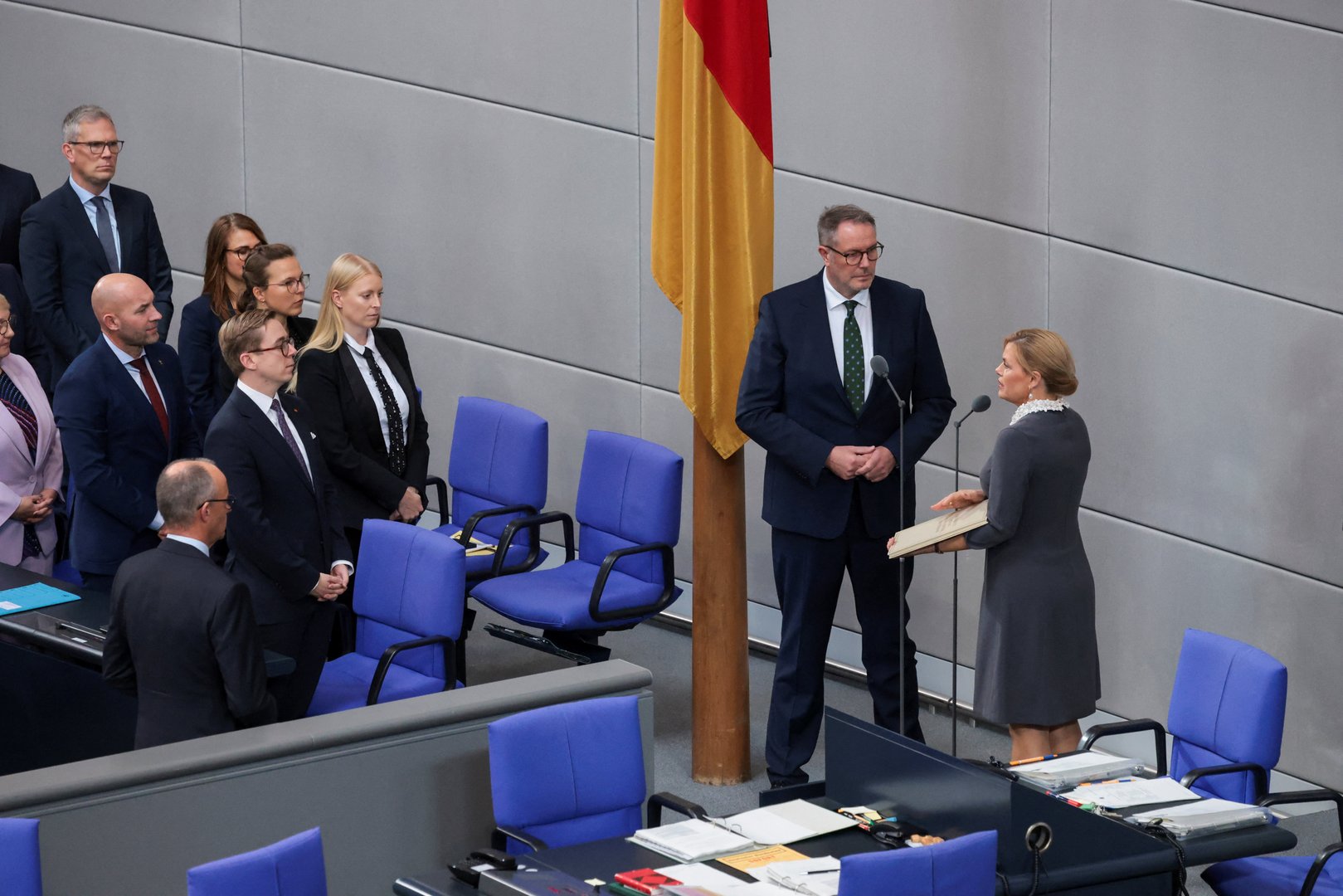
At the federal level, a recent cabinet reshuffle saw Alexander Schweitzer, an SPD politician from Rhineland-Palatinate, sworn in as the new Minister for Labor and Social Affairs. He succeeds Bärbel Bas, who received a standing ovation for her service before her unexpected resignation. Chancellor Merz wasted no time in setting high expectations for his new minister, publicly urging Schweitzer to commence "work in the ministry from 11 AM" on his first full day. Merz underscored the urgency of addressing critical reform projects related to pensions and the labor market, noting that these initiatives had "taken too long" under the previous administration.
The pressure for swift action on pension reform is particularly acute, though there are evident differences in approach even within the government’s broader political spectrum. SPD co-chairman Lars Klingbeil and CSU leader Markus Söder both affirmed their commitment to the planned pension reform but diverged on the pace and specifics. Klingbeil maintained that the SPD had not delayed the reform and was adhering to the agreed-upon coalition timelines, emphasizing that open questions regarding "pensions without deductions after 45 years of contributions, mini-jobs, or the so-called blocked partial retirement" still needed to be addressed. Söder, on the other hand, stressed the pressing need for immediate decisions, arguing that waiting for the SPD’s party congress at the end of the year was not an option. He insisted that the new Labor Minister, Schweitzer, must adopt the agreements already reached within the coalition and not question them, highlighting the inherent tensions in balancing party platforms with coalition consensus.
Merz’s Vision for Germany and Europe
Chancellor Merz’s recent public appearances have sought to project a vision of a resilient Germany actively shaping its future, both domestically and internationally. Speaking at an employers’ day event in Berlin, Merz lauded the German economy’s robustness, citing the improved economic forecasts as evidence. He also reflected on the profound geopolitical shifts occurring globally, stating that "even when the current crises are over, our world will be different." Merz called upon the nation to harness its "creative forces" to "shape what the world looks like in a few decades," affirming his government’s resolve to lead this transformation.
On the European stage, Merz reiterated his firm stance on EU budget proposals, emphasizing his expectation for significant cuts and a reduction in bureaucratic burdens. He characterized these measures as "quickly available, free investment aids" and stated this would be his core message at the upcoming EU summit of heads of state and government. This focus on fiscal discipline and deregulation reflects a desire to enhance Europe’s economic competitiveness and efficiency.

Domestically, Merz robustly defended Germany’s financial support for Ukraine against criticism that it diverted funds from national priorities. He asserted that "no euro going to Ukraine is missing for social and education spending in Germany." This statement was met with "scornful laughter" from the Left and AfD factions in parliament, to which Merz retorted, accusing both parties of seeking to "divide" and create "chaos" for partisan gain. Furthermore, he explicitly criticized the Left Party’s plans for socializing large housing stocks in Berlin, reaffirming his belief that "justice cannot be achieved through expropriation," and instead advocating for "opportunity and generational justice." These remarks collectively illustrate Merz’s commitment to a fiscally prudent, globally engaged, and socially equitable Germany, while firmly pushing back against populist and radical proposals.
International Engagements: Human Rights and Global Standing
Germany’s Return to the UN Human Rights Council
In a testament to its continued commitment to multilateralism and human rights, Germany has secured a seat on the UN Human Rights Council for the 2027-2029 term. The vote by the UN General Assembly in New York saw Germany receive a strong mandate of 163 votes, well exceeding the required majority. This marks Germany’s sixth tenure on the Geneva-based body since its inception 20 years ago, having most recently served from 2023 to 2025.
Foreign Minister Johann Wadephul (CDU) hailed the re-election, declaring that Germany would utilize its membership to "strengthen the Human Rights Council together with our partners and improve the protection of human rights worldwide." He underscored the enduring importance of advocating for human rights, stating that it "must not go out of fashion" and describing the role as an "honorable task." Germany’s successful bid, alongside Ireland for the two Western European seats, was largely anticipated due to the absence of competing candidates. This contrasts with an earlier setback in June when Germany failed to secure a non-permanent seat on the UN Security Council, losing out to Portugal and Austria. That previous outcome had sparked a domestic debate regarding the value and impact of Germany’s significant contributions to the UN, making this latest success a welcome reaffirmation of Germany’s standing in international human rights diplomacy.

Health and Lifestyle Policy: The Sugar Tax Agreement
A Sweet Compromise with Fiscal and Public Health Goals
After considerable debate, the governing coalition has successfully resolved its dispute over the introduction of a sugar tax. The agreement outlines a two-tiered taxation model for sugary beverages, which is expected to be approved by the cabinet. The new tax is slated to commence on July 1, 2027, with revenue projections of approximately 690 million euros in 2027 and a significant 925 million euros in 2028 for the federal budget.
The tax structure is designed to be progressive: beverages containing at least five grams of sugar per 100 milliliters will be taxed at 26 cents per liter, while those with eight grams or more per 100 milliliters will incur a higher rate of 32 cents per liter. Importantly, the compromise includes several exemptions. Beverages using artificial sweeteners, pure fruit and vegetable juices, non-alcoholic beers and beer-mix drinks, and non-alcoholic wines and sparkling wines will not be subject to the tax. Furthermore, to mitigate the administrative burden on smaller enterprises, manufacturers producing less than one million liters of sugary drinks annually will also be exempt.
Finance Minister Lars Klingbeil (SPD) articulated the dual objectives of this sugar tax: not only to generate substantial revenue for the federal budget but also to incentivize beverage manufacturers to reduce the sugar content in their products, thereby promoting healthier choices among consumers. This policy reflects a growing trend in public health interventions, aiming to address rising rates of obesity and related health issues through fiscal measures. The negotiated compromise demonstrates the coalition’s ability to reach a consensus on a complex policy issue, balancing economic considerations with public health imperatives.

Opposition Dynamics and Political Maneuvering
AfD’s Challenges to the Status Quo
The AfD continues to position itself as the primary opposition force, relentlessly challenging the established political order. AfD leader Tino Chrupalla’s demand for Chancellor Merz’s resignation, asserting that "Mr. Merz, honestly, it’s not going to work anymore," highlights the party’s aggressive stance. Chrupalla claims that half of the legislative period has passed without the federal government effectively addressing the "tectonic shifts" impacting Germany. He even extended an offer of cooperation to the CDU, arguing that voters of both parties share similar objectives, though he quickly dismissed any expectation of "a great achievement" from Merz.
This confrontational approach is also evident in state-level politics. In Saxony-Anhalt, the CDU faction is contemplating an unprecedented move: a mass walkout from the chamber during the secret ballot for the state premier election in December. This drastic measure is designed to prevent any suspicion that CDU members might cast votes for the AfD candidate, Ulrich Siegmund, thereby upholding the "firewall" against cooperation with the far-right party. The AfD, however, reacted with characteristic dismissiveness. Bernd Baumann, the First Parliamentary Secretary of the AfD parliamentary group, shrugged off the CDU’s maneuver as "procedural tricks and retreat battles," suggesting that "there might also be majorities beyond the CDU in Saxony-Anhalt," indicating their confidence in garnering support from other quarters or even from within the CDU’s ranks despite the walkout.
Unity and Disunity in the Bundestag
Despite the public displays of friction, there are also calls for unity and effective governance within the mainstream parties. Unions parliamentary group leader Thorsten Frei expressed confidence that the coalition would find common solutions for upcoming reforms, including the critical pension reform, even following the resignation of Labor Minister Bärbel Bas. He stated his conviction that the necessary tasks could be successfully managed collaboratively, emphasizing the need for tangible improvements in citizens’ daily lives. Frei acknowledged that both the SPD and the Union were aware of not having achieved their self-imposed goals, underscoring the shared imperative to deliver "significantly better results." This sentiment suggests an underlying commitment to compromise and pragmatic problem-solving, even amidst political maneuvering and ideological differences.

Conclusion: A Nation Navigating Complex Crosscurrents
Germany stands at a critical juncture, grappling with a confluence of intricate challenges spanning economic stability, climate policy, international relations, and domestic political cohesion. The SPD’s strategic offer of a combustion engine compromise signals a pragmatic approach to climate action, aiming to safeguard industrial strength while meeting environmental goals. Simultaneously, the government celebrates cautious economic growth, driven by public investment, even as it confronts the imperative to reignite private sector confidence through systemic reforms.
Yet, deep divisions persist. The audacious moves by the AfD and BSW in Saxony-Anhalt, challenging Germany’s steadfast support for Ukraine, highlight the increasing polarization of the political discourse and the rise of populist narratives. The turmoil in Berlin’s coalition talks further underscores the fragility of political alliances when confronted with fundamental questions of integrity and principle. Amidst these domestic struggles, Germany reasserts its commitment to human rights on the global stage, while also navigating the complexities of European fiscal policy. The recent sugar tax agreement, a blend of revenue generation and public health objectives, exemplifies the coalition’s capacity for compromise.
Overall, the German political landscape is characterized by a delicate balancing act: maintaining international solidarity and addressing global challenges, while simultaneously tackling pressing domestic issues, fostering economic resilience, and managing the intricate dynamics of a multi-party government and a increasingly fragmented opposition. The coming months will test the capacity of Germany’s political leaders to forge consensus, implement reforms, and navigate these turbulent crosscurrents, ultimately shaping the nation’s trajectory in a rapidly evolving world.