


Kyiv, Ukraine – October 15, 2026 – As the chill of autumn deepens across Ukraine, a pervasive fear of the approaching winter grips the nation. Russia’s relentless and systematic targeting of critical energy infrastructure has plunged cities and towns into darkness and deprived millions of access to essential services, including heating and running water. The human toll is mounting, with citizens forced to confront the grim reality of a winter without the basic necessities, while President Volodymyr Zelenskyy urgently seeks intensified international support to weather the escalating crisis.
The latest wave of Russian assaults, characterized by a barrage of dozens of missiles and over a hundred drones, has left a trail of destruction, primarily aimed at power plants and distribution networks. These attacks, often striking with unnerving speed before air raid sirens can even be fully activated, have created immediate and devastating consequences. The lack of electricity and water is not merely an inconvenience; it is a direct threat to the well-being and survival of Ukrainian citizens, particularly as temperatures continue to plummet.
The Human Cost of Energy Warfare
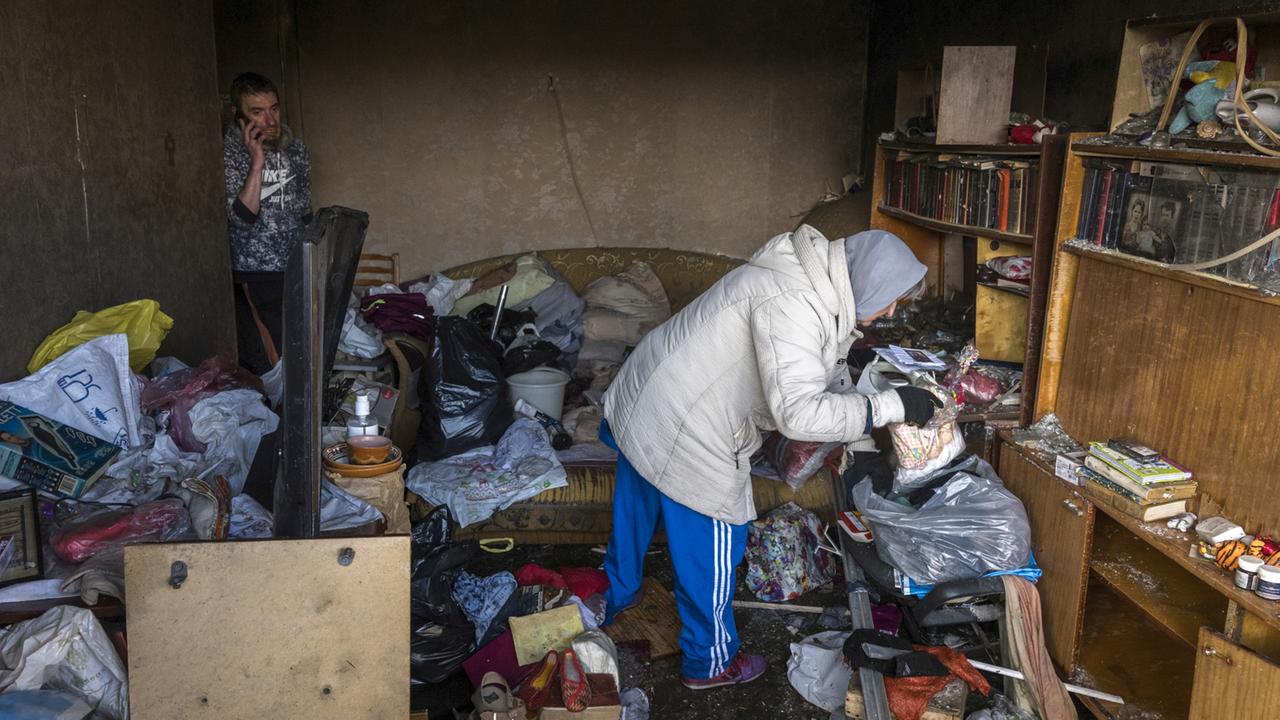
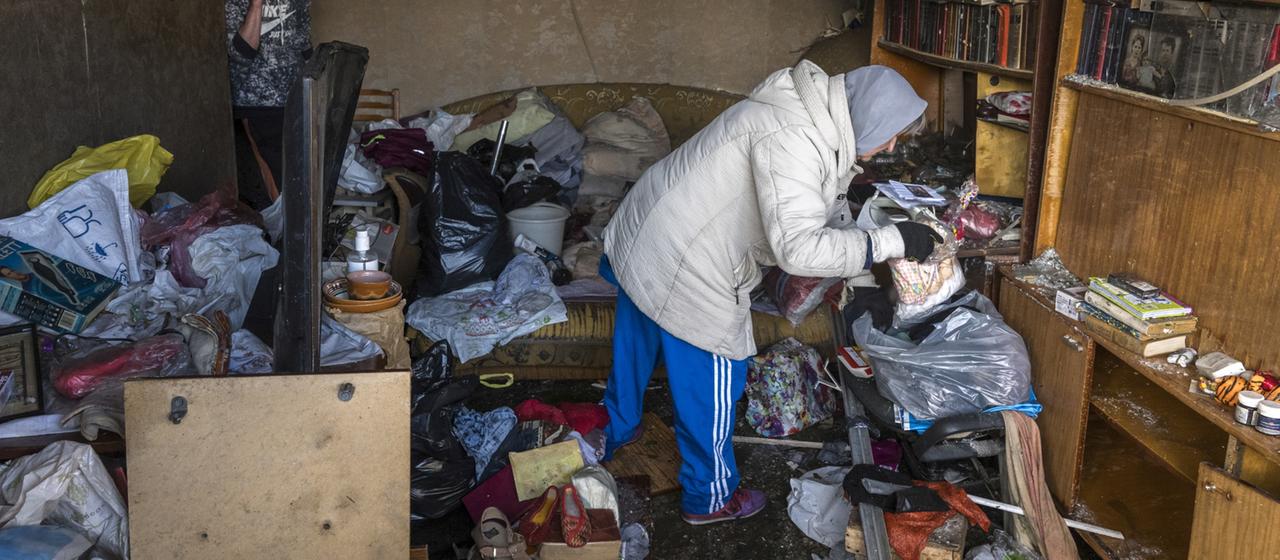
The images emerging from Kyiv and other affected regions paint a stark picture of resilience in the face of immense hardship. In Kyiv, Oleksandr Starikov, his voice tinged with a mixture of grief and defiance, surveyed the charred remains of his apartment. "I am very angry at the Russians," he stated, his gaze fixed on the rubble that was once his home. "They think we will give up because of the terror they are spreading. But I think it only makes us angrier, and we will never give up." His words encapsulate the spirit of many Ukrainians, who, despite enduring unimaginable destruction, remain resolute in their resistance.
The destruction extends far beyond individual homes. Matthias Schmale, the UN Coordinator for Humanitarian Aid in Ukraine, offered a sobering perspective from his office window. "I look out from my office window and can see some of the damaged power stations," he recounted. "The situation is truly desperate. This morning, many people had no water, and I myself had to wash in the traditional way with a pot, cup, and pre-heated water." Schmale emphasized the deeply concerning humanitarian situation, highlighting the immediate and critical needs of the population as power outages disrupt essential services and exacerbate existing vulnerabilities. The systematic nature of these attacks underscores a deliberate strategy by Russia to weaponize the winter, aiming to break the morale of the Ukrainian people and undermine their capacity to resist.
A Chronology of Escalating Attacks and Their Impact
The current crisis did not emerge overnight. It is the culmination of a sustained and intensified campaign by Russia to cripple Ukraine’s energy sector, a strategy that has been progressively amplified over recent months.
- Early Stages of the War: Initial Russian military objectives included attempts to seize key energy infrastructure, such as nuclear power plants, with the aim of controlling Ukraine’s power supply and leveraging it for strategic advantage. These early attempts were largely thwarted by Ukrainian forces.
- Summer 2026 Intensification: As the conflict entered its fifth year, Russia began to shift its tactics, moving from direct physical control to widespread aerial bombardment of energy facilities. This marked a significant escalation, moving beyond military targets to civilian infrastructure with devastating consequences.
- Autumn 2026 Barrage: The period leading up to and including October 2026 witnessed an unprecedented surge in Russian missile and drone attacks. Reports indicate that these assaults were coordinated and widespread, targeting substations, power plants, and transmission lines across multiple regions. The sheer volume and sophistication of these attacks overwhelmed Ukraine’s air defense capabilities in certain areas, leading to widespread damage and prolonged outages.
- Targeting of Critical Infrastructure: Evidence suggests a deliberate strategy to maximize disruption during the colder months. Attacks have focused on thermal and hydroelectric power plants, as well as the networks responsible for distributing electricity and heat. The aim appears to be to create a cascading failure, leaving large populations without essential services for extended periods.
- Impact on Civilian Life: The immediate consequences have been dire. Widespread power outages have led to disruptions in water supply, heating, and essential communication networks. Hospitals are forced to rely on emergency generators, while businesses struggle to operate. The psychological impact on civilians, living under the constant threat of attack and in uncertainty about basic services, is profound.
Supporting Data and International Observations
The scale of the Russian offensive is reflected in alarming statistics and observations from international organizations and independent analysts.
- Drone and Missile Numbers: Reports from Ukrainian military officials indicate that Russia has deployed hundreds of drones and dozens of sophisticated missiles in coordinated attacks over the past few weeks. The use of a combination of high-precision missiles and kamikaze drones has proven particularly challenging for air defense systems.
- Infrastructure Damage Assessment: Initial assessments suggest that a significant percentage of Ukraine’s energy generation capacity has been damaged or destroyed. Repair efforts are ongoing but are severely hampered by the continuous threat of further attacks and the sheer scale of the destruction.
- Humanitarian Impact Figures: The United Nations and various humanitarian organizations have reported a sharp increase in the number of people requiring assistance due to the energy crisis. Millions are estimated to be without reliable access to electricity and heating, with the most vulnerable populations, including the elderly, children, and those with pre-existing health conditions, facing the greatest risks.
- Economic Repercussions: The sustained attacks have had a crippling effect on Ukraine’s economy. Businesses are forced to halt operations, supply chains are disrupted, and the cost of rebuilding damaged infrastructure will be immense. This economic strain further exacerbates the humanitarian crisis and hinders Ukraine’s ability to sustain its defense efforts.
- Expert Analysis: Military analysts have noted a shift in Russian tactics, indicating a strategic decision to leverage winter conditions as a weapon. The targeting of energy infrastructure is seen as a means to demoralize the population, undermine civilian morale, and potentially force concessions from the Ukrainian government.
Official Responses and Diplomatic Efforts
The severity of the crisis has prompted urgent responses from both the Ukrainian government and its international partners.
Ukrainian Government:
- President Zelenskyy’s Appeal: President Volodymyr Zelenskyy has been at the forefront of diplomatic efforts, continuously appealing to international allies for enhanced military and financial assistance. He has stressed the urgent need for advanced air defense systems to protect critical infrastructure and civilian populations.
- Focus on European Support: Recognizing the potential for a reduction in US support, President Zelenskyy’s recent visit to London underscored Ukraine’s strategic pivot to bolstering European partnerships. Discussions at the EU summit are expected to focus on how the European Union can provide more robust and independent support to Ukraine, mitigating reliance on external actors.
- Internal Preparedness Measures: The Ukrainian government has also been working to implement measures to mitigate the impact of the outages. These include the distribution of generators, the establishment of "invincibility centers" (heated, powered public spaces), and efforts to repair and reinforce the energy grid. However, the sheer scale of the damage presents an immense challenge.
European Union and International Partners:
- Condemnation of Attacks: The EU and its member states have strongly condemned Russia’s attacks on civilian infrastructure, characterizing them as war crimes.
- Commitment to Aid: Allies have reiterated their commitment to supporting Ukraine, with many pledging to provide additional air defense systems and financial aid. The focus is increasingly on providing long-term solutions to bolster Ukraine’s energy resilience.
- EU Summit Discussions: The upcoming EU summit is expected to be a critical forum for coordinating a unified response. Discussions will likely center on increasing financial contributions, accelerating the delivery of military aid, and exploring mechanisms for long-term energy security for Ukraine.
- Humanitarian Assistance: International humanitarian organizations are scaling up their efforts to provide essential aid, including food, water, shelter, and medical supplies, to affected populations.
Implications for the Winter and Beyond
The ongoing Russian assault on Ukraine’s energy infrastructure carries profound implications, not only for the immediate survival of its citizens but also for the long-term trajectory of the conflict and regional stability.
- A Harsh Winter Ahead: The most immediate concern is the prospect of a brutal winter for millions of Ukrainians. Without reliable electricity and heating, the risk of widespread illness, particularly among vulnerable populations, is significantly elevated. The psychological toll of living in constant darkness and uncertainty cannot be overstated.
- Strain on Resources: The continuous need for repairs and the ongoing demand for humanitarian aid place an immense strain on Ukraine’s already stretched resources. The economic cost of rebuilding damaged infrastructure will be staggering, requiring sustained international financial commitment.
- Geopolitical Realignment: The crisis is also prompting a recalibrations of geopolitical alliances. Ukraine’s increasing reliance on European partners highlights the need for a more unified and robust European defense and security architecture, less dependent on external powers.
- The Future of Energy Warfare: Russia’s strategy of targeting energy infrastructure as a weapon of war raises serious concerns about the future of conflict. It underscores the vulnerability of modern societies to attacks on critical infrastructure and the need for greater international cooperation in developing defenses against such tactics.
- Resilience and Determination: Despite the immense challenges, the Ukrainian people have demonstrated remarkable resilience and determination. Their ability to adapt and persevere in the face of such adversity will be a crucial factor in determining the outcome of the conflict and the future of their nation.
The coming months will be a critical test for Ukraine and its international supporters. The ability to repair damaged infrastructure, provide essential services, and maintain the morale of the population will be paramount in navigating the severe winter ahead. The world watches, hoping that diplomacy and sustained support can offer a path towards a more secure and stable future for Ukraine.


