BERLIN, Germany – As the week unfolds, Germany finds itself navigating a diverse landscape of news, ranging from life-altering lottery wins and significant shifts in public health policy to intricate political maneuvering in the capital and poignant cultural goodbyes. Through the lens of a seasoned observer, today’s headlines paint a vivid picture of a nation grappling with both the extraordinary and the everyday, underscoring a period of notable transitions and ongoing debates.
I. Fortunes and Fiscal Policy: The Sweet and the Sour
The financial pulse of the nation beats to varied rhythms today, marked by an individual’s sudden ascent to unimaginable wealth and a collective step towards a healthier fiscal and physical future, albeit one sweetened with political compromise.
The €120 Million Dream: A Jackpot Winner’s Instant Odyssey
Main Facts: A 35-year-old resident from Mettmann, North Rhine-Westphalia, is poised to receive an astronomical sum of 120 million Euros after hitting the Eurojackpot. The online lottery provider, Lotto24, has confirmed its intention to transfer this record-breaking sum directly to the winner’s current account. This unprecedented win marks one of the largest individual lottery payouts in German history, instantly transforming the life of an ordinary citizen into a narrative fit for the silver screen.
Supporting Data & Implications: The immediate aftermath of such a colossal win often brings with it a complex mix of euphoria and daunting challenges. While the dream of instant wealth is universal, the reality can be overwhelming. Financial advisors frequently highlight the "curse of the lottery," where sudden riches can lead to mismanagement, strained relationships, and even bankruptcy if not handled with extreme prudence. For the Mettmann winner, the immediate priority will be securing expert financial and legal counsel to manage the vast sum, navigate potential media attention, and safeguard their privacy. The sheer scale of €120 million demands meticulous planning for investments, tax implications, and charitable endeavors, ensuring the fortune serves as a blessing rather than a burden. The story inherently possesses the dramatic tension beloved by filmmakers, prompting musings on which German comedic director—be it Michael "Bully" Herbig, Otto Waalkes, or Til Schweiger—might tackle such a narrative, perhaps casting popular actors like Elyas M’Barek or Frederick Lau to portray the protagonist’s journey from anonymity to opulence. The implications extend beyond the individual, sparking national conversations about wealth distribution, the allure of chance, and the societal fascination with rags-to-riches tales.

Germany’s New "Light" Sugar Tax: A Sweet Dilemma for Public Health and Politics
Main Facts: In a significant move aimed at improving public health, the German cabinet has officially approved the implementation of a sugar tax. However, the approved measure is notably a "light" version, primarily targeting soft drinks. This new levy is expected to result in higher prices for various sugary beverages.
Chronology & Supporting Data: The debate surrounding a sugar tax in Germany has simmered for years, driven by growing concerns over rising rates of obesity, type 2 diabetes, and other diet-related illnesses. Public health advocates and medical professionals have long championed such a tax, pointing to successful models in other countries like the United Kingdom, Mexico, and France, where similar levies have led to reduced sugar consumption and encouraged beverage manufacturers to reformulate products with lower sugar content. The "light" variant approved by the German cabinet suggests a compromise, likely reflecting intense lobbying efforts from the food and beverage industry and a desire to avoid a broader, potentially more contentious, tax on all sugar-containing products. This approach aims to nudge consumer behavior and industry practices without imposing a universally disliked "sugar police" measure.
Official Responses & Implications: The government’s official stance emphasizes its commitment to public health and preventative measures. Health Minister Karl Lauterbach, for instance, has been a vocal proponent of stronger measures against unhealthy diets. However, industry associations have expressed concerns about increased costs for consumers and potential competitive disadvantages for German manufacturers. Consumer protection groups, while generally supportive of the principle, have critiqued the "light" version as potentially insufficient to effect meaningful change in public health metrics, arguing that a more comprehensive approach is needed to tackle the root causes of unhealthy eating habits.
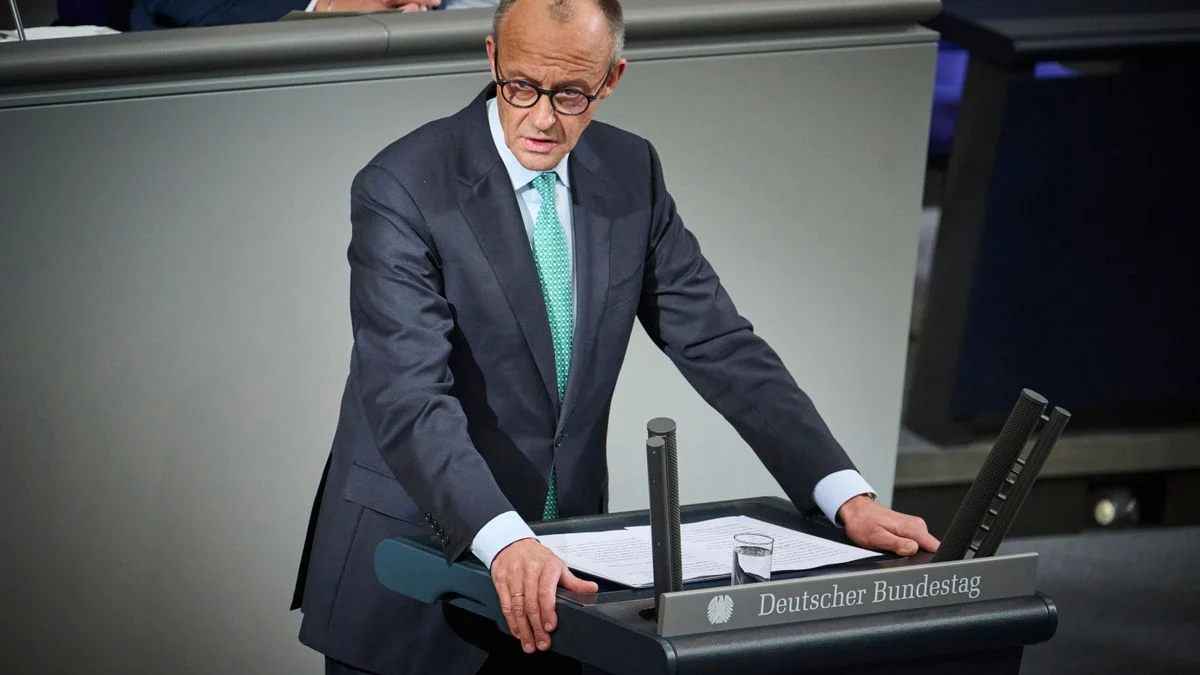
The political implications are particularly interesting. The current Chancellor, Friedrich Merz, who now leads a government implementing this tax, famously made headlines two decades ago as an opposition politician. At the time, he vehemently criticized the then-consumer protection minister, Renate Künast of the Green Party, labeling her as "durchgeknallte" (crazy or deranged) for her efforts to combat dumping prices in the food sector. Merz’s current role in overseeing a policy that makes beverages like cola and lemonade more expensive highlights a significant ideological and pragmatic shift. This evolution in political thought, from opposing consumer protection measures to enacting them, echoes the sentiment once expressed by Dani Levy, director of the 2004 German film "Alles auf Zucker!" (which literally translates to "All In On Sugar!"), who said: "When you have little time and little money, you become inventive." This quote aptly captures the pragmatism often required in political governance, where principles may sometimes bend to the realities of public demand, coalition agreements, and pressing societal issues. The "light" sugar tax may be seen as an inventive solution to a long-standing problem, balancing health objectives with economic considerations.

II. Berlin’s Political Tightrope: Coalition Challenges and Controversial Admissions
The political landscape in Berlin remains fraught with tension, as a recent decision by the Left Party threatens to destabilize ongoing coalition negotiations and ignite broader debates about political integrity and historical responsibility.
The Controversial Admission of Vanessa Emde Rocks Berlin’s Coalition Talks
Main Facts: The Berlin chapter of the Left Party has found itself at the center of a political firestorm following its decision to admit parliamentary representative Vanessa Emde into its faction within the Berlin House of Representatives. This move has drawn widespread condemnation due to Emde’s controversial past, which includes publicly questioning Israel’s right to exist and being photographed with Ibrahim Ibrahim, a figure known for his pro-Palestinian and reportedly terror-sympathizing views, at the party’s election night celebration.
Chronology & Supporting Data: Emde’s history of contentious statements and associations has been a known factor in Berlin political circles. Her questioning of Israel’s fundamental right to exist is particularly sensitive in Germany, given the country’s historical responsibility and unwavering commitment to Israel’s security. The photograph with Ibrahim Ibrahim, who has been linked to groups expressing solidarity with designated terrorist organizations, further intensified concerns among potential coalition partners and the public. The timing of her admission, during delicate exploratory talks for a new Red-Green-Red (SPD, Greens, Left Party) coalition in Berlin, has exacerbated the situation.
Official Responses: Sources from both the Green Party and the Social Democratic Party (SPD) have vehemently stated their belief that the Left Party had previously assured them Emde would not be admitted into the parliamentary group. This alleged prior agreement was crucial for maintaining trust and facilitating coalition discussions. However, the Left Party has firmly refuted these claims, asserting that no such promise was ever made. This direct contradiction highlights a significant breakdown in communication and trust between the prospective coalition partners.

In an apparent attempt to mitigate the fallout, the Left Party subsequently had all its Berlin parliamentary members sign a declaration. This document reportedly includes a commitment to Israel’s right to exist and the protection of Jewish life. However, critics from the Greens and SPD have noted that the wording of this declaration is considerably "softer" and less binding than the explicit commitments and agreements that were expected and, according to them, previously discussed.
Implications: The immediate implication is a severe threat to the formation of a stable Red-Green-Red coalition in Berlin. Both the Greens and the SPD are now demanding that the Left Party adhere to earlier, more robust agreements regarding the principles of their cooperation, particularly concerning the unequivocal recognition of Israel’s right to exist. The controversy casts a long shadow over the Left Party’s credibility and its ability to govern. For the broader political landscape in Berlin, the incident introduces significant uncertainty, potentially delaying the formation of a new government or even leading to alternative coalition constellations. The pun, "Rot-Grün-Rot also doch nicht am, sorry, Emde?" (Red-Green-Red not at the, sorry, end?), cleverly encapsulates the precariousness of the situation, where the inclusion of one individual, Emde, risks bringing the entire coalition effort to an abrupt end. Despite the heightened tensions, the Green Party has signaled its willingness to continue exploratory talks, suggesting that while the path forward is difficult, the door to a Red-Green-Red alliance is not entirely closed, though the Left Party will likely face immense pressure to address these concerns more definitively.
III. From Fast Food Farewell to Football Fervor: Cultural Ripples and Sporting Drama
Beyond the realms of high finance and intricate politics, the day’s news also touches upon cultural touchstones and the passionate world of sports, reflecting both the nostalgic and the dramatic elements of daily life.
The End of an Era: Germany Bids Farewell to the McRib
Main Facts: A wave of collective lament has swept across Germany with the announcement of the discontinuation of the iconic McRib burger. Hailed by many as "the most German burger there ever was" by columnist Matern von Boeselager, its permanent removal from McDonald’s menus has sparked an outcry among its loyal fanbase.

Supporting Data & Implications: The McRib, characterized by its distinctive boneless pork patty, tangy barbecue sauce, and pickles on a sesame seed bun, has held a unique place in the German fast-food landscape. Unlike in many other countries where it made only seasonal or limited-time appearances, the McRib was a relatively consistent fixture in Germany, fostering a deep sense of attachment among consumers. Its discontinuation represents not just the loss of a menu item but, for many, the end of a culinary tradition. Fans have taken to social media to express their dismay, using hashtags and sharing nostalgic memories. The "Bild" newspaper, known for its punchy headlines, perfectly captured the sentiment with its clever wordplay: "McRIP."
The reasons for McDonald’s decision are typically multifaceted, often involving supply chain complexities, ingredient costs, evolving consumer tastes, and strategic menu streamlining. The farewell to the McRib highlights the emotional connection consumers form with popular food items and how their removal can evoke a sense of cultural loss, however minor in the grand scheme. It also reflects broader trends in the fast-food industry, which continually adapts to new dietary preferences, sustainability concerns, and competitive pressures. For a nation that cherishes its culinary traditions, even those adopted from abroad, the McRib’s departure is more than just a menu change—it’s a moment of collective gastronomic nostalgia.
Champions League Drama: Olise’s Outburst and the Debate on Player Emotion
Main Facts: While European football’s elite clash in high-stakes Champions League matches tonight—including Manchester City against Paris Saint-Germain, Bodø/Glimt versus Borussia Dortmund, and Slovan Bratislava facing VfB Stuttgart—the dominant topic of conversation in pubs, bars, and private viewing parties across Germany remains a controversial incident from yesterday’s game. Bayern star Michael Olise received a red card for an unsportsmanlike conduct.
Supporting Data & Official Responses: The incident occurred during Bayern’s match in Stavanger, where Olise, in a moment of frustration, lost his composure and threw the ball directly into the face of his opponent, Zlatko Tripić. This blatant act of disrespect resulted in a swift yellow-red card, sending the player off the field. My colleague, Peter Ahrens, characterized the act as "gross unsportsmanlike" but also added a nuanced perspective, stating, "And yet, one almost wants to be grateful for this scene. Because, for once, emotions were noticed in the player." Ahrens’s comment taps into a broader debate within modern football: the tension between strict adherence to rules of conduct and the desire to see authentic, passionate emotion from athletes.

Implications: Olise’s red card will have immediate repercussions for Bayern, potentially leading to a suspension in upcoming matches, impacting the team’s strategy and depth in critical European fixtures. Beyond the disciplinary actions, the incident has fueled discussions among fans, pundits, and coaches about player temperament, the immense pressure athletes face, and the balance between professionalism and raw, human emotion. While such acts are unequivocally condemned for their unsportsmanlike nature, Ahrens’s observation highlights a subtle yearning among some football purists for a return to a more expressive, less sanitized version of the game, even if it occasionally spills over into controversy. It serves as a reminder that even in the highly polished world of professional sports, moments of unbridled human passion can still break through, sparking both condemnation and a curious appreciation.
IV. Reflection and Diversions: The Personal, The Ponderous, and The Humorous
Beyond the major headlines, the day offers moments of personal reflection, intellectual curiosity, and lighthearted amusement.
My Favorite Interview: Navigating the Shifting Sands of Time
In a recent compelling interview featured in "Die Zeit" newspaper, the concept of "Zeit-Umstellung" (time adjustment or transition) was explored with a leading sociologist specializing in modern societal rhythms. The interview delved into how contemporary life, heavily influenced by digital technology and the relentless pace of information, has fundamentally altered our subjective experience of time. The expert highlighted a growing sense of temporal disorientation, where the lines between work and leisure, present and future, often blur, leading to increased stress and a diminished capacity for focused attention.
The discussion offered profound insights into the psychological toll of constant connectivity and the erosion of traditional temporal structures. It proposed that society is undergoing a collective "time adjustment," grappling with an unprecedented acceleration of daily life. The interviewee advocated for deliberate practices of "slow living" and "digital detox" not merely as fads, but as essential tools for mental well-being and a reconnection with personal rhythms. The interview, rich with philosophical depth and practical observations, served as a powerful reminder of the importance of reclaiming agency over one’s time in an increasingly demanding world. It underscored the role of thoughtful journalism, even amidst a rapid news cycle, in prompting deeper societal reflection.

What’s Less Important Today: Paul McCartney’s Peculiar Recollection
Main Facts: In a recent podcast appearance on "Good Hang with Amy Poehler," music legend Paul McCartney, at 84 years old, made a startling claim: he believes he can remember his own birth. The Beatles singer recounted vivid details of his arrival into the world on June 18, 1942, at Walton Hospital in Liverpool.
Supporting Data & Implications: McCartney described his memory of "white tiles, very hygienic white tiles. And shiny chrome instruments and a clanking noise because I was a forceps birth. They had to pull me out." This extraordinary claim touches upon a fascinating area of human memory and psychology. While scientific consensus generally holds that true memories of birth are impossible due to the undeveloped state of an infant’s brain and the lack of linguistic and cognitive frameworks to process such an event, some theories suggest the possibility of pre-verbal, sensory, or even "cellular" memories. Often, what people perceive as birth memories can be reconstructed narratives based on stories told by parents, photographs, or unconscious associations. Regardless of its scientific veracity, McCartney’s anecdote is a captivating personal revelation from an iconic figure, offering a rare glimpse into the earliest, most primal experiences of existence, filtered through the extraordinary mind of a creative genius. It adds a touch of the deeply personal and almost mythical to the day’s news.
V. A Glimpse into the Absurd: The "Mini-Hohlspiegel"
The "Stuttgarter Nachrichten" provided a moment of unintentional humor today with a headline detailing an art theft in France: "According to the city, two people were captured by surveillance cameras, who subsequently fled." This classic example of journalistic redundancy, where the act of fleeing is inherently implied by being "captured" and then "subsequently" vanishing, offers a brief, lighthearted chuckle amidst the more serious reports of the day.
And Tonight?
As the day draws to a close, consider these three suggestions for your evening:

- Dive into a captivating documentary: Explore the intricacies of historical events or natural wonders on one of the many streaming platforms.
- Indulge in a classic German film: Perhaps revisit "Alles auf Zucker!" for a humorous take on family dynamics and cultural identity, especially fitting given today’s news.
- Engage in a thoughtful conversation: Discuss the day’s events, from the ethical implications of AI to the local political developments, with friends or family.
Wishing you a pleasant evening.
Sincerely,
Oliver Trenkamp, Editor-in-Chief