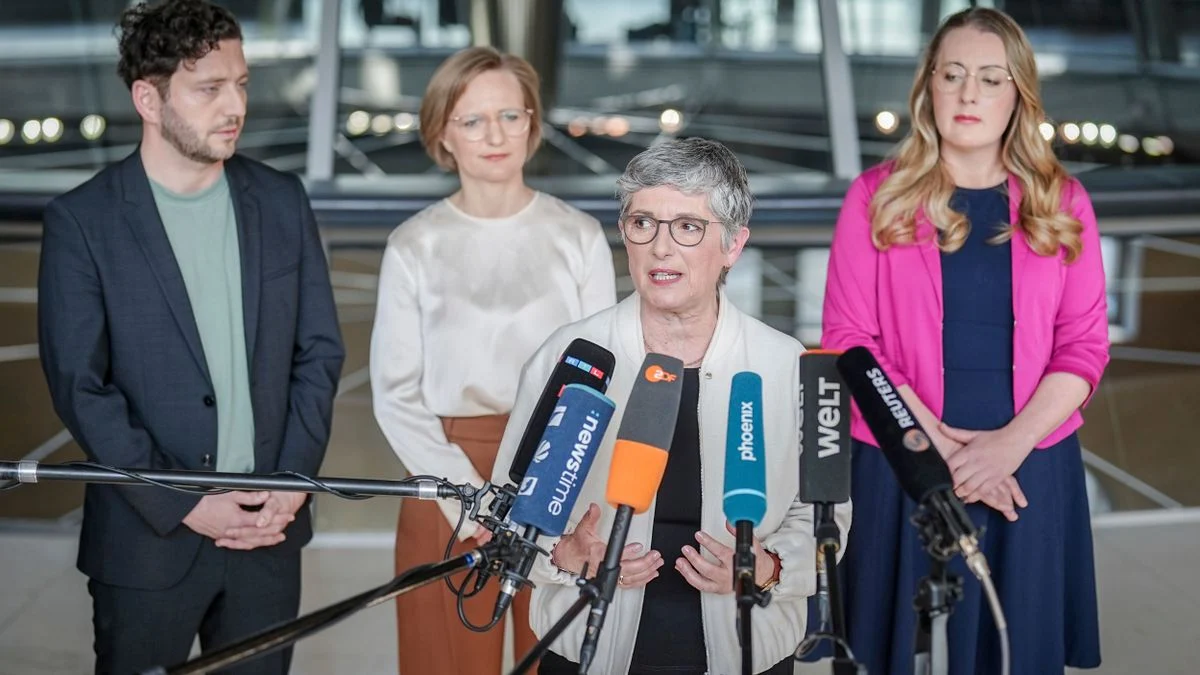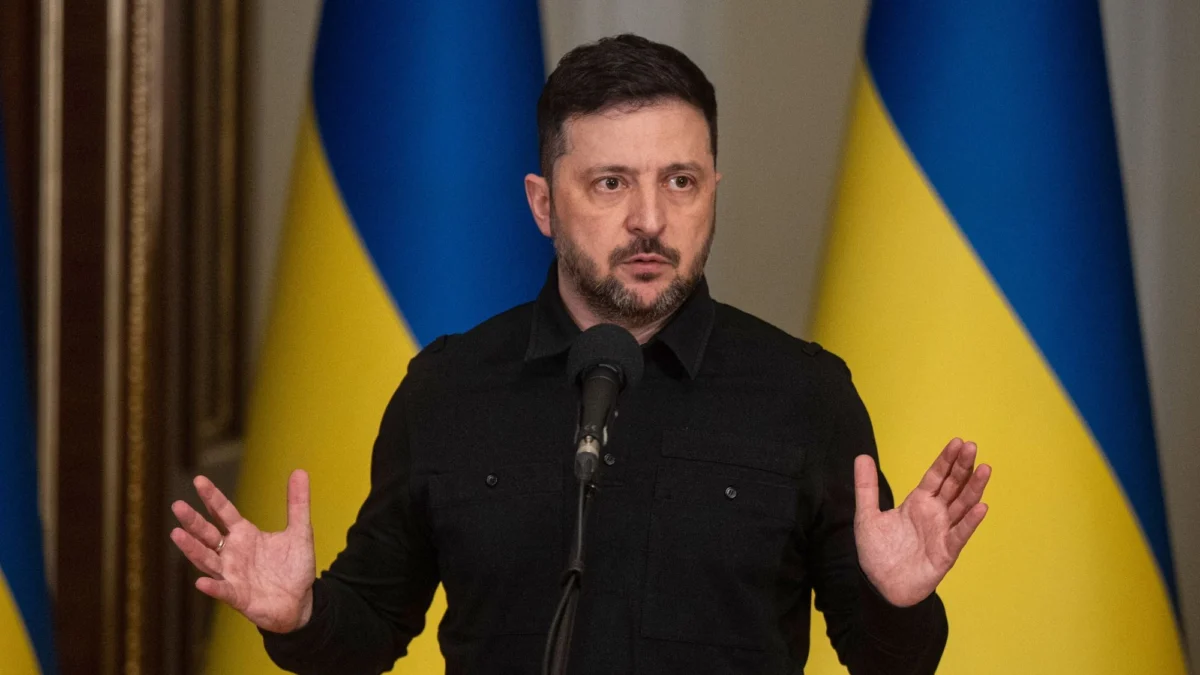
Brussels, Belgium / Warsaw, Poland – As the shadow of shifting American foreign policy lengthens across the Atlantic, European leaders are convening in Brussels with a singular, resolute message: unwavering solidarity with Ukraine. Faced with reports of former U.S. President Donald Trump’s potential policy shifts, including the loosening of sanctions against Russia and pressure on Kyiv, the European Union is closing ranks, preparing to reaffirm its comprehensive political, military, and financial commitment to Ukraine. Ukrainian President Volodymyr Zelenskyy is expected to join the critical discussions on Friday morning, underscoring the urgency and gravity of the moment.
The summit, held amidst growing geopolitical anxieties, is set to be a powerful demonstration of European determination to support Kyiv, regardless of potential changes in Washington’s approach. A draft of the summit declaration, obtained by the Handelsblatt, explicitly condemns a reported agreement between former U.S. President Trump and Russian leader Vladimir Putin concerning diesel imports, signaling Europe’s deep concern over any moves that might undermine the collective effort to counter Russian aggression. While the immediate focus is on bolstering Ukraine’s defense and economic resilience, the underlying imperative for Europe is to cultivate strategic autonomy in a rapidly evolving global landscape.
Main Facts: Europe’s United Front Against External Pressures
The European Union’s upcoming summit in Brussels is poised to be a pivotal moment for transatlantic relations and the future of Ukraine. Leaders from across the 27-nation bloc are gathering not just to discuss routine policy but to forge a united front in the face of escalating external pressures, particularly from the United States.
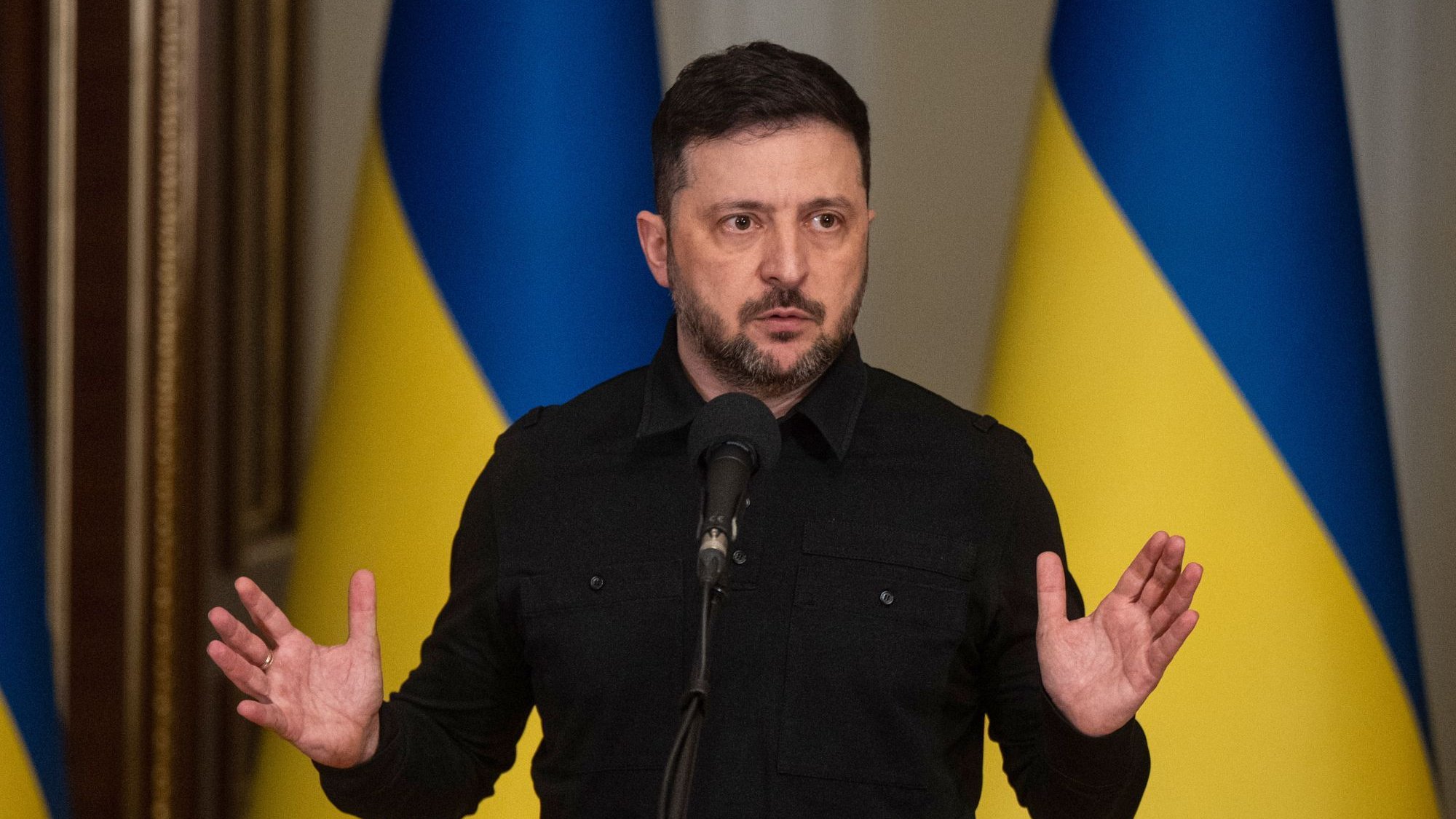
At the heart of the summit’s agenda is the reaffirmation of the EU’s "full and resolute support" for Ukraine. This commitment extends beyond mere rhetoric, encompassing tangible military assistance, crucial financial aid, and steadfast political backing. The decision to invite Ukrainian President Volodymyr Zelenskyy to personally address the European heads of state and government on Friday morning highlights the symbolic and practical importance of this renewed pledge. Zelenskyy’s presence will serve as a poignant reminder of the ongoing conflict and the critical need for sustained international assistance.
The immediate catalyst for this intensified European resolve stems from a series of alarming signals emanating from the camp of former U.S. President Donald Trump. Reports suggest Trump’s intentions to potentially ease American sanctions against Russia, a move that would fundamentally alter the Western coalition’s economic pressure campaign against Moscow. Furthermore, there are concerns about his alleged plans to restrict intelligence cooperation with Ukraine, a lifeline for Kyiv’s defense efforts. Most controversially, Trump is reported to have demanded a "change of power in Kyiv," and to have pressed Ukraine to cease its attacks on Russian oil refineries, which Kyiv views as legitimate military targets. These proposed policy shifts are perceived in Brussels as a direct challenge to the transatlantic alliance and a potential boon for Russia’s war machine.
A leaked draft of the summit declaration, seen by the Handelsblatt, directly addresses these concerns. It underscores the European leaders’ commitment to Ukraine and, significantly, includes an explicit critique of a reported agreement between Donald Trump and Vladimir Putin regarding the import of Russian diesel. Such a deal would be seen as a severe undermining of European energy independence goals and the broader sanctions regime, potentially funneling vital revenue to Russia while weakening Ukraine’s strategic position.
The summit is not merely a reactive measure; it also seeks to proactively address the long-term sustainability of European support for Ukraine. Discussions will inevitably turn to the pressing need for Europe to "soon raise new billions" to sustain its assistance. This financial challenge underscores the dual imperative facing the EU: maintaining immediate aid flows while simultaneously strengthening its own capacities to act independently on the global stage.
Chronology: The Shifting Sands of Transatlantic Support
The current European summit’s focus on bolstering Ukraine amidst American uncertainty is not an isolated event but rather the latest chapter in a dynamic and often turbulent history of transatlantic relations, particularly since Russia’s full-scale invasion of Ukraine.
February 2022: Initial Unity and Swift Response
When Russia launched its full-scale invasion in February 2022, the initial response from the West was characterized by remarkable unity. The United States, under President Joe Biden, worked closely with European allies to impose unprecedented sanctions on Russia, provide military aid to Ukraine, and strengthen NATO’s eastern flank. European nations, initially slower to respond due to diverse dependencies on Russian energy, quickly mobilized, providing humanitarian, financial, and military assistance, often through the European Peace Facility (EPF). This period saw a strong alignment of strategic interests, with both sides of the Atlantic emphasizing the importance of a rules-based international order and the defense of democratic sovereignty.
2023-Present: Growing European Contribution and Emerging US Fissures
As the war progressed, Europe steadily increased its financial and military contributions. The EU committed billions of euros in aid, including macroeconomic financial assistance to keep the Ukrainian state operational, as well as significant military hardware. European defense industries began to ramp up production, albeit slowly, to meet Ukraine’s needs and replenish their own stocks.

However, towards late 2023 and into the present, fissures began to appear in the hitherto solid transatlantic front, primarily due to political developments in the United States. The prospect of Donald Trump’s return to the presidency introduced a significant element of unpredictability. Trump’s past rhetoric, often critical of NATO and seemingly sympathetic to certain Russian positions, began to cast a long shadow over European capitals. His statements about "ending the war in 24 hours" and questioning the level of U.S. commitment to Ukraine fueled anxieties that a second Trump administration might drastically alter U.S. policy, potentially at Ukraine’s expense.
Recent Signals from the Trump Camp and Their Impact
The specific "threats" and "signals" that have galvanized European leaders ahead of this summit include several concerning reports:
- Loosening Sanctions on Russia: Trump’s reported intention to ease American sanctions against Russia is a major point of contention. Such a move would significantly weaken the economic pressure currently exerted on Moscow, potentially allowing Russia to re-engage with global markets and fund its war effort more effectively. For Europe, which has invested heavily in its own sanctions regime, this would represent a profound betrayal of coordinated Western policy.
- Restricting Intelligence Cooperation with Ukraine: Intelligence sharing has been a critical component of Ukraine’s defense, providing vital information on Russian troop movements, strategic planning, and vulnerabilities. Any curtailment of this cooperation by the U.S. would severely hamper Ukraine’s ability to plan and execute military operations, potentially leading to increased casualties and strategic setbacks.
- Demands for "Change of Power in Kyiv": The suggestion that Trump might demand a change in Ukraine’s leadership is seen as an unacceptable interference in a sovereign nation’s democratic processes. It directly contradicts the foundational principles of international law and self-determination that the EU champions. Such a demand would be interpreted as a tacit endorsement of Russia’s war aims, which include regime change in Kyiv.
- Pressure to Halt Attacks on Russian Refineries: Ukraine’s drone attacks on Russian oil refineries are a strategic effort to disrupt Russia’s war economy and create pressure points within Russia. Trump’s reported insistence that Ukraine cease these attacks is viewed by Kyiv and its European allies as undermining Ukraine’s right to self-defense and its ability to inflict economic pain on the aggressor.
- Reported US-Russia Diesel Deal: The Handelsblatt report of a specific agreement between Trump and Putin regarding Russian diesel imports is particularly alarming. If true, this deal would directly contradict the spirit and letter of existing Western sanctions aimed at reducing Russia’s energy revenues. It would provide Russia with a crucial market for its refined petroleum products, offsetting the impact of European embargos and potentially creating new dependencies.
These developments, whether actualized policies or strong indications of future intent, have served as a wake-up call for Europe. They have underscored the precariousness of relying solely on a single ally and have intensified the continent’s drive towards greater strategic independence and a more robust, unified foreign policy. The Brussels summit is thus a direct response to this perceived shift in Washington, aiming to project European strength and commitment to Kyiv.
Supporting Data: The Stakes and the Shortfalls
The EU’s renewed pledge of "full and resolute support" for Ukraine comes at a critical juncture, highlighting both the scale of European commitment and the formidable challenges ahead, particularly concerning funding and military capacity.
Financial Lifeline: The Billions Needed
Since the full-scale invasion, the EU and its member states have collectively emerged as Ukraine’s largest financial donor. As of early 2024, the total EU assistance, including financial, humanitarian, and military aid, surpassed €100 billion. A significant portion of this has been channeled through macroeconomic financial assistance packages, designed to prevent Ukraine’s state budget from collapsing, ensuring essential services like salaries for teachers and doctors, and maintaining critical infrastructure.
The immediate challenge articulated in the Handelsblatt lead text – "must soon raise new billions" – refers to the ongoing need for substantial, predictable funding. Ukraine’s economy has been devastated, with GDP shrinking dramatically and vast swathes of its industrial and agricultural capacity destroyed. Estimates for reconstruction costs run into hundreds of billions of euros, while the annual deficit for wartime operations remains immense. The EU’s €50 billion Ukraine Facility, approved earlier this year, provides a crucial multi-year commitment, but the sheer scale of Ukraine’s needs means that further funding mechanisms and commitments will be required, especially if U.S. aid dwindles.
Discussions around securing these "new billions" often revolve around several avenues:
- Frozen Russian Assets: A contentious but increasingly favored option is using frozen Russian state assets (estimated at around €300 billion, mostly held in Europe) for Ukraine’s reconstruction. While the legal complexities are immense, the political will in Europe to pursue this path is strengthening.
- New EU Debt: The possibility of issuing new joint EU debt, similar to the NextGenerationEU recovery fund, specifically for Ukraine, is another option, though it faces resistance from fiscally conservative member states.
- Member State Contributions: Continued direct bilateral contributions from individual EU member states remain vital, but national budgets are also under pressure.
Military Aid: The Arsenal and the Production Gap
European military support has been substantial, ranging from tanks and artillery to air defense systems and ammunition. The European Peace Facility (EPF) has been instrumental in reimbursing member states for military equipment provided to Ukraine, acting as a crucial funding mechanism. The EU has also launched initiatives like the "one million artillery shells" plan, aiming to boost production and supply Kyiv with urgently needed ammunition.
However, the war has exposed significant shortfalls in Europe’s defense industrial base. Decades of underinvestment mean that production capacities for key munitions and weapons systems are insufficient to meet wartime demands. While efforts are underway to ramp up production, this takes time and substantial investment. The potential restriction of U.S. intelligence cooperation would exacerbate these military challenges, making it harder for Ukraine to effectively deploy and utilize the aid it receives, and for European allies to coordinate their support.
Economic Impact of Sanctions Loosening and Diesel Deal
The potential loosening of U.S. sanctions against Russia and the reported U.S.-Russia diesel import agreement carry severe economic and strategic implications.

- Weakening Sanctions Effectiveness: The unity of Western sanctions is their strength. If the U.S., the world’s largest economy, starts to roll back its sanctions, it would create loopholes that Russia could exploit, undermining the entire regime. This would send a dangerous signal that Western resolve is faltering.
- Funding Russia’s War: Any deal allowing Russian diesel into U.S. markets would provide Moscow with a new revenue stream, directly contributing to its ability to finance the war in Ukraine. It would negate the impact of European efforts to reduce reliance on Russian energy and starve the Kremlin of funds.
- Geopolitical Signal: Such a move would be a clear geopolitical signal that the U.S. is prioritizing other interests over the sustained pressure on Russia, potentially encouraging other nations to ease their own restrictions and emboldening Moscow.
Intelligence Cooperation: The Invisible Shield
Intelligence sharing is the bedrock of modern military alliances. For Ukraine, real-time intelligence from the U.S. and its allies has been crucial for defensive operations, targeting Russian assets, and understanding enemy movements. Restricting this cooperation would leave Ukraine more vulnerable, force it to rely on less sophisticated or timely information, and complicate the coordination of international military aid. It would be akin to fighting blindfolded, significantly increasing the risk for Ukrainian forces and potentially prolonging the conflict.
The stakes for the EU are thus multifaceted: ensuring Ukraine’s survival, preserving the integrity of international law, and demonstrating its own capacity for decisive action in a fragmented global order. The "new billions" and robust military support are not just about Ukraine; they are about defining Europe’s role in the 21st century.
Official Responses: Unity and Resolve
In response to the unsettling signals from the United States, a chorus of European voices has emerged, emphasizing unity, steadfast support for Ukraine, and a growing determination to chart a more independent course. The draft summit declaration is a tangible manifestation of this collective resolve.
EU Institutional Stance: Unwavering Commitment
Officials from the European Commission and the European Council have consistently reiterated the EU’s unwavering commitment to Ukraine’s sovereignty and territorial integrity. European Commission President Ursula von der Leyen and European Council President Charles Michel have both, in various statements, stressed the necessity of continued financial and military aid, highlighting that Ukraine’s fight is Europe’s fight. The upcoming summit is expected to formalize this sentiment into a robust collective statement.
The explicit criticism in the draft declaration of any potential U.S.-Russia diesel import agreement underscores the depth of European concern. Diplomatic sources indicate that EU leaders view such a deal as not only economically detrimental but also morally indefensible, directly contradicting the principles of collective economic pressure against an aggressor state. It would be seen as a direct undermining of the sanctions architecture painstakingly built by the transatlantic alliance.

Member State Positions: A Consensus on Support
While individual EU member states might have varying approaches to specific aspects of foreign policy, there is a broad consensus regarding support for Ukraine and apprehension about a potential shift in U.S. policy. Nations like Poland and the Baltic states, geographically closer to the conflict and historically wary of Russian aggression, have been particularly vocal in advocating for strong and consistent aid to Kyiv. Germany and France, key economic and political powerhouses within the EU, have also affirmed their commitment, albeit with occasional nuances regarding the speed and scale of military provisions.
The threats attributed to former President Trump – from easing sanctions to demanding a change in Kyiv’s leadership – have largely served to unify European governments. Even those traditionally more cautious about assertive foreign policy now recognize the imperative of bolstering European capacity and resolve. The consensus forming is that Europe must be prepared to shoulder a greater burden and to act autonomously if U.S. support becomes unreliable.
Ukrainian Reaction: Seeking Assurance and Reinforcement
For Ukrainian President Volodymyr Zelenskyy, the European summit represents a crucial opportunity to secure reaffirmed commitments. While expressing gratitude for past U.S. support, Kyiv has understandably grown anxious about the future reliability of American aid, especially with the ongoing political debates in Washington. Zelenskyy’s planned personal attendance at the Brussels summit is a direct appeal to European leaders to solidify their backing and to compensate for any potential shortfalls from the U.S.
The question "How reliable is America?" posed in the image caption accurately reflects the growing uncertainty in Kyiv. Ukraine’s survival depends on a continuous flow of aid, and Europe’s commitment now carries even greater weight. Zelenskyy is expected to emphasize the strategic importance of European unity and the existential threat posed by Russian aggression, urging leaders to accelerate military deliveries, enhance defense production, and provide long-term financial guarantees. He will likely frame European support not just as assistance, but as a shared investment in a secure and stable continent.
In essence, the official responses from Europe reflect a determination to manage the present crisis while simultaneously preparing for a potentially more challenging future. The unity displayed at the summit, and the explicit rejection of policies perceived as beneficial to Russia, send a clear message: Europe intends to stand by Ukraine, even if it means doing so with less predictable support from its traditional transatlantic partner.

Implications: A New European Geopolitical Reality
The confluence of sustained Russian aggression, Ukraine’s ongoing struggle, and the unsettling signals from a key transatlantic ally is not merely a crisis; it is a powerful catalyst reshaping Europe’s geopolitical identity and its place in the global order. The Brussels summit’s responses carry profound implications for the future of the continent, the transatlantic alliance, and the trajectory of the war in Ukraine.
Strengthening European Strategic Autonomy
Perhaps the most significant long-term implication is the accelerated drive towards European strategic autonomy. For years, the concept of Europe acting more independently in defense and foreign policy has been debated, often encountering resistance from those who prefer robust transatlantic coordination. However, the prospect of a less reliable United States under a future Trump administration has transformed this debate from theoretical to imperative.
European leaders are increasingly realizing that they cannot outsource their security entirely to Washington. This means:
- Increased Defense Spending: Member states will likely face intensified pressure to meet and exceed NATO’s 2% GDP defense spending target, not just for NATO but for European capabilities.
- Enhanced European Defense Industry: The need to ramp up production of ammunition, weapons systems, and other military hardware within Europe will become paramount. This includes fostering greater interoperability and joint procurement among member states.
- Independent Foreign Policy: Europe will be compelled to develop a more coherent and assertive foreign policy, capable of addressing crises in its neighborhood and beyond, even if U.S. interests diverge. This includes a more unified stance on sanctions, diplomatic initiatives, and humanitarian aid.
The Future of the Transatlantic Alliance and NATO
The current developments pose a severe test for the transatlantic alliance, particularly NATO. While European nations remain committed to the alliance, the perception of U.S. unreliability could lead to a two-tiered system where Europe increasingly builds its own defense structures within or alongside NATO. This doesn’t necessarily mean the end of NATO, but it certainly implies a fundamental rebalancing of responsibilities and a greater emphasis on the "European pillar."
If U.S. policy under a potential Trump administration shifts drastically – for example, by reducing its NATO commitments or forging separate deals with Russia – it could fundamentally alter the trust and cohesion that have defined the alliance for decades. Europe would be forced to adapt, potentially seeking new strategic partnerships and strengthening its internal security arrangements.

Impact on Ukraine’s War Effort
For Ukraine, consistent and predictable Western support is existential. Any significant reduction in U.S. aid, whether financial, military, or intelligence-related, would place immense pressure on Kyiv’s ability to defend itself. While Europe’s commitment is solidifying, it may not be able to fully compensate for a complete withdrawal of U.S. assistance, especially in critical areas like advanced weaponry and real-time satellite intelligence.
The EU’s pledge of "full and resolute support" is therefore not just a statement of solidarity but a critical lifeline. It sends a message to Moscow that the West’s collective resolve will not fracture easily, even under external pressure. However, the financial challenge of "new billions" and the time required to boost European defense production highlight the urgency of sustained effort.
Russia’s Perspective and Escalation Risks
From Russia’s perspective, any perceived weakening of Western unity, especially from the United States, would be interpreted as a significant victory and an encouragement to press its military advantage. Signals of reduced U.S. support or internal divisions within the Western alliance could embolden Moscow to escalate its aggression, believing that the international coalition against it is faltering.
The reported U.S.-Russia diesel deal, if true, would be a particularly potent symbol for the Kremlin, suggesting that Western sanctions can be circumvented and that key Western powers are willing to negotiate bilateral arrangements that undermine broader allied efforts. This could lead Russia to harden its negotiating position and prolong the conflict, hoping for further divisions to emerge.
Call to Action and Future Outlook
The Brussels summit is more than just a meeting; it is a critical moment of introspection and strategic recalibration for Europe. The immediate tasks are clear:

- Secure long-term financial commitments for Ukraine, potentially exploring innovative financing mechanisms like the use of frozen Russian assets.
- Accelerate European defense industrial production to meet both Ukraine’s needs and Europe’s own strategic autonomy goals.
- Maintain and strengthen a unified diplomatic front against Russian aggression, explicitly rejecting any moves that undermine sanctions or geopolitical stability.
The long-term outlook points towards a Europe that is more self-reliant, more unified in its foreign policy, and more robust in its defense capabilities. The challenges are immense, requiring significant political will, financial investment, and a fundamental shift in strategic thinking. However, the external pressures, particularly those emanating from the United States, are acting as a powerful unifier, welding Europeans and Zelenskyy together in a shared determination to secure peace and stability on the continent. The question of America’s reliability, once a quiet undertone, has now become a central driving force behind Europe’s quest for a new geopolitical reality.