As Germany faces a staggering deficit of over 800,000 residential units, local authorities are pivoting away from urban-centric solutions. With vacancy rates high in rural areas and rent prices skyrocketing in metropolitan hubs, officials are now calling for a structural reimagining of the German countryside.
The Core Dilemma: A Tale of Two Realities
The German housing market is currently defined by a profound geographical paradox. In major economic engines like Berlin, Munich, Hamburg, and Frankfurt, the competition for living space has reached a fever pitch. Rents are rising, vacancy rates are near zero, and the construction of new housing has stalled due to high interest rates, material costs, and bureaucratic hurdles.
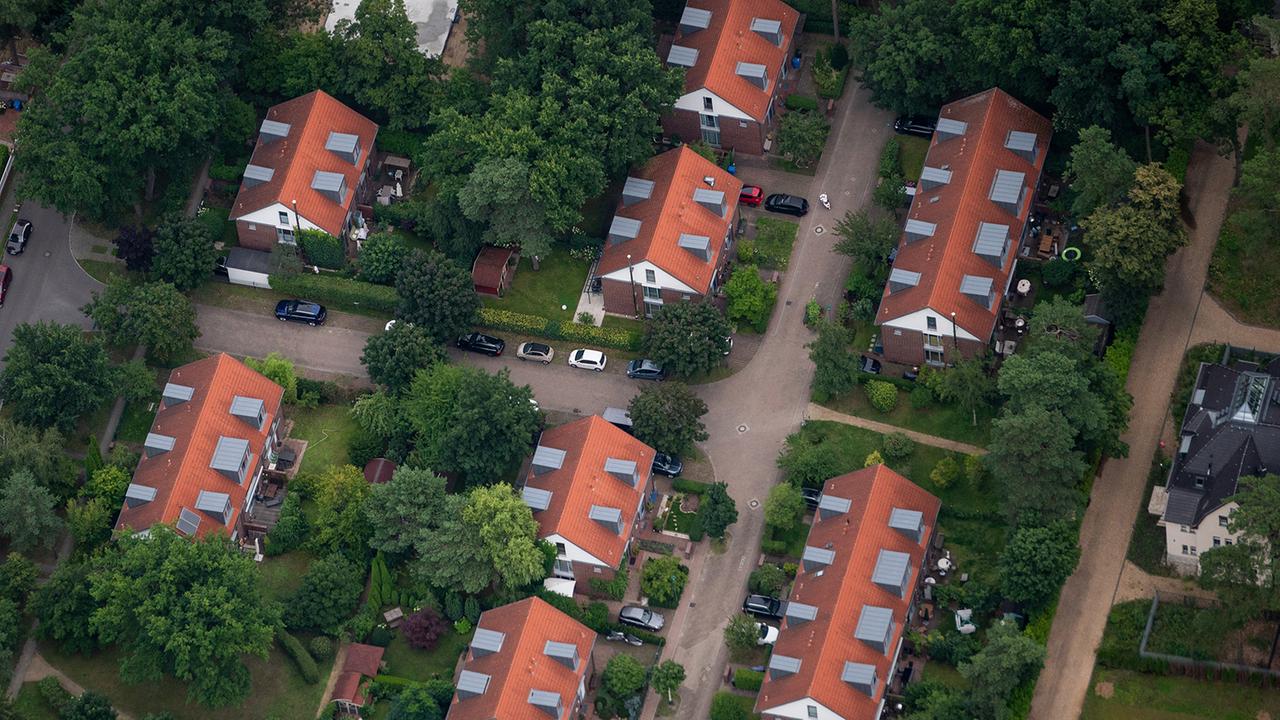
Conversely, vast stretches of the German landscape—particularly in peripheral regions—suffer from the opposite problem: a surplus of empty housing stock. According to André Berghegger, Chief Executive of the German Association of Towns and Municipalities (DStGB), there are currently 1.9 million residential units standing empty in structurally weak, rural areas. Of these, approximately 700,000 could be made move-in ready within a three-month window.
The central challenge, however, is not merely the availability of bricks and mortar; it is the absence of the infrastructure that modern society demands. People are not flocking to these regions because the fundamental pillars of daily life—reliable transport, healthcare, and digital connectivity—are often absent.
Chronology of a Crisis: From Boom to Stagnation
The current housing shortage did not happen overnight; it is the culmination of years of policy shifts and economic trends.
- 2015–2019: The Urban Gold Rush: A decade ago, the trend was overwhelmingly toward "re-urbanization." Young professionals and families flocked to cities, leading to a massive increase in demand that outpaced the slow-moving construction sector.
- 2020–2022: The Pandemic Pivot: COVID-19 initially hinted at a "de-urbanization" trend as remote work became a viable reality. However, this was largely offset by the rising cost of living and the subsequent inflation of the construction sector.
- 2023–2025: The Construction Stagnation: With the European Central Bank’s interest rate hikes, the financing costs for new housing developments skyrocketed. New projects were canceled en masse, leaving the country with a massive supply-demand gap.
- October 2026: The current status quo. With the deficit reaching 800,000 units, the DStGB has formally proposed a paradigm shift: rather than forcing densification in already strained cities, the state should invest in making the rural alternative a realistic choice for the average citizen.
Supporting Data: The Scale of the Gap
The numbers provided by the "Social Housing Monitor 2026" paint a sobering picture. The shortage of 800,000 units is not a temporary dip; it is a structural deficiency that threatens social stability.
- Urban Vacancy vs. Rural Surplus: In cities like Munich, vacancy rates are effectively below 1%. In contrast, several districts in Eastern Germany and the rural fringes of North Rhine-Westphalia report vacancy rates exceeding 7–10%, much of which is "stagnant" housing requiring renovation.
- Construction Stagnation: New housing starts have remained at a historically low level throughout 2026. The shift from new construction to the rehabilitation of existing rural stock is viewed by experts as a more climate-friendly and cost-effective path to alleviating the pressure.
- The Mobility Gap: Statistics indicate that rural areas with access to high-speed rail links (RE/RB lines) see significantly lower vacancy rates than those "transport islands" where the car is the only viable mode of transit.
Official Responses: A Call for a Comprehensive Framework
André Berghegger’s address to the Kölner Stadt-Anzeiger serves as a manifesto for this new approach. He argues that the solution cannot be limited to short-term political instruments like rent control or sporadic construction subsidies.
"We need a comprehensive overall concept," Berghegger stated. "The federal and state governments must move beyond simple regulatory interventions and start viewing the nation as a singular, interconnected organism."
The Four Pillars of Rural Revitalization
Berghegger outlined four specific requirements to make rural living a viable solution to the urban housing crisis:
- Infrastructure Reconnection: The re-activation of decommissioned railway lines and the expansion of regional transit systems are essential. If people cannot reach their workplaces in the city within a reasonable time, the housing will remain empty.
- Healthcare Decentralization: A major deterrent for families moving to rural areas is the lack of medical access. Incentivizing doctors and practitioners to establish practices in these regions is as important as building houses.
- Local Services and Retail: The "15-minute city" concept should be adapted for rural hubs. Ensuring that grocery stores, pharmacies, and schools remain within reach is a prerequisite for long-term settlement.
- Cultural and Recreational Investment: To attract younger demographics, rural municipalities need to invest in "soft" infrastructure—high-speed internet, coworking spaces, and cultural venues that prevent rural life from feeling isolating.
Implications: The Political and Economic Road Ahead
The proposal to shift focus from urban densification to rural revitalization carries significant implications for German fiscal and social policy.
The Financial Mechanism
Berghegger suggested that funding could be drawn from the "Special Fund for Infrastructure." By reallocating resources that would otherwise be spent on massive urban subsidies to the modernization of rural transport and services, the government could achieve a "multiplier effect." This would not only create housing but also stimulate local economies in areas that have been left behind by globalization.
Social Equality
The goal is to move toward "equivalent living conditions"—a constitutional mandate in Germany. If successful, this policy could bridge the widening social divide between the "thriving metropolises" and the "forgotten hinterlands." It offers a path to alleviate the stress of urban residents while simultaneously preventing the further decay of small-town and rural community structures.
The Climate Dimension
From an environmental perspective, utilizing existing building stock is far more sustainable than building new high-rises on greenfield sites. The renovation of existing rural houses requires less concrete and steel, and by focusing on rail connectivity, the government can encourage a transition toward lower-carbon mobility.
Challenges to Success
Despite the logic of the proposal, significant hurdles remain. The first is political resistance. Urban-centric politicians often prioritize their constituents’ immediate needs—cheaper rent in the city—over long-term regional development projects. The second is private sector buy-in. Investors often fear that rural assets will not appreciate in value as quickly as urban real estate. Finally, there is the cultural hurdle: changing the perception that "success" equals "living in the city" requires a significant shift in the national mindset.
Conclusion
The housing crisis is a complex beast, but the path forward may be simpler than policymakers once thought. Germany does not necessarily need to build its way out of the problem through mass construction in already overcrowded cities. Instead, it must unlock the latent potential of its own geography.
By integrating rural infrastructure with the modern needs of the workforce, Germany can alleviate the pressure on its metropolitan centers while breathing new life into its rural heartland. The proposal from the German Association of Towns and Municipalities is more than a housing policy; it is a vision for a more balanced, sustainable, and inclusive Germany. As the country moves toward 2027, the success of this initiative will depend on whether the federal government can muster the political courage to think beyond the city limits.