Frankfurt, Germany – In an era marked by profound technological shifts, escalating social inequalities, and a pervasive crisis of confidence in traditional political parties, a striking paradox emerges at the heart of German politics: the Social Democratic Party (SPD). While seemingly mired in internal struggles and clinging to outdated paradigms, the SPD finds itself at the precipice of a historical opportunity – a moment tailor-made for the very principles upon which social democracy was founded. Yet, a palpable sense of inertia, a "pathological" preoccupation with its own internal affairs, prevents the party from seizing this critical juncture.
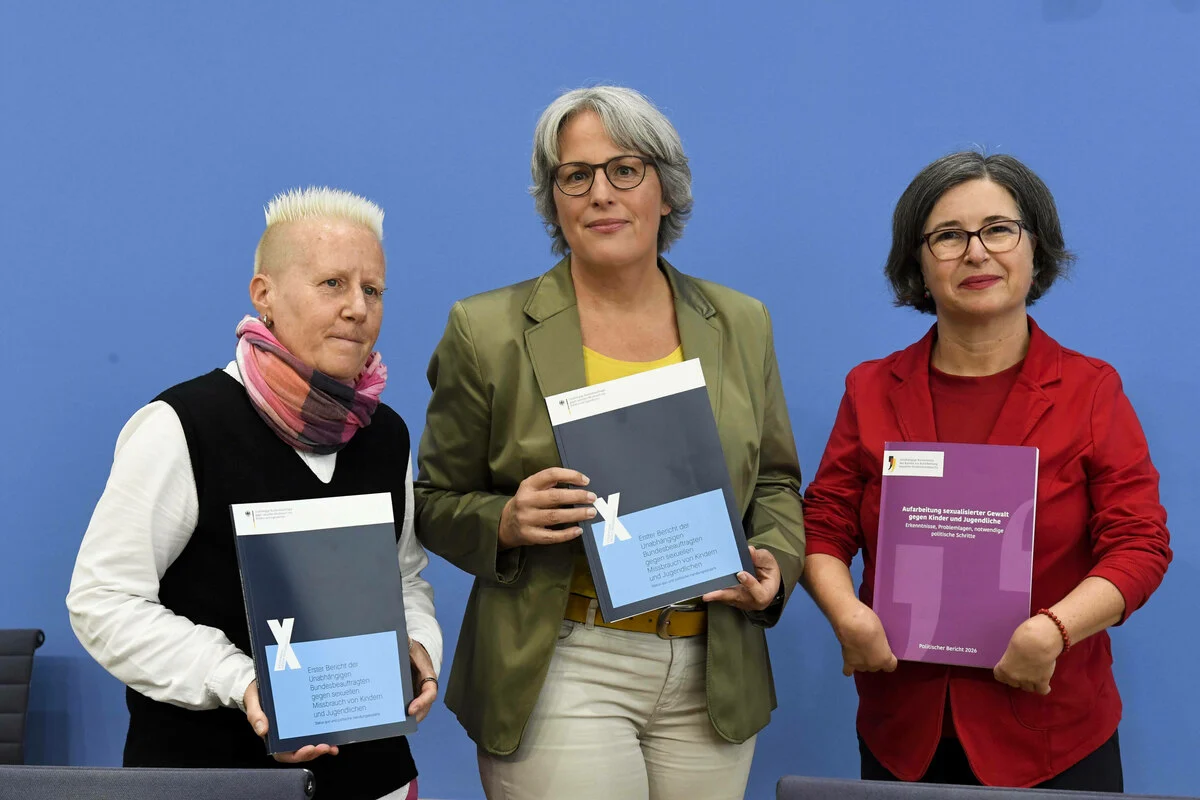
The recent resignation of Bärbel Bas, formerly a prominent figure within the SPD as both a leading minister and party chair, serves as a poignant microcosm of this larger malaise. Far from being an isolated incident, her departure, much like the broader disarray observed in Berlin’s political landscape, underscores a fundamental disconnect within the SPD. It highlights a failure to grasp that the enduring ideology of social democracy – a powerful framework designed to navigate societal transformations – transcends the narrow confines of current party politics. This article will delve into the SPD’s current predicament, explore the profound challenges and opportunities presented by the Artificial Intelligence (AI) revolution, examine international examples of revitalized social democratic thought, and assess the broader implications for Germany’s political future.
Stuck in the Past: The SPD’s Enduring Malaise
The current state of the SPD can be described as one of profound internal reflection, often to the detriment of forward-looking engagement. The party appears deeply entrenched in historical narratives and conceptual frameworks that, while once foundational, now impede its ability to address contemporary realities. Mentally, the SPD remains tethered to a 19th-century understanding of "work" and "the working class," a demographic that has long evolved, if not entirely dissipated, in a world dominated by service industries and white-collar employment. This anachronistic perspective prevents the party from truly understanding the anxieties and aspirations of today’s diverse electorate.
The Ghost of Globalization: A Nineties Hangover
Politically, the SPD seems perpetually trapped in the 1990s. This was a decade when many mainstream parties, including the SPD, uncritically accepted globalization as an unstoppable, natural force, thereby diminishing the perceived agency and power of political action. Coupled with the toxic embrace of austerity measures, this narrative severely undermined the very idea and practice of state-led investment and the state’s capacity to shape economic outcomes. The legacy of these policies, particularly the "Agenda 2010" reforms, continues to haunt the party, alienating a significant portion of its traditional base and fostering a deep-seated distrust in its commitment to social justice.
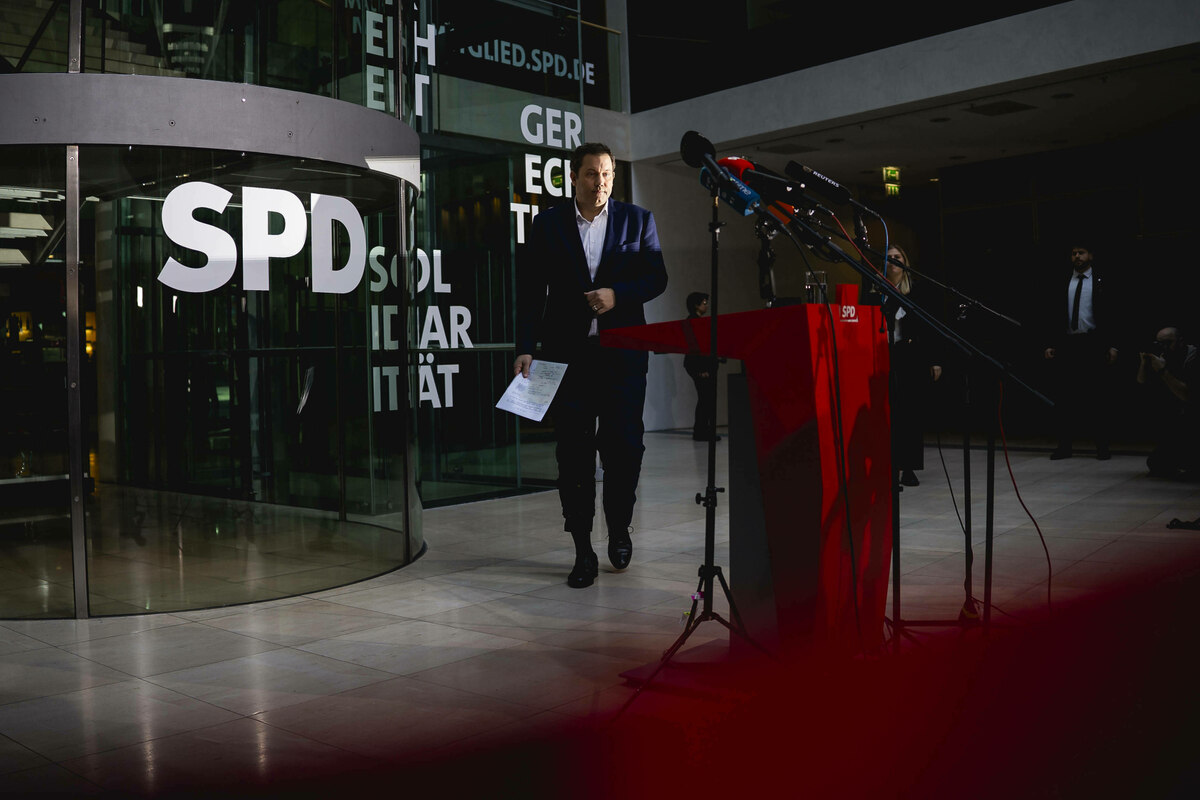
This historical baggage creates a profound handicap. As the world hurtles towards a new technological frontier, driven by AI, the SPD’s gaze remains fixed on rearview mirrors. The party’s current image, dominated by the perceived mediocrity and lack of vision within the governing coalition, effectively obscures the immense possibilities and urgent necessities that the AI revolution presents for social democratic principles. The critical questions of the 21st century – questions about the very fabric of society, economy, and democracy – remain largely unaddressed by a party seemingly unwilling or unable to shed its historical inhibitions.
The AI Revolution: A Defining Social Democratic Moment
Paradoxically, the current confluence of technological disruption and societal unease creates what could be termed a "social democratic moment." The emergence of advanced AI systems is ushering in a new industrial revolution, one that promises to fundamentally reshape not only the world of work but also the everyday lives of individuals. Unlike previous industrial shifts, AI threatens to displace not just manual labor, but cognitive functions, raising profound questions about human purpose, economic value, and social cohesion.
Redefining Work, Capital, and the State in the Digital Age
This moment resonates deeply with the historical genesis of social democracy in the 19th century. Born out of the tumult of the first industrial revolution, social democratic movements were conceived precisely to mediate the relationship between labor and capital under conditions of radical technological change. Their mission was to ensure that both social justice and democratic principles were preserved and advanced amidst the rise of the machine. Today, with AI poised to profoundly alter the dynamics of value creation, the core tenets of social democracy – solidarity, equality, and collective well-being – are more relevant than ever.
The challenges posed by AI are multifaceted and far-reaching. As intelligent machines increasingly perform tasks previously requiring human effort, fundamental questions arise about the future of employment, income distribution, and societal structures. The potential for massive wealth accumulation by a select few, alongside widespread job displacement, threatens to exacerbate existing inequalities and create new forms of social stratification.

Pressing Questions for a New Era
In this rapidly evolving landscape, the SPD should be at the forefront of proposing solutions to a series of critical questions:
- Taxation in a Post-Work Economy: If human labor diminishes as a primary source of income and value, what new models of taxation can sustain public services and ensure a fair distribution of wealth? Discussions around taxing automated production, data, or even a universal basic income become imperative.
- Addressing Massive Wealth Accumulation and Financial Power: The AI revolution is likely to concentrate immense wealth and power in the hands of a few tech giants and financial institutions. How can the state regulate this power, prevent monopolies, and ensure that the benefits of technological progress are shared broadly, rather than hoarded? This involves scrutinizing the role of the financial industry and exploring new regulatory frameworks.
- Ownership of Digital Infrastructures: The foundational digital infrastructures – the data centers, communication networks, and proprietary algorithms – upon which the AI revolution operates are overwhelmingly privately owned. Should these critical components, essential for both economic innovation and democratic discourse, be subject to greater public control or even public ownership, akin to traditional utilities?
- Redefining Property in the Digital Age: What constitutes "property" in an era where data is the new oil and intellectual property rights become increasingly complex? How can new definitions of property prevent the exploitation of collective data and knowledge for private gain, and instead foster a "digital commons"?
- The Idea of the Common Good: In a fragmented, algorithmically-driven society, how can the concept of the common good be revitalized and implemented? Why are discussions about collective welfare and shared societal values currently dominated by "reactionary post-liberals" rather than progressive forces?
In the current German political landscape, few parties seem adequately equipped or philosophically inclined to tackle these existential questions. While Die Linke might theoretically engage with some of these issues, their current political standing and internal fragmentation limit their impact. The SPD, with its historical mandate to balance economic progress with social justice, is arguably the party best suited to lead this charge. Yet, a conspicuous absence of visionary leaders and concrete proposals within the organized German Social Democracy prevents this potential from being realized.
A Glimmer of Hope: International Social Democratic Revival
While the German SPD grapples with its identity, vibrant examples of renewed social democratic thinking are emerging on the international stage, offering potential blueprints for rejuvenation. These figures and movements demonstrate a modern approach characterized by a distinct style, clear language, programmatic rigor, and a fundamental commitment to the well-being of the populace.
Spain’s Sánchez: Championing Digital Sovereignty
Take, for instance, Spanish Prime Minister Pedro Sánchez. His articulate interventions on global platforms, such as his appearance on Jon Stewart’s show, highlight a sophisticated understanding of contemporary challenges. Sánchez eloquently articulates the problems inherent in the privatization of digital infrastructures, emphasizing that these platforms are not merely conduits for industrial innovation but also critical arenas where democratic realities are negotiated and shaped. He advocates for greater public control and regulation of tech giants, emphasizing data sovereignty and the need for ethical AI governance. His approach represents a proactive stance against unchecked corporate power in the digital sphere, a clear social democratic response to a globalized, tech-driven economy.

Britain’s Burnham: Reclaiming Political Authenticity
Across the English Channel, Andy Burnham, the Mayor of Greater Manchester and a prominent figure within the Labour Party, exemplifies a different kind of social democratic resurgence. His recent speech at the Labour Party conference was marked by three key pillars: "Take back control," "honesty," and a critical self-reflection on past neoliberal deviations. His "Take back control" mantra cleverly reappropriates a phrase often associated with right-wing populism, turning it into a call for democratic empowerment against both political powerlessness and the forces of the far-right Reform UK party. Burnham champions a new language of honesty and vulnerability in politics, rejecting superficial spin in favor of genuine reflection and community building. Crucially, he openly acknowledges that social democracy, in recent decades, pursued misguided neoliberal objectives, thereby laying the groundwork for a more authentic and principled progressive agenda.
America’s New Progressives: A Generational Shift
In the United States, a new generation of "cool Democrats" is redefining progressive politics with a distinctly social democratic flavor. Figures like New York City Council Member Zohran Mamdani, Georgia Senator Jon Ossoff, and Michigan’s formidable debater and potential future Senator Abdul El-Sayed, alongside the insightful James Talarico from Texas, represent a fresh wave. While the article notes they are predominantly men, their collective approach is characterized by a strong connection to grassroots movements, a bold stance on issues like economic inequality, climate justice, and workers’ rights (including those in the gig economy), and a willingness to challenge corporate power. They employ a direct, often humorous, yet uncompromising style, demonstrating programmatic clarity and an unwavering commitment to the people they represent. This generational shift in the US showcases how social democratic ideals can be repackaged and re-energized for a modern electorate.
These international examples collectively paint a picture of social democratic politics that is stylistically distinct, linguistically clear, programmatically robust, and fundamentally attuned to the needs of the populace. They offer compelling evidence that a renewed social democratic vision is not only possible but urgently required to navigate the complexities of the 21st century.
The Conservative Predicament: A Vacuum of Vision
In contrast to the nascent social democratic revival elsewhere, Germany’s conservative parties, epitomized by the Christian Democratic Union (CDU), face their own existential crisis. If one were to summarize the CDU’s traditional programmatic core, it has historically struggled to articulate a vision that extends significantly beyond the efficient functioning of the state and the preservation of economic stability. This narrative, while once a source of strength, is now under severe attack.

The rise of populist and far-right parties, particularly the Alternative for Germany (AfD), has aggressively challenged the very notion of a stable, functional state. The AfD’s rhetoric, often characterized by anti-establishment sentiment and a rejection of traditional institutions, directly undermines the CDU’s core competencies and narratives. In the face of this assault, the conservatives appear to have little to counter the "inner decay" of their own political project. Lacking a compelling, forward-looking vision for a rapidly changing society, they find themselves struggling to maintain relevance and ideological coherence, leaving a vacuum that could be filled by more radical forces.
The Imperative for German Social Democracy: Stability Through Transformation
Given the profound challenges facing Germany – from the AI revolution and escalating inequality to the existential threat of rising fascism – the mandate for the Social Democratic Party appears clear: to save the country. Historically, the SPD has risen to such challenges multiple times, often at great cost to itself, sometimes exhibiting a tendency towards self-sacrifice for the greater good. This historical precedent suggests a deep-seated capacity for resilience and responsibility.
The current challenge, however, is uniquely complex. It requires the SPD to simultaneously ensure stability – a crucial anchor in turbulent times – while also fundamentally transforming the status quo. This is not merely a call for incremental reform but a demand for a radical re-imagination of Germany’s societal, political, and economic order.
Embracing Cognitive Dissonance: The Path Forward
Achieving this dual objective necessitates embracing a form of "cognitive dissonance" as a strategic strength, rather than viewing it as a problem. The SPD must be capable of holding seemingly contradictory ideas in productive tension: providing social security and protection while fostering innovation and adaptability; upholding democratic traditions while pioneering new forms of digital governance; defending the existing welfare state while designing entirely new economic models for a post-work future.

This means leading national conversations on foundational issues: exploring new public-private partnerships for digital infrastructure, advocating for progressive taxation on AI-driven wealth, developing comprehensive strategies for lifelong learning and retraining, and reasserting the state’s role as an active shaper of economic and social outcomes, not merely a passive regulator. It means articulating a compelling vision of a future Germany where technological progress serves human flourishing, where economic prosperity is broadly shared, and where democratic values are fortified against authoritarian challenges.
The path forward for the German SPD is fraught with difficulty, requiring introspection, courage, and a decisive break from the ideological shackles of the past. Yet, the historical moment, characterized by unprecedented technological change and societal flux, is undeniably "social democratic" in its essence. The question remains whether the SPD can recognize this profound opportunity, cultivate the visionary leadership necessary, and rise to the immense task of guiding Germany through an era of defining transformation, securing both its stability and its future. The stakes, for Germany and for the broader European project, could not be higher.