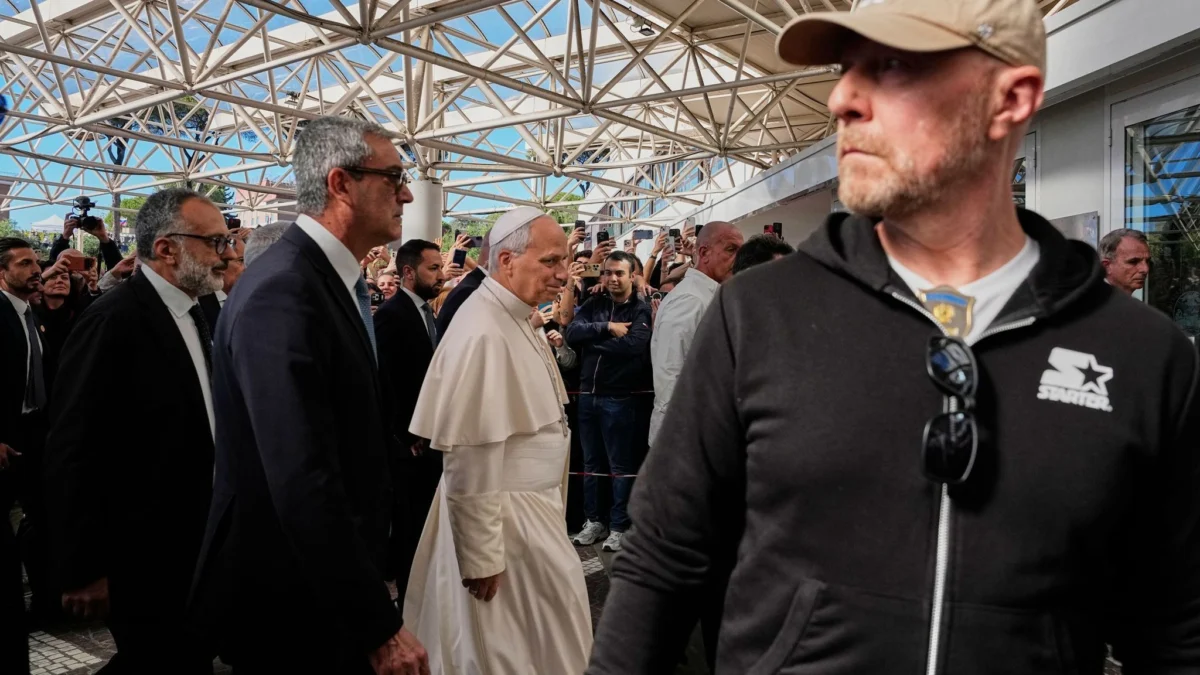
Vatican City, October 13, 2026 – Pope Leo XIV, the spiritual leader of 1.4 billion Catholics worldwide, has undergone successful lung surgery following the confirmation of an early-stage lung carcinoma. The Vatican announced late Tuesday evening that the 71-year-old Pontiff had an adenoma, a common form of lung cancer, diagnosed after the surgical removal of a nodule from the lower lobe of his right lung. The procedure, performed at Rome’s renowned Gemelli Clinic, lasted approximately 90 minutes and concluded without complications. Pope Leo XIV is reported to have recovered well from the anesthesia and is now resting in his private suite at the hospital, with a recovery period of approximately one week anticipated.
The news, which broke just two days after the Pope himself disclosed the discovery of a suspicious lung nodule, has sent ripples of concern and prayer throughout the global Catholic community and beyond. Until this announcement, Pope Leo XIV, known for his active lifestyle and robust health, had shown no public signs of illness since his election. His pontificate, marked by a dynamic approach and groundbreaking initiatives, now faces an unexpected pause as the Holy Father prioritizes his recovery.
Main Facts: A Swift Diagnosis and Intervention
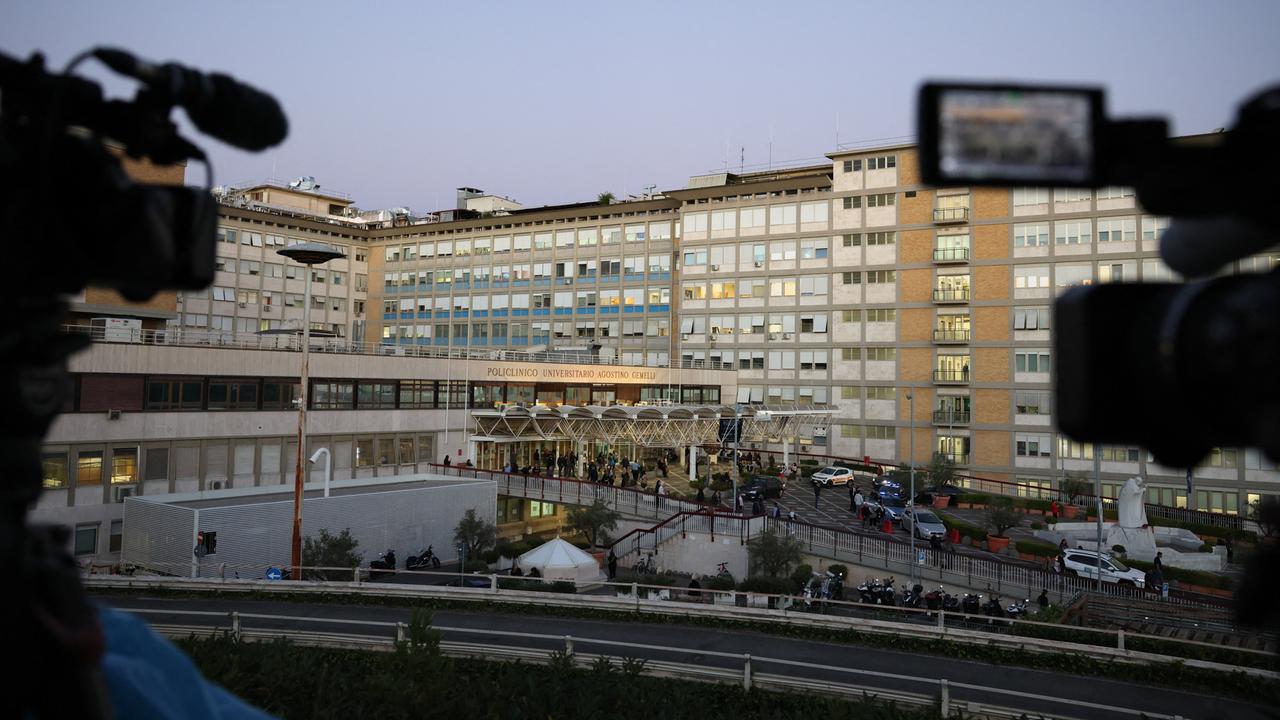
Pope Leo XIV, the first American to ascend to the Chair of Saint Peter, underwent an urgent lung operation on Tuesday, October 13, 2026, at the Policlinico Universitario Agostino Gemelli in Rome. The procedure, prompted by the discovery of a suspicious nodule during a routine check-up, confirmed the presence of an adenocarcinoma, a prevalent type of lung cancer. Vatican spokesman Matteo Bruni stated that the surgery involved the removal of the lower lobe of the Pope’s right lung, where the malignant growth was located.
The operation, which began in the afternoon and concluded around 7:00 PM local time, was deemed a complete success by the surgical team. "The Holy Father withstood the operation well," Bruni affirmed in an official communiqué, adding that the Pope had "emerged normally from the anesthesia" and was "now recovering in his hospital room." The swift identification and intervention are considered crucial factors in the positive prognosis, as the cancer was detected in a "very early stage," as the Pope himself had revealed. This rapid response underscores the vigilance of the Vatican medical team and the importance of early detection in cancer treatment.
The news has prompted an outpouring of prayers and well-wishes from heads of state, religious leaders, and the faithful across continents. The temporary halt to papal audiences and engagements highlights the seriousness of the situation, even as the Vatican assures the public of the Pope’s stable condition and optimistic outlook for recovery.
Chronology of Events: From Discovery to Recovery
The events leading up to Pope Leo XIV’s lung surgery unfolded rapidly, demonstrating a commitment to transparency and decisive action by the Holy See.
Sunday, October 11, 2026:
The first public indication of the Pope’s health concerns came on Sunday. In an unexpected announcement following his weekly Angelus address in St. Peter’s Square, Pope Leo XIV revealed that a "very early stage" nodule had been discovered in his lung during a routine medical examination. He informed the faithful that, acting on the advice of his physicians, he had decided to undergo surgery without delay. This candid disclosure, unusual for papal health matters in the past, was met with immediate expressions of concern and prayer from around the world. The Pope’s decision to personally share his diagnosis underlined his characteristic openness and direct communication style.
Monday, October 12, 2026:
Following Sunday’s announcement, preparations for the surgical intervention were finalized. The Vatican confirmed the details of the upcoming procedure, emphasizing the elective nature of the surgery based on medical recommendation. Security measures around the Gemelli Clinic were subtly heightened, and a medical team was assembled, led by Professor Stefano Margaritora, a renowned expert in thoracic surgery. The Vatican also began the process of rescheduling and canceling papal audiences, including the highly anticipated closing mass of an international synod on marriage and family, scheduled for Wednesday.
Tuesday, October 13, 2026:
In the early afternoon, Pope Leo XIV was transported to the Gemelli Clinic, a familiar destination for several of his predecessors. Upon his arrival, a crowd of onlookers, journalists, and well-wishers had gathered, offering prayers and expressions of support. The surgical procedure commenced shortly thereafter, lasting approximately 90 minutes. The operation involved the removal of the lower lobe of the right lung, confirming the initial suspicion of an adenocarcinoma. Late Tuesday evening, the Vatican released an official statement confirming the successful completion of the surgery, the positive diagnosis of early-stage lung cancer, and the Pope’s stable condition and recovery from anesthesia.
Wednesday, October 14, 2026 (Projected):
The Pope is expected to spend the initial days of his recovery in his dedicated suite on the tenth floor of the Gemelli Clinic. While immediate post-operative care will be the priority, the Vatican has indicated that the Pope’s recovery is progressing as expected. All papal audiences and general audiences are suspended until mid-next week, allowing the Pontiff ample time for rest and recuperation, under constant medical supervision.
Supporting Data: Medical Insights and Papal Precedent
The diagnosis of adenocarcinoma and the subsequent surgical intervention provide several layers of crucial supporting data, illuminating both the medical context and the historical significance of this event for the papacy.
Adenocarcinoma: Understanding the Diagnosis
Adenocarcinoma is the most common type of non-small cell lung cancer, accounting for approximately 40% of all lung cancers. It typically originates in the outer regions of the lung and is often found in an early stage, particularly when detected incidentally through imaging for other conditions, as appears to be the case with Pope Leo XIV. When diagnosed early and localized, surgical removal of the affected lung tissue is the primary and most effective treatment. The removal of a "lobe" (lobectomy) is a standard procedure for this condition. The "very early stage" assessment by the Pope and the Vatican suggests a favorable prognosis, as early detection significantly increases the chances of a complete cure and long-term survival. Follow-up care will likely involve regular monitoring to ensure no recurrence.
The "Pope’s Hospital": Gemelli Clinic’s Unique Role
The Policlinico Universitario Agostino Gemelli, affiliated with the Catholic University of the Sacred Heart, holds a unique and revered place in papal history, earning it the moniker "the Pope’s Hospital." It is equipped with a dedicated, fully-staffed suite on the tenth floor, specifically designed for the Pontiff. This suite provides not only state-of-the-art medical care but also the necessary security and privacy required for the head of the Catholic Church.
Several popes have received treatment there. Most notably, Pope John Paul II was a frequent patient at the Gemelli, undergoing multiple surgeries and treatments during his long pontificate, including after the assassination attempt in 1981 and for various other ailments in his later years. Pope Benedict XVI also visited for routine check-ups. Pope Francis, Leo XIV’s immediate predecessor, also received treatment there for colon surgery and other issues until shortly before his passing at the age of 88. The Gemelli Clinic’s long-standing relationship with the Vatican ensures that Pope Leo XIV is receiving care from a highly experienced medical team familiar with the unique needs and protocols associated with treating a reigning Pontiff.
Pope Leo XIV: An Active Pontiff and First American Pope
At 71 years old, Pope Leo XIV is considered a relatively young Pontiff compared to some of his predecessors at the time of their election or during significant portions of their papacies. Known for his vigorous routine, he maintains an active lifestyle that includes tennis, swimming, and regular exercise. This physical fitness likely contributed to his ability to withstand the surgery well and may aid in his recovery.
His pontificate, which began with his election as the first Pope from the United States, has been characterized by a proactive approach to Church reform, interfaith dialogue, and social justice. Prior to his election, he was the worldwide head of the Augustinian Order and served for many years as a missionary and bishop in Peru, where he also holds citizenship. His deep ties to Latin America are reflected in his planned November trip to Uruguay, Argentina, and Peru, which, despite his current health situation, the Vatican has indicated is still on schedule. His background as an American and his connection to the Global South have brought a fresh perspective to the papacy, making his health a matter of particular interest across diverse communities. The surgical team was led by Professor Stefano Margaritora, an Italian expert in thoracic surgery, whose expertise ensures the highest standard of care.
Official Responses: Global Outpouring of Support
The news of Pope Leo XIV’s health condition and successful surgery prompted a global wave of concern, prayers, and official well-wishes from political and religious leaders across the world.
From Germany:
German President Frank-Walter Steinmeier was among the first to extend his heartfelt wishes for a complete and swift recovery. "The voice of the Pope on the current questions and challenges of our time is of particular importance and value for many people worldwide, including in Germany, beyond confessional boundaries," Steinmeier stated. He also recalled his personal meeting with Pope Leo XIV in September 2025 with great fondness.
Bishop Heiner Wilmer, Chairman of the German Bishops’ Conference, posted on social media, "We wish the Holy Father above all peace and strength for his recovery. In the coming days, we will particularly include him in our prayers."
From the United States:
President Evelyn Reed of the United States released a statement expressing profound concern and offering prayers for Pope Leo XIV, highlighting the unique pride felt by Americans in the first U.S.-born Pontiff. "Our thoughts are with His Holiness Pope Leo XIV, and we pray for his swift and full recovery," President Reed said. "His leadership has been a beacon of hope and guidance for millions globally, and especially for the faithful in the United States. We wish him strength and healing during this time."
From the United Nations:
UN Secretary-General António Guterres conveyed his wishes for the Pope’s rapid recuperation. "Pope Leo XIV is a tireless advocate for peace, human dignity, and global solidarity," Guterres remarked. "His moral authority and compassionate leadership are invaluable to our world. The United Nations family joins people of all faiths and none in wishing His Holiness a speedy return to full health."
From the Anglican Communion:
The Most Reverend Justin Welby, Archbishop of Canterbury and spiritual head of the Anglican Communion, shared a message of ecumenical solidarity. "I was saddened to hear the news of Pope Leo XIV’s surgery and am relieved to learn of its success," said Archbishop Welby. "My prayers, and those of the Anglican Communion, are with His Holiness for a full and swift recovery. May God’s healing grace be upon him."
From Peru:
Given Pope Leo XIV’s long-standing connection to Peru, President Pedro Castillo issued a statement recognizing the deep affection felt for the Pontiff in the South American nation. "Pope Leo XIV is a son of Peru, whose years of missionary service and episcopal leadership deeply enriched our nation," President Castillo stated. "We pray fervently for his complete healing and eagerly anticipate his return to strength, especially with his planned visit in November."
From Italy:
Italian Prime Minister Giorgia Meloni also extended her wishes, stating, "The Italian government and people stand in solidarity with His Holiness Pope Leo XIV during his recovery. We wish him a prompt and complete return to health and assure him of our prayers."
These widespread responses underscore the Pope’s universal appeal and the profound impact of his health on both religious and secular spheres.
Implications: Navigating Recovery and Papal Duties
Pope Leo XIV’s lung cancer diagnosis and subsequent surgery carry significant implications for his pontificate, the governance of the Vatican, and the global Catholic Church. While the Vatican has projected an optimistic outlook, the reality of a major surgical procedure and a cancer diagnosis will necessitate careful management and potential adjustments.
Health and Future Demands
The immediate implication is the need for a period of robust recovery. While the operation was successful and the cancer detected early, surgery of this nature requires rest and time for healing. The Pope’s projected one-week hospital stay and the cancellation of audiences until mid-next week are initial steps. It is likely that his schedule will be carefully managed in the months following his return to the Vatican, potentially involving a reduced pace of engagements, particularly taxing public appearances or long travel days. The long-term implications will depend on post-operative pathology reports and ongoing medical monitoring. While a cure is hoped for, vigilance against recurrence will be paramount.
Governance of the Vatican
During the Pope’s recuperation, the day-to-day administration of the Holy See will continue under the existing framework. Key Vatican departments and their prefects are fully capable of maintaining operations. While the Pope retains ultimate authority, the Curia is designed to function effectively even during periods when the Pontiff might be less actively involved. For a short recovery period, no significant changes in governance are typically needed, though important decisions or documents might be deferred until the Pope’s full return to his duties. This demonstrates the resilience of the Vatican’s administrative structure.
Papal Travel and the South America Trip
One of the most immediate practical implications concerns Pope Leo XIV’s highly anticipated, nearly two-week trip to Uruguay, Argentina, and Peru scheduled for November. The Vatican has stated that the trip remains "on the program." However, such an extensive journey, involving multiple flights, public events, and a demanding schedule, would be physically challenging even for a fully healthy Pontiff. Following major lung surgery, the medical team will undoubtedly provide rigorous advice regarding the feasibility and intensity of this trip. It is possible that the itinerary might be adjusted, made less strenuous, or even postponed if medical professionals deem it necessary to ensure the Pope’s complete recovery and long-term health. Given his personal connection to Peru and the significance of the trip to the region, any alteration would be a carefully considered decision.
Spiritual Impact and Public Perception
The Pope’s illness, even if temporary, will likely resonate deeply with the faithful. His openness about his diagnosis allows Catholics worldwide to unite in prayer for their spiritual leader, reinforcing the human aspect of the papacy. It also serves as a poignant reminder that even the most revered figures are susceptible to human frailties. This vulnerability can, paradoxically, strengthen his connection with ordinary people who also face health challenges. His resilience and faith in the face of illness could become a source of inspiration, much as Pope John Paul II’s courageous endurance of his later illnesses was for many.
Precedent and Transparency
Pope Leo XIV’s decision to openly disclose his diagnosis and impending surgery marks a significant step towards greater transparency in papal health matters. While Pope John Paul II’s health struggles were well-documented, his initial diagnoses were often shrouded in more secrecy. Leo XIV’s direct communication reflects a modern approach, aligning with public expectations for transparency from global leaders. This precedent could influence how future pontiffs and the Vatican communicate health information, fostering greater trust and understanding with the global community. The swift and decisive action, coupled with clear communication, underscores a modern papacy responding effectively to a challenging situation.