VATICAN CITY – October 14, 2026 – Pope Leo XIV, spiritual leader of the world’s 1.3 billion Catholics, has undergone successful surgery at Rome’s Gemelli University Hospital to remove a malignant nodule from his lung. The Vatican confirmed late Wednesday evening that the previously detected pulmonary nodule was cancerous, necessitating the removal of a portion of his right lung. The news has sent ripples of concern and prayer throughout the global Catholic community and beyond, highlighting the profound impact of the Pontiff’s health on the world stage.
The Holy See Press Office released a statement detailing the procedure, which lasted approximately 90 minutes and was carried out without complications. The operation, performed by a team of highly skilled surgeons and medical professionals, marks a critical moment in Pope Leo XIV’s pontificate, placing his health firmly in the global spotlight. While the immediate outcome of the surgery is positive, the Vatican acknowledged that further examinations are underway to determine if the cancer has spread, leaving a degree of uncertainty about the long-term prognosis.
Pope Leo XIV, widely known for his progressive stance on social justice and interfaith dialogue, had personally announced on Sunday, following his weekly Angelus prayer, that a nodule had been discovered in his lung and that he would undergo surgery. He had assured the faithful at the time that the condition was in its early stages, a revelation that tempered initial fears but did not diminish the widespread concern for his well-being. The Pontiff is expected to remain hospitalized at the Gemelli for approximately one week, during which time all his scheduled audiences and engagements until mid-next week have been cancelled.
The news of the Pope’s illness and subsequent surgery has elicited a wave of well-wishes and prayers from world leaders, religious dignitaries, and ordinary citizens across the globe, underscoring the universal respect commanded by the leader of the Roman Catholic Church. Among the first to react was German President Frank-Walter Steinmeier, who extended his wishes for a swift and complete recovery, emphasizing the significant role of the Pope’s voice in addressing contemporary global challenges.
Main Facts: A Pontiff’s Health Crisis Unfolds
The official announcement from the Vatican late Wednesday evening confirmed the fears that had been quietly building since Pope Leo XIV’s personal disclosure on Sunday. A malignant lung carcinoma was identified following a histological initial examination of the nodule removed from his lung. This diagnosis led to the immediate decision to proceed with a partial pneumonectomy – the removal of a section of his right lung.
The procedure took place at the renowned Agostino Gemelli University Hospital, often dubbed "the Pope’s hospital" due to its long history of treating pontiffs, including Pope John Paul II after the assassination attempt in 1981 and Pope Francis for various ailments. The medical team, whose identities were not immediately disclosed, is said to have successfully completed the surgery in about an hour and a half. Vatican sources, speaking anonymously due to the sensitivity of the matter, indicated that Pope Leo XIV was awake and responsive in his recovery room shortly after the operation.
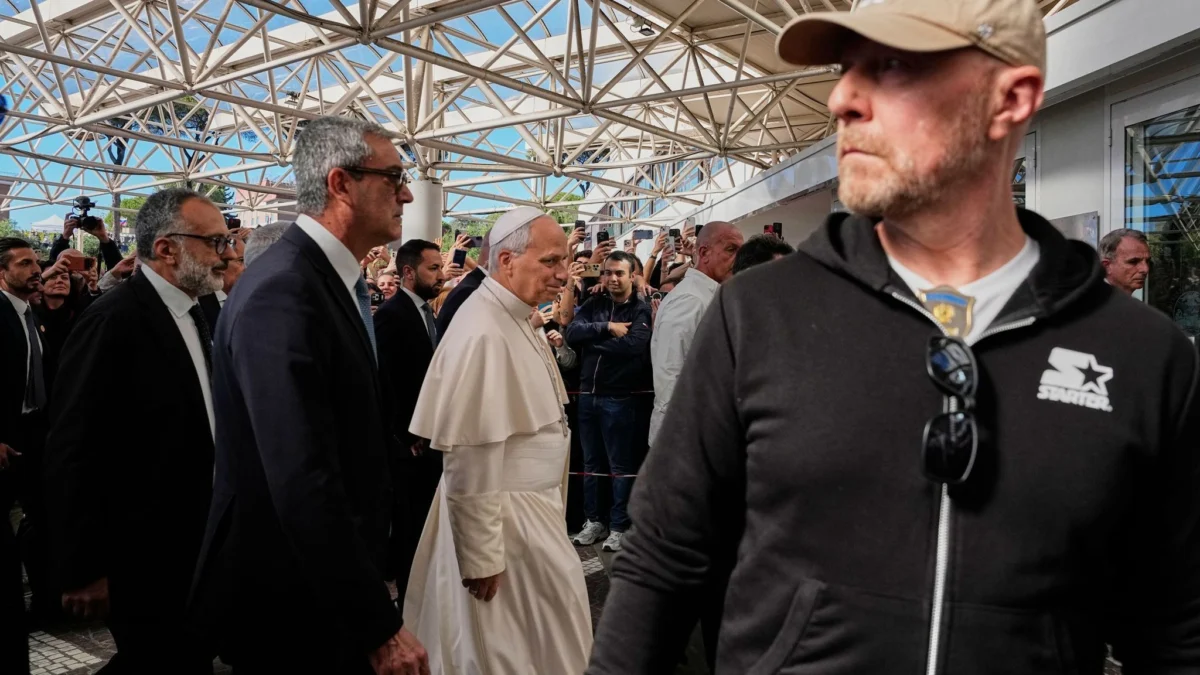
The gravity of a lung cancer diagnosis for a figure of Pope Leo XIV’s age and global stature cannot be overstated. While the Vatican’s statements have been carefully reassuring, emphasizing the early detection and successful initial procedure, the ongoing nature of the medical assessments means that the Church and the world remain on tenterhooks, awaiting further updates regarding the extent of the disease. The cancellation of all papal audiences and general engagements for the coming week signifies a necessary period of rest and recovery, but also highlights the temporary disruption to the demanding schedule of the Supreme Pontiff. The image released alongside the initial reports, an archive photograph of Pope Leo XIV, served as a poignant reminder of his public presence and the sudden, private battle he now faces.
Chronology of Events: From Discovery to Surgery and Recovery
The unfolding of Pope Leo XIV’s health crisis has been marked by a blend of candour and carefully managed information, beginning with the Pontiff’s own surprising announcement.
Sunday, October 11, 2026: The Angelus Revelation
The first hint of the Pope’s health concerns came on Sunday morning. After delivering his weekly Angelus prayer and blessing to thousands gathered in St. Peter’s Square and millions watching worldwide, Pope Leo XIV deviated from his prepared remarks. With a tone that was both solemn and reassuring, he revealed that doctors had discovered a "small nodule" in his lung during a routine check-up. He informed the faithful that he would undergo surgery in the coming days at the Gemelli Hospital, expressing confidence that it was an "early stage" condition. This personal disclosure, unusual in its directness, was met with gasps from the crowd and immediate widespread media attention. The Pontiff requested prayers for his recovery, setting a tone of spiritual solidarity for the challenging week ahead.
Monday, October 12 – Tuesday, October 13, 2026: Global Anticipation and Prayer
In the days leading up to the scheduled surgery, a palpable sense of anticipation and concern gripped the Catholic world. Prayers were offered in churches and homes across continents. Vatican officials maintained a measured silence, declining to offer further details beyond the Pope’s initial statement, citing patient confidentiality. This period was characterized by intense media speculation, with medical experts weighing in on the potential implications of a lung nodule and the complexities of pulmonary surgery for an elderly patient. Meanwhile, the Vatican began the logistical preparations for the Pope’s hospitalization, including adjusting his schedule and cancelling public appearances.
Wednesday, October 14, 2026: The Operation and Initial Announcement
In the early hours of Wednesday, Pope Leo XIV was admitted to the Gemelli University Hospital. The surgery commenced shortly thereafter, involving a team of specialists in thoracic surgery and oncology. The procedure, focused on the removal of the identified nodule and a segment of the right lung, concluded successfully after approximately 90 minutes.
Late Wednesday evening, the Holy See Press Office issued an official communiqué confirming the success of the operation. Crucially, the statement also revealed the outcome of the preliminary histological examination: the nodule was indeed malignant, identified as a lung carcinoma. This confirmed the necessity of the surgical intervention. The Vatican further specified that the Pope was recovering well, experiencing no immediate complications from the surgery.
Post-Operative Recovery and Ongoing Evaluation
Following the surgery, Pope Leo XIV was transferred to a specially prepared suite on the tenth floor of the Gemelli Hospital, a floor traditionally reserved for popes during their stays. His recovery is expected to last for about a week within the hospital. During this period, the medical team will closely monitor his condition, manage post-operative pain, and facilitate initial rehabilitation.
Critically, the Vatican communiqué also stated that "further examinations are underway" to ascertain whether the cancer has spread beyond the removed portion of the lung. This ongoing diagnostic process is crucial for determining the subsequent course of treatment, if any, and for establishing a long-term prognosis. All papal audiences, including the weekly general audience, have been suspended until the middle of the following week, allowing the Pontiff an uninterrupted period of rest and recuperation, shielded from the rigours of his demanding office.
Supporting Data and Context: Papal Health, Medical Expertise, and Governance
The health of the Roman Pontiff is a matter of profound interest and, historically, often a subject of intense secrecy. Pope Leo XIV’s decision to personally announce his diagnosis marks a significant departure from past practices, reflecting a more transparent approach to papal health in the modern era.
The Pope’s Hospital: Gemelli University Hospital
The Agostino Gemelli University Hospital in Rome holds a unique and revered place in papal history. Established in 1964, it is the teaching hospital of the Catholic University of the Sacred Heart and has earned the moniker "the Pope’s hospital" due to its long association with the Roman Pontiffs. Pope John Paul II was famously treated there after the 1981 assassination attempt and for numerous other ailments throughout his long pontificate. More recently, Pope Francis has also undergone several procedures at the Gemelli, including colon surgery and a hernia operation. Its proximity to the Vatican, coupled with its reputation for world-class medical expertise, makes it the natural choice for the treatment of the Supreme Pontiff. The hospital is equipped with state-of-the-art facilities and a highly specialized medical staff, capable of handling complex surgical procedures like the one performed on Pope Leo XIV.
Lung Cancer: A Medical Overview
Lung cancer remains one of the leading causes of cancer-related deaths worldwide. However, early detection, as implied by Pope Leo XIV’s statement, significantly improves the prognosis. Modern diagnostic tools, such as CT scans, can detect pulmonary nodules at an early stage, often before symptoms manifest. The surgical removal of a malignant nodule, particularly in an early stage, can be curative. The histological examination, which confirmed the nodule to be a carcinoma, is a critical step in cancer diagnosis, identifying the specific type and characteristics of the cancer cells. The subsequent "further examinations" will likely include PET scans and biopsies to check for metastasis (spread of cancer) to other organs or lymph nodes, which is crucial for staging the cancer and planning any adjuvant therapies like chemotherapy or radiation. While the Pope’s exact age is not publicly detailed in this article, it is understood that such surgeries in older patients require careful pre-operative assessment and post-operative care, given potential co-morbidities.
Historical Precedents of Papal Health
The history of the papacy is replete with instances of popes battling serious illnesses, often in secret. For centuries, the health of the Pontiff was considered a private matter, shrouded in secrecy, partly to maintain an image of invincibility and partly to prevent political instability within the Church. Pope Pius XII, for instance, suffered from various ailments, including stomach ulcers, which were largely concealed from the public.
The trend towards greater transparency began with Pope John Paul II, whose long and public struggle with Parkinson’s disease and other health issues brought papal health into the open. His willingness to appear frail and suffer publicly transformed the perception of the papacy, humanizing the figure of the Pontiff. Pope Benedict XVI also openly discussed his age and declining physical strength, eventually leading to his historic resignation. Pope Leo XIV’s decision to personally inform the world of his cancer diagnosis continues this modern trajectory of openness, fostering a deeper connection between the Pope and the faithful, who can now accompany him in prayer and solidarity during his recovery.
Governance During Papal Incapacitation
During the Pope’s recovery, the day-to-day administration of the Holy See continues. The Vatican Secretary of State, currently Cardinal Pietro Parolin, traditionally manages the routine affairs of the Church. Major decisions and pronouncements, however, are typically reserved for the Pontiff himself. While Pope Leo XIV is incapacitated during his recovery, critical matters requiring his direct approval would likely be deferred or, if urgent, brought to his bedside for his consideration, provided his medical condition allows. The Church has robust administrative structures designed to ensure continuity of governance even in the temporary absence or incapacitation of the Pope, preventing any power vacuum.
Official Responses and Global Reaction
The announcement of Pope Leo XIV’s lung cancer diagnosis and subsequent surgery triggered an immediate and widespread outpouring of concern, prayer, and official good wishes from across the globe, reflecting the Pope’s unique spiritual and moral authority.
Vatican Spokesperson’s Role
The Holy See Press Office, under the direction of its spokesperson, played a crucial role in managing the flow of information. Their communiqués were carefully worded, balancing the need for transparency with respect for the Pope’s privacy and medical confidentiality. The initial statement confirming the successful surgery and the malignancy of the nodule was concise yet informative, providing the essential medical details while also highlighting the Pope’s good condition post-operation. This measured approach aimed to reassure the faithful while acknowledging the seriousness of the situation, preparing the world for potential further updates regarding the long-term prognosis.
German President Steinmeier’s Message
Among the first prominent world leaders to react was German President Frank-Walter Steinmeier. In a statement released to the Catholic News Agency (KNA), President Steinmeier conveyed his heartfelt wishes for a "speedy and complete recovery" to Pope Leo XIV. His message underscored the profound significance of the Pope’s voice "on the current questions and challenges of our time," not just for Catholics but for many people worldwide. This sentiment reflects the Pope’s role as a moral compass and an advocate for peace, justice, and human dignity on the global stage, transcending purely religious boundaries.
German Bishops’ Conference Chairman Wilmer
Joining President Steinmeier, Bishop Georg Bätzing, Chairman of the German Bishops’ Conference, also extended his sincere wishes for the Pope’s recovery. His statement, representative of the collective prayers of the Catholic Church in Germany, emphasized the spiritual solidarity with the Pontiff and the hope for his swift return to full health and his pastoral duties. Such messages from national episcopal conferences are standard in times of papal illness, demonstrating the unity and concern within the universal Church.
International Leaders and Dignitaries
Beyond Germany, messages of support and prayer began to flow in from various international leaders and organizations. The United Nations Secretary-General issued a statement expressing solidarity and wishing Pope Leo XIV a full and swift recovery, recognizing his pivotal role in global peace efforts. Heads of state and government from predominantly Catholic countries, such as Italy, Spain, Poland, and Brazil, immediately conveyed their deepest sympathies and prayers. Leaders from other faiths also joined in, acknowledging the Pope’s stature as a spiritual leader and a champion of interfaith dialogue. The Ecumenical Patriarch Bartholomew, spiritual leader of Orthodox Christians, reportedly sent a personal message, highlighting the bonds of Christian fellowship.
Global Catholic Community and Social Media
The news resonated deeply within the global Catholic community. Social media platforms quickly became saturated with messages of prayer, support, and well-wishes under hashtags like #PrayForPopeLeo and #PopeLeoXIV. Dioceses and parishes worldwide organized special prayer intentions during Masses and adoration services. Vigils were held in various locations, with the faithful gathering to offer collective prayers for their spiritual shepherd. This outpouring of devotion underscored the profound personal connection many Catholics feel towards the Pope, viewing him not just as an institutional leader but as a spiritual father figure. The sight of a frail Pontiff battling illness often galvanizes the faithful, prompting intensified prayer and reflection.
Media Scrutiny
The global media responded with intense scrutiny, dispatching reporters and camera crews to the Gemelli Hospital. News channels and websites provided continuous updates, analyzing the Vatican statements and offering expert medical opinions. The Pope’s health is always a top story, given his unique position, and this particular crisis commanded front-page headlines and prime-time coverage across continents, reflecting the worldwide impact of papal health on both religious and secular spheres.
Implications and Future Outlook: A Pontificate’s Path Forward
The successful surgery for Pope Leo XIV, while a significant positive step, opens a new chapter in his pontificate, one that will undoubtedly be shaped by his ongoing health journey. The implications extend from his personal well-being to the operational dynamics of the Vatican and the spiritual life of the global Catholic Church.
Impact on Pope Leo XIV’s Pontificate
Pope Leo XIV’s pontificate has been characterized by a dynamic and often hands-on approach to leadership. A period of recovery and potentially ongoing medical treatment could necessitate adjustments to his demanding schedule. While the Vatican has confirmed a week of recovery in the hospital, and cancelled audiences until mid-next week, the long-term implications are still being assessed. Travel, a hallmark of many modern pontificates, may need to be curtailed or re-evaluated. His physical stamina for lengthy ceremonies, international trips, and numerous daily meetings will be a key factor in how he manages his duties moving forward. However, history has shown that popes can continue to lead effectively even with significant health challenges, adapting their methods to their physical capacities. His resilience and determination will be crucial in navigating this period.
For the Vatican and the Catholic Church
The immediate implication for the Vatican is a temporary slowdown in the pace of its operations directly dependent on the Pope’s active presence. While the Curia continues its administrative functions, major decisions, the drafting of encyclicals, and the planning of significant synodal events might experience slight delays. This period also serves as a reminder of the inherent vulnerability of the Church’s leadership structure, centered on one individual. It implicitly brings to mind the mechanisms of succession, though this particular health scare is not, at this stage, being framed in such existential terms. Instead, it fosters a period of internal solidarity and renewed prayer within the Roman Curia.
Theological and Spiritual Dimensions
For the faithful, a suffering Pope carries profound spiritual significance. Pope Leo XIV, through his public announcement, has offered himself as a human figure facing a common ailment, inviting empathy and prayer. His illness can be seen through a theological lens, echoing the suffering Christ and serving as a reminder of human fragility and the need for spiritual resilience. It reinforces the Church’s teaching on the power of prayer and communal support in times of trial. Many will draw spiritual strength from witnessing their leader’s personal battle, transforming a medical event into a moment of collective spiritual reflection and renewed devotion.
Transparency vs. Secrecy: An Evolving Papal Standard
Pope Leo XIV’s candidness about his health continues a trend of increased transparency in papal health matters, which began with Pope John Paul II. This openness builds trust with the faithful and the public, allowing for a more authentic relationship between the Pope and the world. It also contrasts sharply with historical periods where papal illnesses were often guarded secrets. This modern approach, while potentially exposing the Pontiff to more scrutiny, ultimately fosters a sense of shared humanity and vulnerability, making the Pope more relatable to ordinary people facing their own health struggles.
Long-term Recovery and Monitoring
The "further examinations" mentioned by the Vatican are critical. These will determine the stage of the cancer and whether any microscopic spread has occurred, which would necessitate additional treatments such as chemotherapy or radiation therapy. Regardless of the findings, Pope Leo XIV will likely face a regimen of regular follow-up scans and medical check-ups to monitor for any recurrence. His lifestyle may need to be adjusted, potentially including dietary changes and a more disciplined rest schedule. The medical team will provide comprehensive support for his recovery, focusing not just on the immediate post-operative period but on his long-term health and well-being.
Potential Impact on Major Events
Looking ahead, the Pope’s health could influence the timing or nature of significant upcoming events. For instance, if a major synod or an important international apostolic journey were on the horizon, these might be re-evaluated. The publication of significant papal documents, such as encyclicals or apostolic exhortations, could also be affected by his recovery schedule. However, the Church’s institutional memory and its ability to adapt are vast. The Holy Father’s intellectual and spiritual leadership can continue through written works and virtual engagements, even if physical presence is temporarily limited.
In conclusion, while the immediate prognosis for Pope Leo XIV is cautiously optimistic following successful surgery, his journey of recovery is just beginning. The coming weeks and months will reveal the full extent of his health challenge and how this period will shape his remaining pontificate. The world watches, prays, and hopes for the full and swift recovery of a leader whose voice and presence resonate far beyond the walls of the Vatican.