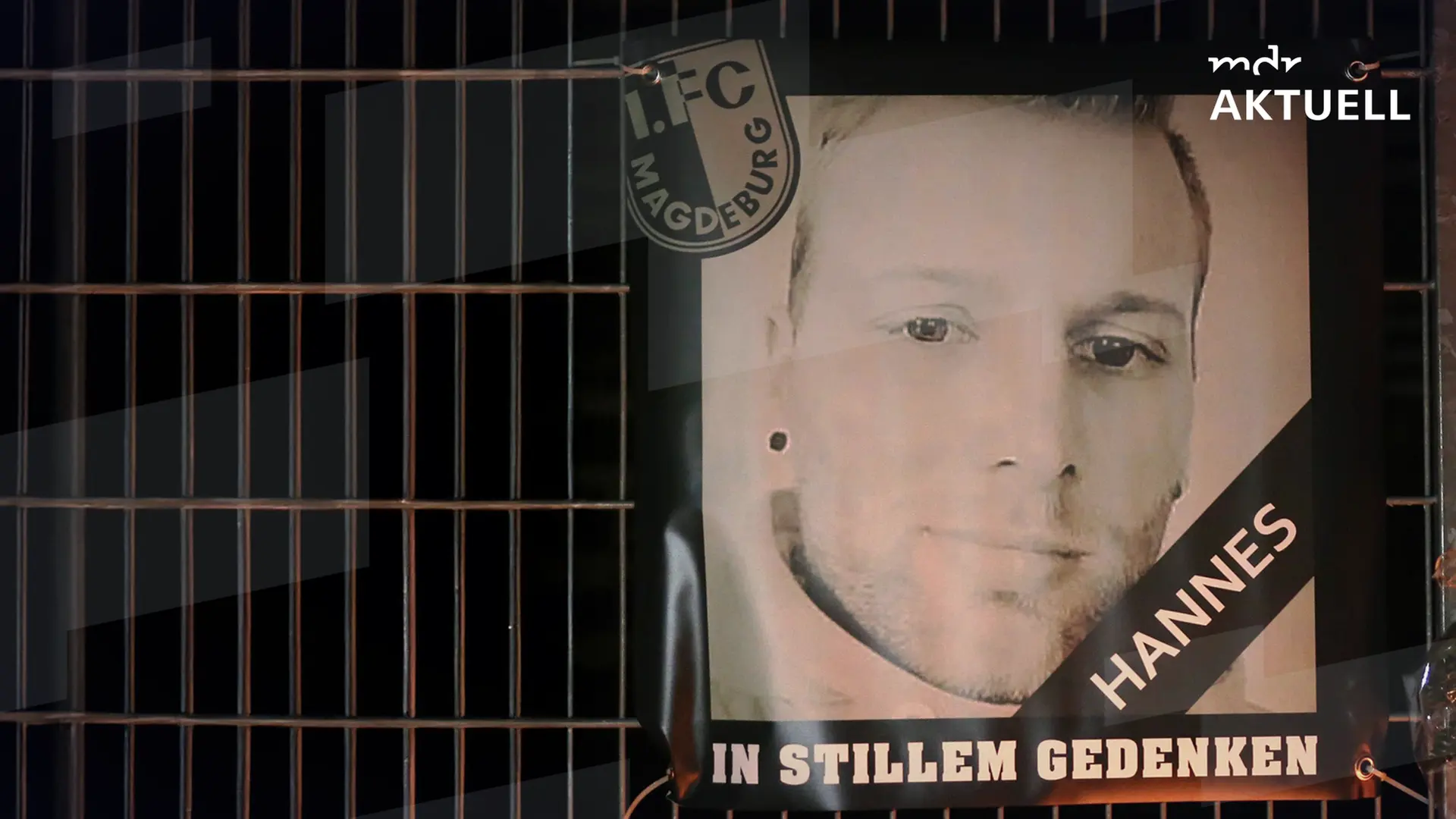
Ten years after the tragic death of 1. FC Magdeburg (FCM) fan Hannes Schindler, the shadow of doubt that has loomed over the case is being cast into the light once more. The public prosecutor’s office has officially reopened the investigation, now focusing on the grave suspicion of a deliberate act of homicide. This significant development comes as a result of a combination of renewed investigative vigor, persistent journalistic inquiry, and new leads brought to the surface by the investigative podcast series "Der Zug" (The Train).
The case, which shocked the German football community in 2016, has long been a source of pain and unanswered questions for the victim’s family and the fan base. For years, the official narrative was one of tragic accident, but the persistence of those seeking justice has now forced a re-examination of the facts.
1. The Core Facts: A Journey That Ended in Tragedy
In October 2016, Hannes Schindler, a 25-year-old dedicated supporter of the 1. FC Magdeburg, boarded a regional train. It was meant to be a routine trip, typical of the life of a football ultra—traveling to support his club. However, the train was not exclusively occupied by FCM fans; it also carried supporters of the Hallescher FC (HFC). The rivalry between the two fan groups is historically intense, rooted in regional pride and long-standing tensions within the German third-tier football scene.
During the journey, the proximity of these two opposing groups proved fatal. A physical altercation broke out, spiraling into a confrontation that moved through the train carriages. In the chaos of the struggle, Hannes Schindler fell from the moving train. He suffered catastrophic, life-threatening injuries and, despite the desperate efforts of medical responders, passed away shortly thereafter.
The initial investigation conducted in 2017 was ultimately closed. Authorities at the time cited a lack of evidence to prove "third-party culpability," effectively categorizing the death as a tragic, accidental fall during a scuffle. For the next several years, the case remained in a state of cold storage, leaving the family without closure and the public with lingering doubts about how a young man could fall from a train during a violent dispute without someone being held accountable.
2. Chronology of Events and the Catalyst for Change
The Night of the Incident
The incident occurred on a regional rail line in Saxony-Anhalt. The confrontation was not merely a verbal argument but a violent clash. Reports from that night described a chaotic scene, with fans moving between carriages and escalating hostility.

The 2017 Closure
In 2017, the investigation was halted. Prosecutors concluded that while there was a fight, it could not be legally established that any specific individual had pushed Hannes or that his fall was the direct result of a criminal act committed by another person. The case was effectively treated as a tragic outcome of a fan riot, but legally insufficient to warrant a manslaughter or murder conviction.
The Role of Investigative Journalism
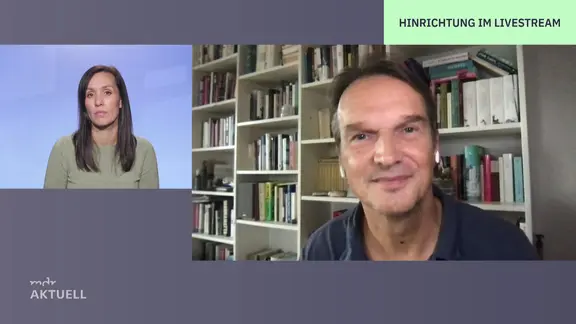
The catalyst for the current reopening is not an isolated piece of new physical evidence found by police, but rather a "compilation of pressure." The podcast Der Zug meticulously reconstructed the timeline, interviewed witnesses who had previously remained silent, and highlighted discrepancies in the original police statements. By keeping the case in the public eye, these journalists provided a roadmap that allowed investigators to see the event through a new lens.
2024: The Reopening
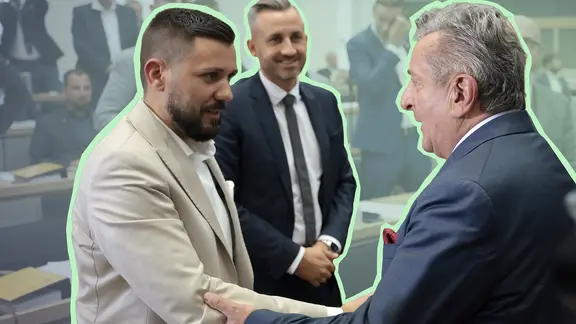
Under the weight of new testimonials and a fresh review of existing materials, the public prosecutor’s office in Saxony-Anhalt confirmed they are treating the death as a potential homicide. This is a critical legal shift; it changes the focus from "what happened" to "who is responsible for ending a life."
3. Supporting Data and Investigative Challenges
Investigating crimes committed in the context of football hooliganism is notoriously difficult. The "wall of silence" often erected by fan groups, combined with the inherently chaotic nature of train altercations, creates a vacuum of reliable evidence.
- Witness Reliability: A decade later, memories have faded, but the "code of silence" among rival groups may also have weakened. The current investigation is relying on individuals who, for personal or moral reasons, are now willing to speak.
- Forensic Re-evaluation: Advances in digital forensics and the ability to analyze video footage—often captured by mobile phones of bystanders—have allowed experts to slow down and scrutinize movements that were perhaps overlooked in 2016.
- The "Context of Violence": Legal experts point out that for a homicide charge, prosecutors must prove intent. This is the crux of the investigation: Did the perpetrators intend to cause a fall that could lead to death, or was it a reckless act during a brawl? The distinction is the difference between a manslaughter conviction and a murder trial.
4. Official Responses and the Call for Justice
The Saxony-Anhalt police have taken an unusually public approach to this phase of the investigation. They are not only conducting formal interrogations but are actively soliciting help from the public.
"We are looking for more than just eye-witnesses to the event itself," a police spokesperson stated. "We are looking for information on what was said in the weeks and months after the incident. Often, boastful comments or private confessions within fan circles provide the missing links we need."

The police have established a dedicated hotline: 0391 / 546 1010. Additionally, they have launched an online portal for anonymous tips, acknowledging that many potential witnesses may fear retaliation from within the fan scene.
For the family of Hannes Schindler, this reopening is a bittersweet milestone. While it brings the pain of the past to the surface, it represents the first real hope for justice in ten years. They have maintained a dignified but persistent presence, advocating for the truth and ensuring that Hannes is not remembered merely as a statistic of "fan violence," but as a person whose life was cut short by the actions of others.

5. Societal Implications and the Future of Fan Culture
The death of Hannes Schindler is more than a criminal case; it is a mirror reflecting the darker side of German fan culture. The "Ultra" movement, while providing vibrancy, atmosphere, and community to German football, has historically struggled with pockets of extreme violence and an insular mentality that resists cooperation with state authorities.
A Turning Point for Accountability
If this investigation leads to a successful prosecution, it will send a seismic shock through the German football landscape. It would signal that the statute of limitations—in a moral, if not legal, sense—does not apply to violence, and that the "football bubble" is not an area where the law is suspended.
The Role of the Clubs
- FC Magdeburg and the Hallescher FC have both been placed in a difficult position. While neither club can be held responsible for the actions of individuals, they face mounting pressure to foster environments where such violence is unequivocally condemned. The industry is watching to see if the clubs will cooperate fully with the authorities, potentially alienating parts of their own fan base to ensure justice is served.
A Lesson for Rail Security
The case has also prompted broader discussions regarding the security of German regional trains during football match days. The lack of surveillance and the inability of train personnel to intervene in large-scale brawls have been highlighted as systemic failures. Since 2016, there have been calls for increased police presence on "high-risk" rail routes, though resource constraints remain a significant hurdle.
Conclusion
The pursuit of truth is often a marathon, not a sprint. The ten-year gap between the tragedy and this renewed investigation serves as a reminder that the echoes of violence do not simply fade away. As investigators pour over new leads, the hope is that the silence of the past decade will be broken by the testimony of those who know what happened on that train.

For Hannes Schindler, justice may be long overdue, but it is finally being pursued with the seriousness that his life deserves. The investigation is a stark reminder to all involved—from the perpetrators who may have thought they got away with it, to the witnesses who held their tongues—that in the eyes of the law, the truth has no expiration date.
The public is encouraged to come forward. Every piece of information, no matter how seemingly insignificant, could be the key that finally closes the file on the tragic death of a young man whose only crime was being in the wrong place at the wrong time. As the investigation continues, the focus remains clear: bringing closure to a family, accountability to the perpetrators, and perhaps, a small measure of peace to a community still mourning a life stolen in the dark of a moving train.