As the UEFA Champions League enters its second matchday, two of Germany’s football titans—FC Bayern Munich and Borussia Dortmund—find themselves facing an opponent far more unpredictable than any tactical formation: the ground beneath their feet. With upcoming fixtures against Viking Stavanger and Bodø/Glimt, the narrative of these matches has shifted from traditional scouting reports to the physics of synthetic surfaces.
In Norway, where the harsh northern climate renders the maintenance of high-quality natural grass a near-impossible task, artificial turf has become the standard. For the visiting Bundesliga giants, however, this transition represents more than just a change in venue; it is a fundamental disruption to the rhythm, speed, and mechanics of elite-level football.
The Main Facts: A Clash of Surfaces
The Champions League is traditionally a contest of tactical pedigree, star power, and technical precision. Yet, in the sub-Arctic conditions of Bodø and the coastal climate of Stavanger, these variables are filtered through the lens of artificial turf.
While the elite clubs of Europe are accustomed to manicured, lush natural grass, the Norwegian sides have mastered the quirks of plastic blades and rubber infill. For Bayern Munich, fresh off a dominant 5-0 victory over Bodø/Glimt in the opener, the trip to Stavanger presents a different challenge. Viking, despite a 1-3 loss to VfB Stuttgart in their first game, remains a formidable opponent when playing on their home synthetic turf. Meanwhile, Borussia Dortmund heads to Bodø, a side that famously held them to a 2-2 draw in the previous season and has built a fortress of synthetic fibers that has frustrated some of Europe’s biggest names.
Chronology: A History of Surface-Induced Upset
The history of European football is littered with teams who underestimated the "turf effect." One of the most glaring examples occurred in the 2021/22 Conference League, when Jose Mourinho’s AS Roma faced Bodø/Glimt.
After a humbling 2-1 defeat in Norway, Mourinho famously remarked that playing on such surfaces is not merely a tactical challenge—it is a different sport entirely. While Roma eventually triumphed in the home leg and went on to win the trophy, the initial shock was undeniable.
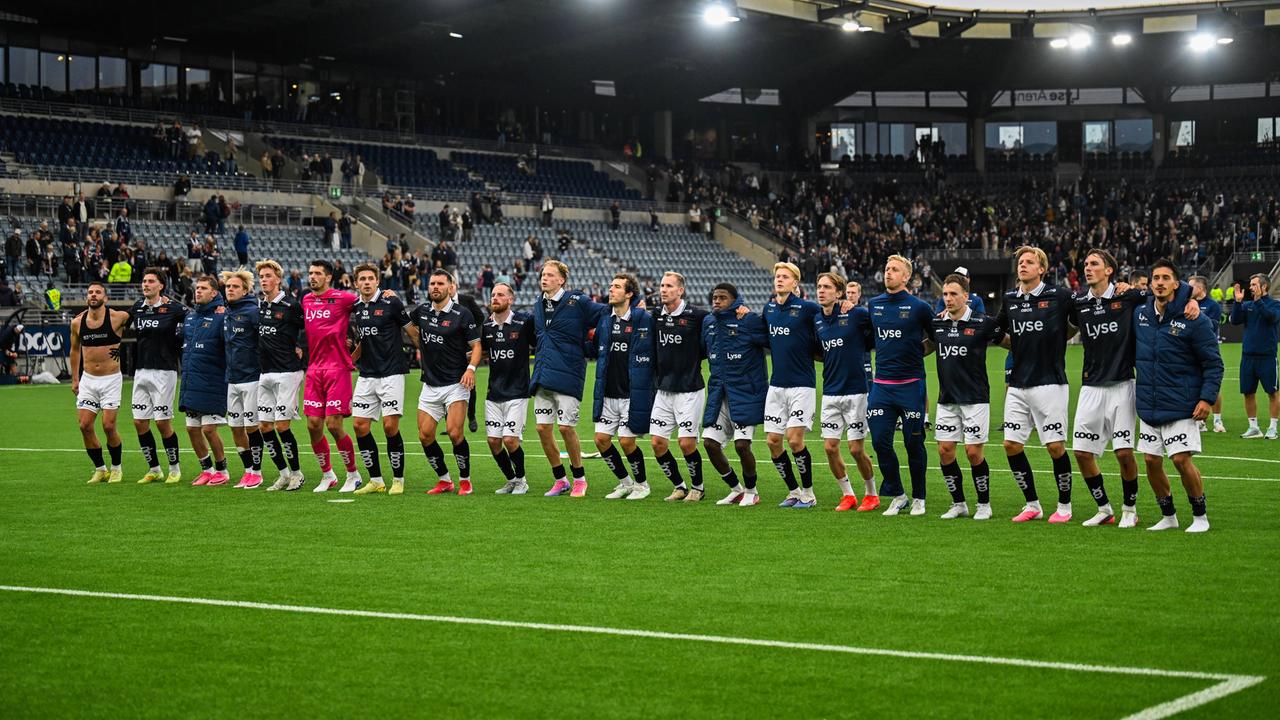
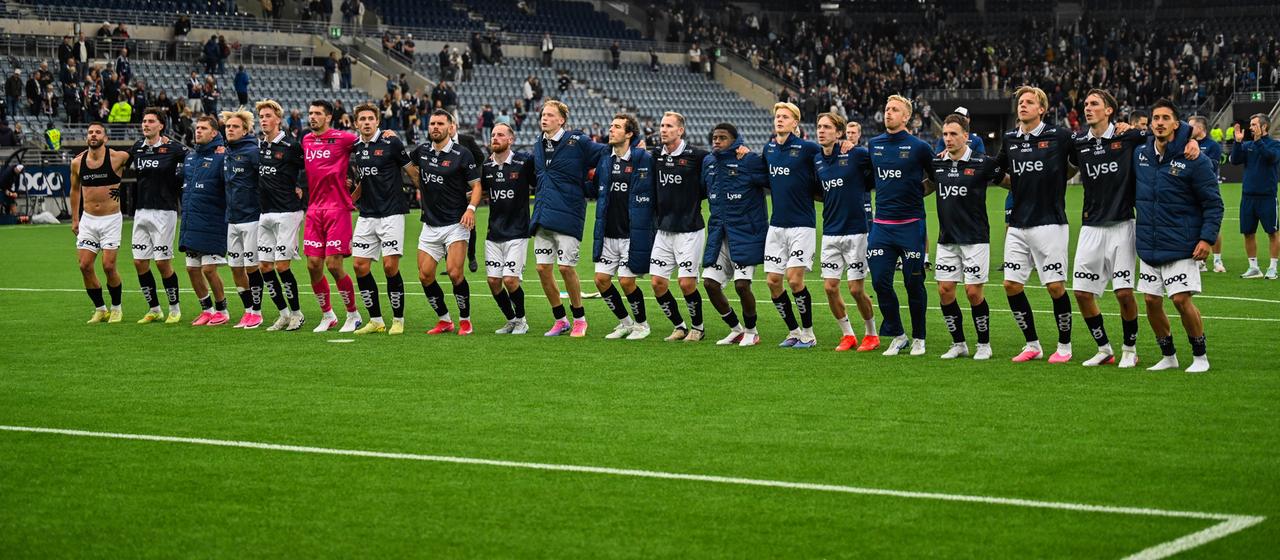
This is not a one-off anomaly. Bodø/Glimt has cultivated a reputation as "giant killers" on their home turf. Over the past few seasons, they have secured home victories against European heavyweights including Inter Milan, Sporting Lisbon, and even Pep Guardiola’s Manchester City. Their track record in European competition shows a stark trend: they perform significantly better at their compact, sub-8,000-seat home stadium, where the ball behaves with a speed and predictability that leaves visitors scrambling to adjust.
Supporting Data: The Physics of the Pitch
To understand why players like Joshua Kimmich and coaches like Vincent Kompany are wary, one must look at the mechanics of the game. On natural grass, the surface reacts to moisture, humidity, and the wear of the match. A pass played with a certain "weight" on natural turf will travel differently depending on the blade length and soil density.
On artificial turf, these variables are standardized but alien to the typical Bundesliga player. The ball bounces higher and moves faster across the synthetic fibers. The "friction coefficient"—a fancy way of describing how the ball interacts with the ground—is vastly different. Players must adjust their first touch, their sliding tackles, and their long-range passing accuracy in a matter of minutes.
Former Schalke 04 professional and current expert Simon Cziommer, who played extensively on synthetic surfaces in the Netherlands, confirms this analysis. "I agree with Mourinho. It is a different sport," Cziommer states. He notes that the lack of preparation time is a significant factor. "While a single training session allows players to get a ‘feel’ for the pitch, it is insufficient to truly master the surface. To play at the highest level, you would ideally need a full week of training on turf to adapt your body and your touch."
Official Responses and Tactical Adjustments
The response from the German camps has been one of cautious pragmatism. Bayern Munich manager Vincent Kompany, who remarkably never played on artificial turf in his 20-year career, acknowledged the novelty of the challenge. "I have never played on it," he noted, expressing a sense of professional curiosity.
Both Bayern and Dortmund have opted not to simulate the conditions at their home training facilities, likely due to the risk of injury and the difficulty of replicating the specific brand and age of the turf used in Norway. Instead, both teams have committed to utilizing the mandated "familiarization sessions" at the stadiums on the eve of their matches. The primary objective for these sessions is not tactical drill-work, but rather shoe selection—determining which stud configuration offers the best balance between grip and agility without risking joint strain.
Implications: The Debate Over Competitive Integrity
The prevalence of artificial turf in European competition has sparked a growing debate regarding competitive integrity. Critics, including Cziommer, argue that allowing elite matches to be played on surfaces that differ so drastically from the standard creates an artificial advantage for the host nation.
"It is an absurdity that teams are permitted to play at this level on artificial turf," Cziommer argues. "It borders on competitive distortion."
From the perspective of the Norwegian clubs, however, the turf is a necessity of geography. To mandate natural grass in the Arctic Circle would be to exclude these clubs from European competition entirely. It is a fundamental conflict between the inclusivity of UEFA’s continental structure and the need for a standardized playing environment.
The Road Ahead
As the whistle blows in Stavanger and Bodø this week, the focus will be on whether the technical superiority of the German clubs can overcome the physical and environmental adaptation required by the pitch. If Bayern and Dortmund stumble, the conversation about synthetic surfaces will likely reach a fever pitch.
Ultimately, the match becomes a test of adaptability. Can a world-class team, accustomed to the finest green carpets of the Allianz Arena or Signal Iduna Park, adjust their biomechanics to handle the bounce and speed of synthetic plastic? If history is any indicator, the answer is far from certain. In the high-stakes theater of the Champions League, sometimes the greatest opponent isn’t the eleven players standing across from you, but the very ground you stand on.
Whether this represents "another sport" or simply an evolution of the game, one thing is clear: when the ball rolls out onto the turf this week, it will move faster than expected, and the tactical blueprints of the Bundesliga’s best will be put to their most unconventional test of the season.