London, UK – October 12, 2026 – In a significant and potentially destabilizing revelation, British Prime Minister Andy Burnham has publicly accused the Russian government of actively interfering in the United Kingdom’s 2016 referendum on European Union membership. The accusation, made in a recent podcast interview, marks the first time a serving British premier has directly implicated Moscow in the pivotal vote that led to Brexit. Burnham’s stark warning extends beyond the UK’s shores, asserting that Russia is engaged in a concerted effort to undermine democratic processes across Europe, specifically naming Germany and France as current targets.
The Weight of Accusation: A Decade Later
Speaking on the popular podcast "The Rest is Politics," Prime Minister Burnham revealed that upon assuming office in July, he initiated inquiries into potential Russian influence on the 2016 referendum. The response, he stated, was unequivocal: "Yes, there was interference." While the Prime Minister stopped short of detailing the specific methods employed by Russia or the precise intelligence upon which his assertion is based, his statement carries immense weight. The accusation, leveled a full decade after the historic vote, reignites contentious debates surrounding the legitimacy of the referendum’s outcome and raises profound questions about the integrity of democratic elections in the face of foreign interference.
Russia has consistently denied any involvement in the Brexit referendum and has previously rebuffed similar allegations of interfering in Western elections. However, Prime Minister Burnham’s direct accusation, coming from the highest office in the United Kingdom, is unlikely to be easily dismissed and is expected to provoke a strong reaction from the Kremlin. The long-term implications of such an accusation, particularly concerning international relations and future electoral security, are far-reaching.
A Pattern of Interference: Beyond the British Isles
Prime Minister Burnham’s concerns are not confined to the UK’s past. He issued a grave warning to other European nations, asserting that citizens are insufficiently aware of the extent to which foreign actors are attempting to disrupt their political landscapes. "Voters in Germany and France, in particular, must understand that certain political developments are being instigated by hostile states like Russia," Burnham stated, underscoring a perceived pattern of Russian destabilization efforts across the continent.
He drew a direct parallel between alleged Russian interference and the subsequent decade of political and economic turmoil experienced by the United Kingdom following its withdrawal from the EU. "Britain has experienced a decade of stagnation and division since the Brexit vote," he remarked, painting a somber picture of the nation’s post-Brexit trajectory. "The country is more divided today than it was before." This connection suggests a belief within the British government that foreign interference not only impacts electoral outcomes but also has a corrosive effect on national unity and long-term prosperity.
Focus on Germany: Allegations of Russian Ties to the AfD
During his visit to Berlin last week, Prime Minister Burnham reportedly discussed potential links between Russia and Germany’s right-wing populist party, the Alternative for Germany (AfD), with Chancellor Friedrich Merz. According to Burnham, Chancellor Merz confirmed that the AfD has clear connections to Russia and, to the Chancellor’s knowledge, receives financial support from Moscow. While Burnham did not present independent evidence to corroborate the claim of financial backing, the statement from the British Prime Minister, referencing a conversation with the German Chancellor, is likely to intensify scrutiny of the AfD’s international affiliations.
This alleged connection to the AfD further fuels concerns about Russian disinformation campaigns infiltrating German politics. Burnham emphasized the need for Britain to support Germany in confronting this threat, highlighting a shared vulnerability to Russian influence operations. The interconnectedness of these alleged interferences suggests a sophisticated and multi-pronged approach by Russia to weaken European cohesion and democratic institutions.
Historical Context: Unexamined Allegations and Shifting Narratives
Allegations of Russian interference in the Brexit referendum are not new. As far back as 2020, a parliamentary committee in the UK concluded that the then-government had failed to adequately investigate potential Russian attempts to influence the vote. The committee’s report pointed to concerns surrounding Russian state-controlled media and social media activities.
However, the prevailing narrative from the British government at the time, notably from then-Prime Minister Boris Johnson, was that there was no evidence of Russian interference. Furthermore, a junior minister at the Foreign Office recently reiterated that while Russian attempts at influence were made, they were ultimately unsuccessful. Prime Minister Burnham’s current assertion directly challenges these previous official statements, suggesting a significant shift in the government’s stance and a potential re-evaluation of past intelligence. This evolution in official acknowledgment could have profound implications for how the UK and its allies approach the issue of foreign electoral interference moving forward.
The Economic Fallout: A Decade of Stagnation and the Question of Return
The 2016 referendum saw 52% of British voters opt to leave the European Union, a decision that was formally enacted in 2020. The economic consequences of this decision have been a subject of intense debate. Prime Minister Burnham, a prominent figure in the Labour Party, has been increasingly vocal about the detrimental impact of Brexit on the UK’s economic performance. He has recently broached the idea of a potential return to the EU, arguing that Brexit has inflicted more harm than good and contributed to a decade of sluggish economic growth.
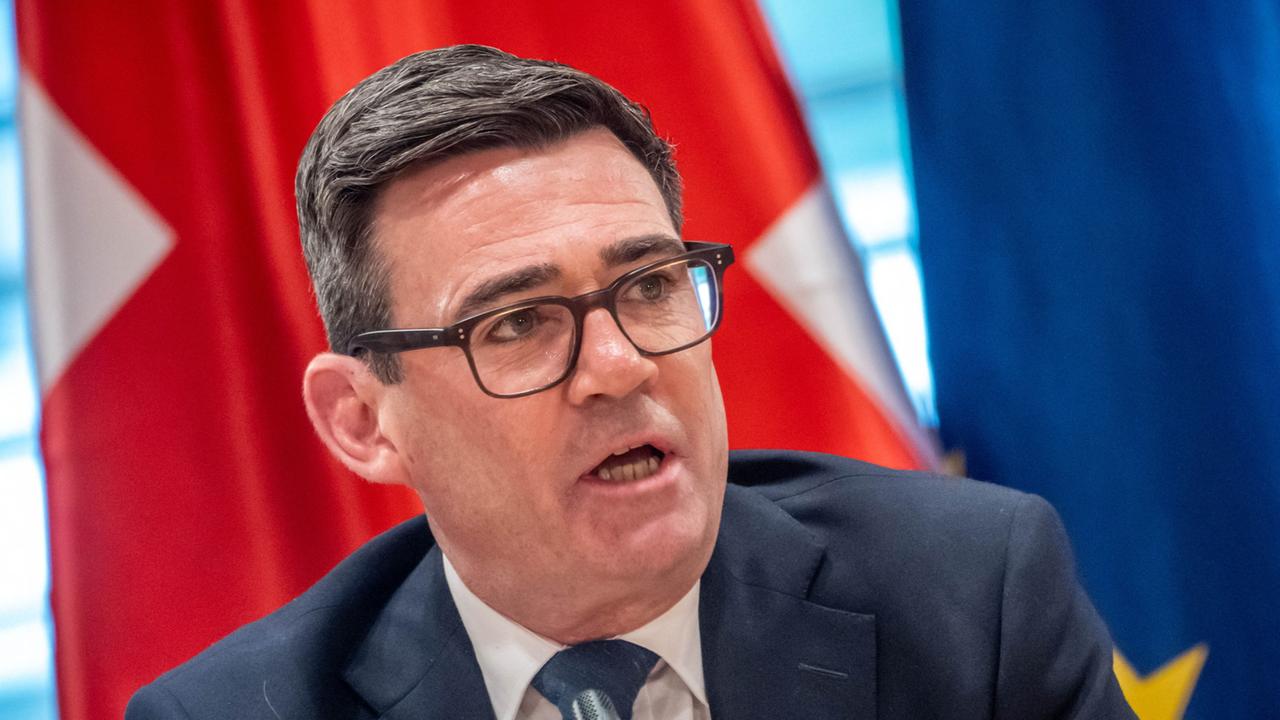
"Brexit has done this country more harm than good," Burnham stated, linking the decision directly to a decade of weak economic growth. This sentiment reflects a growing segment of public opinion that questions the long-term viability and benefits of the post-Brexit economic model. The discussion around rejoining the EU, once considered politically unthinkable, is now being openly debated by senior political figures, signaling a potential reassessment of the nation’s strategic direction.
Supporting Data and Expert Analysis: Unpacking the Nature of Interference
While Prime Minister Burnham provided limited specifics regarding the nature of the alleged Russian interference in the Brexit referendum, intelligence agencies and independent researchers have previously outlined various potential avenues through which foreign powers can exert influence. These often include:
- Disinformation and Propaganda: The dissemination of false or misleading information through social media, state-sponsored media outlets, and online forums designed to sow discord, manipulate public opinion, and erode trust in democratic institutions. This can involve creating fake accounts, amplifying divisive content, and targeting specific demographics with tailored narratives.
- Cyberattacks and Hacking: The exploitation of digital vulnerabilities to access sensitive information, disrupt electoral processes, or influence the public discourse through leaked documents or manipulated communications.
- Financial Support and Influence Operations: The covert funding of political campaigns, think tanks, or advocacy groups to promote specific agendas or candidates. This can also involve cultivating relationships with influential individuals or organizations.
- Exploitation of Social Divisions: Identifying and exacerbating existing societal fault lines, such as those related to immigration, economic inequality, or cultural identity, to deepen polarization and undermine social cohesion.
Independent analyses from organizations like the Royal United Services Institute (RUSI) and various academic institutions have consistently highlighted the sophisticated and evolving nature of hybrid warfare, which encompasses these various forms of interference. The lack of transparency surrounding the specific intelligence cited by Prime Minister Burnham underscores the inherent challenges in definitively attributing such activities and proving their impact on electoral outcomes. However, the consistent pattern of alleged interference across multiple democratic nations suggests a deliberate and sustained effort by Russia to destabilize Western democracies.
Official Responses: Awaiting Moscow’s Reaction and European Solidarity
As of the publication of this article, there has been no official statement from the Russian government in response to Prime Minister Burnham’s accusations. Given past precedent, a swift and forceful denial is anticipated, likely accusing the UK of attempting to deflect from its own domestic issues.
In Germany, while Chancellor Merz’s alleged comments to Burnham have not been publicly confirmed or denied by his office, the German government has previously expressed concerns about Russian interference and disinformation. The revelations are likely to prompt further internal discussions and potentially a more unified European response to counter such threats. The European Union, as a bloc, has been increasingly vocal in its concerns about Russian interference in member states’ democratic processes. Prime Minister Burnham’s direct engagement with German leadership suggests an effort to foster greater transatlantic and intra-European cooperation in intelligence sharing and coordinated countermeasures.
Broader Implications: The Future of Democracy in an Age of Information Warfare
Prime Minister Burnham’s revelations have significant implications for the future of democratic governance. The direct accusation of foreign interference in a pivotal referendum, coupled with warnings of ongoing efforts across Europe, highlights the persistent and evolving threat posed by state-sponsored disinformation and destabilization campaigns.
The admission that past governments may not have sufficiently investigated such allegations raises questions about accountability and the need for more robust and transparent mechanisms to identify and counter foreign interference. The economic and social consequences of the Brexit vote, which Burnham links to this interference, underscore the real-world impact of these covert operations.
The ongoing debate about the UK’s potential return to the EU, fueled by economic concerns and the perceived failures of Brexit, is now further complicated by the shadow of foreign interference. If Russia’s alleged actions indeed contributed to the divisive outcome of the referendum, it adds another layer of complexity to discussions about national sovereignty and the desirability of re-engagement with European integration.
Ultimately, Prime Minister Burnham’s statements serve as a stark reminder that the integrity of democratic processes is under constant threat. The challenge for governments across Europe, and indeed globally, is to develop effective strategies to safeguard their elections, educate their citizens about the risks of disinformation, and foster a united front against those who seek to undermine the foundations of democracy. The coming weeks and months will undoubtedly see further analysis of these claims and increased pressure for transparency and decisive action from both domestic and international actors.