In a move that has stunned the PC gaming community and tech enthusiasts alike, 4A Games has rolled out an unannounced, high-profile technical update for its seminal titles Metro 2033 Redux and Metro: Last Light Redux. While the October 22, 2026, "Next-Gen" patch was originally communicated as a collection of standard graphical enhancements, high-resolution texture packs, and general optimizations, eagle-eyed users discovered a hidden powerhouse feature: native support for Nvidia’s DLSS 5 Neural Rendering.
This stealth implementation marks a significant milestone for the Metro franchise, effectively bridging the gap between a decade-old classic and the cutting-edge frontier of AI-driven graphics technology. By bypassing traditional marketing cycles and direct announcements, 4A Games has turned a routine maintenance patch into a benchmark for modern upscaling implementation.
The Evolution of the Metro Redux Series
To understand the significance of this update, one must look at the longevity of the Metro series. Metro 2033, originally released in 2010, was a technical marvel of its time, pushing the limits of the 4A Engine with its oppressive lighting and dense, claustrophobic atmosphere. The Redux versions, which arrived in 2014, brought both titles closer to the visual fidelity of Metro: Last Light.
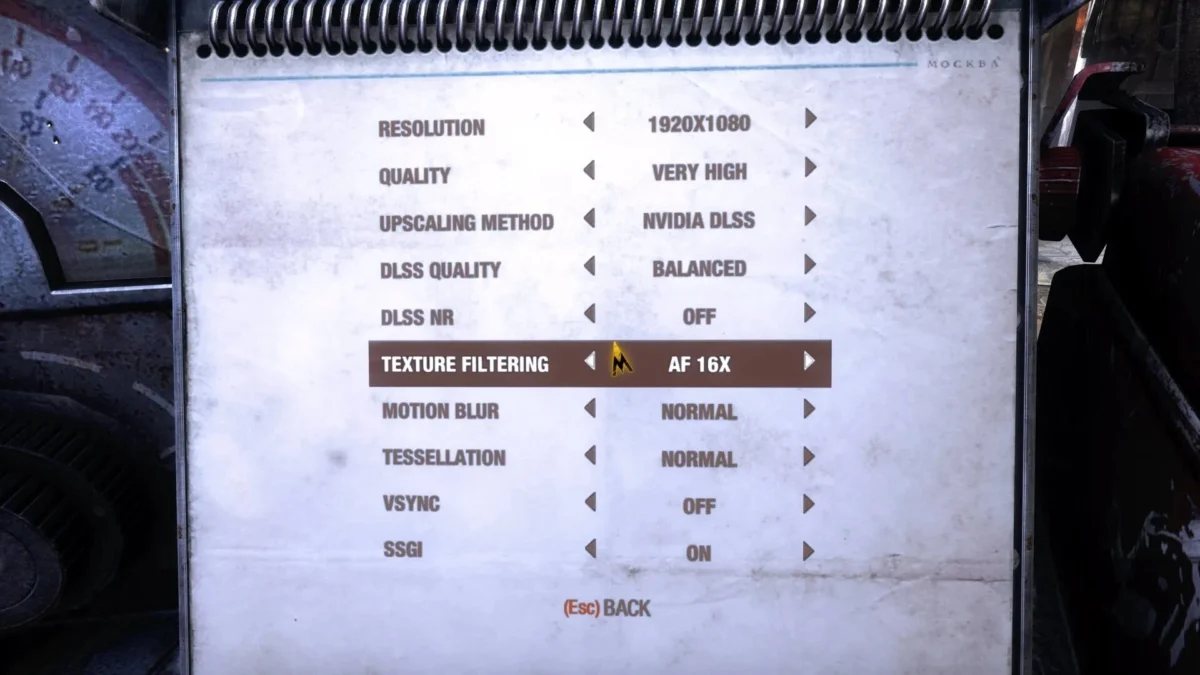
For over a decade, these games have remained staples in the libraries of PC enthusiasts, often used as testing grounds for new hardware. The recent "Next-Gen" update was intended to celebrate the milestone of 50 million total Metro franchise sales. While the patch notes emphasized texture overhauls and post-processing improvements, the discovery by X user Renan Maniero revealed that the engine had been surreptitiously updated to support "DLSS-NR" (Neural Rendering). This addition elevates the games from simple visual touch-ups to platforms for Nvidia’s most advanced upscaling architecture to date.

Chronology: A Stealth Launch
The timeline of this release is as unconventional as the feature itself.
- October 21, 2026: Leading up to the release, 4A Games and Nvidia provided standard press briefings, highlighting improved texture quality and improved frame stability across the PC platforms. No mention of DLSS 5 was made in any official documentation.
- October 22, 2026: The patch went live across Steam, the Epic Games Store, and GOG. Within hours, users began reporting a new menu option in the graphical settings labeled "DLSS-NR."
- October 23, 2026: Community analysis confirmed that the implementation is not a placeholder but a functional integration of DLSS 5.
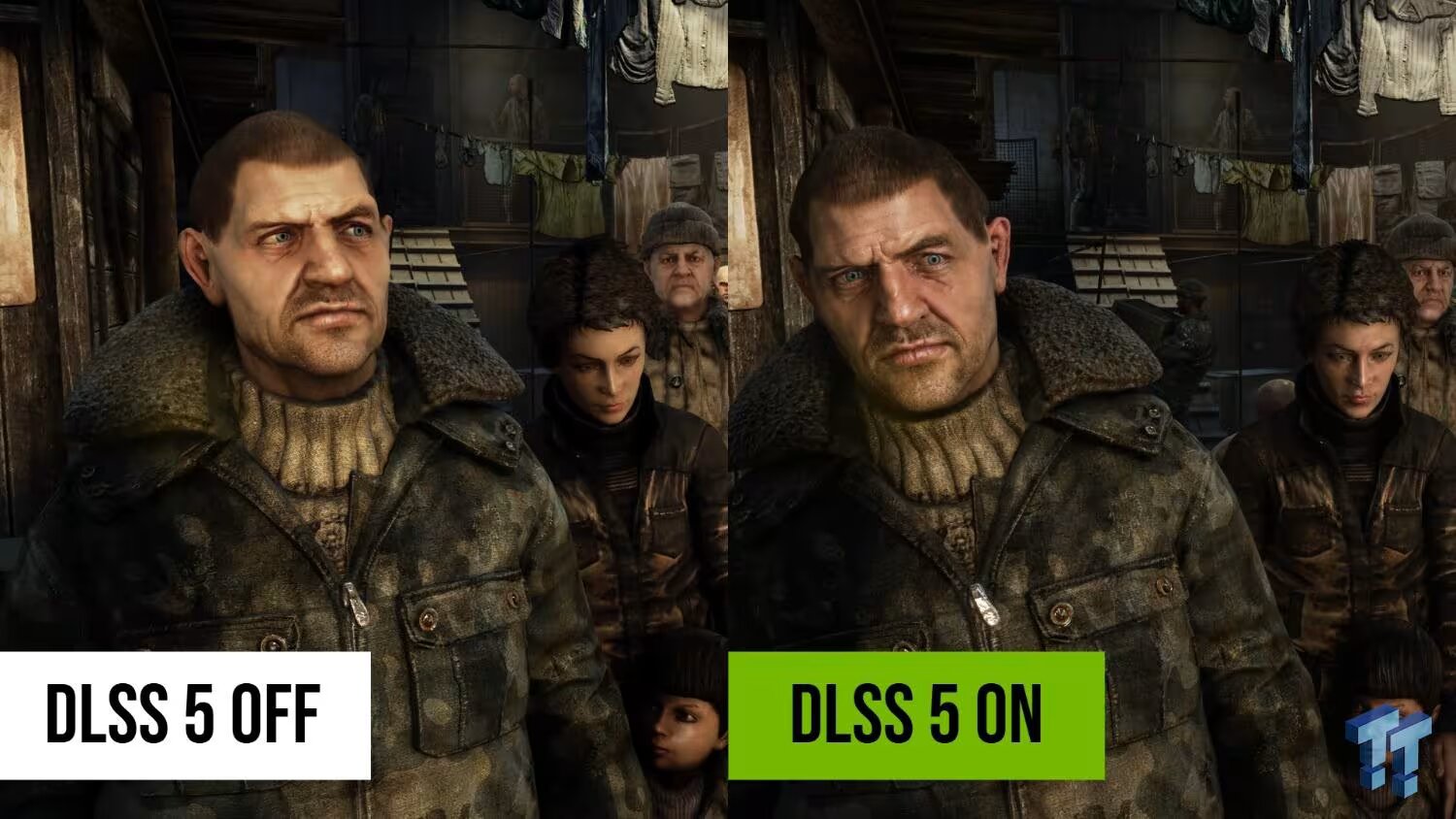
- October 24, 2026: Independent outlets, including TweakTown, began publishing early performance reports and side-by-side visual comparisons, confirming the effectiveness of the neural rendering in preserving image quality during high-motion sequences in the dark, debris-filled tunnels of the Moscow Metro.
The lack of a coordinated press release or "Nvidia-Ready" marketing campaign suggests that this was either a last-minute internal decision by 4A Games or a deliberate "soft launch" by Nvidia to test the technology on legacy titles before applying it to newer, more demanding open-world projects.
Supporting Data: Performance and Hardware Impact
Initial testing, primarily conducted on the powerhouse GeForce RTX 5090, provides a glimpse into the performance characteristics of DLSS 5 in the Metro engine. According to reports, the "Quality" preset for DLSS Super Resolution, when coupled with Neural Rendering, maintains frame rates comfortably above 120 FPS.
However, the hardware cost is substantial. Early benchmarks indicate that systems running this configuration are drawing upwards of 575 watts—a significant figure for a game originally optimized for hardware from 2014. The power consumption of the RTX 5090 Founders Edition, in particular, illustrates that while DLSS 5 is an efficiency-focused technology, it is being used here to push the engine to its absolute limit, likely utilizing deep-learning layers that demand higher VRAM overhead and computational cycles than previous versions of DLSS.

The visual fidelity improvements are most noticeable in the subsurface scattering of character models and the handling of the series’ iconic volumetric lighting. Neural Rendering appears to be effectively mitigating the "ghosting" artifacts that often plagued earlier versions of temporal upscaling in the Metro engine, providing a cleaner, more stable image during the intense firefights characteristic of the series.
A Disrupted Roadmap: Where Does This Leave the Industry?
The arrival of DLSS 5 in Metro is particularly jarring because it disrupts the timeline Nvidia had previously established. Just last week, the hardware giant explicitly stated that Hogwarts Legacy was the next major title in the pipeline to receive the DLSS 5 update, scheduled for November 5, 2026.
By beating Hogwarts Legacy and the upcoming Where Winds Meet to the market, the Metro updates have effectively served as the "field test" for 3D-Guided Neural Rendering. This strategy represents a significant shift in how tech is deployed. By rolling out the feature in older, well-understood codebases, Nvidia can isolate potential bugs and performance bottlenecks without the complexities of modern, massive-scale open-world engines.
This proactive approach by 4A Games and Nvidia suggests that the industry is moving toward a model where AI-driven graphical improvements are no longer reserved for AAA, "Day One" releases. Instead, they are being retroactively applied to expand the lifespan of existing games, essentially giving them a "forever-modern" status.
Implications for the Future of PC Gaming
The implications of this update are profound for both developers and consumers:
1. The Era of the "Living Classic"
For gamers, this update sets a precedent. The idea that a 12-year-old game can receive an update as sophisticated as Neural Rendering means that the "shelf life" of PC titles is effectively being extended. Players no longer need to rely solely on modders to bring modern graphical techniques to older games; developers are now incentivized to return to their back catalogs to showcase new hardware features.
2. Neural Rendering as the New Standard
The performance overhead noted by testers confirms that DLSS 5 is not a "magic button" that saves power; it is an intensive computational process. As we look toward the future of the GPU market, this implementation signals that developers are prioritizing image reconstruction quality over raw pixel throughput. The 575-watt draw observed by TweakTown is a stark reminder that as graphics get "smarter" through AI, the hardware demands remain as aggressive as ever.
3. The Communication Gap
The total lack of communication from both 4A Games and Nvidia is an anomaly in modern gaming. In an industry where every feature is usually teased months in advance to drive hardware sales, this "silent drop" suggests a move toward more agile development cycles. It is possible that the developers wanted to avoid the scrutiny of a "broken" launch by letting the community discover the feature organically, or that the integration was a technical experiment that exceeded expectations.

Conclusion: A Welcome Surprise
The next-gen updates for Metro 2033 Redux and Metro: Last Light Redux are now available for free to all existing owners on Steam, Epic Games Store, and GOG. Console players and those using the Windows Store will have to wait until October 29, 2026, to see if the implementation carries over to their platforms.
Ultimately, the surprise inclusion of DLSS 5 in the Metro series is a resounding win for the PC gaming community. It demonstrates a commitment to technical excellence and provides a tangible, high-quality upgrade for titles that remain among the most atmospheric experiences in gaming. Whether this indicates a broader shift toward "silent" tech upgrades or is simply an isolated case of developer passion, one thing is clear: the tunnels of the Moscow Metro have never looked better, and the industry’s reliance on neural rendering is only just beginning.