


Kyiv, Ukraine – May 13, 2026 – In a chilling escalation of the ongoing conflict, Russia unleashed a massive, daylight aerial assault on Ukraine today, deploying an estimated 800 drones across the nation. The coordinated strikes, which targeted critical infrastructure, industrial sites, and residential areas, resulted in the deaths of at least six civilians and left numerous others injured, including children. President Volodymyr Zelenskyy condemned the attacks, calling them a deliberate attempt to overwhelm Ukraine’s air defenses. The scale and timing of the offensive underscore Russia’s intensifying efforts to cripple Ukraine’s war-making capabilities and sow terror among its populace.
The Devastating Scale of the Assault
The sheer volume of drones launched by Russia represents a significant and alarming departure from previous attack patterns. Ukrainian authorities reported that the aerial onslaught affected approximately 20 regions across the country, stretching from the western borders to the Black Sea coast. Cities and towns that have become grimly familiar with the sound of air raid sirens found themselves under intense bombardment throughout the day.
The capital, Kyiv, was once again a primary target, with reports of explosions and damage to infrastructure. The western city of Lviv, strategically located near the Polish border, also experienced significant attacks, highlighting Russia’s ambition to disrupt supply lines and sow fear in regions previously considered relatively safe. The port city of Odessa, a vital economic hub on the Black Sea, also suffered direct hits, raising concerns about its ability to maintain maritime trade and its vulnerability to sustained Russian pressure.
President Zelenskyy, speaking via his official Telegram channel, articulated the strategic intent behind the relentless drone deployment. "Our soldiers are defending Ukraine, but Russia’s obvious goal is to overload the air defense systems," he stated. This assertion suggests a calculated strategy by Moscow to exhaust Ukraine’s finite air defense resources, potentially paving the way for more conventional aerial bombardments with missiles and manned aircraft.
A Day of Terror: Chronology of the Attacks
While precise chronological breakdowns of all 800 drone impacts are still being compiled by Ukrainian authorities, initial reports paint a harrowing picture of a day punctuated by explosions and widespread destruction.
Morning Hours: Reports began to emerge of drone activity in the eastern and southern regions of Ukraine as early as the pre-dawn hours. These initial strikes appeared to focus on energy infrastructure, a common tactic employed by Russia to disrupt Ukraine’s power grid and undermine its industrial capacity.
Midday Onslaught: As the sun climbed higher, the intensity and geographical spread of the drone attacks increased dramatically. Ukrainian air defense units engaged targets across multiple oblasts, with particular focus on the western regions. The city of Lviv and its surrounding areas experienced a sustained barrage, with civilian casualties reported.
Afternoon Escalation: The attacks continued unabated through the afternoon. In the western region of Rivne, authorities confirmed that three people were killed and four others injured by drone strikes. Damage to civilian infrastructure, including a residential building, was also reported. Simultaneously, the southern region of Kherson reported two civilian fatalities, while the southeastern region of Zaporizhzhia confirmed one death.
Evening Intensification: As daylight waned, the drone attacks persisted, indicating a deliberate effort to prolong the psychological and physical impact on the Ukrainian population. The Black Sea region of Odessa and the central regions of Cherkasy and Khmelnytskyi also reported casualties and damage, underscoring the nationwide scope of the offensive.
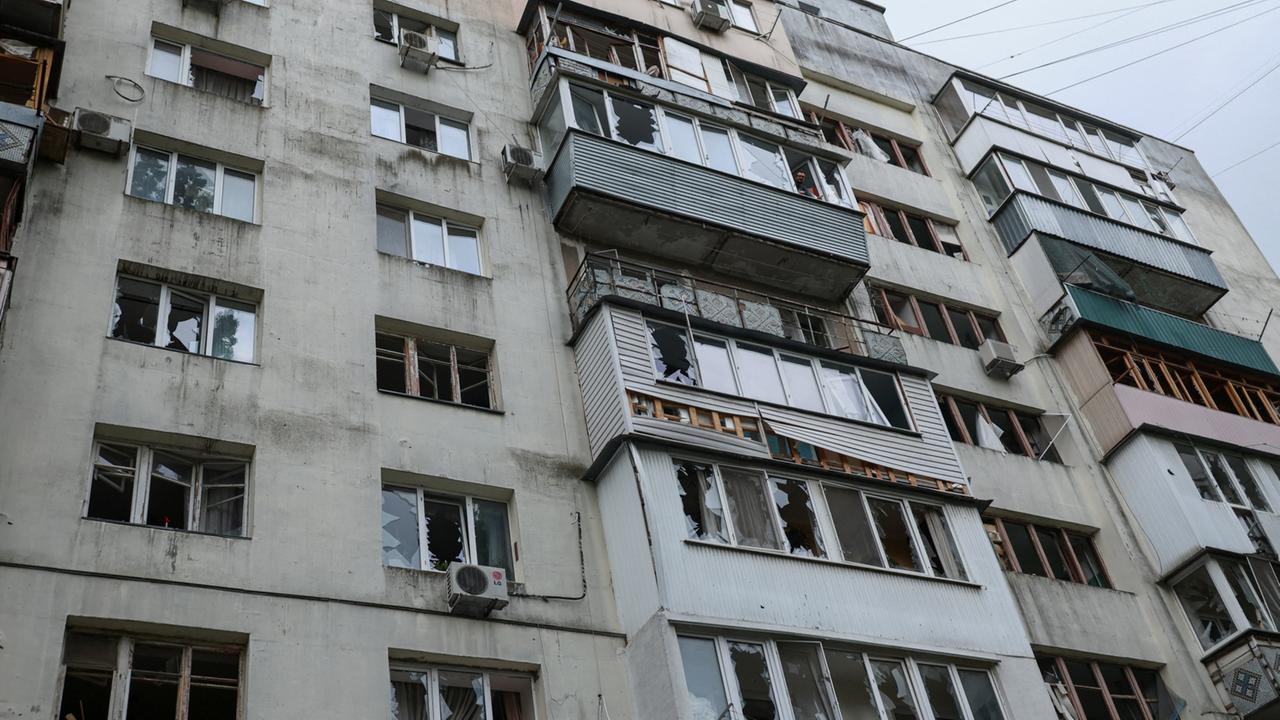
Supporting Data and Impact on Infrastructure
The staggering number of drones deployed – over 800 according to Ukrainian estimates – represents a significant logistical and operational undertaking by the Russian military. This figure dwarfs previous known drone attacks and suggests a substantial increase in Russia’s drone production or stockpiling capabilities.
The primary targets, as articulated by Ukrainian officials, were critical energy facilities, military-industrial enterprises, and government buildings in major cities. The impact on these sectors is multi-faceted:
- Energy Sector: Attacks on power plants and substations aim to disrupt electricity supply, impacting both civilian life and industrial production. This can lead to widespread blackouts, affecting heating, water supply, and communications.
- Military-Industrial Complex: Targeting factories and production facilities that support Ukraine’s defense industry is a strategic move to degrade its ability to manufacture and repair military equipment.
- Logistics and Transportation Hubs: Cities like Lviv and Odessa, which serve as critical transit points for Western military aid and civilian goods, are also vulnerable. Disrupting these hubs can slow down the flow of essential supplies.
- Civilian Morale: The indiscriminate nature of some drone attacks, resulting in civilian casualties and damage to residential areas, is designed to instill fear and erode public support for the war effort. The deliberate targeting of populated areas, even if framed as collateral damage, has a profound psychological impact.
The specific types of drones used in these attacks are likely to include a mix of Iranian-made Shahed drones, known for their relatively low cost and ability to carry explosive payloads, as well as potentially more sophisticated Russian-designed unmanned aerial vehicles. The sustained nature of the attacks suggests a well-coordinated effort, with drones potentially launched from multiple locations, including occupied Ukrainian territories and Russia itself.
Official Responses and International Reactions
The immediate response from Ukrainian leadership was one of resolute condemnation and a call for increased international support. President Zelenskyy’s statement highlighted the existential threat posed by Russia’s relentless aggression.
"The enemy is attempting to break our spirit, to destroy our infrastructure, and to sow panic," a spokesperson for the Ukrainian Ministry of Defense stated. "We are working tirelessly to repel these attacks, but we urgently need more advanced air defense systems from our international partners."
The attacks also triggered a swift reaction from Ukraine’s NATO neighbors. Poland, a member of the alliance and a key transit point for Western military aid to Ukraine, scrambled fighter jets to monitor its airspace. The Polish military announced that its aircraft were activated to ensure the security of Polish airspace, although they confirmed that no violations occurred. This action underscores the regional security implications of Russia’s actions and the heightened state of alert among NATO members bordering Ukraine.
The United States and other Western allies have consistently condemned Russia’s attacks on civilian infrastructure and expressed solidarity with Ukraine. However, the scale of today’s assault is likely to intensify calls for more robust and immediate military assistance, particularly in the realm of air defense. Diplomatic channels are expected to be buzzing as nations deliberate on further responses, potentially including new sanctions against Russia and increased military aid packages for Ukraine.
Broader Implications and the Path Forward
The massive drone offensive marks a critical juncture in the war. It signals Russia’s willingness to escalate its attacks and to employ increasingly sophisticated and resource-intensive tactics. The implications are far-reaching:
- Strain on Air Defenses: Ukraine’s air defense systems, while proving remarkably resilient, are finite. Sustained, large-scale attacks like the one witnessed today place an immense strain on these resources, potentially depleting missile stocks and requiring more frequent maintenance.
- Economic and Humanitarian Impact: The destruction of critical infrastructure, coupled with civilian casualties, inflicts significant economic damage and exacerbates the ongoing humanitarian crisis in Ukraine. The long-term reconstruction costs will be immense.
- Psychological Warfare: The daylight nature of the attacks and the sheer volume of drones are designed to create a pervasive sense of vulnerability and fear among the Ukrainian population. This psychological pressure is a significant component of Russia’s war strategy.
- International Resolve: The continued aggression from Russia will undoubtedly test the resolve of the international community. The effectiveness of sanctions, the consistency of military aid, and the unity of diplomatic efforts will be crucial in determining the trajectory of the conflict.
As the dust settles on this devastating day, Ukraine faces the immense task of assessing the damage, caring for the wounded, and continuing its fight for survival. The relentless nature of Russian aggression, exemplified by today’s unprecedented drone barrage, underscores the urgent need for sustained and amplified international support to help Ukraine defend its sovereignty and protect its people. The coming days and weeks will likely reveal the full extent of the damage and the strategic adjustments made by both sides in response to this significant escalation.





Leave a Reply