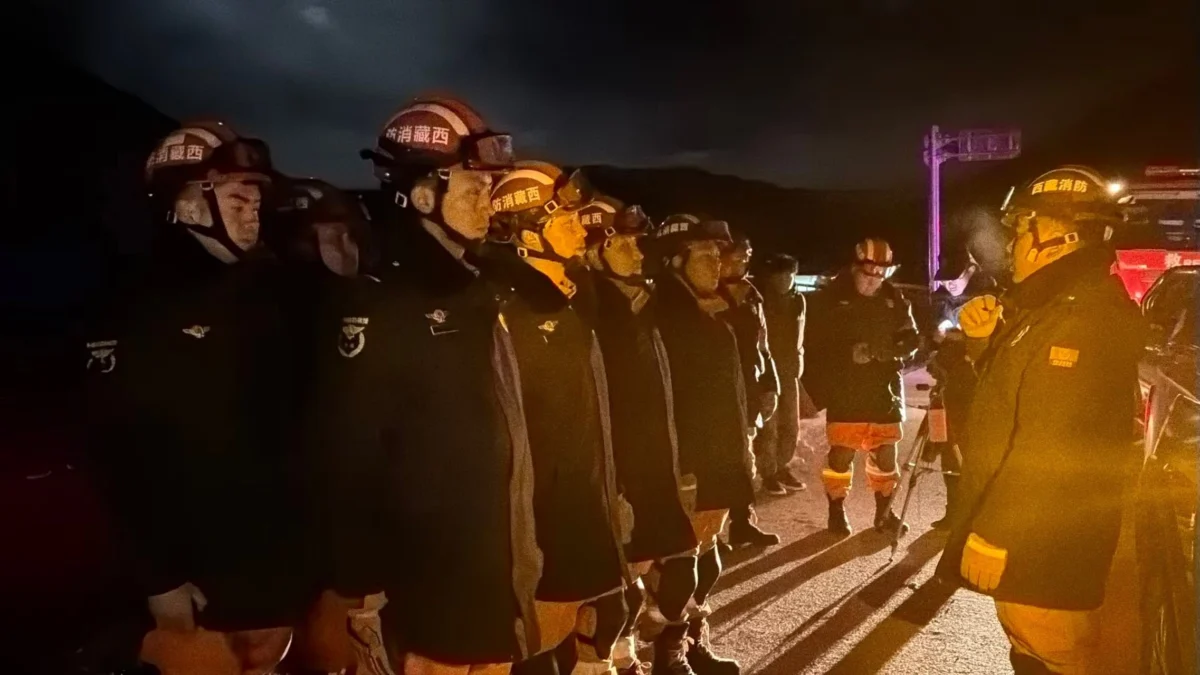
Nagqu, Tibet – A catastrophic seismic event has struck the high-altitude landscapes of Tibet, leaving a trail of destruction, loss of life, and a complex logistical challenge for emergency responders. A powerful 7.0-magnitude earthquake hit the Baqing County region in the early hours of Friday, triggering a massive search-and-rescue operation in one of the most challenging terrains on Earth. As the dust settles, the human toll continues to climb, and the international community watches as China mobilizes significant resources to mitigate further tragedy.
The Main Facts: A Region Struck by Seismic Violence
In the quiet, thin air of the Tibetan Plateau, the earth fractured in the early hours of Friday morning. According to the China Earthquake Networks Center (CENC), the quake registered a magnitude of 7.0—a formidable release of energy that was exacerbated by its relatively shallow focal depth of approximately 10 kilometers. Shallow earthquakes of this magnitude are notoriously destructive, as the seismic energy has less distance to dissipate before reaching the surface.
The immediate aftermath has been grim. Official reports from state-backed media outlets confirmed that at least 16 people have lost their lives. The number of injured has risen steadily as rescue teams reach remote mountain villages that were previously cut off by landslides and infrastructure damage; officials now report at least 54 injuries, a significant increase from the initial estimates provided just 24 hours earlier.
The geography of the region, which sits at an average altitude of 4,800 meters, has significantly hampered relief efforts. The thin atmosphere, freezing temperatures, and the threat of impending snowfall have created a race against time. Meteorologists have issued warnings of snow in the region, which threatens to bury any remaining structures and block the narrow, winding mountain passes essential for the transport of medical supplies and heavy machinery.
Chronology of the Disaster
The timeline of the event highlights the suddenness and the ongoing nature of the crisis:
- Friday, Early Morning: The 7.0-magnitude tremor strikes Baqing County. The impact is felt across a wide radius, with CCTV footage emerging shortly thereafter showing terrifying scenes of commercial shelves collapsing and apartment ceilings shaking violently.
- Friday, Morning/Afternoon: As news of the quake breaks, local emergency services mobilize. The initial reports suggest a manageable situation, but as rescuers penetrate deeper into the rugged terrain, the severity of the damage becomes clear.
- Friday Evening: The Chinese government initiates a large-scale emergency response. Reports indicate that over 330 houses and 20 animal shelters have been rendered uninhabitable or destroyed.
- Saturday (Current Status): The operation shifts from immediate life-saving to sustained search-and-rescue and stabilization. Multiple aftershocks have been recorded, keeping the population in a state of constant anxiety and complicating the work of structural engineers assessing the safety of remaining buildings.
Supporting Data and Geological Context
To understand the scale of this disaster, one must look at the geological makeup of the region. The Himalayan belt is the site of an ongoing, violent collision between the Indian and Eurasian tectonic plates. This continuous tectonic pressure makes the region one of the most seismically active zones in the world.
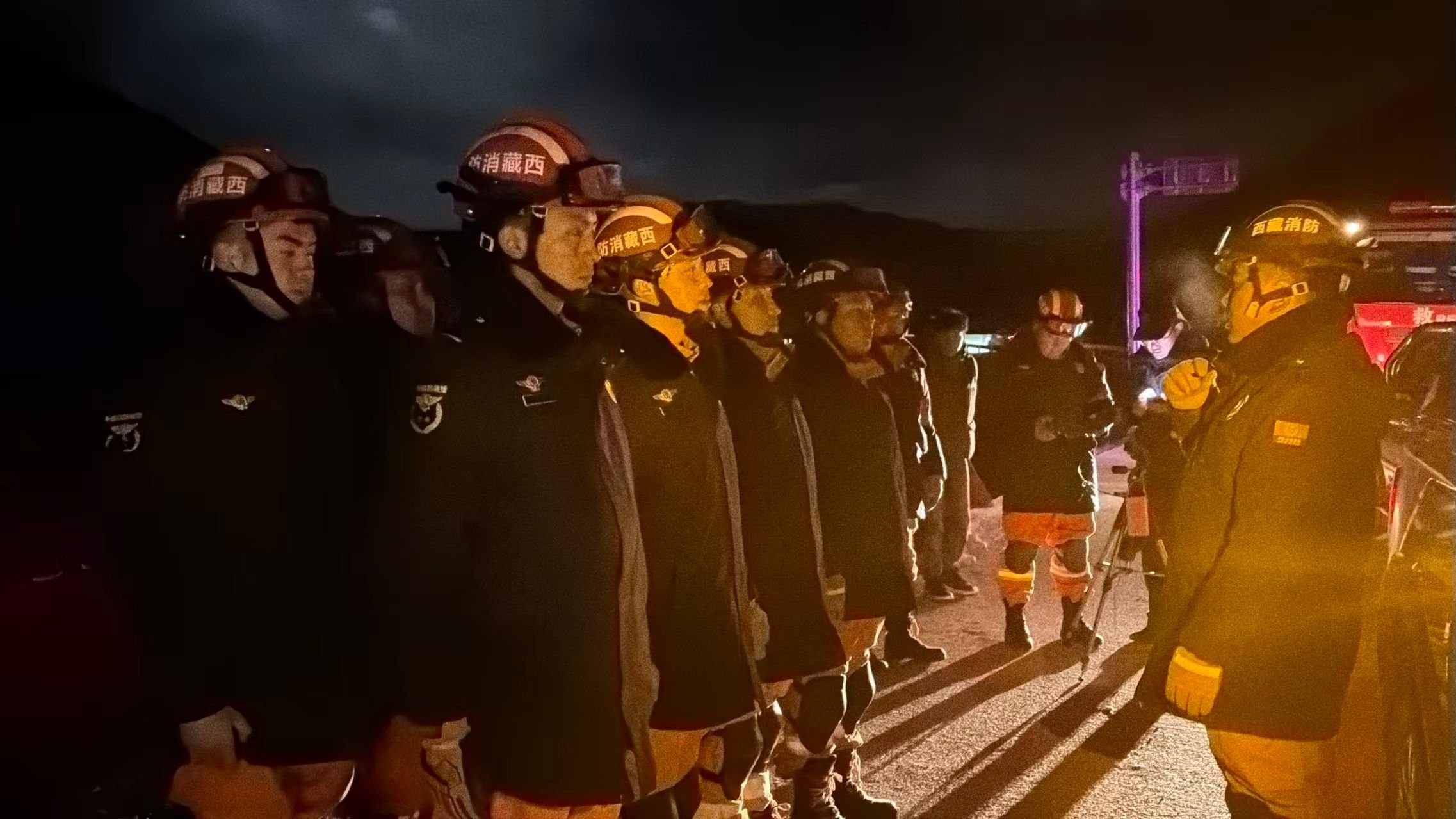
The epicenter in Baqing is situated roughly 180 kilometers from the city of Nagqu and approximately 400 kilometers from the regional capital, Lhasa. Because the region is sparsely populated, the total number of affected individuals is lower than it might be in a more urbanized center. However, the isolation of these communities means that when disaster strikes, survival depends entirely on the speed and capability of the central government’s relief force.
This event is the strongest earthquake to hit China thus far in the current year. It follows a historical pattern of seismic activity that has repeatedly devastated the region. Only recently, in January 2025, a 6.8-magnitude quake struck the Tingri County area on the northern slopes of Mount Everest, resulting in 126 fatalities. These repeated events underscore the extreme vulnerability of infrastructure in the Himalayan corridor.
Official Responses and Government Mobilization
The response from Beijing has been swift, reflecting the high stakes of managing stability in the Tibetan Autonomous Region. President Xi Jinping has issued a direct mandate to the local and regional authorities, emphasizing the need for an all-out effort to minimize the loss of life.
“The priority must be to advance search and rescue operations with every available resource, provide comprehensive medical care for the injured, and ensure that the death toll is kept as low as possible,” Xi stated in a dispatch via the Xinhua News Agency.
In accordance with this directive, the government has deployed 350 specialized fire and rescue personnel, supported by 83 vehicles equipped for mountain rescue. These units are tasked not only with finding survivors in the rubble but also with maintaining supply lines through the affected areas. The coordination of this effort is being managed through a high-level command center, which is balancing the immediate medical needs of the survivors with the long-term logistical requirement of providing shelter in a region where temperatures drop well below freezing at night.
The Broader Implications: A Pattern of Natural Disasters
The earthquake in Baqing is not an isolated incident but part of a broader, concerning pattern of environmental volatility in the region. Tibet and the surrounding Himalayan landscape have been subjected to an array of natural disasters in recent months.

In late August, a devastating flash flood occurred over 1,000 kilometers away from the current quake site, in the southwest of the region. That disaster was of a different nature—a massive surge of water and debris that destroyed a border post and swept into Nepal. The combined impact of that flood resulted in approximately 1,450 deaths, with over 5,500 people still officially classified as missing as of early October.
The frequency of these events has raised questions regarding disaster preparedness and the resilience of infrastructure in these extreme environments. The psychological toll on the population, which has seen its homes and livelihoods threatened by both the earth and the water within a matter of months, is profound.
Infrastructure and Economic Impact
The destruction of over 330 houses and dozens of animal shelters represents a significant economic blow to the local agrarian and pastoral communities. In a region where livestock is often the primary source of wealth and subsistence, the loss of shelters during the winter months is a secondary disaster that could lead to widespread loss of herds, further impoverishing local families.
Future Resilience
As the international community monitors the recovery, the focus will likely shift toward long-term reconstruction. Engineering standards in seismically active mountain regions remain a challenge. While the Chinese government has made significant investments in regional infrastructure, the sheer scale of the geological forces at play, combined with the difficulty of transporting materials to 4,800-meter elevations, ensures that any recovery will be a slow and arduous process.
The government’s ability to effectively manage the aftermath of the Baqing earthquake will be a litmus test for its emergency response capabilities in remote areas. With the memory of the January 2025 Everest-region quake still fresh, the urgency for a more robust, long-term disaster mitigation strategy for the Tibetan Plateau has never been higher.
As the rescue teams continue their work, the world remains focused on the survivors. The resilience of the Tibetan people, who have long lived in harmony with the volatile landscape, is now being tested once again. For now, the priority remains clear: to save the trapped, treat the wounded, and brace for the difficult recovery that lies ahead in the shadow of the Himalayas.