As the mercury drops and the days grow shorter, millions of households across the nation are bracing for a financial challenge that has become an annual ritual of uncertainty: the winter heating bill. With energy markets remaining volatile and inflationary pressures squeezing disposable income, the question of "how much will this winter actually cost?" is no longer a rhetorical concern—it is a critical calculation for family solvency.
This report examines the factors driving energy price volatility, the mechanisms behind current utility billing, and the practical steps households can take to project their expenses as we head into the peak of the heating season.
The Anatomy of the Energy Crisis: Main Facts
The current energy landscape is defined by a complex interplay of global supply chain disruptions, shifts in geopolitical energy security, and the ongoing transition toward sustainable power sources. For the average consumer, the reality is distilled into a simple, albeit frustrating, metric: the cost per kilowatt-hour (kWh).
Recent data indicates that while extreme price spikes witnessed in previous years have moderated, the "new normal" for energy costs remains significantly higher than pre-2021 levels. Several core factors contribute to this:
- Geopolitical Dependencies: The shift away from traditional natural gas pipelines has necessitated a reliance on Liquefied Natural Gas (LNG), which carries higher transport and processing costs.
- Infrastructure Investment: As utilities upgrade grids to handle renewable integration, these capital expenditures are frequently passed down to the consumer via grid fees.
- Carbon Pricing: Regulatory frameworks aimed at curbing emissions have increased the cost of fossil-fuel-based energy generation, incentivizing consumers to switch to heat pumps and electric heating, which in turn places new demand pressures on the electrical grid.
Understanding your personal exposure to these costs requires a granular look at your energy contract, your home’s insulation efficiency, and your consumption patterns during the coldest months of the year.
A Chronological Perspective: How We Got Here
The volatility we face today did not emerge in a vacuum. To understand the trajectory of our current utility bills, we must look at the timeline of the past four years:
2020–2021: The Post-Pandemic Rebound
As the world emerged from COVID-19 lockdowns, industrial demand for energy surged faster than supply chains could recalibrate. This led to the first significant upward trend in energy prices in over a decade.
2022: The Geopolitical Shock
The invasion of Ukraine triggered an immediate crisis in European energy markets. The subsequent cutoff of gas supplies led to panic buying and record-high spot market prices, forcing governments to implement "energy price caps" to prevent mass household defaults.
2023: The Stabilization Phase
Governments and energy providers focused on diversification. Strategic reserves were filled, and LNG terminals were commissioned at an unprecedented pace. Prices began to stabilize, though they settled at a plateau significantly higher than the historic average.
2024–2025: The Efficiency Mandate
The current phase is defined by a shift in consumer responsibility. With state-funded subsidies being phased out, the burden of managing winter costs has returned to the individual household. Smart metering and real-time usage monitoring have become essential tools for those looking to avoid "sticker shock" when the final annual bill arrives.
Supporting Data: Calculating Your Winter Risk
When analyzing the financial impact of winter, it is essential to distinguish between fixed costs (grid fees, meter rentals) and variable costs (consumption-based charges).
The Consumption Variable
A household’s energy bill is not a linear equation. It is heavily influenced by:
- Thermal Envelope: Homes built before 1990 without modern insulation require up to 40% more energy to maintain the same interior temperature as modern, energy-efficient builds.
- Heating Technology: Heat pumps, while efficient, behave differently under extreme cold. When temperatures drop below freezing, the "Coefficient of Performance" (COP) decreases, requiring the system to draw more electricity.
- Behavioral Patterns: A reduction of just one degree Celsius in room temperature can result in a 6% to 8% reduction in heating costs.
Analytical Tools
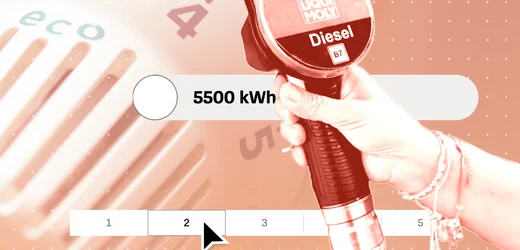
Utility providers and independent consumer advocacy groups now offer sophisticated digital calculators. These tools allow residents to input their square footage, current tariff, and historical consumption data to generate a projected annual cost. These calculators serve as a "financial early-warning system," allowing families to adjust their monthly prepayments before the year-end bill is finalized.
Official Responses and Policy Frameworks
Government agencies and regulatory bodies have responded to the energy crisis with a two-pronged approach: protecting the vulnerable and accelerating the transition to electrification.
Regulatory Oversight
Energy regulators have tightened the rules on how providers communicate price changes. Providers are now required to give significant notice before adjusting tariffs, and the process for switching providers has been streamlined to encourage competition.
Targeted Support
While broad subsidies have largely been discontinued, local authorities continue to offer grants for home energy efficiency improvements. These include:
- Thermal Insulation Grants: Financial support for upgrading window glazing and roof insulation.
- Smart Meter Subsidies: Programs designed to accelerate the adoption of devices that allow consumers to track usage in real-time, preventing high-usage surprises.
"The goal," says a spokesperson for the Federal Energy Agency, "is to move away from reactive crisis management and toward a proactive model where the consumer is empowered by data to manage their own energy footprint."
Implications: The Long-Term Outlook
The era of cheap, abundant fossil-fuel-based energy is effectively over. The implications for the average citizen are profound and require a change in how we view home management.
1. The Financial Planning Shift
Households must now treat energy as a major line item in their annual budget, similar to rent or insurance. Relying on year-end "settlement bills" is no longer a viable strategy; monthly monitoring is the new standard for financial hygiene.
2. The Efficiency Premium
We are entering a period where the market value of a home will be directly correlated with its energy efficiency rating. Properties with high energy demands will likely see a decline in desirability, while "green" homes will command a premium. This creates a strong financial incentive for homeowners to invest in renovations that reduce their dependency on the grid.
3. The Digital Transformation of Utilities
The integration of AI into energy consumption data is the next frontier. Future home systems will likely automate heating and cooling based on real-time price fluctuations on the energy market—effectively "trading" power when it is cheapest. While this technology is currently in its infancy, its adoption will be a critical factor in mitigating the rising costs of living.
4. Societal Impact
Finally, there is the risk of "energy poverty," where the most vulnerable members of society are forced to choose between heating and other basic necessities. The role of NGOs and social services in identifying and supporting these households has become more vital than ever. It is a collective challenge that requires not just individual action, but sustained public investment in energy infrastructure.
Conclusion
As we move through the winter months, the clarity of your data is your greatest asset. By utilizing available energy calculators, understanding the specific terms of your supply contract, and making incremental adjustments to home insulation and usage habits, the winter energy burden can be managed. While we cannot control the global energy markets, we can control how we interact with them.
The transition to a more efficient, technology-driven energy future is underway. For the consumer, staying informed—and staying active in managing one’s energy consumption—is no longer just a way to save money; it is a necessity for navigating the economic realities of the modern age.