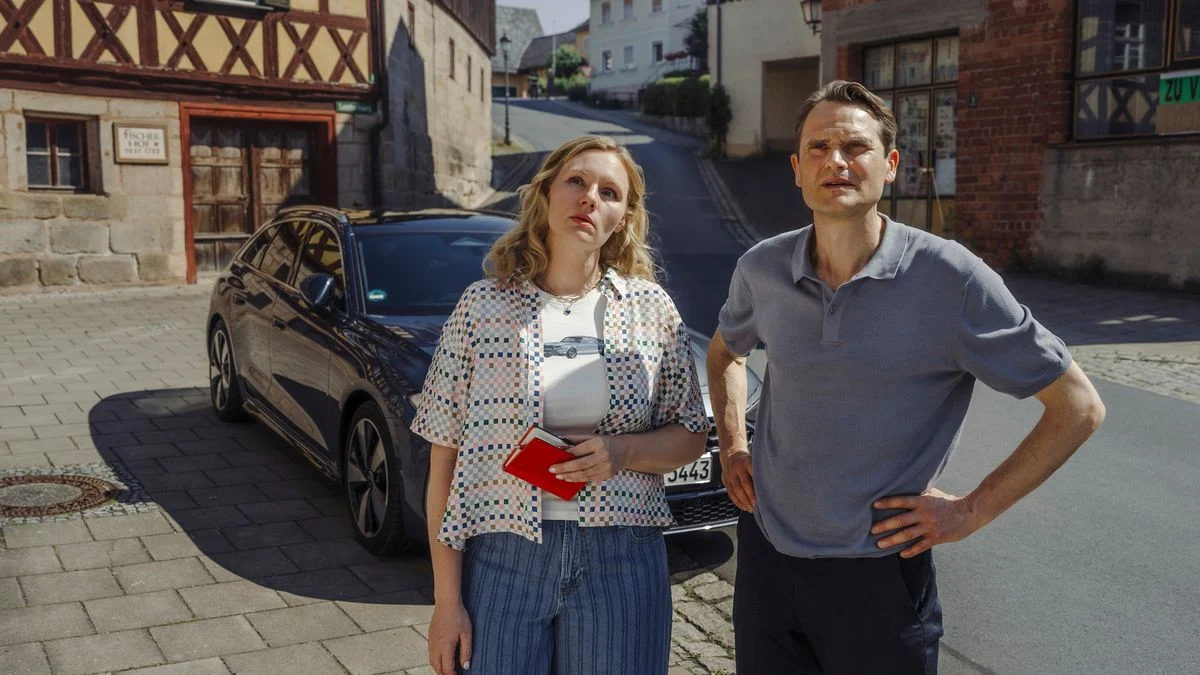
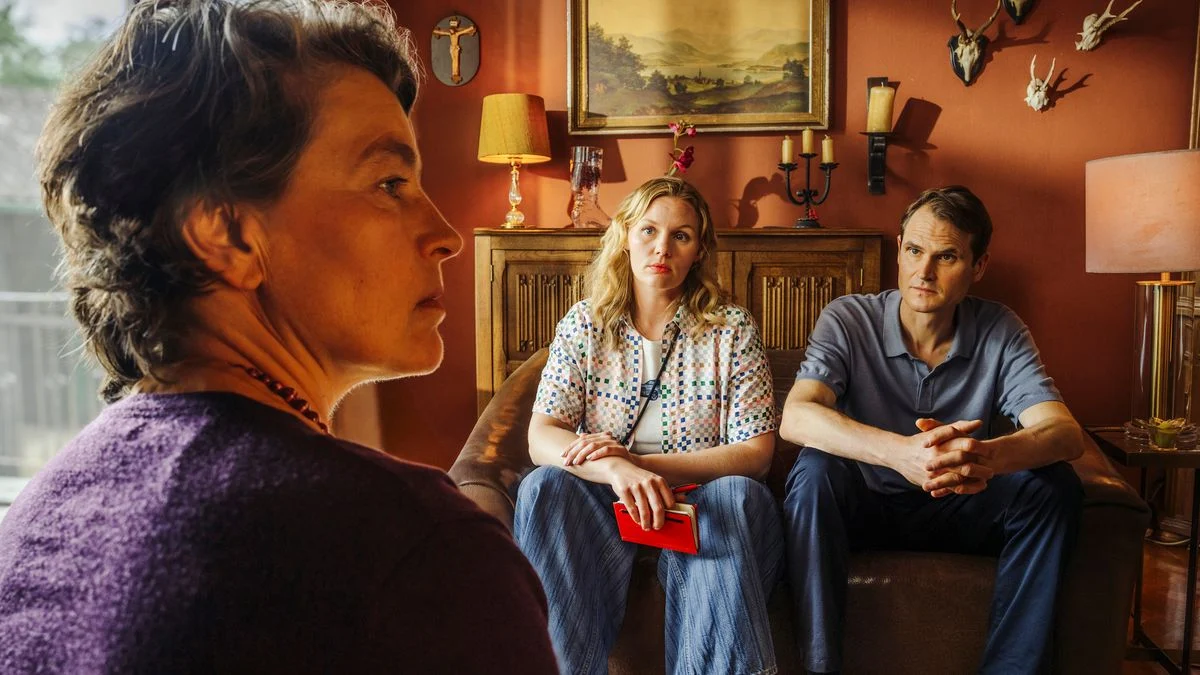
In the landscape of contemporary German theater, few names carry the weight and magnetic intensity of Lina Beckmann. A luminary of the Hamburg Schauspielhaus ensemble and a recognizable face to millions through her role in the beloved Polizeiruf 110 crime series, Beckmann has cultivated a career defined by raw, unvarnished emotional honesty. She is an actress who does not merely perform a role; she inhabits it, often pushing the boundaries of what is considered "unplayable" to deliver performances that leave audiences breathless.
The Raw Power of the Unspeakable
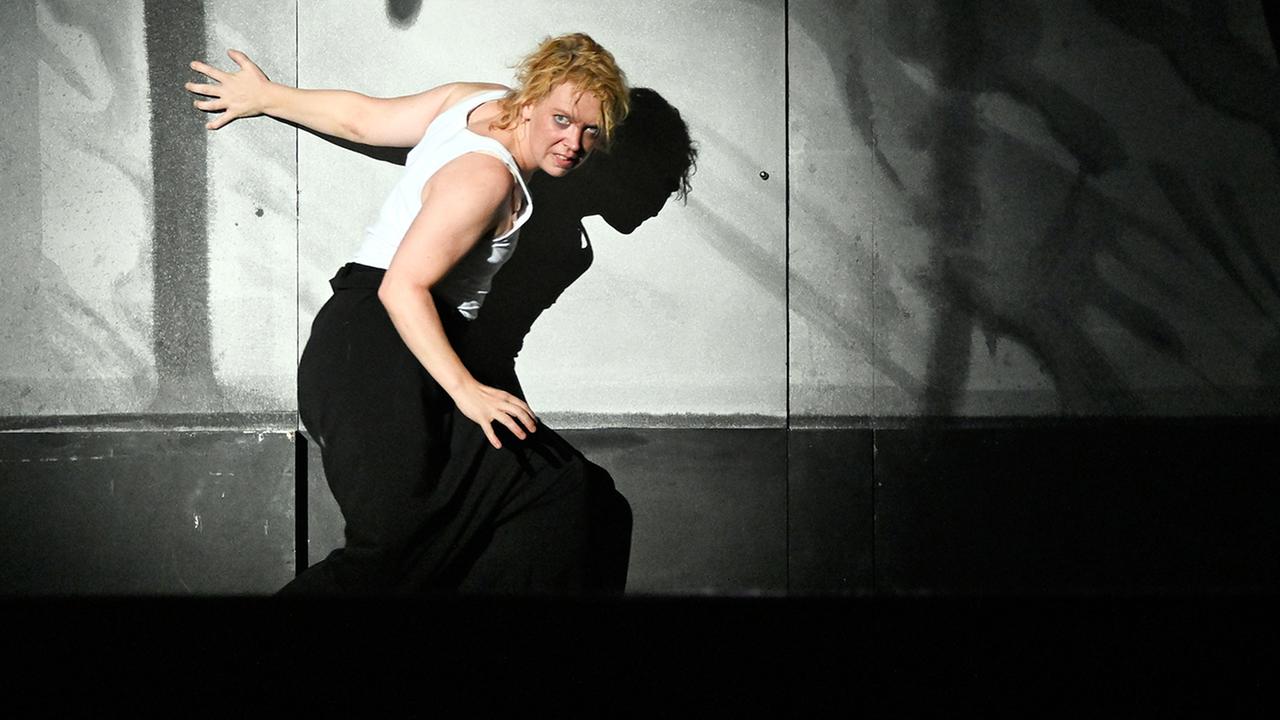
To witness Lina Beckmann on stage is to experience a visceral confrontation. When she embodies the mythological figure of Medea, her presence is not merely commanding—it is tectonic. Her portrayal of the betrayed wife who descends into the unthinkable is characterized by a scream so profound and authentic that it resonates in the marrow of the spectators.
In the intimate confines of the Hamburg Schauspielhaus, Beckmann’s Medea does not rely on archaic, distant archetypes. She brings the character into the present day, making the agony of betrayal feel immediate and universal. Speaking on the process of preparing for such a grueling role, Beckmann admits that the intensity of the character’s pain was initially daunting. "I didn’t know how to play it," she confesses. The breakthrough came when she decided to approach the climax of the play "blank"—stripping away all artifice until the moment of performance arrived. By allowing herself to fully internalize Medea’s trauma during rehearsals, the transition into the character’s darkest moments became a necessity rather than a technical challenge.
A Chronology of Artistic Evolution
Born into a family of five siblings in the Ruhr region, Beckmann’s trajectory toward greatness was organic. Her early years were marked by a collective passion for the arts; in 2009, she and her siblings founded the independent theater collective "Spielkinder," a testament to the creative DNA that defines her family.
Her professional journey has been inextricably linked with the vision of director Karin Beier. Their collaboration spans nearly two decades, beginning at the Schauspielhaus in Cologne and evolving into a powerhouse partnership that would eventually redefine the Hamburg theater scene. It was in Cologne that she met her husband, the acclaimed actor Charly Hübner. In 2013, the trio—Beckmann, Hübner, and Beier—made the move to Hamburg, marking a pivotal chapter in German theater history.
Since arriving in Hamburg, Beckmann has been the heartbeat of numerous high-profile productions. Her work in the "Anthropolis" cycle, particularly her stunning solo performance in Laios, earned her widespread critical acclaim. As the "Antiken-Marathon" continued into the autumn of 2023, Beckmann solidified her reputation as an actress who "thunders" into her roles, fully committing her physical and psychological resources to the craft.
Supporting Data: The Craft Behind the Intensity
Beckmann’s ability to articulate the "unspeakable" through physical expression is the cornerstone of her success. Critics often point to her unique sensitivity to the human condition, which allows her to bridge the gap between the performer and the audience. This connection is not accidental; it is a result of years of refinement in both theater and film.
While theater allows for the slow-burn evolution of a character, film requires a different kind of precision. Her transition to the screen, most notably as Kommissarin Melly Böwe in the Rostock Polizeiruf 110, showcased her adaptability. Joining the series in 2022 as the successor to her husband, Charly Hübner’s character, Sascha Buckow, was a high-stakes move that she navigated with aplomb.
Her recent work in Lars Jessen’s Spaziergang nach Syrakus (Walk to Syracuse) further demonstrates her range. Playing the wife of a man attempting to escape the GDR, Beckmann had to master the subtleties of cinematic acting—the slight twitch of an eye, the downward glance—that speak volumes without a word being uttered. "You constantly have to check yourself," she notes regarding the transition from the expansive stage to the claustrophobic intimacy of the camera lens.
Artistic Implications and Public Reception
The impact of Beckmann’s work extends beyond critical accolades. She has cultivated a rare, democratic relationship with her audience. When she steps onto the stage, the atmosphere in the room shifts; there is an audible sigh of anticipation from the audience. This is not the reaction of fans toward a celebrity, but the reaction of a community recognizing a truth-teller.
In her performances, she often breaks the "fourth wall" with ease. Whether she is jokingly berating the audience for not being quiet enough during a scene change or sharing a piece of Eiskonfekt, she maintains a grounded, human presence. This is perhaps best summarized by the laudatory words of actress Eva Mattes, who, when presenting the Alfred-Kerr-Darstellerpreis to Beckmann in 2011, noted that she speaks to the audience not as a detached artist, but with the familiarity of "the cashier in the shop around the corner."
The Future of an Icon
As she looks toward the future, Beckmann remains tethered to the essential nature of her craft: the direct, unmediated connection with those watching. While she has embraced the reach of television and the discipline of cinema, the stage remains her primary laboratory.
The "Antiken-Marathon" in Hamburg served as a definitive reminder of her stamina and her status as a cultural force. By refusing to play characters at a distance, she forces the audience to confront their own emotions, their own prejudices, and their own capacity for empathy.
For the German cultural landscape, Lina Beckmann represents a vital bridge between the classical tradition and the modern, fragmented world. She proves that acting is not about vanity or the projection of a persona, but about the willingness to be vulnerable, to be "blank," and to allow the audience to see themselves reflected in the mirror of the stage. Whether she is portraying an ancient queen or a modern-day detective, the force of her personality remains the same: an uncompromising, unfiltered, and deeply human pursuit of the truth.
In an era where digital distance often dilutes the impact of performance, Lina Beckmann stands as a defiant guardian of the live experience. Her career is a testament to the fact that when an artist is willing to "thunder" into the void, the audience will always be there to listen—and to feel. As she continues to evolve, the only certainty is that her influence on the German stage will continue to grow, grounded in that rare, singular talent for making the profound feel personal, and the unspeakable, known.