The debate surrounding a potential "sugar tax" in Germany has recently taken a significant political turn. Lars Klingbeil, co-chairman of the Social Democratic Party (SPD), has long been a vocal proponent of measures to curb sugar consumption to combat rising obesity and diabetes rates. However, in a surprising strategic pivot, Klingbeil has recently sought to soften his stance on the implementation of a national sugar tax. This shift in rhetoric reflects not only the internal pressures within the ruling coalition but also the broader ideological battle between public health paternalism and personal responsibility in German economic policy.
Main Facts: A Shift in Political Direction
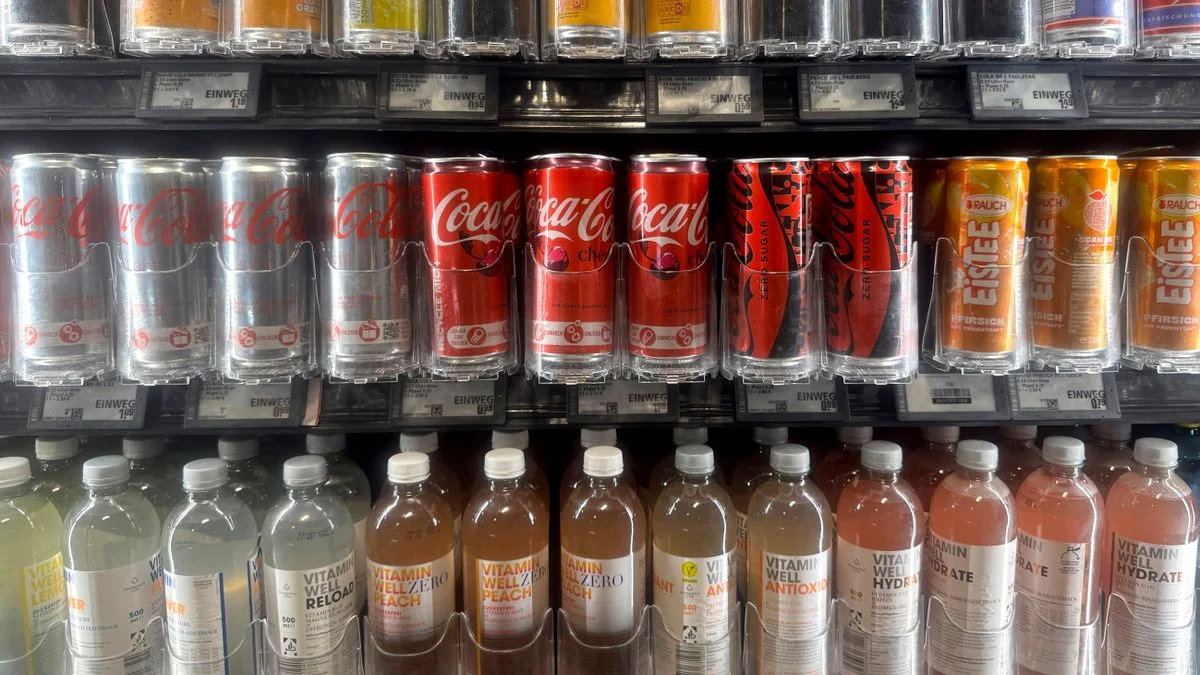
The core of the issue lies in whether the German government should impose a specific levy on sugar-sweetened beverages and processed foods to influence consumer behavior. Historically, the SPD, led by figures like Klingbeil, argued that the healthcare burden caused by lifestyle-related diseases requires state intervention.
The primary contention is that a tax would reduce the prevalence of Type 2 diabetes, cardiovascular diseases, and dental issues. However, the proposal has faced fierce opposition from the food and beverage industry, as well as from the Free Democratic Party (FDP), the coalition partner known for its commitment to free-market principles.
Klingbeil’s recent "softening" of his plans involves a shift from a mandatory, aggressive tax model toward a more voluntary, industry-led approach. This move is widely interpreted as a tactical retreat aimed at preserving coalition harmony rather than a change of heart regarding the health benefits of such a measure. The SPD leader is now emphasizing "dialogue with the industry" and "transparent labeling" over punitive taxation, suggesting that the political cost of implementing a new tax in a struggling economy may currently be too high.
Chronology of the Sugar Tax Debate
The discourse regarding a sugar tax in Germany did not emerge in a vacuum. It is the result of years of mounting evidence and political deliberation.
- 2018–2019: Public health organizations, including the Robert Koch Institute, began publishing data indicating that nearly 60% of German adults are overweight. Calls for a "soda tax," similar to those implemented in the UK and Mexico, began to gain traction in policy circles.
- 2021: Following the federal elections, the "Traffic Light" coalition agreement included provisions to improve nutrition, though a specific sugar tax was not explicitly mandated.
- 2023: Lars Klingbeil elevated the issue in the public consciousness, explicitly linking the high sugar content in processed foods to the rising costs of the statutory health insurance system.
- Early 2024: The debate reached a fever pitch as the German economy faced sluggish growth and inflationary pressures. Industry lobbyists argued that a tax would exacerbate the cost-of-living crisis.
- Mid-2024 (Current Period): Klingbeil signaled a tactical withdrawal from his previous, more stringent demands. He shifted the focus toward "voluntary commitments" from manufacturers, effectively pushing the timeline for any hard legislation into the indefinite future.
Supporting Data: The Health and Economic Case
The impetus for the sugar tax debate is supported by a significant body of epidemiological and economic data.
The Health Burden
Studies consistently show that high sugar consumption is a primary driver of non-communicable diseases. According to the German Diabetes Society (DDG), the cost of treating diabetes and its complications in Germany exceeds €30 billion annually. Medical experts argue that a tax would be a "nudging" mechanism, encouraging manufacturers to reformulate their recipes to lower sugar content—a phenomenon observed in the United Kingdom following the introduction of the Soft Drinks Industry Levy (SDIL).
The Economic Argument
The food industry, represented by bodies like the Federal Association of the German Food Industry (BVE), argues that a tax is regressive. They contend that it disproportionately affects low-income households, who spend a larger share of their income on basic groceries. Furthermore, the industry warns that a national tax could lead to "cross-border shopping," where consumers buy cheaper, untaxed goods in neighboring EU countries, thereby damaging the German retail sector without achieving the intended health outcomes.
Official Responses: A Divided Coalition
The response to Klingbeil’s pivot has been predictably polarized.
The SPD’s Internal Balancing Act
While Klingbeil has sought to de-escalate, segments of his own party remain committed to the original plan. Proponents argue that "voluntary agreements" have failed in the past, citing the lack of significant sugar reduction in mass-market products despite years of industry promises. They fear that the SPD is losing its profile as a party of social and health progress by yielding to industry pressure.
The FDP’s Free-Market Defense
The Free Democratic Party has been the most vocal opponent of any form of "nanny state" taxation. Their official stance is that individual choice and education—rather than state-imposed costs—are the appropriate levers for improving public health. They have lauded Klingbeil’s recent pivot as a "victory for common sense," arguing that the government should not be in the business of telling citizens what they should drink or eat.
Consumer Advocacy Groups
Consumer watchdogs, such as Foodwatch, have expressed deep frustration. They view the shift in policy as a capitulation to corporate interests. In their assessment, the industry’s lobby has successfully prioritized profit margins over the long-term health of the German populace, and they argue that without legal teeth, "voluntary" goals will remain nothing more than empty public relations gestures.
Implications: What Comes Next for Health Policy?
The retreat from an aggressive sugar tax policy has broad implications for the future of German governance and public health.
1. The Death of the "Nudge" Strategy?
If the government moves away from taxes and toward voluntary labeling, it effectively signals that the state is unwilling to challenge the status quo of the processed food industry. This could lead to a stagnation in nutritional improvements, as manufacturers have little financial incentive to change formulas that are proven to be addictive and profitable.
2. The Future of Healthcare Funding
With the healthcare system facing a funding gap, the debate over "sin taxes" will not disappear. If the government refuses to tax sugar, they may eventually be forced to raise health insurance premiums to cover the costs of treating the resulting lifestyle diseases. This presents a political dilemma: is it more unpopular to tax soda or to increase payroll deductions for health insurance?
3. The Impact on Coalition Stability
Klingbeil’s pivot is also a masterclass in coalition management. By choosing to back down on a contentious issue, the SPD has cleared the way to focus on other priorities, such as industrial energy prices and labor market reforms. However, this comes at the cost of the party’s credibility with its more progressive base, which demands decisive action on climate and health.
4. European Integration of Health Policy
As the EU continues to harmonize standards, Germany may eventually be forced into a sugar tax by Brussels. If the European Commission moves toward a unified strategy on front-of-package labeling or sugar limits, the domestic debate in Germany may become moot, as national policy will have to align with broader EU directives.
Conclusion
The evolution of Lars Klingbeil’s position on the sugar tax serves as a microcosm of contemporary German politics. It highlights the tension between the necessity of reform and the political reality of a fractured coalition and a powerful, well-entrenched industry. While the immediate threat of a sugar tax has receded, the underlying public health crisis remains.
For the German public, the debate remains unresolved. The choice between a state-led health intervention and a market-driven approach will continue to shape the political landscape. As the next federal election cycle approaches, it is likely that this issue will resurface, forcing politicians once again to decide whether to prioritize the short-term comfort of the industry or the long-term health of the nation. For now, the "sugar tax" remains a policy on ice—a victim of political pragmatism in an era defined by competing interests and economic caution.