As of September 25, 2026, the German economic landscape is marked by a profound dichotomy: while national growth forecasts remain surprisingly resilient, the individual citizen has retreated into a defensive financial posture. A sharp decline in consumer sentiment, driven by volatile energy costs and inflationary pressure, has pushed the German populace toward a "save-at-all-costs" mentality not seen since the 2008 financial crisis.
The Core Conflict: A Nation in Financial Retreat
The latest consumer climate study from the Nuremberg Institute for Market Decisions (NIM) and the GfK paints a sobering picture. For the month of October 2026, the consumer sentiment index plunged 3.8 points to a dismal -30.6. According to NIM expert Rolf Bürkl, this represents the second-lowest reading of the year, surpassed only by the bleak figures recorded in May.
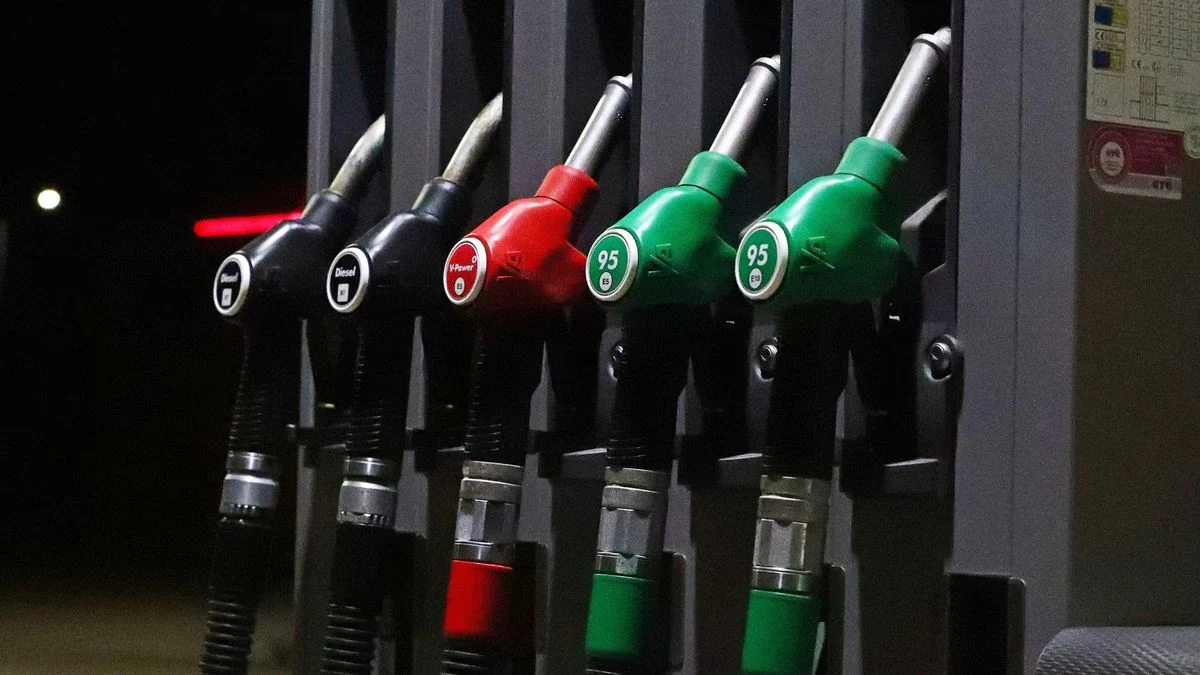
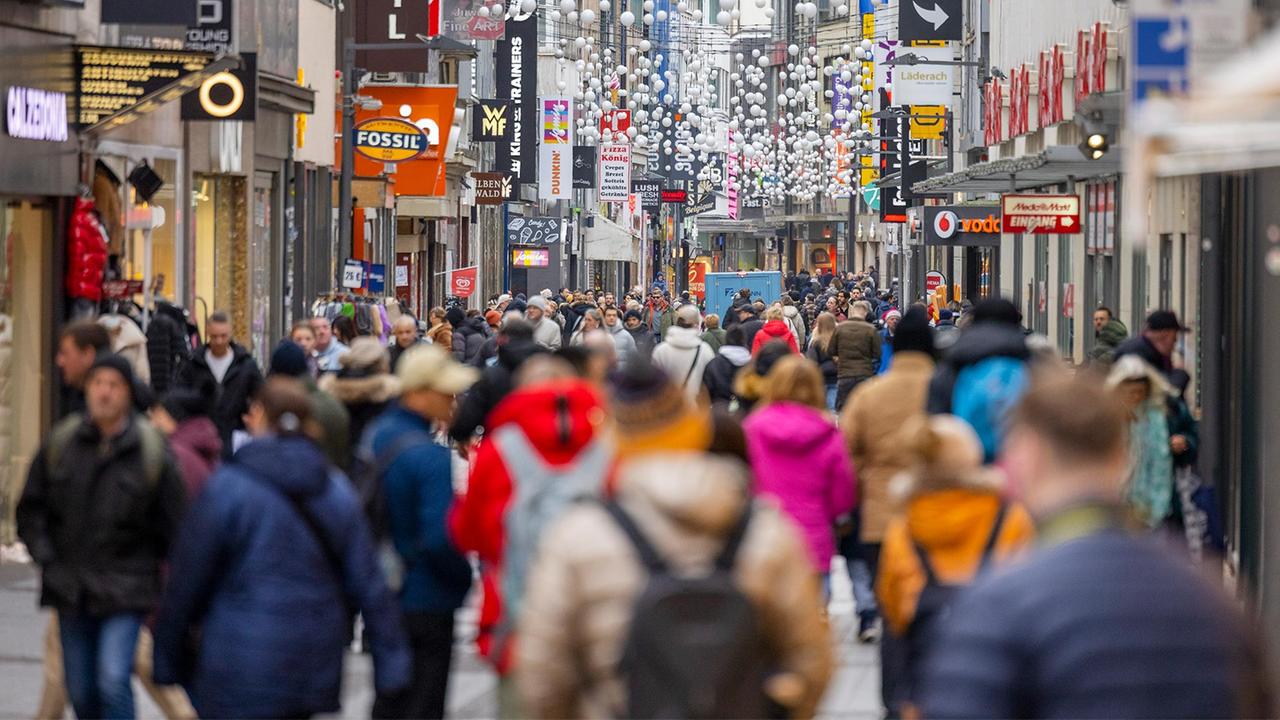
This decline is not merely a statistical anomaly; it is a behavioral shift. German households are bracing for a prolonged period of economic hardship. At the heart of this pessimism lies the persistent energy crisis. Despite fluctuations in global commodity markets, the lingering impact of high fuel and heating costs has decimated disposable income. For the average consumer, the "cost-of-living" crisis is no longer a theoretical debate—it is a daily reality that necessitates a fundamental shift in spending habits.
Chronology of the Sentiment Slide
The deterioration of consumer confidence has been a slow-burn process throughout 2026, accelerated by geopolitical tensions in the Middle East.
- Early 2026: Initial optimism following a mild winter began to wane as inflationary pressures proved stickier than anticipated.
- April 2026: The income indicator hit a significant low, signaling the beginning of widespread anxiety regarding wage growth versus price hikes.
- Summer 2026: As the conflict in the Middle East intensified, oil and diesel prices hit record highs, directly impacting transportation and logistics costs, which were promptly passed on to the German consumer.
- September 2026: The latest NIM/GfK data confirmed that the "wait-and-see" approach has transformed into a "fear-based" austerity. Households are now actively cutting discretionary spending, prioritizing liquidity over consumption.
Supporting Data: The Anatomy of the Savings Surge
The current data reveals an interesting paradox: while consumption is down, the propensity to save has reached heights that evoke memories of the 2008 global economic collapse. The savings propensity index has risen to 21.5 points.
Financial analysts point to two primary drivers for this surge:
- Compensation for Inflation: Households with stronger financial backgrounds are attempting to hedge against the erosion of their existing savings. By increasing their savings rate, they hope to preserve the real value of their wealth against the backdrop of persistent inflation.
- Precautionary Motives: As noted by Alexander Krüger, Chief Economist at Bank Bethmann HAL, there is a pervasive "winter anxiety." Consumers are hoarding cash in anticipation of high energy bills during the colder months, a sentiment further compounded by rising fears of job insecurity.
The income indicator, which tracks the expected development of personal finances, suffered a massive blow, falling 16.7 points to -15.0. This is the lowest level since April 2026, reflecting a growing disconnect between the broader macroeconomic performance and the individual’s perceived financial stability.
The Economic Paradox: Robust Growth vs. Consumer Fear
While the consumer is pessimistic, the German industrial machine remains surprisingly robust. On Thursday, leading economic research institutes upwardly revised their GDP growth forecasts for Germany. They now project a 1.3% growth rate for 2026 and 1.1% for 2027.
This growth is largely decoupled from private consumption. It is fueled by:
- Export Strength: Despite global headwinds, German industrial products remain in high demand.
- State-Led Investment: Massive government injections into infrastructure and national defense have provided a significant fiscal floor for the economy.
However, ING Chief Economist Carsten Brzeski offers a cautionary note: "This is a poor signal for the economy. The current downward trend in consumer sentiment does not bode well for private consumption in the coming months."
The institutes themselves acknowledge that the current growth trajectory is fragile. Without significant structural reforms, the momentum driven by state spending is expected to exhaust itself by 2028, with growth potentially falling to a meager 0.4%.
Global Financial Implications: The Bond Market Sell-Off
The mood in Germany is mirrored by broader anxieties in international financial markets. As the U.S. economy continues to show unexpected resilience, global investors are pricing in a "higher-for-longer" interest rate environment. Central banks, led by the U.S. Federal Reserve, are engaged in a delicate balancing act: trying to suppress inflation without triggering a systemic recession.
This has led to a global sell-off in government bonds. The yield on the 10-year German Bund, the benchmark for the Eurozone, surged to 3.6114%—the highest level since June 2009. Simultaneously, U.S. 30-year bond yields climbed to 5.5016%, a level not seen in two decades. This rise in yields is a direct consequence of the market’s realization that central banks will not be pivoting to lower interest rates as quickly as previously hoped.
Official Responses and Diplomatic Hopes
In the midst of this turbulence, the DAX index saw a glimmer of relief, rising 0.6% to 25,427 points. This gain was primarily attributed to a slight cooling of oil prices, spurred by rumors of potential diplomatic breakthroughs in the Iran conflict. Reports suggest that Tehran has submitted a new proposal to the United States regarding the resumption of negotiations.
The White House has maintained a guarded optimism, with official statements confirming that "positive and constructive talks are underway through intermediaries." While these diplomatic developments offer a potential pathway to lower energy costs, the underlying fragility of the German consumer remains.
Long-term Implications: The Challenge of Stability
The current situation presents a multifaceted challenge for German policymakers.
- Structural Reform vs. Fiscal Spending: The current growth relies heavily on state spending, which is unsustainable in the long term. The government must pivot toward reforms that encourage private sector innovation and reduce the regulatory burden that currently stifles household investment.
- Energy Transition and Security: The link between energy prices and consumer sentiment is undeniable. Until Germany can achieve a more stable, diversified, and affordable energy mix, the consumer will remain vulnerable to geopolitical shocks.
- Restoring Confidence: A recovery in consumer sentiment requires more than just lower inflation; it requires a restoration of trust in the economic future. Without clear communication from the government regarding the path toward long-term energy security and job protection, the current trend of excessive saving is likely to persist, further dragging down domestic economic activity.
In conclusion, Germany finds itself in a precarious state. While the macroeconomic numbers tell a story of resilience, the microeconomic reality is one of survival. The next few months will be critical: if the winter passes without a severe energy crisis and the diplomatic efforts regarding the Middle East bear fruit, there is a possibility that the current "savings trap" could ease. However, should energy prices spike again or unemployment figures deteriorate further, the German economy may face a much more difficult winter than the current GDP forecasts suggest. The resilience of the German consumer is not an infinite resource, and the current level of austerity is a clear warning sign that the nation’s economic engine, while currently running, is under immense strain.