Market Report: October 8, 2026
In an era defined by the rapid proliferation of Artificial Intelligence, the global semiconductor industry has reached a historic inflection point. Samsung Electronics, the South Korean technology titan, has officially shattered all previous records, reporting an operative profit of nearly 71.7 billion euros for the third quarter of 2026. This monumental figure represents a nine-fold increase compared to the previous year and marks the fourth consecutive quarter of record-breaking growth—a feat unmatched by any other technology corporation in history.
The Catalyst: An Insatiable Appetite for AI Infrastructure
The primary driver behind this fiscal explosion is the global race to build and expand hyperscale data centers. As generative AI models become more complex, the demand for High-Bandwidth Memory (HBM) and advanced DRAM (Dynamic Random Access Memory) has effectively outpaced supply.
Samsung, positioned at the center of this technological gold rush, has capitalized on the urgent need for chips capable of processing massive datasets at unprecedented speeds. The transition toward AI-centric computing architectures has created a "super-cycle" for memory manufacturers, allowing Samsung to dictate pricing power in a market where demand remains chronically unfulfilled. According to industry analysts, the capacity constraints currently plaguing the sector are unlikely to resolve before 2028, providing Samsung with a significant runway for continued revenue dominance.
Chronology of a Record-Breaking Quarter
The trajectory toward this historic Q3 result began early in the year, as major tech players—including cloud giants and AI-focused startups—placed massive, long-term procurement orders for memory components.
- Q4 2025 – Q1 2026: Samsung shifts focus heavily toward HBM3 and HBM3E production, anticipating the boom in LLM (Large Language Model) deployment.
- April – June 2026: Memory chip prices see a sharp spike of approximately 60%, reflecting a supply-demand imbalance that caught much of the consumer electronics market off guard.
- July – August 2026: Samsung accelerates capital expenditure (CapEx) to expand manufacturing facilities, aiming to secure long-term contracts with data center operators to guarantee future output stability.
- September 2026: Reports from internal sources confirm a 50% increase in HBM sales volume compared to the previous quarter, significantly closing the competitive gap with its primary domestic rival, SK Hynix.
- October 8, 2026: Samsung issues preliminary guidance, confirming the historic 71.7 billion euro profit.
Supporting Data and Industry Context
While Samsung’s figures are astronomical, the phenomenon is industry-wide. The ripple effects of the AI boom are visible across the entire semiconductor supply chain. TSMC, the world’s largest contract chip manufacturer, reported an equally impressive revenue surge of 50%, reaching a record 41.66 billion euros for the third quarter.
Pricing Dynamics and Market Stabilization
Despite the explosive growth, industry experts warn that the rate of price increases is beginning to decelerate. TrendForce, a leading market research firm, projects that price hikes for the remainder of the year will settle into the 10% to 15% range. This cooling effect is largely attributed to the prevalence of long-term supply agreements (LTAs), which often include price ceilings designed to protect data center operators from extreme volatility.
Avril Wu, a senior manager at TrendForce, noted that while the "panic buying" phase of early 2026 has subsided, the fundamental demand remains high. "The shift toward fixed-price contracts indicates that while manufacturers are maximizing profits, the industry is seeking a more sustainable, albeit high-cost, equilibrium," she stated.
Official Responses and Strategic Outlook
Samsung has signaled its intent to share this windfall with its stakeholders, announcing a target to distribute a record 73 billion euros in dividends for the current fiscal year. This move is viewed as a strategic effort to stabilize investor sentiment, which has remained surprisingly lukewarm despite the stellar earnings.
The company is also doubling down on its infrastructure investments. By locking in long-term supply contracts, Samsung aims to insulate itself from the cyclical nature of the chip market—a lesson learned from previous downturns in the memory sector. "Our strategy is to move beyond commodity hardware and become the indispensable engine of the AI economy," a Samsung spokesperson noted, hinting at future R&D pivots toward next-generation memory architecture.
The Divergence: Memory vs. Consumer Electronics
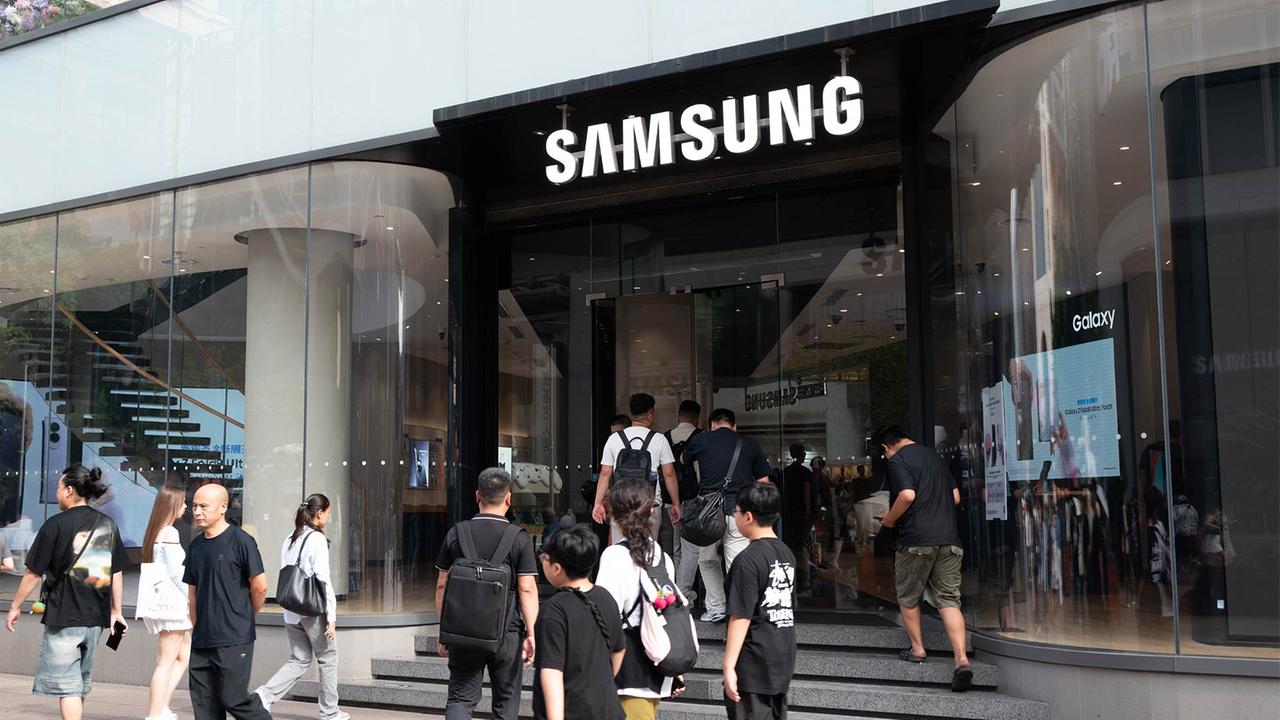
However, the picture is not uniformly bright. While the semiconductor division is flourishing, Samsung’s consumer electronics and mobile phone divisions continue to face headwinds. The smartphone market remains stagnant, with consumers holding onto devices longer, leading to a "muted" performance in that segment.
This creates a dual-track reality for the conglomerate: its B2B semiconductor prowess is effectively subsidizing the slower-growth consumer divisions. Analysts are watching closely to see if the company can leverage its chip superiority to integrate more sophisticated AI features into its upcoming mobile hardware, potentially revitalizing the handset division.
Market Implications: Why Investors Are Hesitant
Despite the record-breaking news, Samsung shares have faced downward pressure in recent trading sessions. This apparent paradox is common in the tech sector, where investors are notoriously forward-looking.
The primary concern among institutional investors, such as those at Mirae Asset Management, is sustainability. Analyst Kim Seok-hwan articulated the market’s anxiety: "The question isn’t whether Samsung did well in the last three months; it’s whether they can maintain this level of profitability once the initial build-out phase of the AI infrastructure cycle begins to mature."
Investors are particularly wary of:
- Macroeconomic headwinds: High oil prices and inflationary pressures continue to weigh on the broader market.
- Yield sensitivity: As the German DAX index fell below the 25,000-point threshold on the day of the announcement, analysts highlighted that interest rate fears remain the primary deterrent to large-scale equity purchases.
- Capital Expenditure Risks: The massive costs associated with building new, state-of-the-art fabrication plants (fabs) mean that Samsung must maintain extremely high utilization rates to ensure these projects remain profitable.
Global Economic Impact: The DAX and Beyond
The uncertainty surrounding the broader economy was underscored by the performance of the German DAX, which struggled to maintain the 25,000-point psychological barrier. Financial experts at CMC Markets, including Andreas Lipkow, noted that as long as volatility persists in energy markets and bond yields remain elevated, the appetite for high-growth tech stocks will be tempered by caution.
For global markets, the Samsung results serve as both a beacon of hope and a warning. They demonstrate that the AI revolution is creating tangible, massive wealth in the industrial sector. Yet, they also highlight the fragility of an economy that is simultaneously wrestling with geopolitical tensions, high interest rates, and the transition toward a new technological paradigm.
Conclusion
Samsung’s record-breaking third quarter is a testament to the transformative power of Artificial Intelligence. By successfully pivoting its manufacturing capacity to meet the demands of the data center age, the company has secured its position as a cornerstone of the modern digital economy.
However, as the company looks toward its full earnings report on October 29, the focus will shift from "what was achieved" to "what is sustainable." The challenge for Samsung in the coming quarters will be to navigate the transition from a period of explosive, demand-driven price hikes to a more stable, capacity-driven expansion. Whether the company can continue to deliver record growth in a maturing market will define its leadership in the semiconductor industry for the next decade. For now, the world remains watching, waiting to see if the "Silicon Gold Rush" has reached its peak or if the most profitable chapters are yet to be written.