

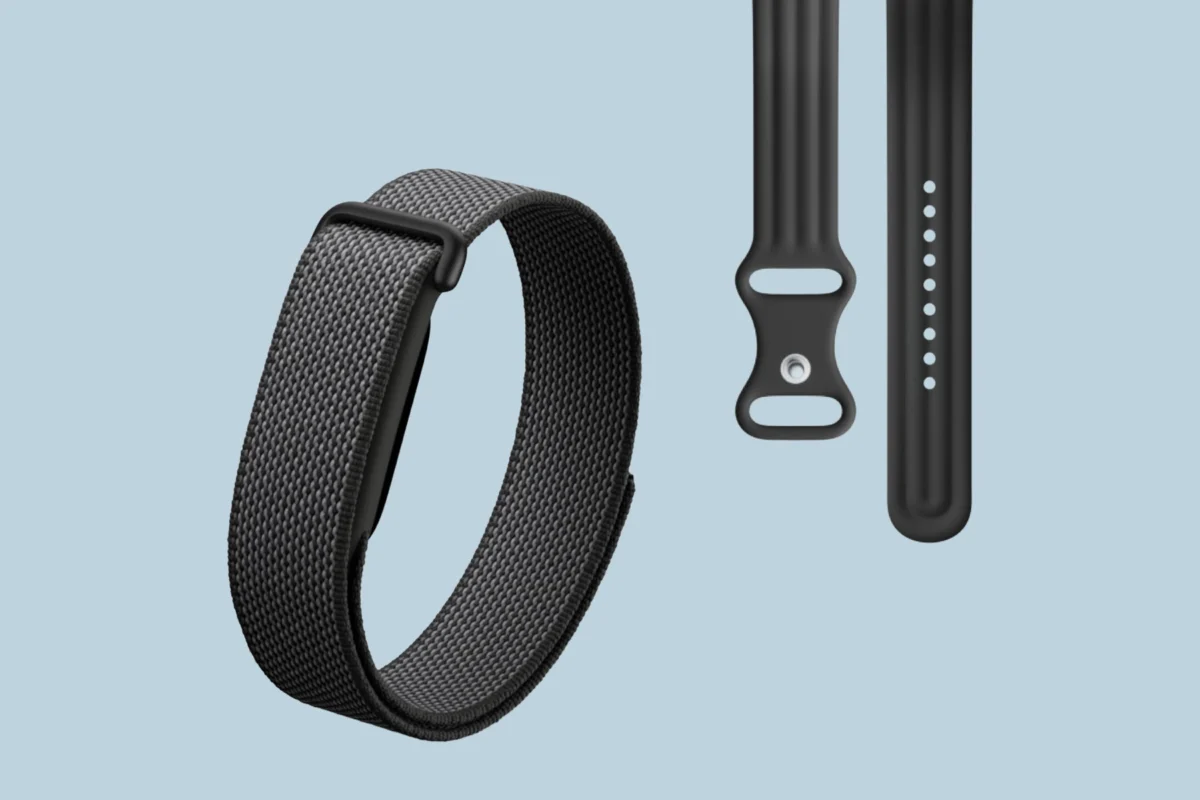
In an era where our wrists are increasingly crowded with vibrant, high-resolution screens—often mirroring the complexity and distraction of our smartphones—a significant segment of the consumer base is moving in the opposite direction. The launch of the Google Fitbit Air marks a strategic pivot for the tech giant, embracing the philosophy of "invisible technology." By stripping away the display and focusing entirely on raw data collection, Google is positioning the Fitbit Air as a direct, high-value competitor to brands like Whoop, catering to users who prioritize health insights over digital connectivity.
Main Facts: A New Approach to Health Tracking
The Google Fitbit Air is the company’s smallest, most unobtrusive wearable to date. Announced just days ago, the device is designed for those who desire continuous health monitoring without the intrusion of notifications, app alerts, or the constant urge to check their wrist.
Key technical specifications and features include:
- Display-less Design: The core module is a slim, lightweight unit housing high-precision sensors.
- Health Monitoring: Equipped with 24/7 heart rate tracking and comprehensive activity logging.
- The Google Health Ecosystem: Data is synced seamlessly to the Google Health app on iOS and Android, providing deep analytics.
- Battery Efficiency: The device offers up to one week of battery life, with a specialized fast-charging feature that provides a full day of usage from just five minutes of charging.
- Subscription Perks: Every purchase includes three months of access to the new "Google Health-Coach," which leverages AI to translate raw sensor data into actionable wellness advice.
- Ergonomics: Designed for 24/7 wear, including sleep, where its low-profile form factor is significantly more comfortable than bulky smartwatches.
Currently, the device is available for pre-order at a promotional price of €99.99, a bundle that includes an additional sports strap—a deal representing a 31% discount compared to the standard retail value of €144.98. The official market launch is slated for May 26.
Chronology: The Road to the "Air" Concept
The development of the Fitbit Air represents a culmination of years of market research conducted by Google since the acquisition of Fitbit.
- Early 2024: Market analysis indicates a growing "digital detox" trend among fitness enthusiasts, with a notable shift toward wearable devices that minimize screen time.
- Late 2024: Google begins development on a "stealth" form factor, focusing on battery density and sensor accuracy in a micro-sized chassis.
- May 2026 (Early Month): Leaks regarding a "Project Air" emerge within the tech community, suggesting a minimalist rival to subscription-based health trackers.
- May 2026 (Mid-Month): Google officially unveils the Fitbit Air, highlighting its focus on the Google Health-Coach integration.
- May 26, 2026: Official global launch and retail availability.
This timeline highlights Google’s responsiveness to the "Whoop-ification" of the fitness market—a shift toward hardware that acts as a background service rather than an active interface.

Supporting Data: Why Minimalist Wearables are Trending
The success of the Fitbit Air will likely hinge on the current consumer fatigue regarding "smartwatch sprawl." Data from industry analysts suggests that while smartwatches offer utility, their maintenance—daily charging, managing notifications, and physical weight—leads to a high "abandonment rate" among casual users.
The "Comfort-to-Compliance" Ratio
Studies on wearable technology consistently show that physical comfort is the single greatest predictor of long-term data consistency. If a user finds a device uncomfortable to wear while sleeping, the "Sleep Score" and recovery data become fragmented. By removing the display, Google has reduced the weight and thickness of the module, significantly increasing the likelihood that users will wear the device 24/7.
The Economics of the Bundle
The current pre-order promotion is a classic psychological pricing tactic. By offering a secondary strap at no extra cost, Google is effectively lowering the barrier to entry for the "ecosystem" transition. For users who might have previously been skeptical about committing to a new wearable platform, a sub-€100 price point for a bundle—which includes a spare band for cleaning or aesthetic variety—mitigates the risk of the purchase.
Official Responses and Strategic Intent
While official PR statements from Google emphasize the device’s role in "democratizing professional-grade health insights," industry experts note the underlying strategic intent: data accumulation.
"The goal for Google isn’t just to sell a hundred-euro piece of hardware," explains one industry analyst. "It is to integrate the user into the Google Health-Coach ecosystem. By providing a low-cost, high-utility device, they are building a bridge to a long-term subscription model where the hardware is merely the sensor, and the value lies in the AI-driven analytics."
Google’s focus on the "Health-Coach" service, included for three months, is the cornerstone of their monetization strategy. By the time the three-month trial expires, the user will have established a deep data history, making them significantly more likely to renew the subscription to maintain their longitudinal health tracking.
Implications for the Wearable Market
The arrival of the Fitbit Air signals a "bifurcation" of the wearable market into two distinct paths:
- The Communication Hub: Devices like the Apple Watch or the Google Pixel Watch, which act as extensions of the phone, focusing on productivity and connectivity.
- The Biometric Sensor: Devices like the Fitbit Air or the Whoop, which act as silent observers of the human body, focusing on recovery, cardiovascular health, and sleep optimization.
Impact on Competitors
The competition between the Fitbit Air and existing market leaders will be fierce. Whoop, which relies on a rigid subscription-only model, now faces a competitor that offers a more traditional purchase path (one-time payment) while still offering premium coaching services. This could force a shift in how companies charge for health insights, potentially leading to a more competitive, user-friendly pricing landscape.
The Privacy Consideration
As with any Google product, the integration of health data into the broader Google ecosystem raises standard questions regarding data privacy. While the company maintains that health data is handled with stringent security protocols, the move to place a sensor on the wrist that logs 24/7 biometrics is a significant expansion of the data profile Google maintains on its users. Consumers are increasingly aware of this, and the success of the Air will depend on Google’s ability to communicate the security and siloed nature of this health-specific data.
Conclusion: A New Standard for Daily Wellness
The Google Fitbit Air is more than just a new fitness tracker; it is a statement about how we should interact with our health data. By removing the distraction of the screen, Google is encouraging a more passive, yet consistent, form of health management.
For the average consumer, the choice is now clearer: do you want a digital assistant on your wrist that keeps you connected, or a silent, invisible coach that helps you improve your recovery and cardiovascular performance? As the market moves toward May 26th, the response from early adopters will determine if the "Air" philosophy becomes the new standard for wearable technology. If the pre-order numbers are any indication, the demand for "invisible" health tracking is stronger than ever.




















Leave a Reply