By International Arts & Culture Correspondent
In a striking display of principle over profit, the legendary German synth-pop band Alphaville has officially declined an invitation to perform at the "Glücksgefühle" festival at the Hockenheimring. The rejection follows a highly publicized controversy that ignited a national debate regarding the boundaries of artistic expression, the role of musicians in political discourse, and the state of democratic values in contemporary Germany.
The conflict, which unfolded in early September 2026, serves as a litmus test for the cultural sector’s relationship with rising political polarization. It highlights a widening rift between event organizers, who often prioritize neutral entertainment environments, and artists, who increasingly view their stages as vital platforms for defending democratic integrity.
The Chronology of a Cultural Clash
The controversy began when the organizers of the Glücksgefühle festival, led by Markus Krampe, moved to exclude Alphaville from the lineup. The stated reason for this decision was a fundamental disagreement regarding the content of the band’s stage presence. According to internal reports, the festival management attempted to impose a restriction on "political statements" during the band’s set.
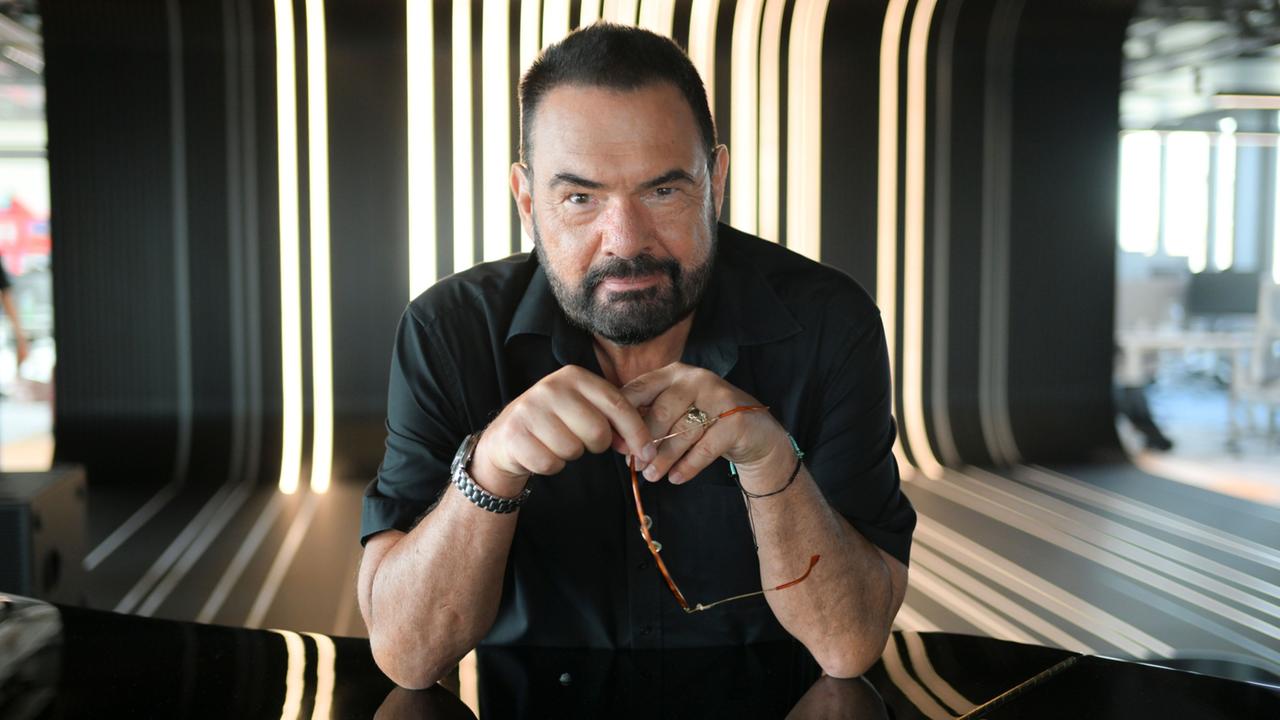
Alphaville, led by iconic frontman Marian Gold, has been increasingly vocal in its opposition to right-wing extremism, consistently using their platform to advocate for democratic resilience and to criticize the Alternative for Germany (AfD) party.
Following the initial cancellation, the band’s refusal to be silenced sparked a massive wave of solidarity from across the German music and entertainment industry. Faced with public backlash and mounting pressure, festival organizer Markus Krampe issued a formal apology and extended a renewed invitation to the band. In a public statement, Krampe conceded, "Freedom of expression is the highest good we have in Germany; it must be protected."
However, the gesture of reconciliation was not enough to salvage the partnership. In a firm response, Marian Gold announced that the band would not perform. "We acknowledge the apology and the re-invitation," Gold stated via his representatives. "However, the preceding remarks created an atmosphere in which we cannot see ourselves performing. We hope that from now on, the organizer will duly respect the significance of freedom of speech and artistic liberty."
In a final act of protest, the band confirmed that the proceeds from the cancelled appearance would be donated to a non-profit organization, reinforcing the message that their stance is rooted in conviction rather than financial gain.
"Art is Free": The Philosophical Divide
The core of the dispute rests on the definition of an artist’s responsibility. In an exclusive interview with tagesschau24, Marian Gold articulated a philosophy that resonates with a significant portion of the European creative community.
"Music is part of art—and art is free," Gold emphasized. "If one argues that political topics should not be addressed, it constitutes a restriction of artistic freedom. In a country like Germany, which is built upon democracy and our Basic Law, that is completely unacceptable. It is a position that cannot be tolerated."
For Gold, the stage is not merely a venue for entertainment, but a space for dialogue. He argues that by attempting to "depoliticize" the arts, organizers are effectively silencing a critical component of civil society. The artist contends that when the foundational values of a nation are under threat, silence from influential cultural figures is an abdication of responsibility.
The Political Context: Confronting the "AfD"
The tension surrounding the festival is not an isolated incident; it mirrors the broader anxiety gripping Germany regarding the rise of the AfD. Gold, who describes his own political views as falling within the liberal-to-left spectrum, expresses grave concern over the current political trajectory of the country.
"The focus in Germany is shifting," Gold noted. "There is a gathering storm around the AfD. These forces harbor repulsive political ideas that, should they ever come to power, would threaten the very fabric of our democracy and potentially transform Germany into a dictatorial state."
Gold argues that the rise of right-wing populism is not merely a political phenomenon but a direct threat to the 80-year legacy of peace and stability in post-war Germany. He acknowledges that the political establishment has "slept through" many of the social challenges of the last two decades, creating a vacuum that radical elements have exploited. However, he remains steadfast in his defense of the democratic status quo: "Even with the shortcomings of the established parties, they remain the salvation for this country. It is the duty of artists to wake the people up."
Implications for the German Cultural Landscape
The "Alphaville Affair" has triggered a widespread discussion about the responsibilities of festival promoters and corporate sponsors in an increasingly divided society.
The Myth of Neutrality
The incident has effectively dismantled the idea that any large-scale event can remain "politically neutral." Critics of the festival’s initial stance argue that by demanding a "no politics" policy, organizers were effectively taking a political position—one that favors the status quo and discourages dissent against extremism. As political scientist Dr. Elena Fischer notes, "When organizers demand silence on critical issues, they are not practicing neutrality; they are practicing censorship. In a healthy democracy, the arts are a mirror held up to society, and that mirror often reflects uncomfortable truths."
A New Generation of Activist Artists
Alphaville’s decision signals a potential shift in how legacy acts interact with their commercial environments. For decades, many artists operated under the "shut up and sing" paradigm, fearing that political engagement would alienate parts of their audience. Gold’s actions suggest that a growing number of artists are moving past this fear, realizing that their cultural capital gives them a unique platform to defend the democratic values that allow their art to flourish in the first place.
The "Silent Minority" vs. The Majority
Gold’s assessment that the AfD represents a "large minority" that must not be allowed to dictate the future of the nation is a sentiment gaining traction across Germany. His insistence that the majority of the population remains committed to democratic values serves as a rallying cry. "We must not let this minority win," he stated. "For the first time in 80 years, we are truly at a point where we have to fight for the values from which we have all benefited."
Conclusion: The Cost of Conviction
The refusal of Alphaville to return to the Hockenheimring stage is more than a missed concert; it is a profound statement of principle. It serves as a reminder that the rights we enjoy—freedom of expression, freedom of assembly, and the freedom to debate—are not self-sustaining. They require constant vigilance and the courage to take a stand, even when it is inconvenient or costly.
As the German cultural sector looks forward, the legacy of this event will likely be a more rigorous interrogation of where, and how, artists engage with the political realities of their time. For Marian Gold and Alphaville, the choice was clear: their music may be for everyone, but their platform is reserved for the defense of the freedoms that make their art possible.
In the words of the band, the struggle is far from over. As they continue their work, they do so with the conviction that in a democratic society, silence in the face of extremism is not a virtue—it is a surrender. The music continues, but it is now underscored by a renewed sense of purpose, serving as a reminder that in the face of shifting political tides, the artist’s voice remains one of the most powerful tools for civic engagement.