Introduction: The Aftermath of a Catastrophe
In the quiet city of Magdeburg, a single, devastating event transformed the lives of dozens of families in an instant. The legal proceedings that followed were not merely a search for a verdict, but a grueling public inquiry into how such a tragedy could occur and what justice truly looks like for those left behind. As the dust settles on the courtroom, the survivors and the families of the victims are left to navigate the difficult path toward healing—a path that remains obstructed by the haunting memory of the "Todesfahrer" (the driver who caused the death).
This report examines the legal, psychological, and systemic implications of the Magdeburg trial, analyzing what the verdict provided for the survivors and why the legal system often leaves a gap between "guilt" and "closure."
The Chronology of a Tragedy
To understand the significance of the trial, one must revisit the timeline of the event. The incident, which shocked the nation, began on a seemingly ordinary day.
The Incident
The driver, operating a vehicle under circumstances that would later be scrutinized for months in court, veered into a crowd. The immediate aftermath saw emergency services struggling to triage victims in a scene of absolute chaos. Witnesses reported a "deafening silence" followed by screams—a sensory memory that would later feature prominently in the victim impact statements during the trial.
The Investigation
Local authorities launched an exhaustive investigation. Forensic experts reconstructed the vehicle’s path, speed, and the driver’s behavioral state leading up to the impact. The prosecution’s case centered on whether the incident was a momentary lapse in judgment or a conscious decision with fatal consequences.
The Trial
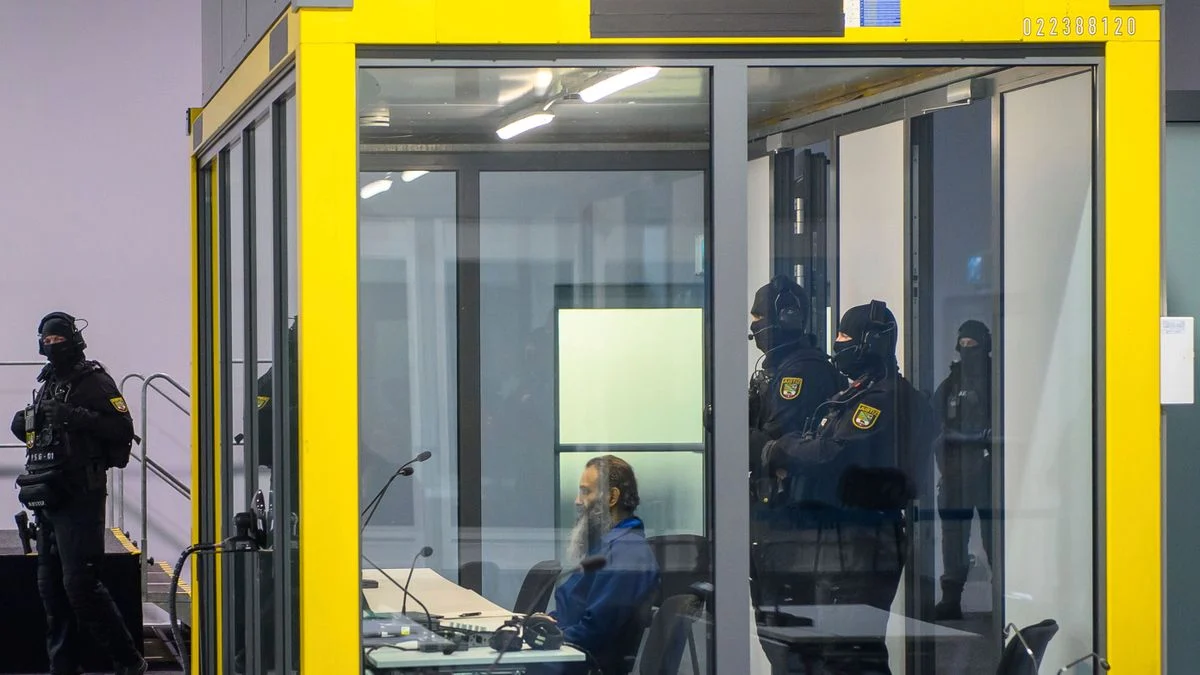
The proceedings in Magdeburg were marked by high emotional intensity. Survivors were called to testify, forced to relive their darkest moments before a gallery of press and public onlookers. The defense argued for mitigating circumstances, focusing on the driver’s mental state, while the prosecution pushed for the maximum possible sentence, arguing that public safety and the sanctity of life necessitated a strong message from the judiciary.
Main Facts and Legal Findings
The trial concluded with a verdict that polarized the public. While the court found the driver guilty of the charges brought against him, the sentencing reignited debates regarding traffic law, justice for involuntary manslaughter, and the rights of victims in German criminal proceedings.
The Verdict
The judge, in delivering the sentence, acknowledged the pain of the survivors. However, the court was bound by the legal framework governing traffic offenses and culpability. The resulting prison term, while significant, did not satisfy the families who had hoped for a life-altering sentence for the perpetrator.
Key Evidence
- Telemetric Data: The car’s onboard computer provided an irrefutable log of speed and braking patterns, stripping away any ambiguity regarding the driver’s actions.
- Expert Testimony: Psychological evaluations provided the court with a complex, if contested, portrait of the driver’s state of mind.
- Survivor Statements: These accounts were the heart of the trial, providing the court with the human cost of the driver’s decisions—a cost that no prison sentence could ever repay.
Supporting Data: The Cost of Negligence
Statistical analysis of road safety in Saxony-Anhalt suggests that while major incidents like the one in Magdeburg are outliers, the underlying risks remain a persistent public health issue.
The Data Landscape
Recent studies indicate that road-related fatalities involving reckless driving have remained stagnant over the last five years, despite advancements in vehicle safety technology. In Magdeburg specifically, local government reports show an uptick in "distracted driving" incidents, prompting calls for stricter oversight.
Comparative Sentencing
When comparing this case to similar incidents in other German states, legal analysts noted a trend toward more restorative justice measures—where perpetrators are required to engage in victim-offender mediation. However, in this high-profile case, the adversarial nature of the trial dominated, leaving little room for such reconciliation.
Official Responses and Institutional Accountability
The aftermath of the trial saw various stakeholders, from city officials to victim advocacy groups, issuing statements.
Government and Law Enforcement
The Magdeburg authorities emphasized that the justice system functioned as intended, adhering strictly to the rule of law. A spokesperson for the judiciary stated: "The law provides the framework for punishment, but it is not designed to provide emotional catharsis. That is a task for the survivors and their support systems."
Victim Advocacy Groups
Conversely, victim support organizations were more critical. They argued that the trial process was inherently re-traumatizing. "The victim is often a footnote in the defendant’s legal strategy," said a representative from a national road safety advocacy group. "We need to change how the German legal system treats those who survive such events."
The Implications: What Remains?
The Magdeburg trial has left a lasting legacy that extends beyond the courtroom doors. It has sparked a national conversation about the limits of law and the necessity of victim-centered justice.
The Burden of Survival
For the survivors, the trial’s end is not the end of the journey. Many continue to grapple with Post-Traumatic Stress Disorder (PTSD) and the financial burden of ongoing medical treatment. The "justice" they received in court is, for many, an abstract concept that does not translate into a tangible improvement in their daily lives.
Policy Reform
The incident has catalyzed new discussions in the Bundestag regarding harsher penalties for reckless driving. Lawmakers are currently debating whether "gross negligence" should be elevated to a higher tier of criminal liability, potentially changing how future "Todesfahrer" cases are adjudicated.
A Community Transformed
Magdeburg itself has changed. The site of the incident has become a place of silent remembrance, and the local community has mobilized to ensure that the victims are not forgotten. The trial served as a mirror, forcing the city to confront its own vulnerabilities.
Conclusion: The Long Road Ahead
The Magdeburg trial will be remembered as a case study in the complexities of the modern justice system. While the law has rendered its decision on the driver, the true outcome of the trial—the healing of the survivors and the prevention of future tragedies—remains an ongoing, unfinished process.
As we look toward the future, the primary lesson of this tragedy is that legal verdicts are merely the beginning. True justice, in the eyes of the survivors, is not found in a sentencing report, but in the structural changes, societal awareness, and ongoing support that ensure such a catastrophe is never repeated. The city of Magdeburg, and indeed the nation, must now decide how to carry this burden forward, transforming memory into action and grief into a collective commitment to safer streets and more compassionate support for those who have lost everything.
Disclaimer: This article provides a comprehensive overview of the legal and social impacts surrounding the Magdeburg tragedy. For those seeking deeper analysis, data on victim support services and current legislative proposals for traffic safety reform are available through official state registries and legal archives.