Introduction: A Nostalgic Resurgence
In the collective memory of German television audiences, the Berlin of the 2000s is inextricably linked to two things: the "poor but sexy" ethos championed by SPD Mayor Klaus Wowereit and the steady, analytical gaze of Commissioner Felix Stark. For 13 years, Boris Aljinovic embodied this quintessential Berliner investigator, serving as the calm, cerebral anchor to the city’s post-reunification chaos. Now, in a move that has sent ripples of nostalgia through the German media landscape, the Rundfunk Berlin-Brandenburg (RBB) has confirmed that Aljinovic will reprise his iconic role for a special guest appearance in early 2027.
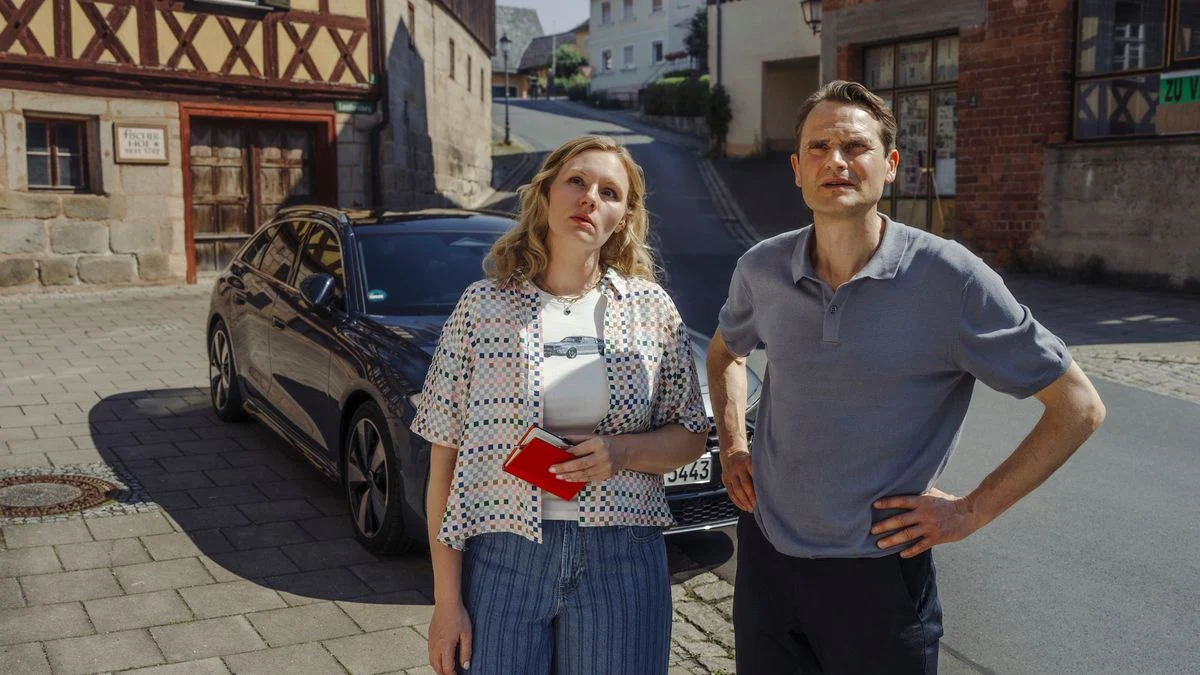
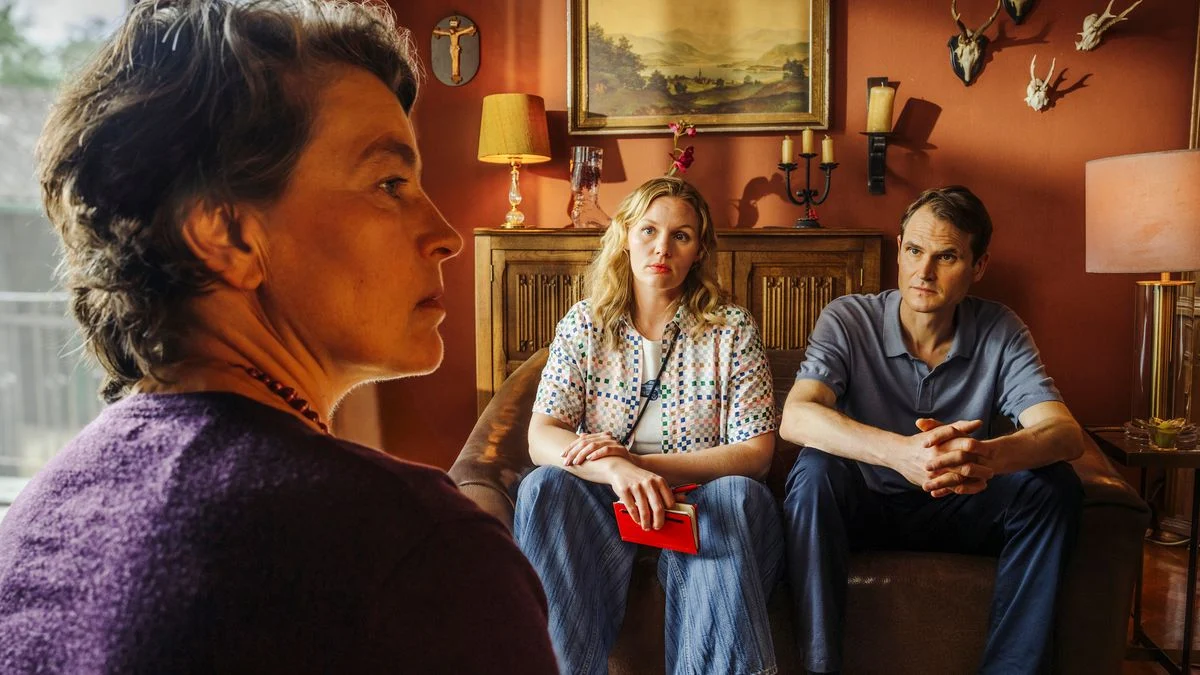
The return of Aljinovic, 58, marks more than just a casting decision; it is a bridge between the gritty, formative years of the Berlin Tatort and the contemporary, high-stakes procedural era. As he prepares to join current lead investigator Robert Karow (played by Mark Waschke) in the upcoming episode titled Zwei minus eins gleich null (Two minus one equals zero), the television world is taking a moment to look back at the legacy of a character who defined an era of German crime fiction.
The Era of "Poor but Sexy": A Chronology of the Stark Years
2001–2014: The Aljinovic-Raacke Dynamic
To understand the significance of Aljinovic’s return, one must revisit the early 2000s. When Boris Aljinovic first donned the badge in 2001, Berlin was in the throes of a massive cultural and economic transformation. The Tatort series needed a face that felt authentic to this shifting urban landscape.
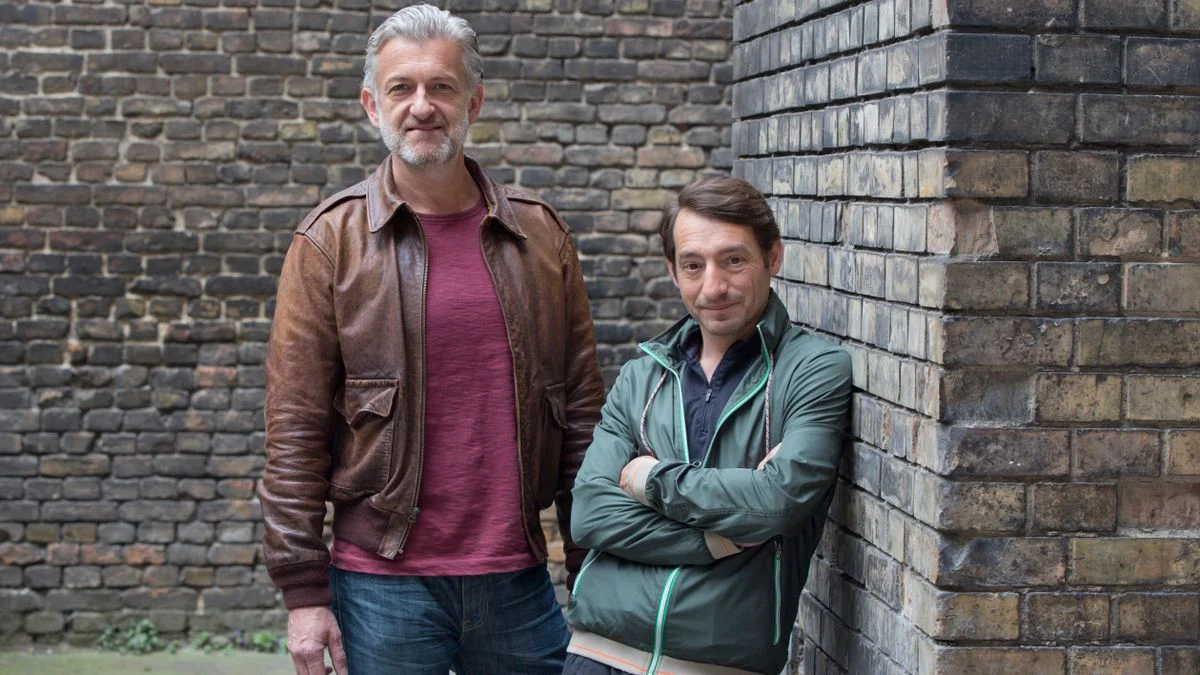
Aljinovic’s Felix Stark provided the perfect foil to Dominic Raacke’s Till Ritter. While Ritter was the impulsive, street-smart maverick—a character who often operated on gut instinct and raw emotion—Stark was the intellectual powerhouse. He was the meticulous note-taker, the man who scrutinized the evidence under a microscope while his partner chased suspects through the labyrinthine streets of Prenzlauer Berg and Kreuzberg.
Over the course of 31 episodes, the duo became a staple of the Sunday evening ritual. Their chemistry was built on the classic "odd couple" trope, yet it felt grounded. They were not superhero cops; they were overworked, under-resourced civil servants navigating a city that was itself trying to find its footing. When Raacke departed the series in 2014, Aljinovic carried the mantle alone for a final film before his tenure concluded. At the time, it seemed like the end of an era. For over a decade, fans believed that Stark had retired into the annals of TV history.
Supporting Data: The Evolution of the Berlin ‘Tatort’
A Shift in Narrative Strategy
The Berlin Tatort has always been a barometer for the city’s own identity. Following the departure of the Stark-Ritter era, the show underwent several iterations, attempting to capture the increasingly international and tech-heavy reality of the German capital.
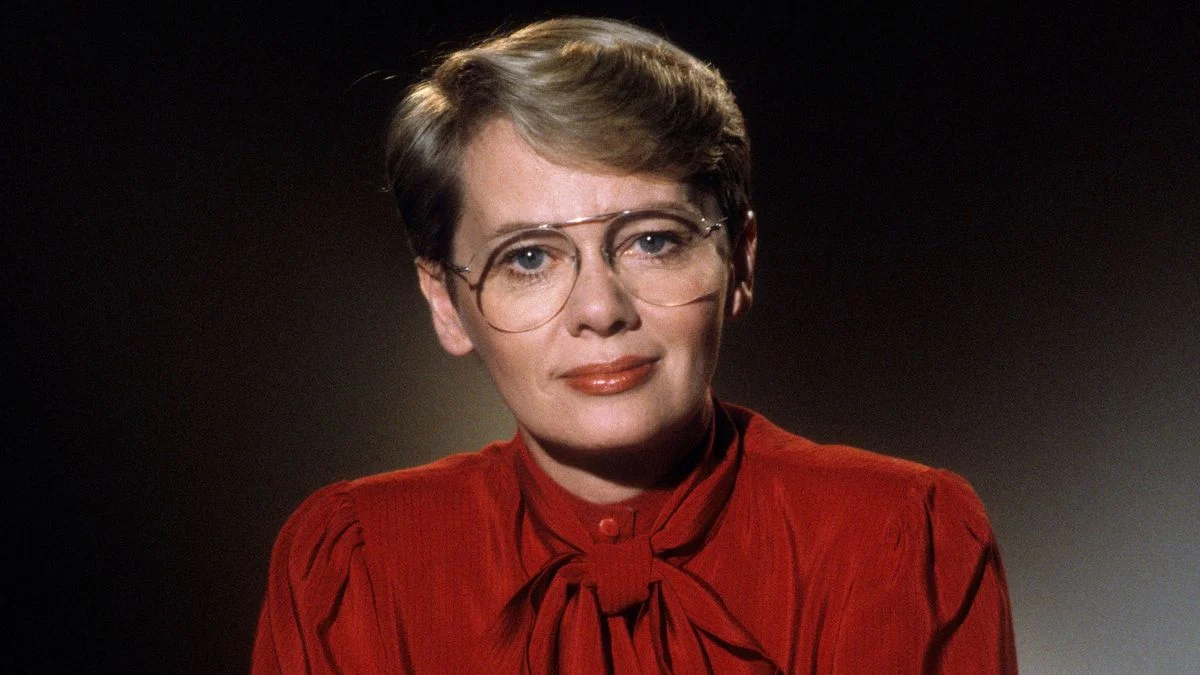
The current landscape is defined by Robert Karow (Mark Waschke), a complex, brooding figure who represents a more modern, psychological approach to crime-solving. However, the show has recently faced a period of transition. The highly publicized departure of Corinna Harfouch—who starred alongside Waschke for six episodes—has left a void in the investigative team.
By bringing back a legacy character like Felix Stark, the RBB is utilizing a strategic narrative device. Rather than simply introducing a new partner, the writers are leaning into the show’s rich history to solve a contemporary cold case. The premise of the upcoming episode is rooted in the idea that some crimes are too deep, too interconnected, and too long-standing to be solved by the current generation alone.
Official Responses and Production Details
The Plot of Zwei minus eins gleich null
According to official press releases from the RBB, the upcoming episode is currently in the late stages of production. Filming commenced in mid-June and is scheduled to wrap by mid-July. The plot centers on a suspected serial killer whose reach spans across decades—a narrative hook that provides the perfect logical reason for Karow to seek out his predecessor.
"Robert Karow finds himself at an impasse," a spokesperson for the production noted. "He realizes that to understand the pattern of the current perpetrator, he must look back at the cold cases that haunted Berlin in the early 2000s. There is no one better equipped to provide that insight than Felix Stark."
For Aljinovic, the return is a homecoming. After a decade of focusing on theater and other independent film projects, the actor has expressed enthusiasm about revisiting a character that he helped craft over thirteen years. His return is not merely a cameo; the RBB has emphasized that his character plays a pivotal, active role in the investigation.
Implications: Why Legacy Characters Matter
The Power of Institutional Memory
The decision to bring back Aljinovic highlights a growing trend in television: the utilization of "legacy IP" (intellectual property) to anchor evolving series. In a streaming-saturated market where viewers are inundated with new content, the Tatort series relies on its status as a German cultural institution.
- Bridging Generations: By pairing the 2000s-era Stark with the modern-day Karow, the show effectively bridges the gap between different demographics of the Tatort audience. It appeals to long-time fans who remember the "poor but sexy" days, while introducing the legacy of the show to newer, younger viewers.
- The "Cold Case" Narrative: This format allows the show to explore its own history. Every Tatort episode is a snapshot of its time; by revisiting the past, the writers can comment on how the city of Berlin—and the police force tasked with protecting it—has changed.
- Market Longevity: With the position of Karow’s permanent partner currently vacant, this special appearance acts as a "taster" for the audience. It allows the production team to test audience engagement with different dynamics before committing to a long-term successor for Harfouch.
A Reflective Look at the Capital
Beyond the plot, the return of Stark serves as a meta-commentary on Berlin itself. The city of 2027 is vastly different from the city of 2001. Rents have skyrocketed, the "Nachwendegeist" (the spirit of the post-reunification period) has largely evaporated, and the city is a global tech and culture hub. Seeing Felix Stark—a man who represents the "old" Berlin—walking through the streets of the "new" Berlin creates a poignant contrast. It forces the audience to consider what has been lost in the city’s rapid gentrification and what has remained constant.
Conclusion: Looking Toward 2027
As the production team wraps up filming in the heat of a Berlin summer, the anticipation for the 2027 broadcast is already building. Zwei minus eins gleich null promises to be more than just a standard crime thriller; it is a retrospective on the evolution of German law enforcement, a tribute to the actors who built the foundation of the Berlin Tatort, and a testament to the enduring appeal of one of Germany’s most beloved investigators.
Boris Aljinovic’s return to the precinct is a reminder that in Berlin, nothing ever truly disappears—it merely waits for the right time to resurface. Whether this leads to a permanent return or serves as a final, definitive closing of the chapter, the return of Felix Stark is a cinematic event that marks a significant moment in the storied history of the ARD crime franchise. As fans wait for the 2027 release, they are reminded that while the city may change, the search for justice remains a constant, unfolding narrative across time.