When the final bass drop fades and the stage lights flicker to darkness, the aftermath at many of Europe’s largest music festivals tells a story that is far less melodic than the performances that preceded it. Where there was once vibrant energy and thousands of music lovers, there is often a grim, silent landscape: rows of abandoned tents, skeletal remains of plastic pavilions, thousands of discarded single-use cups, and mountains of trash that defy imagination.
As of late August 2026, the discussion surrounding the environmental footprint of these massive cultural events has reached a tipping point. While the industry is increasingly aware of its “waste legacy,” environmental watchdogs and activists argue that the pace of change is glacial compared to the urgency of the climate crisis.
The Scale of the Crisis: A Post-Apocalyptic Legacy
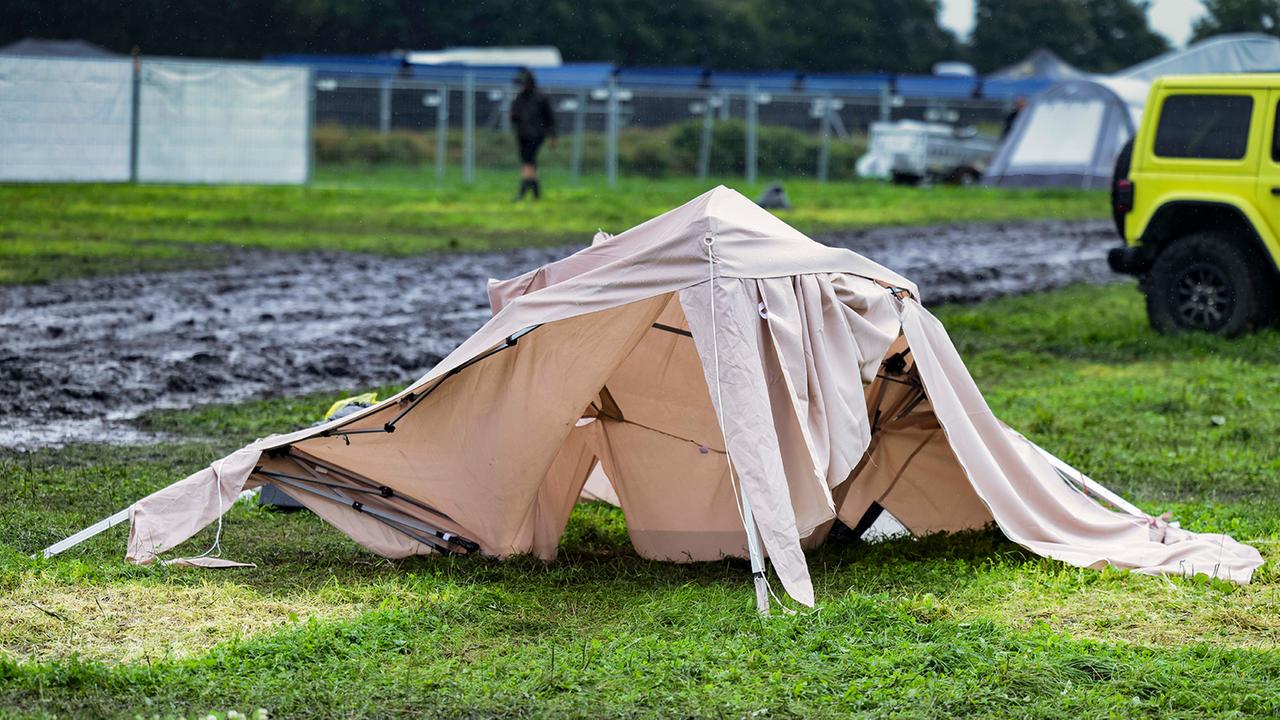
The imagery circulating on social media after a typical multi-day festival has become a grim sub-genre of viral content. "Post-apocalyptic" is the descriptor most frequently applied to the fields left behind. For many attendees, the convenience of the “throwaway culture” has extended to their camping gear. Tents, often purchased cheaply for a single weekend, are frequently abandoned, treated as disposable items rather than durable equipment.
The numbers behind this phenomenon are staggering. According to 2019 estimates from the Association of Independent Festivals (AIF), roughly 250,000 tents are left behind at festivals in the United Kingdom alone each year. When extrapolated across the European continent, the figures suggest a catastrophic waste of synthetic materials, metals, and plastics that end up in landfills, contributing to a massive carbon and resource footprint.
A Chronology of Neglect and Recent Awareness
To understand how we reached this point, it is necessary to look at the evolution of the festival experience over the last two decades.
- Early 2000s: The rise of “mega-festivals” saw a surge in mass tourism. Camping became a standardized part of the experience, but the culture of “leave no trace” was rarely prioritized by organizers.
- 2015–2018: Public awareness regarding plastic pollution began to rise. Festivals started introducing basic recycling schemes, but these were often performative or hampered by poor infrastructure.
- 2019–2021: The AIF study shed light on the tent-waste crisis, triggering headlines and initial industry pushback. The COVID-19 hiatus provided a brief window for organizers to rethink logistics, yet the return to live music in 2022 saw a surge in waste volumes.
- 2023–2026: Current pressure has intensified. Environmental NGOs, specifically the Deutsche Umwelthilfe (DUH) in Germany, have begun conducting rigorous audits of festival waste management, publicly naming and shaming events that fail to implement circular economy principles.
The "NeuerDings" Initiative: Turning Tents into Treasures
In the shadow of the problem, grassroots movements are attempting to bridge the gap between awareness and action. One such project is NeuerDings, a student-led initiative from Braunschweig. Their approach is both practical and symbolic: they visit festival grounds after the gates close to collect abandoned, perfectly functional tents.
“It is truly shocking what is left behind,” says Lucas Starke, an organizer with the initiative. “We see brand-new camping chairs, intact tents, and high-quality gear simply discarded as if it were trash. It’s a waste of resources that is hard to comprehend.”
The team repurposes the fabric from these abandoned tents to manufacture durable bags and accessories, which they then sell at the same festivals the following year. While the project serves as a practical recycling effort, Starke is the first to admit that it is a drop in the ocean. “We could collect a hundred times more material than we have the capacity to process,” he notes. “Our primary goal isn’t just the recycling; it’s the conversation. We want to show people that their gear has value and that leaving it behind is a conscious choice to be wasteful.”
Official Responses and the "Greenwashing" Critique
The scrutiny from environmental groups like the DUH has forced festival organizers to defend their sustainability strategies. The DUH recently surveyed ten of the largest festivals in Germany, revealing that while many organizers boast of "green initiatives" on their websites, these are often superficial.
“The gap between the marketing and the reality is significant,” says Elena Schügg of the DUH. The criticism centers on a lack of systematic waste management. Many festivals continue to rely on single-use plastic cups, non-recyclable food containers, and promotional "giveaways" that serve no purpose other than to create trash.
Data Points of Concern:
- The Single-Use Trap: At a single event like Parookaville, the DUH identified approximately 600,000 single-use cups, 250,000 beverage cans, and nearly half a million single-use food service items. This amounts to roughly 23 tons of avoidable waste in one weekend.
- The Hidden Tech Waste: Beyond plastic, festivals are increasingly using RFID chips embedded in wristbands for cashless payments. While efficient, these chips often contain complex electronics that are treated as hazardous e-waste after the event, adding another layer to the sustainability challenge.
Implications for the Future of Festivals
The pressure on the industry is mounting from three directions: government regulation, consumer expectation, and logistics.
1. Regulatory Pressure
In several European jurisdictions, legislators are beginning to mandate stricter waste management protocols. This includes potential bans on single-use plastics at large-scale events and requirements for organizers to prove that they are managing waste streams effectively.
2. The Cultural Shift
There is a growing divide in the festival community. On one hand, there is the “throwaway” demographic; on the other, there is a dedicated segment of fans who view sustainability as part of their identity. Notably, the metal music scene has seen a positive shift. Organizers of the Summer Breeze festival in Bavaria reported that recent years have seen the cleanest grounds in the festival’s history, with fans taking pride in clearing their sites. This suggests that community culture and peer-to-peer pressure can be more effective than top-down mandates.
3. The Economic Argument
Sustainability is no longer just an ethical concern; it is becoming an economic one. As landfill taxes rise and the costs of cleaning up massive sites increase, festival operators are realizing that waste reduction is better for their bottom lines. Implementing reusable cup systems, for example, requires an initial investment but pays off in reduced waste disposal fees and improved public relations.
Conclusion: A Turning Point for the Industry
The era of the "disposable festival" is under threat—and rightly so. The findings of the DUH and the work of initiatives like NeuerDings highlight that while the industry is making slow progress, it is still operating with massive "blind spots."
The challenge ahead is twofold: organizers must move beyond performative sustainability to implement systemic, circular processes, and the fans themselves must reclaim the responsibility of their own gear. A festival should be a celebration of sound and community, not a fleeting, destructive event that leaves a permanent mark on the land. As the industry looks toward the next festival season, the message from the abandoned fields is clear: the party cannot continue at the expense of the planet. Sustainable festivals are not just a possibility; they are a necessity for the survival of the culture itself.