By Sports Editorial Staff
Updated: June 22, 2026
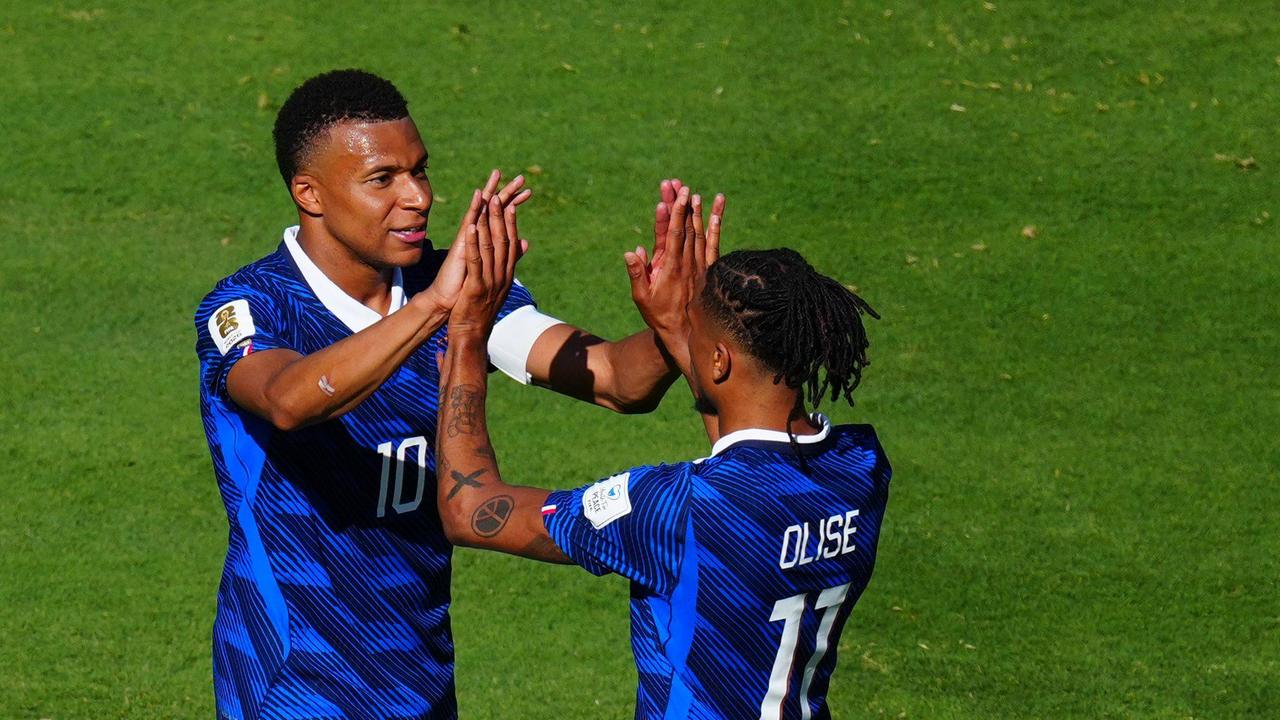
The 2026 FIFA World Cup has begun with a tremor that has rippled through the global footballing landscape. As traditional powerhouses struggle against the tactical discipline of "underdog" nations, the Equipe Tricolore found themselves in a precarious position during their tournament opener against a resilient Senegal side. However, in the high-pressure cauldron of opening-match nerves, France found salvation in the form of a burgeoning partnership that could redefine the tournament: Kylian Mbappé and Michael Olise.
As the dust settles on a 3-1 victory, it is becoming increasingly clear that the synergy between these two distinct talents represents the lethal tip of the spear for Didier Deschamps’ quest for a third World Cup title.
The Anatomy of the Opener: A Tale of Two Talents
The opening 45 minutes against Senegal were, by French standards, underwhelming. Kylian Mbappé, the talismanic captain, appeared disconnected from the rhythm of the game. His movement was labored, his defensive tracking was lackadaisical, and his trademark bursts of acceleration were stifled by a compact, disciplined Senegalese backline.
Yet, the mark of a champion is the ability to influence a match even when the collective rhythm is missing. Mbappé, now the nation’s record goalscorer with 58 international strikes, eventually shook off the lethargy to secure a brace. But the headlines following the match were paradoxically dominated by the man who didn’t score: Michael Olise.
The Catalyst: Michael Olise’s Tactical Masterclass
While Mbappé provided the lethal finishing, it was Olise who provided the structural ingenuity. Named "Man of the Match" by FIFA, the Bayern Munich playmaker acted as the conductor of the French attack. The turning point arrived in the 66th minute, a moment of pure technical brilliance that broke the deadlock. Olise, operating with a vision that seemed to slow time, threaded a surgical pass through the heart of the Senegalese defense. It was a ball of such precise weighting that Mbappé had only to rotate and strike to put France in front.
A Tactical Pivot: Deschamps’ Masterstroke
The second half saw a definitive shift in France’s tactical approach. Didier Deschamps, never one to shy away from mid-game adjustments, ordered a positional swap between Ousmane Dembélé and Olise. By drifting Olise from the wide right channel into the "half-space"—the narrow corridor between the opposing midfield and defensive lines—Deschamps unlocked the full potential of his creative engine.
"The positional change was the catalyst for our success," Deschamps remarked in the post-match press conference. "When Michael plays wide, he is a threat on the dribble, but when he occupies the space between the lines, his vision and passing range become the heartbeat of our progression. He allows us to find our attackers in pockets of space that simply don’t exist against rigid defensive structures."
Statistics corroborate the manager’s assessment: following the shift, Olise was directly involved in over 50% of France’s attacking sequences.
Olise: The Evolution of a World-Class Talent
For those who have followed the Bundesliga over the past two years, Olise’s rise to the international stage is not a surprise, but a culmination. The 24-year-old has transitioned from a precocious talent at Crystal Palace to a cornerstone of the Bayern Munich dynasty.
The "Signature Move" and Beyond
Olise’s game is defined by a unique combination of nonchalance and extreme technical efficiency. His signature move—cutting inside from the right flank to curl a left-footed strike into the far corner—has drawn inevitable comparisons to Dutch legend Arjen Robben. However, there is a dimension of playmaking in Olise’s game that separates him from the traditional inverted winger.
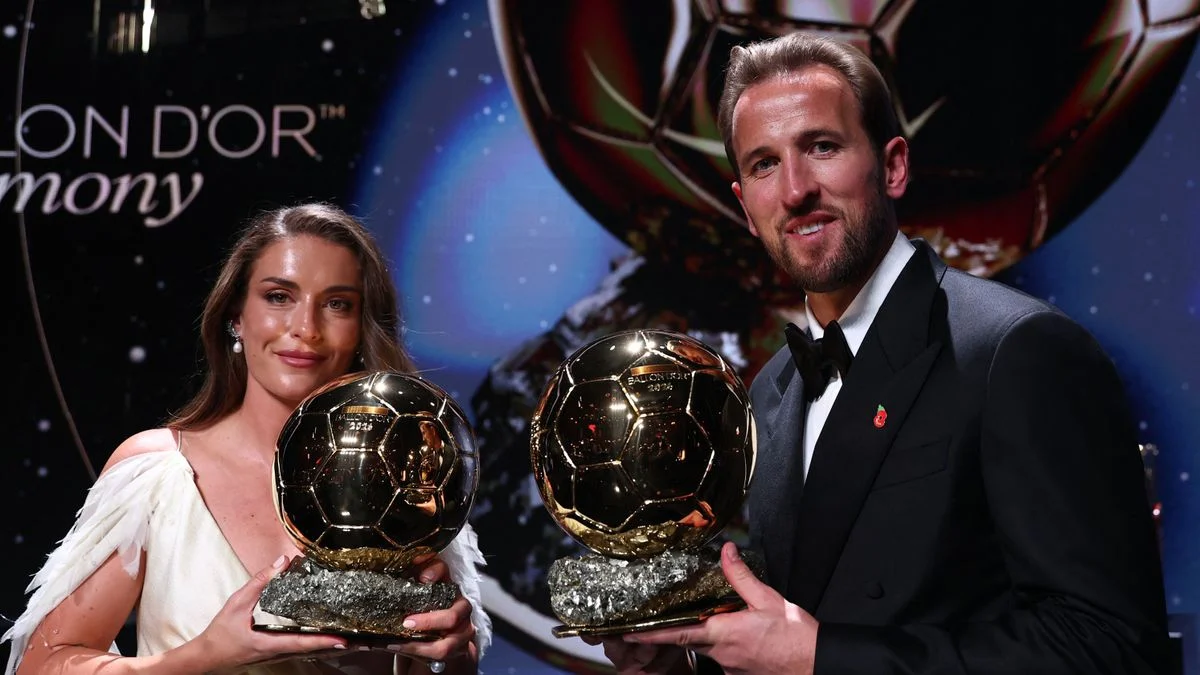
In 66 Bundesliga appearances, he has amassed a staggering 61 goal contributions (27 goals, 34 assists). His 19 assists in the previous campaign set a league record, solidifying his status alongside Harry Kane as one of the most transformative signings in Bayern’s storied history.
The Coronation: A Future Ballon d’Or Winner?
The praise for the youngster has reached a crescendo, with legendary French midfielder Patrick Vieira adding his voice to the chorus. "We had Michel Platini, we had Zinedine Zidane, and I believe we now have Michael Olise," Vieira told ITV Football. "He has every attribute required to command the global stage. His understanding of the game is years beyond his age, and the quality of his service to Mbappé is world-class."
Mbappé’s Historical Pursuit
While the partnership with Olise is the current focus, Kylian Mbappé’s individual trajectory remains the primary narrative of the 2026 tournament. With his brace against Senegal, the 27-year-old has surged to 14 career World Cup goals. He is now within striking distance of the all-time record held by Miroslav Klose and Lionel Messi (16), and the legendary Ronaldo (15).
The Weight of the Armband
Deschamps has been quick to highlight the maturity Mbappé has brought to the captaincy. "From the very first day of this camp, he has been entirely committed to the collective," the coach noted. "He understands that while he is a player who creates magical moments, his responsibility is to lead. The world adores him, and he earns that adoration through his output and his leadership."
Mbappé’s goal in stoppage time—a blistering 22-meter strike into the top left corner—was more than just a scoreline enhancer; it was a statement of intent. It extinguished any lingering hopes of a Senegalese comeback and signaled that the French captain is in peak physical and mental condition.
Implications: The Road to New York
The immediate horizon for France is a clash against Iraq on Monday. This fixture is being viewed as a "must-win" to secure an early berth in the round of 32. However, the internal goals for the team are far loftier.
The Path Forward
The coaching staff’s directive for the remainder of the group stage is clear:
- Mbappé’s Focus: Remain the lethal apex predator in the central channel.
- Olise’s Mandate: Continue to occupy the half-spaces and act as the creative bridge between the midfield and the attack.
As Deschamps succinctly put it, "The more Michael touches the ball, the better we perform."
The integration of Olise into the French side has provided a new dimension of creativity that was arguably missing in the 2022 campaign. By balancing the raw, explosive power of Mbappé with the delicate, high-IQ playmaking of Olise, France has constructed a duo that mirrors the historic partnerships of the past.
As the tournament moves toward the knockout phases, the world will be watching to see if this "New French Renaissance" can carry the team all the way to the final in New York on July 19. If the opening performance against Senegal is any indication, the rest of the world has been put on notice: France has not only arrived at the 2026 World Cup; they are here to dominate it.