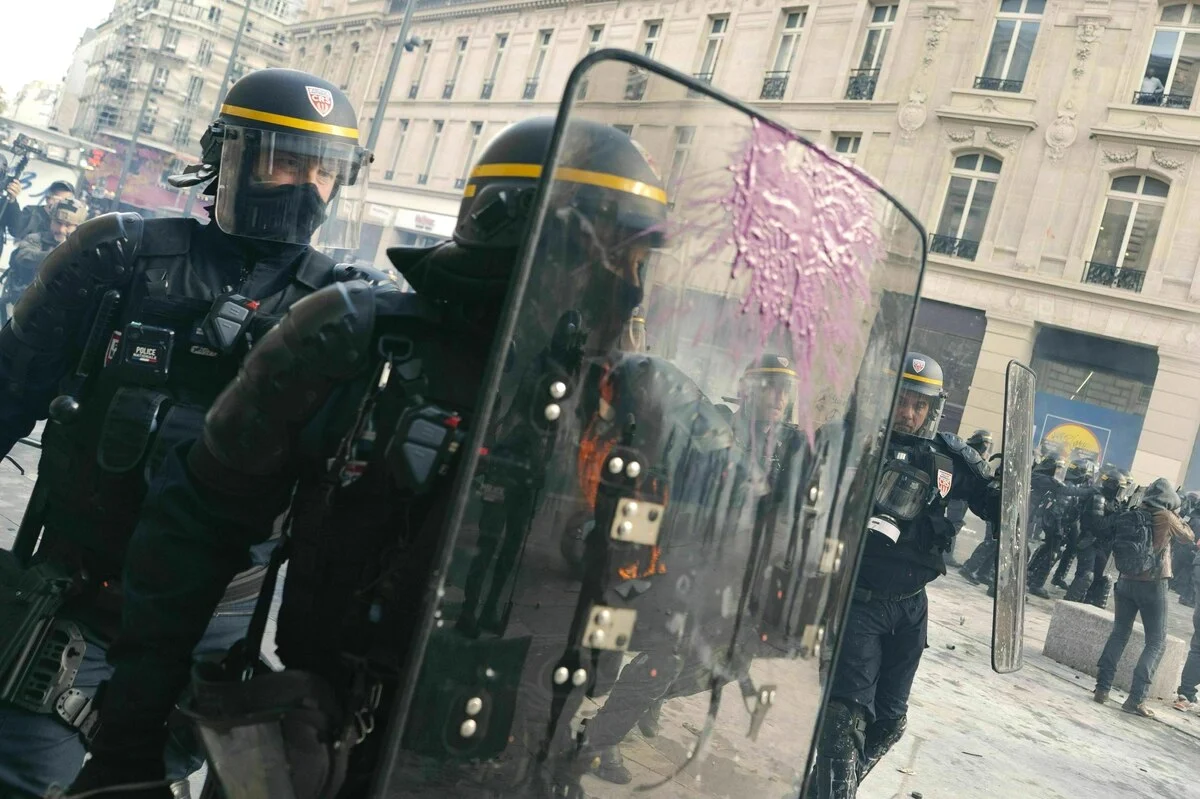
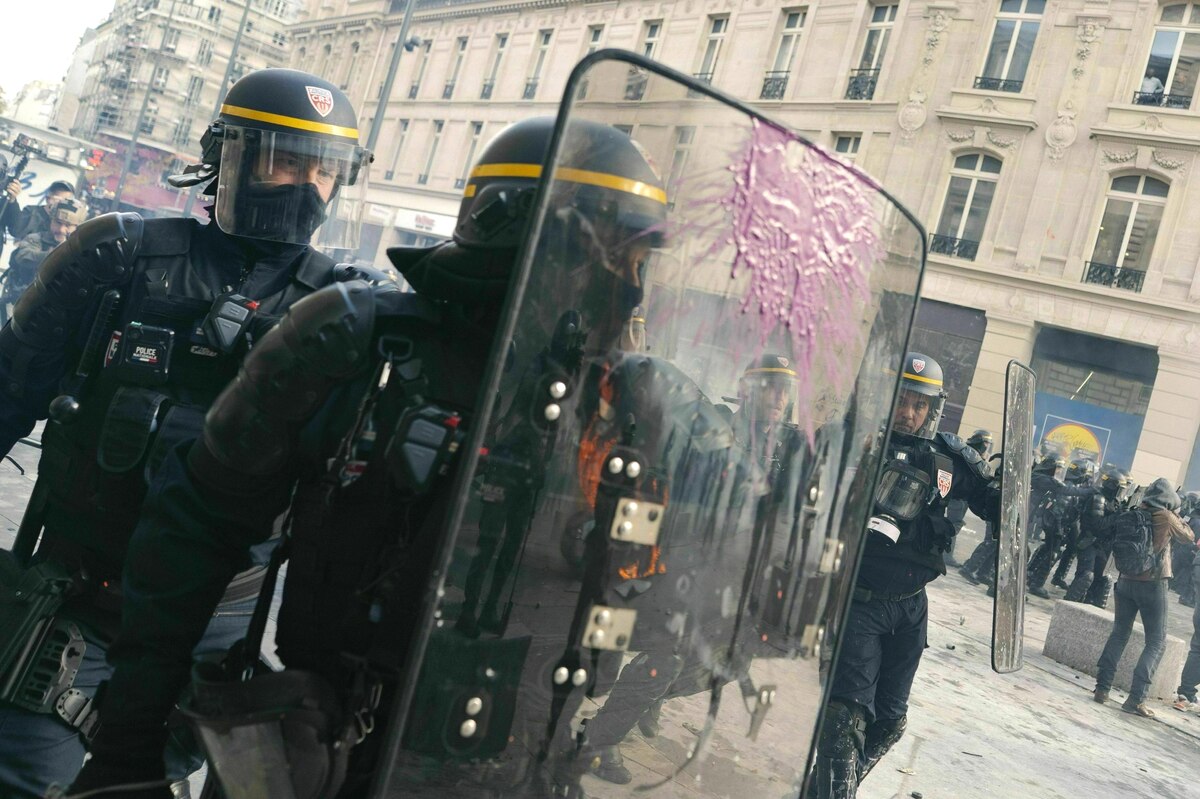
The images from the night of October 17th were burned into the collective consciousness of the French public: flames licking the facades of municipal buildings, the shattered glass of luxury boutiques in the heart of Paris, and plumes of smoke rising over Marseille, Lyon, and Limoges. To the casual observer, and certainly to the French political establishment, these scenes represented the chaotic culmination of a protest movement gone rogue.
However, beneath the surface of the televised carnage lies a deeper, more structural malaise. While the government and the mainstream conservative media have mobilized a narrative pinning the blame squarely on the shoulders of the left-wing party La France insoumise (LFI) and its leader, Jean-Luc Mélenchon, a critical analysis suggests that the unrest was not a failure of the opposition, but a failure of the state—a predictable consequence of systemic inequality, fiscal mismanagement, and a dangerous political gamble by the Macron administration.
A Chronology of Escalation: From Peaceful Protest to Conflagration
The unrest did not emerge in a vacuum. It began as a series of student-led mobilizations, driven by genuine grievances regarding living standards, the quality of public education, and the increasing precarity of the younger generation. Initially, the movement was defined by its legitimate demands. However, the government’s response to these early demonstrations was characterized by a rigid, securitized approach.
Instead of engaging with the students, the state opted for a strategy of repression. Peaceful protesters were met with tear gas and heavy-handed police tactics. The human cost of this approach was visceral: one student lost an eye and half his jaw to a projectile, while another had his hand severed by a grenade. These were not merely "clashes"; they were traumatic events designed to instill fear and stifle dissent.
Instead of cowing the movement, this brutality acted as a catalyst. The student mobilization began to cross-pollinate with other marginalized sectors of society: teachers, parents, the "Yellow Vest" movement, and labor unions. By October 17th, the movement had transformed from a targeted student protest into a broader insurrectionary wave against the skyrocketing cost of living. The demonstration that night, organized largely through social media without a centralized leadership, possessed an amorphous, uncontrollable quality that terrified the political elite.
The Politics of Blame: Who Orchestrated the Narrative?
In the immediate aftermath of the riots, the French political apparatus acted with remarkable synchronization. From the Élysée Palace to the halls of the Senate, the target was singular: Jean-Luc Mélenchon. Senate President Gérard Larcher, the third-highest-ranking official in the state, went so far as to openly speculate about banning LFI entirely, framing the party as a fundamental threat to the democratic order.
This narrative served a dual purpose: it criminalized dissent and deflected attention from the state’s own role in the chaos. The government’s official explanation—that it had "underestimated" the scale of the protests—was met with widespread skepticism. Reports from the investigative outlet Mediapart have since suggested a more cynical reality: the government actively instructed intelligence agencies to manipulate the narrative to implicate LFI in the violence.
The prosecution’s subsequent admission that they could "absolutely not confirm" any involvement of the far-left in the riots effectively exposed the government’s maneuver as a transparent, albeit desperate, political strategy. Even moderate political forces, such as Raphaël Glucksmann’s Place publique and the Socialist Party, felt compelled—albeit with caution—to distance themselves from the government’s characterization of LFI, sensing the hollowness of the state’s rhetoric.
The Economic Mirage: Dividends vs. Development
To understand the fury of the streets, one must look at the fiscal priorities of the current regime. While the government claims the treasury is empty—citing this as the reason for the crumbling state of schools, hospitals, and public services—the economic data suggests a different story.
In the same year that students took to the streets to demand a mere 10 billion euros for the education system, French corporations distributed a staggering 70 billion euros in dividends to their shareholders—the second-highest payout globally, surpassed only by the United States. This represents a systemic extraction of national wealth, siphoning resources away from the public sphere and into the coffers of the elite.
When children from the banlieues (suburbs) look toward the centers of prosperity—at the luxury boutiques, the high-end gastronomy, and the cultural monuments from which they are effectively excluded—the anger is not merely a reaction to policy; it is a recognition of systemic injustice. The riots, therefore, function as a violent, desperate attempt to "overturn the table" of a system that has become a giant vacuum, sucking up the public good for private gain.
The International Dimension: A Globalized Right-Wing Crusade
The turmoil in France has not gone unnoticed by the international community, and the reactions from abroad reveal the broader geopolitical stakes of the current crisis. Far-right leaders worldwide have weaponized the French unrest to serve their own domestic agendas.
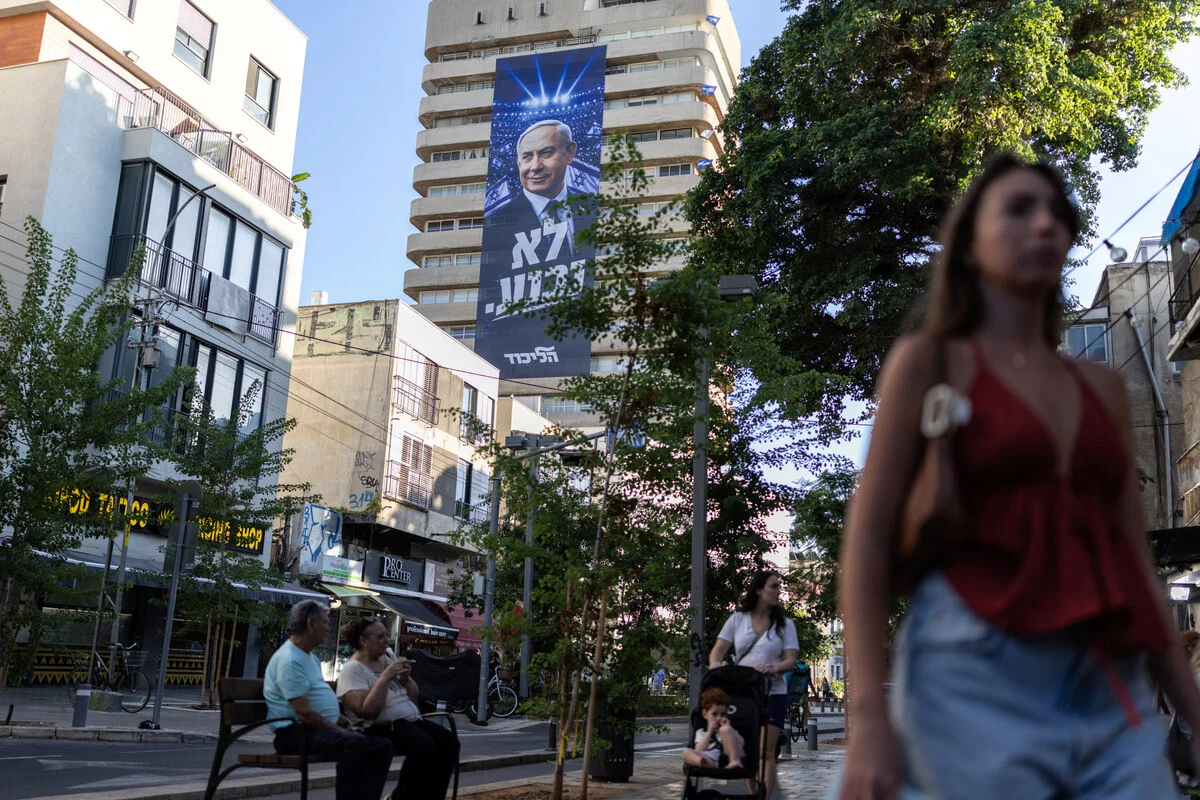
Donald Trump, an ardent supporter of Marine Le Pen’s political trajectory, has characterized the riots as the result of "immigration and Islam" destroying a once-great nation. Similarly, Israeli Prime Minister Benjamin Netanyahu attributed the violence to an "invasion of extremist Islam." Russian officials, meanwhile, have framed the events as the "suicide of Western civilization" caused by migration.
These interventions are not accidental. They form part of a nascent, loosely coordinated international coalition that views the fight against immigration as a central, existential issue. As the climate crisis looms, threatening to render large swathes of the planet uninhabitable, this faction argues for the necessity of "fortress politics"—erecting barriers to prevent the influx of the impoverished and displaced into the protected zones of the wealthy. With the rise of the AfD in Germany, the consolidation of power by Giorgia Meloni in Italy, and the looming electoral threat of the Rassemblement National in France, the post-war European order faces a profound, perhaps fatal, challenge.
Implications: The Trap of the Order-Seeker
The most tragic irony of the events of October 17th is the political outcome they have inadvertently enabled. Despite the evidence of systemic failures and government manipulation, the visual impact of the looting and destruction has left a lasting imprint on the electorate.
The media’s relentless, looped broadcasting of these images has fueled a desperate, almost Pavlovian demand for order. In the political marketplace, this demand is currently being cornered by one entity: the Rassemblement National. By pointing to the "failure" of the existing republic and the "chaos" of the left, the far-right has successfully aligned itself with the center-right to advocate for an "iron fist."
Historically, the French Republic maintained a cordon sanitaire—a protective barrier designed to keep the far-right from the levers of power. That barrier is now being redirected. Instead of insulating the state from extremism, the political establishment is using its rhetoric to isolate and delegitimize the left-wing opposition, effectively clearing a path for the very forces the republic once claimed to oppose.
As France looks toward future elections, the danger is that the public, exhausted by the cycle of repression and revolt, will trade its democratic aspirations for the illusion of stability. The tragedy is that this stability is a phantom; by addressing the symptoms—the riots and the unrest—rather than the root causes—the radical inequality and the erosion of the public good—the French state is not curing the illness. It is, by its own design, ensuring that the next time the table is overturned, the consequences will be far more permanent.